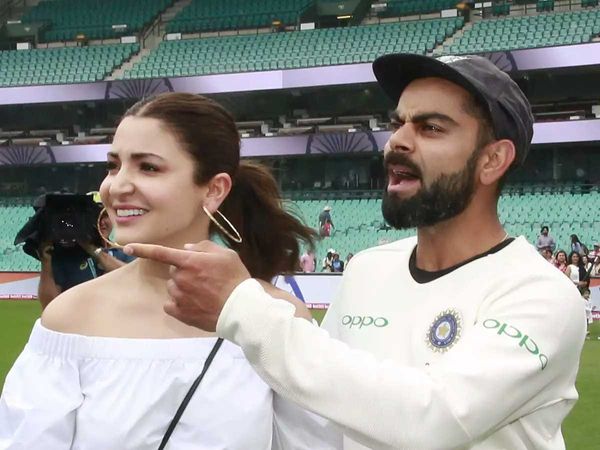
Anushka Sharma to join Virat Kohli on UK tour as Team India gets clearance for families’ travel

KEY STORY

  • The Indian cricket team received a huge boost ahead of their flight to the United Kingdom. The families of the Indian teams, both men’s and women’s, have been given the clearance to travel along with the players.
  • The development allows the likes of Anushka Sharma, Ritika Sajdeh and other family members of the players and support staff will now be allowed to accompany their partners.
  • The Board of Control for Cricket in India (BCCI), as well as the England & Wales Cricket Board (ECB), have been in talks with the UK government over the same for the past few weeks. As per the UK government’s regulations, only elite sportspersons are allowed to enter the country, while following certain quarantine norms, but the BCCI insisted on the players’ family members also being given the nod.
  • The entire Indian contingent — consisting of men’s, women’s teams and their families – will land in London on June 03. From there, the men’s team and their families will head to Southampton while the women’s team and their families will be taken to Bristol. The entire contingent will be required to fulfill a 10-day quarantine period before their respective series will begin.
  • The Indian men’s team is set to take on New Zealand in the World Test Championship final starting June 18 while the women’s team is scheduled to lock horns with England starting June 16.
  • The ICC had revealed the quarantine norms and the processes that are to be followed on the tour.
  • “As per the bio-safety protocols established for the event, in line with UK government and Public Health England requirements, the Indian Men’s team will arrive in the UK on 3 June 2021 via a charter flight and carrying evidence of a negative PCR Test,” the ICC release read.
  • “Prior to travelling, the party will have spent 14 days in a bio-secure environment in India during which regular testing will have taken place. Upon landing, they will proceed directly to the on-site hotel at the Hampshire Bowl where they will be tested again before commencing a period of managed isolation.

CONCLUSION

  • “Regular tests will be conducted during the period of isolation. Players’ activity will be allowed in a gradually increasing manner after each round of negative testing, moving from exercise in isolation to small group and then larger squad activity, whilst always remaining within the bio-secure venue,” it added.
  • The BCCI had allowed the players’ families to accompany them in the bio-secure bubble that was created in Mumbai ahead of the flight to England. Both men’s and women’s teams quarantined in the same hotel and are presently isolating in their separate private rooms.

Beware of fake Paytm website claiming to offer Rs 2000 cashback

KEY STORY

  • A website claiming to be Paytm is duping users on the pretext of offering them a cashback of Rs 2000. Digital payments have become the norm especially in the COVID-19 times we are living in.
  • People are relying on their e-wallets more for every payment to minimise interaction. Meanwhile, fraudsters are using the opportunity to dupe people by sending almost believable notifications saying that they have won a huge cashback.
  • As per the Indian Express report, users are getting notifications from a website claiming to be Paytm on their smartphones. The notifications read ”Congratulations! You have won Paytm Scratch Card”.
  • If you click on the link, you will be taken to a site called paytm-cashoffer.com. Interestingly, the link will only work on a smartphone and not on a PC. The reason why most users are falling for the fake offer is that the website looks identical to the original Paytm website.
  • Once you click on the notification, you will be taken to the website paytm-cashoffer[dot]com. The website displays that you have got cashback worth Rs 2,647 along with a button that says “Send Reward to Paytm” at the bottom of the screen.
  • Most users without noticing the URL at the top would directly click on the “Send Reward to Paytm” button. Once you click on the link, you will be redirected to the original Paytm app instead of the fake Paytm website wherein you will be asked to pay the amount.
  • If you make the payment without realising the consequences, the amount will be deducted from your bank account and the money will be transferred to the fraudsters account. So basically you will not gain anything but lose money in return.
  • Always remember that you can only get cash backs from within the Paytm app and no third party or website can offer you the same. You should always be wary of the link that appears suspicious and is the incorrect format.

CONCLUSION

  • Paytm will never use any third-party app to notify you about the cashback. You get a notification on the Paytm app itself when you make a payment or recharge your mobile number. This attack is targeted towards mobile users because the majority of users use Paytm on smartphones.
  • This is one of the many cases of phishing attacks that are being carried out. Fraudsters are also sending fake links on WhatsApp to gain illegal access to their accounts. The trick is to avoid any message or link that seems suspicious and rely on official websites, apps for everything.

World Milk Day: Myths about this dairy beverage that need to be debunked

KEY STORY

  • Being observed since 1 June 2001, World Milk Day is an international day established by the Food and Agriculture Organization (FAO) of the United Nations to recognize the importance of milk as a global food.
  • Milk has been an essential part of the human diet for thousands of years. Domestication of cattle and agricultural practices gave mankind the ability to produce food to sustain and not depend purely on what nature held in its palms.
  • But, over the centuries, the importance of milk in the diet has acquired mythical proportions. Several myths have been built around the drink that is, no doubt, enriching, but certainly not the only source of vitamins and energy for us.

    5 milk myths that need to be debunked right away:

    Milk is essential to build strong bones: 
  • Most of us grew up believing that milk is important for children to build strong bones and for the elderly to prevent osteoporosis. But milk, a good source of calcium, isn’t necessarily the most critical factor for bone health, said Stanford University nutrition scientist Christopher Gardner, the Rehnborg Farquhar Professor and a professor of medicine.
  • “There are countries like Japan and India where the population is predominantly lactose-intolerant, where milk intake is low and hip fracture rates are also low. But many of those cultures do more weight-bearing activities than Americans,” he said. “
  • It’s better to be physically active than drink milk as a way to strengthen your bones.” Studies have shown that drinking milk can improve your bone density, but whether it helps prevent bone fractures is debatable, he added.
    Milk is the best source of Calcium: 
  • According to the Harvard TH Chan School of Public Health, calcium is important, but milk isn’t the only, or even best, source. Getting enough calcium from childhood through adulthood helps build bones up and then helps slow the loss of bone as we age.
  • It’s not clear, though, that we need as much calcium as is generally recommended, and it’s also not clear that dairy products are really the best source of calcium for most people. While calcium and dairy can lower the risk of osteoporosis and colon cancer, high intake can increase the risk of prostate cancer and possibly ovarian cancer. Plus, dairy products can be high in saturated fat as well as retinol (vitamin A), which at high levels can paradoxically weaken bones.
  • According to the National Institute of Nutrition in India, 100 ml of milk contains 125mg of calcium while 100 grams of ragi contains a whopping 344mg of calcium. It is also believed that after the age of 3 our bodies lose the ability to break down the milk proteins (casein) which inhibits the absorption of calcium from milk.
    Raw milk is better, pasteurised milk is bad as it kills healthy bacteria:
  • Raw milk proponents argue that pasteurisation kills off important healthy bacteria, but Stanford University nutrition scientist Professor Christopher Gardner said that it is difficult to prove any health benefits from these bacteria.
  • Some raw milk producers also claim it is easier to digest. However, a study overseen by Gardner found that lactose-intolerant participants had the same symptoms with raw and pasteurised milk.
    Drinking more milk helps weight loss:
  • The old belief was that drinking whole milk will make you fat and skim milk will help you lose weight. But this was refuted by Harvard’s Nurses’ Health Study, which followed the diets of over 100,000 nurses for more than 30 years, including how their diets changed. “The Harvard study found that switching back and forth from whole-fat to 2-per cent to 1-per cent was not associated with changes in weight,” Gardner said.
  • But does drinking more milk help with weight loss? Some small, short-term studies showed that people lost weight if they drank more milk. according to Gardner, this raises the always-present nutrition-research challenge: Was it drinking more milk or was it consuming less of something else that caused the weight loss?
    Humans aren’t designed to drink cow’s milk: 
  • Most people can easily digest milk, which humans have been drinking since they first domesticated animals around 10,500 years ago. Lactose, the sugar that naturally occurs in milk, requires an enzyme to naturally digest it, and almost, 60 to 65 per cent of people in India are lactose intolerant, which means these people cannot digest lactose, which makes it an even relevant question should we consume dairy?
  • If you’re lactose intolerant, you might still be able to tolerate dairy products where lactose is removed (such as butter), digested (such as cheese) or fermented (such as yoghurt) – or lactose-free milk.
    Disclaimer: Tips and suggestions mentioned in the article are for general information purposes only and should not be construed as professional medical advice. Always consult your doctor or a professional healthcare provider if you have any specific questions about any medical matter.
DRDO issues direction for use of 2DG medicine for Covid-19 patients, to be given on doctor’s prescription

KEY STORY

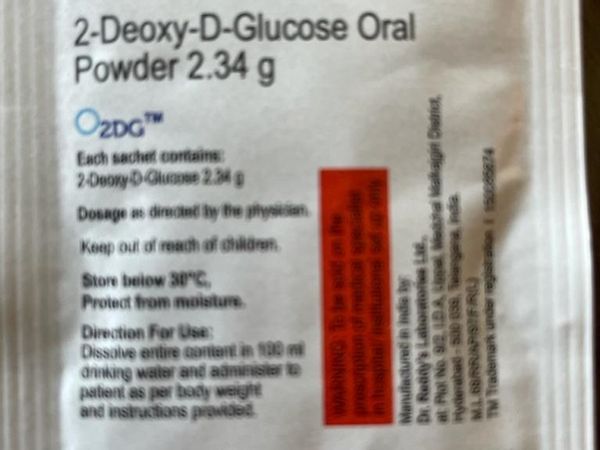
  • The Defence Research and Development Organisation (DRDO) on Tuesday issued directions for the use of 2DG (2-Deoxy-D-glucose) drug for Covid-19 patients under care as per Drugs Controller General of India (DCGI) approval. The drug can be given on a prescription by a doctor.
  • Directions for the usage of this drug for COVID-19 patients as per DCGI are below:
    • The 2DG is approved for emergency use as adjunct therapy to the standard of care in the treatment of COVID-19 patients in the hospital settings.
    • Ideally, 2DG should be prescribed as early as possible by doctors for moderate to severe COVID-19 patients for maximum duration up to 10 days.
    • Uncontrolled diabetes, severe cardiac problem, ARDS, severe hepatic and renal impairment patients have not been studied yet with 2DG, hence caution should be exercised.
    • 2DG should not be given to pregnant and lactating women and patients below 18 years.
    • Patients/attendants are advised to request their hospital to contact Dr Reddy’s Lab, Hyderabad for medicine supply at email: [email protected].
    The price of the anti-COVID 19 drug has been kept at Rs 990 per sachet by Dr Reddy’s lab. Government hospitals, central and the state government would be provided the medicine at a discounted price, however.

CONCLUSION

  • INMAS-DRDO scientists conducted experiments with the help of the Centre for Cellular and Molecular Biology (CCMB), Hyderabad in April 2020 when it was observed that the 2-deoxy-D-glucose (2DG) molecule works effectively against the SARS-CoV-2 virus and inhibits its growth. It is a glucose analogue, which arrests the virus spread.
  • Clinical trial results have shown that 2DG helps in the recovery of hospitalised patients and reduces supplemental oxygen dependence.

Rescheduling Covid-19 vaccination session now allowed on CoWIN: Centre

KEY STORY

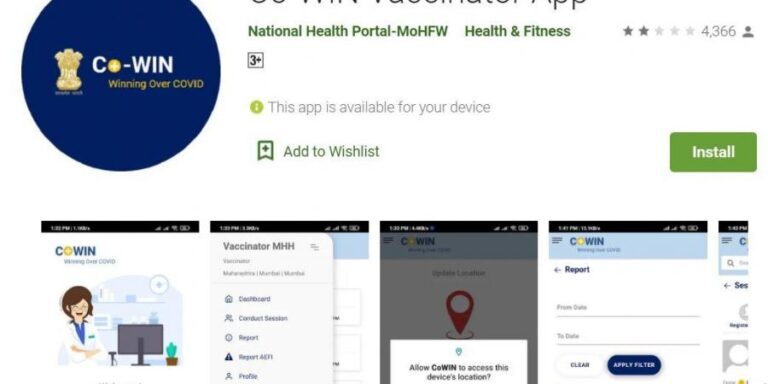
  • While dismissing concerns that booking a Covid19 vaccination slot on CoWIN portal did not guarantee an actual jab, the Centre on Monday acknowledged that in some cases inoculation sessions had been cancelled due to vaccine shortage.
  • “There have been some media reports suggesting that even a successful booking on the CoWIN platform for a vaccination slot does not assure one of a Covid-19 vaccine jab,” a vaccination “myth buster” by the Union ministry of health and family welfare said on Monday.
  • It also called such reports “baseless and incorrect, not supported by full information on the matter”.
  • However, the same statement went on to add that in some cases the district immunisation officers were publishing a session and then in case vaccines were in short supply, such sessions were being cancelled and beneficiaries had to return without taking the shots.
  • “This definitely caused inconvenience to such beneficiaries who booked their appointments for such vaccination centres or sessions,” the ministry said.
  • To remove this problem, CoWIN has now provided the feature for rescheduling of vaccination sessions so that the district authorities do not have to cancel the sessions, the government said that such provision has also been made that pre-booked appointments for a session, also get rescheduled when a session is rescheduled.
  • In such cases now the beneficiary will not have taken a fresh appointment and will also receive an SMS informing them about rescheduling of their session. The system still provides the option of rescheduling or cancellation of an appointment to the beneficiaries.

CONCLUSION

  • On the concerns that those vaccinated are not receiving their vaccination certificates, the ministry said that the web link for Covid19 vaccination certificate is available in the text SMS sent to beneficiary after vaccination after successful updation of vaccination status in CoWIN.
  • It added that states have been advised from time to time that vaccination certificates should be issued to all vaccinated beneficiaries on the same day of vaccination before they would exit the vaccination centre but sometimes there may be a delay of a day.

Rahul Gandhi asks Centre three questions on its efforts to curb black fungus

KEY STORY

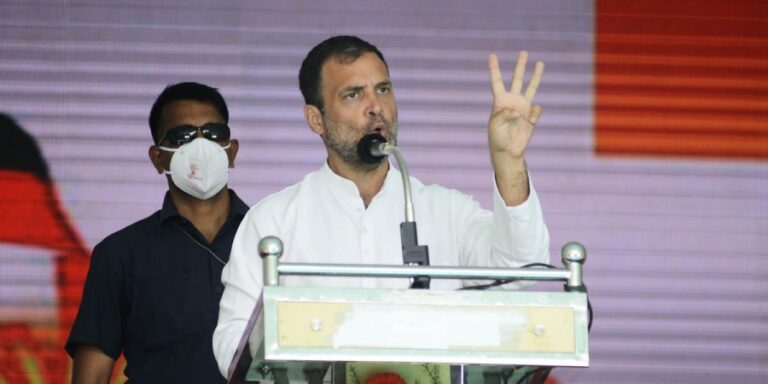
  • Expressing concern over a rise in black fungus or Mucormycosis cases in the country, Congress leader Rahul Gandhi on Tuesday again targeted the central government on its efforts to curb the rise in fungal infection.
  • Taking to Twitter, he sought answers from the Centre to three of his questions.
  • “Central Government should clarify about the Black fungus epidemic – 1. What is being done for Amphotericin B drug shortage? 2. What is the procedure for getting this medicine to the patient? 3. Instead of giving treatment, why is the public getting bogged down in formalities by the government?” he posted on his Twitter page.
  • The Congress MP has previously also attacked the BJP government and blamed the “inefficiency” of the PM Narendra Modi government for the “epidemic of black fungus along with the Covid pandemic” in the country.

CONCLUSION

  • Cases of Covid-19 triggered black fungus across the country have witnessed a significant increase, which has also led to a significant rise in the death toll. Karnataka has reported 1,250 cases and 39 related deaths so far. In Madhya Pradesh’s Indore city, 39 people died due to the infection. On Friday, two succumbed to the infection in Shimla, Himachal Pradesh. Uttar Pradesh’s Meerut reported 147 black fungus cases in total.
  • Meanwhile, on Sunday, India received a consignment of 200,000 AmBisome (Amphotericin B injection), informed Ambassador of India to the United States, Taranjit Singh Sandhu.

Seven years of Modi have taken us back by 70 years: Siddaramaiah

KEY STORY

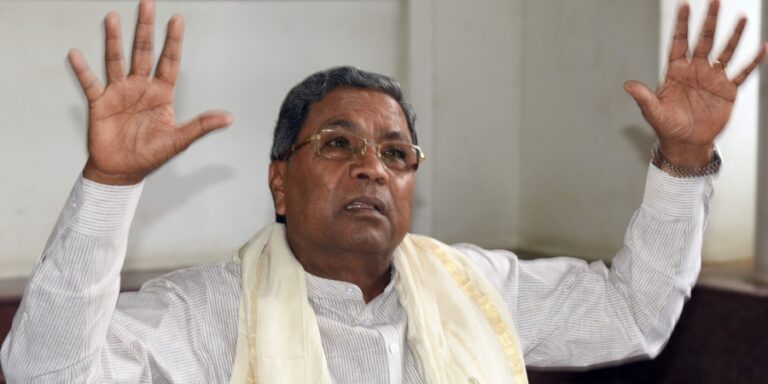
  • Congress Legislature Party chief and fomer CM Siddaramaiah on Monday lashed out at the Narendra Modi government — that completed seven years in office on Sunday — accusing it of taking the country back 70 years in just seven years. Armed with data comparing growth indicators in 2014 and now, Siddaramaiah listed out seven “disasters of Modi”.
  • “Seven years of governance with hundreds of disasters by Narendra Modi-led BJP government. Demonetisation. GST. Covid19 mismanagement. Anti-farmer and labour laws. Unemployment. Privatisation of national assets. Inflation and Price rise are just a few of the 7 years of Modi-made disaster,” Siddaramaiah said. He pointed out that barely eight states were in revenue deficit in 2014, but now all states are in deficit.

CONCLUSION

  • “The Modi government is selling off enterprises that were built with the sweat and blood of Indians over the past 70 years.
  • The only enterprise they are running successfully is a factory of lies. From LPG, fuel to cooking oil prices are skyrocketing. People are struggling without jobs, standing in queues for oxygen, medicines and food, but businessmen from Gujarat seem to be increasing their wealth,” Siddaramaiah said, insisting that the Modi government’s achievement is being the source of wealth spike for industrialists Ambani and Adani.

‘Allow MSMEs to function from June 1’

KEY STORY

  • The future of Micro, small and medium scale industries in Karnataka is at stake and if the government does not permit them to function from June 1, about 30-40 per cent of MSMEs in the state will be on the verge of closure — this was the cencern expressed by many industrialists and Karnataka Small Scale Industries Association (KASSIA)
  • According to KASSIA, the first wave of Covid led to the closure of 15-20 per cent of MSMEs in Karnataka.
  • Now, it is worried that if the government fails to permit operations from June 1, it may lead to the closure of 30-40 per cent of these in the near future.
  • Speaking to TNIE, K B Arasappa, president of KASSIA asked: “When the government can allow large-scale industries to function, where about 500 to 1000 can work and there is high risk of Covid infection, why is it not permitting MSMEs, with SOP in place?” He said, “Usually, MSMEs have 10- 50 employees.
  • If we go by government directions, only 50 per cent of the staff will be operational. Hence, it will be easy to manage the group with SOPs,” he said.

CONCLUSION

  • “MSME employers depend on the revenue generated every month and it is a cyclic process of supplying to the customer and collecting the previous balance amount. Now, this cycle has been hampered as the customers are not releasing the previous balance amount, citing Covid crisis. Even they are under loss.
  • How do we settle the previous bills?,” he questioned. Ramesh Hegde, chairman of Machenahalli Industries Association (MIA) said, except for foundries, no other small and micro industries are functioning. The owners of these industries are worried about how to generate funds to pay salaries of their employees in June.

Technical Advisory Committee recommends lockdown extension in Karnataka

KEY STORY

  • The Technical Advisory Committee (TAC) on Covid-19, after a detailed analysis of available data, has recommended to the government a “stricter” lockdown even after June 7. This decision of the TAC comes at a time when the state’s Covid-19 positivity rate is still hovering around 15 per cent, with a case fatality rate (CFR) of 1.87 per cent.
  • Also, a recent advisory from the Government of India had recommended continuation of restrictions till June-end in districts having a total positivity rate (TPR) of more than 10 per cent, oxygenated bed occupancy of more than 60 per cent and CFR above 1 per cent.
  • “Considering this, the TAC has recommended further continuation of the lockdown in a stricter form in the state as a whole, placing lives before livelihoods to achieve TPR below 5 per cent, daily new cases below 5,000 and CFR below 1 per cent,” the committee’s report said. Experts have also suggested that the situation will be reviewed on a weekly basis for any relaxations and concessions, and if considered, the panel has suggested that it should be done in a graded manner as done between June and November 2020.
  • Meanwhile, Health and Medical Education Minister Dr K Sudhakar said the government will take a decision on lifting restrictions based on scientific advice, and Chief Minister B S Yediyurappa will take the decision in this regard.
  • “The TAC committee will submit its report and it will be discussed in the Cabinet. Since elected representatives work very closely with people, they know the ground reality. Many of them have expressed their concerns based on the opinion of the people. However, the government has to ultimately take a decision on this, based on scientific advice.
  • The CM will take a final call,” Sudhakar said. Meanwhile, the next wave of Covid-19, as per TAC, is expected in October-November and there is an intervening period of four months which should be used to ramp up clinical facilities, training and deployment of human resources.
  • TAC predicts that the third wave will increase mortality in the paediatric population aged 0-9 by 4 per cent, and a 43 per cent rise in cases. Also, the wave will see a 6 per cent increase in mortality in children aged 10-19, and 60 per cent rise in the number of cases.

    Other recommendations

    Child care

    Paediatric facilities should be ramped up: Special attention on facilities for clinical manage ment of Covid-19 in children at CHC, taluk and district levels. Parents, as caregivers, to be provided PPE kits, N95 masks & resting facilities in hospitals

    Genome sampling 

    Sampling for genomic sequencing (for variants) and serology from children to be started immediately

    Vaccines for children

    State govt should seek vaccines from Centre, recommended for use in children, like Pfizer and others and start vaccinating them

    Board exams for Classes 10 & 12 

    Very “challenging”, but if it has to be held then a “special SOP” has to be planned, with teachers being well trained and facilities arranged. Enlist only those who are vaccinated or provide at least one dose of vaccine to those engaged in exam duties

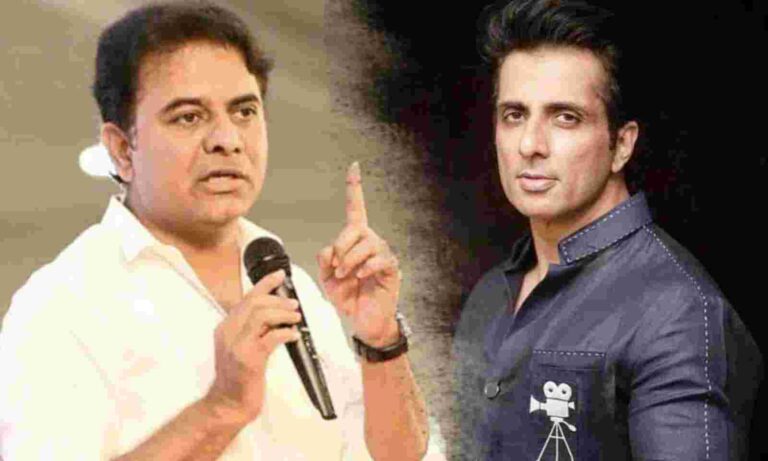
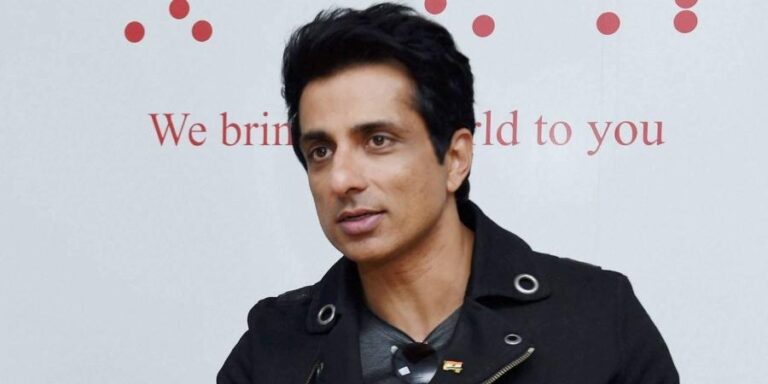
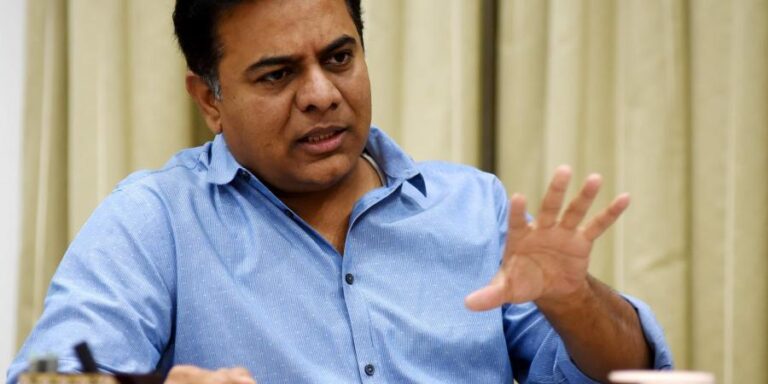
Telangana minister KTR says Sonu Sood is superhero. Actor reacts

KEY STORY

  • During the Covid-19 crisis, there have been several celebrities who extended their support to those in need of medical help. Sonu Sood has been one such celebrity, who has kept no stone unturned to help people with medical supplies, oxygen cylinders and concentrators and hospital beds. His selfless work did not go unnoticed by the Minister of Municipal Administration and Urban Development of Telangana, KT Rama Rao.
    Recently a man who received help from KTR, took to Twitter to thank him. The man had requested for an oxygen cylinder for a friend’s father which was delivered to him within 10 hours. The Twitter user called KTR the “real superhero” and wrote, “@KTRTRS @KTRoffice Once again I can’t thank you enough KTR garu. We Received requested #OxygenConcentrator within 10 hours. You Helped many till date and we never forget your continous help to TG people. And I must say this today, you are a real #SuperHeroRed heart (sic).”
  • Responding to his tweet, KT Rama Rao wrote that he is just doing his bit to ease the pain of the people. However, it is Sonu Sood who should be addressed as a “superhero”. “Am just an elected public representative doing my bit brother. You can call @SonuSood a super hero for sure Thumbs up. Also, request you to kindly help others in distress (sic),” he wrote.

  • Sonu Sood was touched by the Telangana minister’s kind words. While the actor thanked KTR for showering him with appreciation, he also did not forget to mention how he has been doing so much for the people of Telangana.
  • The actor added that he considers Telangana as his second home. “Thank you so much sir for your kind words! But you are truly a hero who has done so much for Telangana. The state has developed so much under your leadership. I consider Telangana as my second Home as it’s my place of work & the people have shown me so much love over the years (sic),” Sonu Sood tweeted.

Sonu Sood has been a ‘messiah’ for hundreds of people who couldn’t afford medical treatment. The actor has been working day and night to ensure that anyone who comes to him asking for help does not return empty-handed.

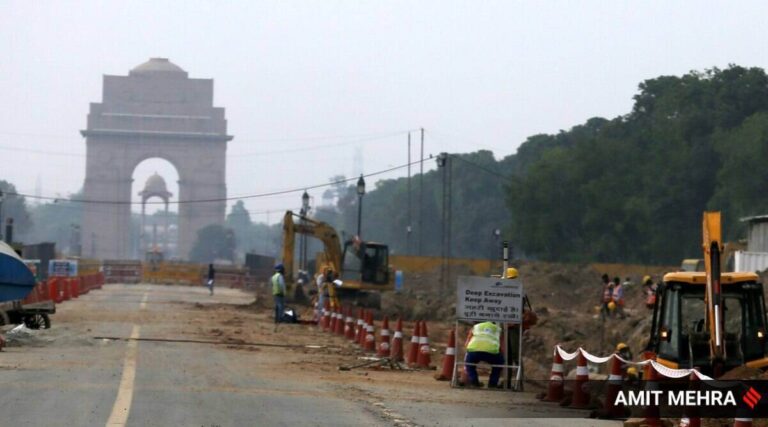
Central Vista project of public importance, work to continue: Delhi High Court

KEY STORY

  • HOLDING Central Vista Project to be of national importance, the Delhi High Court on Monday dismissed a petition which had sought a stay on the construction taking place at Central Vista Avenue during the peak phase of Covid -19 pandemic and imposed a cost of Rs 1 Lakh on the petitioner.
  • The division bench of Chief Justice D.N Patel and Justice Jyoti Singh said the work at Central Vista Avenue is part and parcel of the work at Central Vista Project and of vital public importance. The construction of Central Vista Avenue Redevelopment cannot be seen in isolation, it added
  • “Since the workers who are working at the project are staying on site, there is no question of issuing directions to suspend the work of Central Vista Avenue Redevelopment Project,” said the court, adding the DDMA in the April 19 order has not prohibited construction activity where labourers are residing on-site.
  • It further noted that the work at Central Avenue has to be completed before November and said time is essence of the contract. “The work has to be completed within time-bound schedule,” the bench said, adding once the workers are staying at the site and “all the facilities have been provided, COVID-19 protocols are adhered to and COVID-19 appropriate behaviour is being followed,” there is no reason for the court to stop the project.
  • “This a motivated petition preferred by the petitioner and is not a genuine Public Interest Litigation,” said the court, while imposing a cost on the petitioners.
  • The petition filed by Anya Malhotra, a translator, and Sohail Hashmi, historian and documentary filmmaker, stated that they are concerned by the “super spreading potential and threat” posed by the continuing construction at the project site and the plight of the workers who are being exposed to the infection on a daily basis. Centre in a written reply has said the petition deserves to be dismissed with “exemplary costs” on the ground “that it is an abuse of the process of law”.
  • Centre had sought dismissal of the petition and termed it as “one more attempt” to stall the project. It had also argued that the PIL was a facade to “satisfy some kind of a vanity in mind of certain individuals”. The government had also contended that the DDMA on April 19 has permitted construction activities during curfew where labourers are residing on-site.
  • “Such attempts are going on since the inception of the project under one pretext or the other and in one name or the other,” the union government had said in a reply to the petition, while arguing the case deserves to be dismissed with “exemplary costs” on the ground “that it is an abuse of the process of law”.

CONCLUSION

  • Senior Advocate Siddharth Luthra, representing the petitioners, had argued the petitioners are in no manner seeking to overreach the Supreme Court judgement permitted the Central Vista and the prayer to stop the construction was limited to construction during the peak phase of pandemic.
  • “When we came to your lordships, we were afraid their dereliction was going to lead to an Auschwitz on the gardens of Central Delhi, on the gardens of India Gate,” Luthra argued on May 17.
  • Malhotra and Hashmi in the petitioner also had asked “why or how the project constitutes an ‘essential service’ merely because some executive mandated contractual deadline has to be met”.

Govt credit scheme for oxygen plants, banks to give Covid loans

KEY STORY

  • As a part of its push to bolster the economy amid the second Covid wave, the Government Sunday expanded the scope of the Emergency Credit Line Guarantee Scheme (ECLGS) to provide more relief to small businesses, bring the aviation sector under its ambit, and provide a concessional credit facility of up to Rs 2 crore in loans for health facilities to set up oxygen generation plants.
  • The overall size of ECLGS, however, has been kept at Rs 3 lakh crore, out of which about Rs 45,000 crore is left to be sanctioned. Those who have already availed loans under the scheme can get additional assistance of up to 10 per cent of outstanding dues as of February 29, 2020.
  • Simultaneously, public sector banks have announced that they are joining hands to offer standardised loans to healthcare facilities and individuals under the Covid loan book proposed by the RBI and the ECLGS.
  • Under this initiative, borrowers will be able to avail a tenure of five years in the revised ECLGS scheme — as against four years earlier — with repayment of interest only for the first 24 months, and of principal and interest in the next 36.
  • The Union Finance Ministry has also removed the current ceiling of Rs 500 crore of outstanding loans for eligibility under ECLGS, subject to maximum additional assistance to each borrower being limited to 40 per cent or Rs 200 crore, whichever is lower.
  • Since there is a loan cap of Rs 200 crore per company, the new scheme should be able to accommodate a large number of stressed entities, bankers said.
  • Under the ECLGS scheme to help companies tide over the liquidity crunch resulting from the Covid curbs, banks provide additional loans to existing borrowers without asking for extra collateral. To encourage banks, these loans are fully guaranteed by the Government against credit losses.
  • The scope of the scheme had been expanded thrice before. The scheme will be valid till September 2021 or till the guarantee amount of Rs 3 lakh crore is exhausted, while disbursements are permitted till December 2021.
  • Welcoming the latest move, FICCI president Uday Shankar raised the need to increase the limit of Rs 3 lakh crore. “The new scheme ECLGS 4.0 provides financial support to the critical healthcare sector, and we hope that the banks will go all out in disbursing the loans in a quick and timely manner. It would have further helped if a higher allocation would have also been made under this scheme. FICCI had requested that the quantum be doubled to Rs 6 lakh crore,” he said.
  • “These initiatives taken by all the PSU banks by coming together…is a significant step in the right direction to mitigate the financial impact due to Covid resurgence on all affected segments of borrowers,” SBI chairman Dinesh Khara said.
  • “Stressed sectors are already well known, like civil aviation and tourism…(the) civil aviation sector definitely needs a lot of support at this point of time,” Indian Banks Association (IBA) chairman Rajkiran Rai said.
  • Addressing a press conference Sunday, Khara and Rai said PSU banks will offer unsecured personal loans to individuals for Covid treatment at a concessional rate of interest — for SBI, the rate will be 8.5 per cent. These loans will start at a minimum of Rs 25,000 and can be repaid over five years.
  • Similarly, public sector banks will offer loans upto Rs 100 crore at concessional rates for hospitals, nursing homes, clinics, diagnostic centres and pathology labs to set up or expand healthcare facilities, Rai said.
  • These banks have also formulated a templated approach for loans restructuring for individuals, small businesses and MSMEs upto to Rs 25 crore. “The idea behind this is that there should not be any hardship in terms of any implementation,” said Khara.
  • On May 5, the RBI had announced a new restructuring scheme for individuals, small businesses and MSMEs to restructure their loans in light of the second wave. Entities that had not restructured their loans earlier, with borrowings classified as standard as on March 31, 2021, are eligible under the scheme. “Many lending institutions have got board approval and have started sending messages to eligible customers,” Khara said.
  • “Under ECLGS, there is still a window for Rs 45,000 crore. The schemes announced today will exhaust the remaining window,” said IBA Chief Executive Officer Sunil Mehta.
  • Public sector banks have designed three products to provide fresh lending support to vaccine manufacturers, hospitals and dispensaries, pathology labs, manufacturers and suppliers of oxygen, ventilators, importers of vaccines and Covid related drugs logistics firms and patients for treatment.
  • “Under healthcare business loans for setting up oxygen plants under ECLGS, loans up to Rs 2 crore at an interest rate of 7.5 per cent for hospitals and nursing homes is backed by 100 per cent guarantee cover under ECLGS 4.0,” Khara said.

CONCLUSION

  • Khara said banks will offer business loans for healthcare facilities up to Rs 100 crore to set up or expand healthcare infrastructure. They will also offer unsecured personal loans — from Rs 25,000 to Rs 5 lakh — for salaried, non-salaried and pensioners for Covid treatment, most of them at concessional rates of interest.
  • So far, the RBI’s restructuring plan has been availed by 60,000 customers as against 8 lakh plus eligible, the SBI chairman said. The plan covers three categories: Loans up to Rs 10 lakh for which there will be a standardised restructuring offer for certain small businesses and MSMEs; above Rs 10 lakh and up to Rs 10 crore; and, above Rs 10 crore.

Google Photos to end free unlimited storage from tomorrow: Plans, how to check space and more

KEY STORY

  • Google Photos will officially end its unlimited free storage policy for pictures at ‘high resolution’ and ‘express resolution’ starting tomorrow, June 1. The policy change was announced in November last year. If you’ve relied only on Google Photos to back up all your smartphone pictures, you will soon need to start worrying about the storage space on your account.
  • The policy change also means Google wants more consumers to pay up for the cloud storage service. Here’s everything to keep in mind as Google changes its policy on cloud storage for Photos.

Google Photos storage: What was the earlier policy, what has changed?

  • Google offers 15GB free storage space. This space is divided across Gmail, Google Drive and Photos. Under the earlier policy, photos at high or express resolution, which are both compressed formats, did not account towards free storage. This meant one could upload photos for free without worrying about running out of storage.
  • From June 1, these photos will count towards the 15GB free quota. If you are continuously uploading photos to your Google account, then you will perhaps need to buy some extra storage space.

Google Photos storage: How much do the storage plans cost?

  • Google One storage is the paid subscription which will add 100GB or more storage to your account depending on what plan you decide to choose. The basic plan starts at 100GB which is Rs 130 per month or Rs 1300 per year.
  • The 200GB plan starts at Rs 210 per month. The other plans are 2 TB at Rs 650 per month or Rs 6,500 per year, 10 TB which is Rs 3,250 per month, and 20 TB at Rs 6,500 per month, and 30 TB at Rs 9,750 per month.
  • Google Photos storage: What about photos uploaded earlier?

  • Google says earlier photos are not impacted by the policy change. So even if you were not a paying customer for Google One, the earlier photos will not count towards your storage and you don’t need to worry about transferring or deleting these in order to get extra space. But all photos uploaded from June 1 will be counted towards your storage space.
  • Google Photos storage: How do I check how much storage I have left?

  • Just go to your Google account, and login to account storage management The tool link can be found at one.google.com/storage/management. Google will show what extra files can be deleted, including from Photos, Gmail and Drive.

Google Photos storage: I have a Pixel phone. Does this impact me?

  • Typically Pixel users get free unlimited storage on Google Photos, but the new policy will bring some changes as well.
  • Those with Pixel 3a and higher (up to Pixel 5) can continue to upload photos in High quality for free without worrying about storage space. But photos in original quality will count towards the free storage space.
  • Those with an older Pixel 3 continue to get unlimited free storage at Original quality for all photos and videos uploaded till January 31, 2022. Photos and videos uploaded on or before that date will remain free at Original quality.
  • After January 31, 2022, new photos and videos will be uploaded at High quality for free. If you upload new photos and videos at Original quality, they will count against the free storage quota.
  • Pixel 2 were given free storage at Original quality for all photos and videos uploaded till January 16, 2021. Photos and videos uploaded on or before that date will remain free at Original quality. After January 16, 2021, new photos and videos will be uploaded at High quality for free. If you upload new photos and videos at Original quality, they will count against your storage quota.

Sonu Sood got ‘rejected’ when he once auditioned for a magazine shoot, he is now on its cover

KEY STORY

  • Sonu Sood, who features on the cover of the April issue of Stardust magazine, took a moment to reflect on his journey. He recalled how he once auditioned for a shoot in the same magazine but was ‘rejected’.
  • Taking to Twitter, Sonu shared the cover and wrote, “There was a day when I had sent my pictures from Punjab for an audition of Stardust, but got rejected. Today want to thank Stardust for this lovely cover. Humbled.”

  • Sonu has been in the news for his philanthropic efforts, as he has been at the forefront of relief efforts since last year. In recent times, he has been responding to distress calls and messages, and arranging hospital beds, oxygen supplies and medicines for many, amid the Covid-19 pandemic. He talked about his experience of helping people in a memoir titled I Am No Messiah, which also chronicles his journey from Moga to Mumbai.

CONCLUSION

  • Last week, Sonu talked about the ‘helpless’ feeling he gets when he has been unable to save someone, despite his best efforts. “Losing a patient u have been trying to save, is nothing less than losing your own. It is so hard to face the family whose loved one u had promised to save. Today I lost a few. The families u were in touch with atleast 10 times a day will lose touch forever. Feel helpless,” he wrote on Twitter.
  • Earlier this month, Sonu shared a video of non-stop messages for help on his phone. “We are trying our best to reach out to you. If there are delays or we miss out. Then pardon me. Apologies,” he wrote. In another tweet, he said that helping people get medical help is more rewarding than delivering a ₹100 crore film.

Grandma’s remedies: 5 things Ayurved says we must do for a healthy gut and good digestion

KEY STORY

  • Before we even turn towards the ancient and continuous health and healing system such as Ayurved, let us look at what contemporary science says about the importance of gut health.
  • Digestive system problems such as heartburn, gas, bloating, and constipation reflect what is happening throughout your body, says Johns Hopkins gastroenterologist Dr Gerard Mullin, MD. “As we age, the natural cycles slow down and don’t work as well,” Dr Mullin says.
  • The main drivers of gut health change are shifts in stomach acid, gut immunity, and gastrointestinal flora — the complex ecosystem of bacteria in your digestive system. When gut health is good, he says, you are less likely to experience damaging inflammation and lapses in immunity.
  • In our homes, we see the elderly members recommending Ayurvedic remedies for small maladies. A granny would hand over a bottle of churna and/or vatis to resolve digestion issues. Ayurved is a widely appreciated system because it mostly draws from nature and seeks to synchronise our body and its systems with environmental factors.
  • That is why it is widely believed that Ayurvedic medicines and methods are ‘natural’ and ‘have little or no side effects’.  Eating and digestion are daily, life-sustaining events. It’s no wonder, then, that a healthy digestive system is revered in Ayurveda as a cornerstone of well-being and that every disease is believed to arise from inefficient digestion.

    Ayurved’s 5 fixes for a healthy gut and good digestion:

    1. Balance the Jathar Agni: Jathar is the stomach, in Sanskrit. The fiery metabolic energy of digestion, known as agni, allows us to assimilate food while ridding the body of wastes and toxins (ama). It transforms dense physical matter into the subtler forms of energy the body needs to be vital, generate internal warmth, and produce a clear mind. Simply put, when agni is weak, there is not enough digestive power to metabolize food into energy. You want a balanced agni that is neither too weak nor too excessive. An easy way to support digestive agni is through the daily use of culinary herbs and spices, used to increase agni before and during meals. A simple ayurvedic practise is to consume a small piece of fresh ginger with a few drops of lemon juice prior to eating a meal. This slowly and gradually awakens the flames of agni, preparing it to digest the main course.
    2. Use spices to make food more palatable, digestible, nutritive: Aromatic spices that assist digestion include black, long, and cayenne pepper; cardamom; and liquorice. They are believed to make foods more digestible by “predigesting” the food during cooking—heat combines and awakens their aromatic qualities, making the nutrients easier to digest once eaten. These spices also stimulate the secretion of saliva and digestive enzymes in the stomach and intestines, and the less work agni needs to do while digesting food, the less fatigue one will experience after eating.
    3. Use post-meal digestive herbs: Undigested food is broken down by fermentation rather than digestion, and fermentation is what produces gas. The intestines can then absorb these gases, which causes the colon to become toxic and spastic. Fennel is a herb commonly consumed in Indian households as a carminative after meals to prevent gas, discomfort, and fatigue. Chew on a teaspoon of fennel seeds, then spit out the pulp after swallowing the juice. Acid reflux? Fennel seeds, holy basil, and other spices may do the trick, says a report in the Healthline. “Pop some saunf (fennel seeds), tulsi leaves (holy basil), or a spice like laung (a clove) in your mouth and chew slowly,” suggests Amrita Rana, a food blogger who conducts workshops on Ayurvedic food. “Anything that increases saliva in the mouth can help balance the stomach’s acidity,”the Healthline quotes Rana.
    4. Use Hing in cooking to remedy weak digestion: Hing powder is a resinous sap from the root of the asafoetida plant. Most Indian dishes that use spices, also use a dash of this spice as it is a potent digestive aid capable of removing impactions in the gastrointestinal tract. In the classic ayurvedic preparation hingavashtak, hing is mixed with other aromatic and carminative herbs and spices to promote deeper assimilation of nutrients. Their drying, warming, and stimulating actions awaken agni and tone the digestive system.
    5. Constipation? You have ghee, salt, and hot water to the rescue: Consume a drink made with ghee, salt, and hot water. Ghee helps lubricate the inside of the intestines and salt removes bacteria. This is a tried and tested remedy in most Indian households, where grandmas can play doctors for such small but crucial problems. Ghee contains butyrate acid, a fatty acid with anti-inflammatory effects that may help with digestion. Or eat a ripe banana two hours after dinner. Give a small gap and follow it up with a glass of hot milk or hot water. A tablespoon of castor oil — a known stimulant laxative — taken at bedtime may also provide relief. But this remedy (castor oil) is contraindicated for pregnant women. In either case, before you use the castor oil remedy, do consult a doctor as some people are extremely perturbed by this oil’s aroma and action.
    Disclaimer: Tips and suggestions mentioned in the article are for general information purposes only and should not be construed as professional medical advice. Always consult your doctor or a professional healthcare provider if you have any specific questions about any medical matter.
IPL 2021 could see vaccinated fans cheering from stands up to 50% stadium capacity: Report

KEY STORY

  • Now that the Indian Premier League (IPL) has been shifted to the UAE, the Board of Control for Cricket in India (BCCI) and the UAE government are in talks about the logistics and also about the entry of fans inside the stadiums.
  • As reported by Cricbuzz, while all IPL 2021 matches played in India were behind closed doors, UAE could see fans enter up to 50% of the stadium’s capacity. Only those fans
  • “The vaccinated fans can be allowed up to 50 per cent of the [stadium] capacity,” a UAE board official told Cricbuzz.
  • The BCCI is in talks with the Emirates Cricket Board (ECB) to allow fans inside the stadium. Given the fact that most of the population in UAE has been vaccinated, if things go as per plan, fans could be seen cheering for their favourites teams and players in the coming months for the remaining matches of IPL.
  • The BCCI top brass is already said to have left Dubai to have talks with the ECB as well as the UAE government. Board secretary Jay Shah, treasurer Arun Singh Dhumal, vice-president Rajeev Shukla and joint secretary Jayesh George are the four people who are said to have reached Dubai.
  • The BCCI office-bearers are said to have left in a charter as the ECB had to seek permission from the UAE government for their arrival given their restrictions for travel to and from India. Upon their arrival, the two parties will discuss the logistical part of the league’s operations. The tentative dates for the second half of the tournament is from September 19-October 10.

CONCLUSION

  • Having successfully hosted the entire IPL edition last year, the ECB would be confident of pulling it off yet again. The only difference being that on this occasion, the ECB will have to host just the remaining 31 matches, with more than 100 days in hand to put the preparations in place.
  • IPL 2021 was suspended indefinitely by the BCCI after a spike in the number of coronavirus cases inside’s IPL’s bio-bubble. Varun Chakravarthy, Sandeep Warrier, Amit Mishra and Wriddhiman Saha were the players who tested positive for the virus within two days which forced the BCCI to take the decision.

Centre’s inept handling of COVID-19 pandemic made 97% Indians poorer: Rahul Gandhi

KEY STORY

  • As the country is battling the second wave of COVID-19, Congress leader Rahul Gandhi on Monday slammed the Bharatiya Janata Party led NDA government at the Centre for the mismangement in tackling the pandemic and said that 97 per cent Indians have witnessed depreciation in their income due to the arrogance of the Central leadership.
  • He also mentioned that the various mutants of Coronavirus is the second reason for the economic devastation.
  • The Congress leader shared a report that stated that lockdowns imposed in various parts of the country to contain the second wave has left 97 per cent of Indians poorer.
  • “One man and his arrogance + One virus and its mutants,” the Congress leader tweeted.

  • According to the report shared by Gandhi, the second wave of COVID-19 pandemic seems to be impacting jobs in India. It is reported that there has been a drop in the number of salaried jobs in India largely. In addition, 97 per cent Indians have witnessed depreciation in their income as well, stated the report.

CONCLUSION

  • The report quoted Mahesh Vyas, chief executive officer, Centre for Monitoring Indian Economy (CMIE), stating that over 97 percent of India’s population has become poorer compared to where they were in terms of income (a year ago) while accounting for inflation.
  • As per the report, Vyas stated that salaried jobs in India have declined by 11-12 million. He stated that pre-COVID-19, there were around 85 million jobs and now that has dropped to around 73-74 million today.

Family of Vivek Murthy, Surgeon General of US, sends medical supplies to hospitals in Madikeri and Mandya

KEY STORY

  • The family of Vivek Murthy, the vice admiral in the US Public Health Service Commissioned Corps has decided to donate COVID related medical supplies to hospitals in Madikeri and Mandya districts.
  • The father of the Surgeon General of the US, Lakshmi Narasimha Murthy said that the shipment containing 70 oxygen concentrators, four ventilators, N95 masks, respirator masks, step transformer pieces and cleaning supplies worth Rs 1.40 crore will soon arrive on behalf of the Scope Foundation.
  • Speaking with The New Indian Express, Murthy said that the supplies will be distributed in 12 smaller hospitals as these are short on medical resources, further adding that only taluk hospitals and two village PHCs have been selected. The foundation is trying to send more material worth Rs 70 lakh soon from New Delhi so that it can be distributed to other PHCs.
  • The consignment contains 70 oxygen concentrators with adapter, 25 digital oral thermometers, 1,96,000 K95 face masks, 5000 full face shields, 5000 forehead foam, 300 surgical earlobe masks, 1200 medical face shields, 400 nitrile powder-free gloves, 50 oxygen cannula and five voltage transformers. The supplies have reached Bengaluru and will be handed over to the districts on Monday.

CONCLUSION

  • Vivek Murthy’s cousin Vasanth informed that the medical supplies will be handed over in his native village Hallegere, Mandya, Maddur, Malavalli, Nagamangla and other places, further adding that plans to build a Covid ward at the cost of Rs one crore are also in the pipeline.
  • Indian American physican Vivek Murthy was confirmed by the US Senate as President Joe Biden’s surgeon general. The 43-year-old Murthy has occupied this position for the second time. In 2011, then president Barack Obama had tapped him to serve on the advisory group on prevention, health promotion, and integrative and public health.


Hyderabad hospital releases Karnataka patient’s body after DKS’ tweet to KTR

KEY STORY

  • Karnataka Congress president DK Shivakumar reached out Telangana IT Minister KT Rama Rao on Sunday, seeking help for the family of a Mandya woman, facing trouble at a private hospital in Hyderabad.
  • Tagging Rama Rao on Twitter at 6.45 pm, Shivakumar asked for his intervention to help the family of Shashikala Manjunath whose husband died at Medicover hospital. The hospital refused to hand over the body as the family had paid only Rs 2 lakh of the total bill amount of Rs 7.5 lakh. The problem was solved within hours and Shivakumar again took to Twitter at 9.28pm to thank Rama Rao.

Grateful to Telangana CM KCR Garu, @KTR & @KTRoffice for their help in releasing the body of the deceased person. Also appreciate the efforts of @IYC workers for their timely action to help the distressed family after being notified & the hospital authorities for their cooperation (sic).”

Karnataka government mulls lifting lockdown curbs in a phased manner: Minister R Ashoka

KEY STORY

  • The Karnataka government is contemplating unlocking the lockdown in a phased manner by easing restrictions provided COVID-19 infections in Bengaluru come down to less than 1,000 a day, Karnataka Revenue Minister R Ashoka said.
    “I have given my opinion to Chief Minister B S Yediyurappa about unlocking the lockdown in a phased manner by opening one after another sector,” Ashoka told reporters in Chikkaballapura.
  • Replying to a query on lifting the restrictions on June 7 when the current lockdown which is in effect since May 10 comes to an end, Ashoka said there is a request from some sectors to lift curbs stage by stage.
  • He, however, warned that the lockdown will continue if the number of infections do not come down.
  • “The restrictions will be eased only when the infections reduce. For example, in Delhi, the cases are about 1,000 a day. In Bengaluru, the number should come below 1,000 a day and in Karnataka, it should be limited to just 2,000 to 3,000. Then only the government will consider easing the lockdown,” the Minister said. According to him, the lockdown has helped to control the infections and deaths due to COVID.
  • Ashoka said the government has not yet received any report from the TAC. Things will be clear only on June 6 when the Chief Minister will hold a meeting with ministers, officials and the TAC members.
  • “We will decide whatever is in the interest of people,” he added. Meanwhile, a senior official too said that there is talk about lifting curbs in a phased manner. “There is a discussion going on at the government level to unlock the lockdown stage by stage.

CONCLUSION

  • The coronavirus cases would be under control only if the restrictions are eased in a phased manner. Even we (officials) are also recommending the same,” Bruhat Bengaluru Mahanagara Palike Chief Commissioner Gaurav Gupta told reporters here.
  • His statement came just a week before the current lockdown comes to an end on June 7. The daily COVID infections and fatalities in Karnataka had crossed 50,000 and over 600 respectively in the last week of April. It reduced to 20,378 infections and 382 deaths on Sunday.There are 3.42 lakh active cases in the state as on Sunday.