Rahul Chahar, Suryakumar Yadav star as Mumbai Indians beat KKR by 10 runs to bag first win of IPL 2021

KEY STORY

  • Mumbai Indians rode on Rahul Chahar’s magical spell with the ball and Suryakumar Yadav’s stupendous half-century to defeat Kolkata Knight Riders (KKR) by 10 runs in the Indian Premier League (IPL) 2021 on Tuesday. Mumbai Indians bagged their first win of the season after losing their opening clash against Royal Challengers Bangalore by 2 wickets.

  • Inviting Mumbai Indians to bat first at the MA Chidambaram Stadium in Chennai, spinner Varun Chakravarthy got KKR off to a brilliant start as he removed MI opener Quinton de Kock (2) cheaply before Suryakumar Yadav and skipper Rohit Sharma steadied the ship for the defending champions.

  • Rohit and Suryakumar were the only batsmen who managed to impress against a disciplined KKR bowling attack as the duo posted a 76-run stand for the second wicket. While Suryakumar scored a quickfire 56 off 36 balls laced with seven fours and two sixes, Rohit scored 43 off 32 balls.

  • After the duo’s departure, MI batsmen struggled to get going as the five-time champions were bundled out for 152.

  • Russell produced a magical spell for KKR and picked up a five-wicket haul in just two overs to finish with magnificent figures of 5/15 in his 2 overs. He picked up the important scalps of Kieron Pollard and Krunal Pandya among others and took three wickets in the final over to complete his fifer.
  • In reply, KKR got off to a solid start courtesy of a solid partnership of 72 runs from openers Shubman Gill and Nitish Rana. Rana continued his stellar run in the tournament and notched up another match-winning knock of 57 off 47 deliveries with the help of 6 fours and 2 sixes. Gill scored 33 off 24 balls.

CONCLUSION

  • KKR lost wickets in quick succession after Gill’s dismissal as Rahul Tripathi (5), skipper Eoin Morgan and Shakib Al Hasan (9) were all dismissed cheaply. Just when it looked like KKR were running away with the game, Chahar’s excellent spell brought the reigning champions back in the contest and they held their nerves to beat KKR in a close encounter which was decided in the final over.
  • It was an unbelievable turnaround from Mumbai Indians as Jasprit Bumrah and Trent Boult’s heroics in the death overs once again bailed them out of trouble. With 19 required off the last two overs, Bumrah and Boult conceded just 4 runs each of the 19th and 20 over respectively to seal MI’s first win of the season.
  • Mumbai Indians will hope to continue their winning run when they lock horns with Sunrisers Hyderabad in their third game of the season on Saturday (April 17)

Healthy hair and nails require this regimen: Dermatologist shares top secrets for lustrous mane, shiny nails

Our hair and nail is not “merely dead tissue” as some people may want us to believe. Nails and hair reflect our overall health, which is why proper nail and hair care is so important. Here are tips for keeping your nails healthy from Dr Deepa Krishnamurthy, Consultant, Dermatology and Cosmetology, Columbia Asia Hospital Sarjapur Road, Bangalore.

Hair care tips

HAIR

If you have to deal with scruffy or thick hair, don’t worry. A few simple tips will help you get that shiny, smooth hair that you need. Healthy hair requires commitment. Hair is exposed to a lot of external factors on a daily basis leading to its damage.
All of us have good hair days as well as bad hair days. Good hair is not just dependent on genetics, diet, water, weather, dirt. Your hair care routine also plays an important role in maintaining good hair. Well, let us see how to maintain our hair healthy.
  1. Understand your hair: Know your hair type, texture, shampoos, and products which suit your hair and scalp. Every hair and scalp type is different, and you need to individualize your products.
  2. Hair wash: How often must you wash your hair? If your scalp is oily, you may need to wash it often. Some may have to wash it daily. If you have chemically treated hair, your hair may be drier, so you may want to wash it less frequently. As you get older, your scalp produces less oil, so you may not need to shampoo as often. But if you see flakes in your hair, you may not be shampooing enough. This can lead to dandruff and other scalp diseases.
  3. The right shampoo: Choosing the right shampoo is very important. Choose products that are right for your hair type and solve any concerns such as dandruff. Try to avoid shampoos with harsh ingredients, such as ammonium lauryl sulphate or sodium lauryl sulphate.
  4. The right use of conditioner: Using a conditioner can significantly improve the look of damaged or weathered hair by increasing shine, decreasing static electricity, improving strength, and offering some protection from harmful UV rays. Use the conditioner on the tips of the hair.
  5. Hair maintenance: It is preferred to air dry hair after washing. If using a dryer maintain low heat settings. Cut the tips regularly to avoid split ends
  6. Eating the right diet: High protein diet is needed for healthy hair. Meat, poultry, fish, beans, low-fat dairy products, eggs, etc are good sources of protein. Avoid fads such as crash dieting as such actions also lead to hair fall.
Nail care tips

NAILS:

Nails reflect our overall health, which is why proper nail care is crucial. Here are some of the things that you need to incorporate in your nail care regimen to get the best results:
  1. Keep nails clean and dry to prevent bacterial and fungal infections.
  2. Trim nails regularly for maintaining healthy nails. Round the nails slightly at the tips and corners for maximum strength.
  3. Do not bite fingernails or remove the cuticle. It can damage the nail and lead to infections. Keep the nails and cuticles moisturised.
  4. Trim toenails regularly. Keeping them short will minimise the risk of trauma and injury. Wear shoes that fit properly.
  5. Minimise manicures and pedicures. Care for hand and feet nails with lesser chemicals and abrasion.
  6. Dietary supplements like biotin also help in healthy nails.
  7. Stay vigilant and consult a dermatologist in case you observe any change in colour, shape, ingrowth, bleeding, swelling, pain in the nails.
Disclaimer: Tips and suggestions mentioned in the article are for general information purposes only and should not be construed as professional medical advice. Always consult your doctor or a professional healthcare provider if you have any specific questions about any medical matter.

SBI warns customers against FD fraud: Follow these instructions or lose money

KEY STORY

  • India’s largest public lender State Bank of India recently warned its customers and the general public about social engineering frauds for investments as Fixed Deposits (FDs). The bank informed that a lot of complaints have been reported wherein cybercriminals have created online fixed deposits in customers’ accounts.
  • The lender has asked its customers to take control of its access to their account and not share personal details like Password/OTP/CVV/Card Number, etc. “The bank would never ask for these details over the phone, SMS or mail,” said SBI. In a tweet, SBI warned, “We have come across recent reports where cybercriminals are reported to have created online fixed deposits in customers’ accounts in an attempt to carry out social engineering frauds.”

  • “We urge our customers not to share their banking details with anyone. Don’t fall for scammers impersonating as SBI, we never ask for personal details like Password/OTP/CVV/Card Number over the phone,” the bank further added.
  • SBI took to social media to convey this message to its account holders and this new kind of cyber fraud has been reported where fraudsters are using victim’s FD account to siphon off money.
  • Explaining the total functioning of fraudsters, SBI informed that scammers first create FD accounts of the target victims with their net banking details and transfer some amount and then they take advantage of that and ask for OTP posing as bank officials and if the OTP is shared, they transfer the FD amount into their own account.

SBI FD interest rates 2021:

SBI FD rates

  • State Bank of India marginally revised interest rates on fixed deposits recently. SBI pays an annual return of 5.40 per cent to senior citizens and 4.90 per cent to other customers retail deposits – or fixed deposits up to  Rs 2 crore – of a maturity period of one year to less than two years, according to the lender’s website – sbi.co.in.
  • That marks a 20-basis-point lower in the interest rates, compared to the existing 5.60 per cent and 5.10 per cent respectively.

‘Janata Curfew’ in Maharashtra: Know what is open and what’s closed from April 14

KEY STORY

  • In view of the frightening spread of COVID-19 infection in the state, Maharashtra Chief Minister Uddhav Thackeray on Tuesday announced a 15-day curfew across the state to break the chain of the deadly infection. The curfew comes into effect from April 14 and will remain in place till May 1.
  • While making the announcement, Thackeray asserted that he will not term the curfew as a lockdown but rather a ‘Janta Curfew’. It should be noted that Section 144 will be imposed in the state from tomorrow onwards.
  • The new restrictions will come into effect from 8 pm, April 14 and will stay in place till 7 am, May 1.

    Here’s what is open

    • Medical shops
    • Grocery shops
    • Banks
    • Petrol pumps
    • E-commerce shops
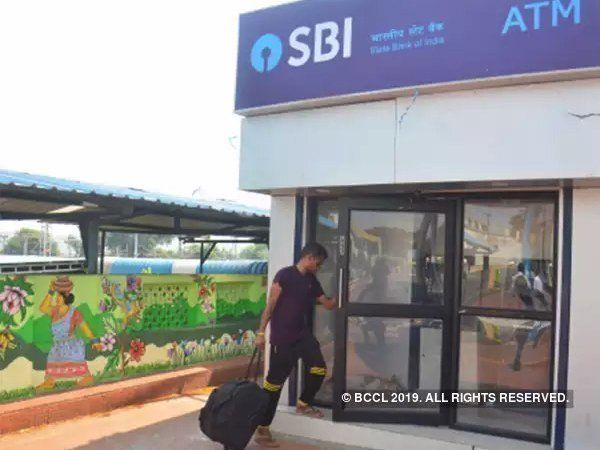
    • Cash ATMs
    • Vegetable vendors
    • Postal services
    • Here’s what is allowed

      • Takeaways, home delivery at restaurants
      • Public transport for essential services
      • Public movement only with valid reasons
      • Home delivery of newspapers and magazines
    • Here’s what is closed

      • Cinema halls
      • Auditoriums
      • Water parks
      • Clubs, gyms
      • Swimming pools
      • Film shooting
      • Shopping malls
      • Beaches, gardens
      • Religious places
      • Barber shops, spa
      • Schools, colleges

COVID-19: Chorus grows louder for cancellation of class 10, 12 board exams; no decision by CBSE yet

KEY STORY

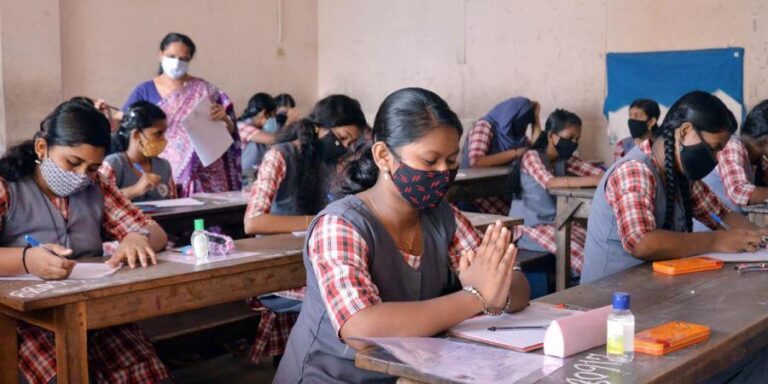
  • The chorus for cancellation of upcoming board exams for class 10 and 12 grew louder on Tuesday in wake of the exponential rise in COVID-19 cases even as the Central Board of Secondary Education (CBSE) said it has not taken any decision yet in this regard.
  • Delhi Chief Minister Arvind Kejriwal and his deputy Manish Sisodia appealed to the Centre to cancel the exams saying the examination centres can become super spreaders and alternative methods for assessment need to be explored.
  • CBSE officials denied any change in plan “yet” and reiterated that the arrangements are being made to ensure social distancing by increasing examination centres by over 50 per cent. The exams are scheduled to begin from May 4.
  • “The exams cannot be cancelled, these are subjective exams which are crucial in nature and cannot be conducted online. The board is taking all necessary measures as per COVID-19 guidelines.
  • The exam centres have been increased and all COVID protocols will be followed strictly,” said a senior board official.
  • While sources indicated that the board may consider postponing the exams if the situation worsens, the official, maintained, “there has been no decision yet”.
  • The board had earlier this month announced that if students fail to appear for ongoing practical exams after they or any family member testing positive, the schools will conduct re-tests for them at an appropriate time.
  • The CBSE official also did not comment on whether the same relaxation will be given to students in theory exams as well.
  • Earlier in the day, Kejriwal said that conducting the exam can contribute to large scale spread of the virus.
  • “Six lakh children in Delhi are going to write CBSE exams. Nearly one lakh teachers will be a part of it. These (the centres) can become major hotspots leading to large-scale spreading of corona. Children’s lives and health are very important to us. I request the Centre to cancel the CBSE exams,” he said at a press conference.
  • “Several countries have done it, some states in India are doing it too. Some alternative methods could be thought of. Children can be promoted this time on the basis of either an online method or internal assessment. But the exams should be cancelled,” he added.
  • Sisodia, who is also Delhi’s Education Minister, took to Twitter saying, “It is time that board exams be cancelled in view of increasing cases of coronavirus across the country.
  • When whole year teaching learning did not happen the old way, then why we are adamant on conducting the exams the old way?” “If exams will not be cancelled then examination centres will turn into super spreaders,” he added.
  • Last week, Congress leaders Rahul Gandhi and Priyanka Gandhi had urged Union Education Minister Ramesh Pokhriyal to intervene and direct CBSE to reconsider its decision to go ahead with the board examinations in May despite the “massive and uncontrolled” rise in COVID-19 cases.
  • The Shiv Sena had also written to the education ministry, requesting the government to develop a national consensus and possibly reschedule Class 10 and 12 CBSE and other board exams.
  • Over 2 lakh students have signed an online petition demanding cancellation of board exams and the hasthtag “cancelboardexams” has also been trending on Twitter since a week.

CONCLUSION

  • States including Maharashtra, Uttar Pradesh, Chhattisgarh and Punjab have already announced changes in plans for board exams.
  • Schools across the country were closed in March last year to contain the spread of COVID-19 ahead of a nationwide lockdown.
  • Several states started reopening the schools partially from October last year, but physical classes are again being suspended in view of the exponential rise in coronavirus cases. Last year, the board exams had to be postponed mid-way in March.
  • They were later cancelled and the results were announced on the basis of an alternative assessment scheme.
  • India registered a record single-day spike of over 1.61 lakh new COVID-19 cases and 879 new fatalities due to the virus, according to Health Ministry data.

Karnataka issues guidelines for Ramzan: Mosques in containment zones to remain shut, bar on children under 10

KEY STORY

  • The government of Karnataka has issued guidelines for the observance of rituals in mosques in the month of Ramzan in view of COVID-19 pandemic. Masjids in containment zones will remain closed till the zone is denotified and large gathering continue to remain prohibited.
  • The guidelines prohibit senior citizens, pregnant women, children under the age of 10 and those with comorbid conditions from entering the mosques. Wearing face masks is mandatory.
  • The restrictions come in the wake of a steep increase in the number of COVID-19 cases daily.

The following guidelines have been issued for strict compliance as per the Karnataka government order:
  1. Large gatherings/congregation continues to remain prohibited. Individuals must maintain a minimum distance of 2 meters (6 feet) at all times.
  2. Specific markings on the floor (square/circle) shall be made to manage the queue and ensure physical distancing of 2 metres (6 feet) in the premises.
  3. Use of face masks shall be mandatory.
  4. Entry of visitors shall be staggered to avoid crowding.
  5. Cough etiquette to be strictly followed. This involves strict practice of covering one’s mouth and nose while coughing/sneezing with a tissue/handkerchief/flexed elbow and disposing of used tissues properly in closed bins.
  6. A trained volunteer shall perform thermal scanning at entry. Persons having a temperature of 237.50 C or 299.50 F or symptoms of cough, cold, throat pain and difficulty in breathing shall not be allowed inside and referred to seek medical consultation.
  7. Posters/standees on preventive measures about COVID-19 shall be displayed prominently.
  8. Audio and video clips to spread awareness on preventive measures for COVID-19 shall be regularly played.
  9. Provision shall be made for hand washing with liquid soap and water or hand sanitisers shall be made available at entrance and appropriate places.
  10. Preferably separate entry and exits for visitors shall be organised.
  11. Proper crowd management in the parking lots and outside the premises shall be duly followed to maintain physical distancing.
  12. Any shops, stalls, cafeteria etc. outside and within the premises shall follow physical distancing norms at all times. Hand sanitisers shall be made available.
  13. Arrangement to be made in such a way that adequate physical distancing of 2 metres (6 feet) is maintained.
  14. Avoid physical contact white greeting each other.
  15. Common prayer mats shall be avoided and devotees shall bring their own prayer mat or piece of cloth which they shall take back with them.
  16. During iftar, the musallies shall be advised to break their fast in their homes and come to masjid only for prayers, do not bring any food items inside the masjid for any
  17. Taraweeh namaz shall be performed by taking all the precautions mentioned and if possible two/three jamat can be made.
  18. Good sanitation shall be maintained within the premises including hand & foot washing stations/areas and toilets.
  19. Frequent cleaning and disinfection of all the areas shall be done by the management.
  20. Proper disposal of face covers / masks / gloves left over by musallies and/or employees shall be ensured.
  21. Spitting & nose blowing shall be strictly prohibited.
  22. Installation & use of Aarogya Setu App shall be advised to all.
  23. In case Of a suspect or confirmed case in the premises:
  • Place the ill person in a room or area Where they are isolated from others.
  • Provide a mask/face cover till such time he/she is examined by a doctor.
  • Immediately inform the nearest medical facility (hospital/clinic).
  • A risk assessment shall be undertaken by the district health authority and accordingly further action is initiated regarding the management of case, his/her contacts and need for disinfection.
  • Disinfection of the premises to be taken up if the person is found positive.
The specific guidelines in this order are required to be followed strictly in masjids in order to save the lives of citizens and to arrest the spread of coronavirus to fellow citizens, the order stated.

Karnataka: Can’t conduct online exams for higher classes, says deputy CM

KEY STORY

  • After students and parents raised the demand to conduct all exams online in view of the spiking Covid-19 cases, the Karnataka administration has stated that the current mechanism with the state cannot allow that for higher classes.
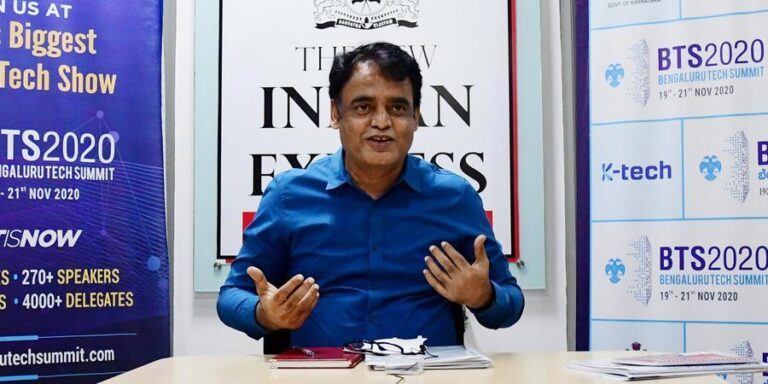
  • “It will not be possible to conduct the online exams in the present system. Examinations will be conducted only in offline mode though a few deemed universities may be able to conduct exams online,” said deputy Chief Minister Dr CN Ashwath Narayan on Monday.
  • “This will not be possible in the government set-up,” said the minister, who also hold the higher education portfolio.
  • The timetable for degree, post-graduation, diploma, and engineering examinations has been affected a bit due to the ongoing bus strike, the minister said, adding that the exams would resume immediately after the strike ends.
  • “Physical classes would be started once the pandemic is brought under control, and the students can attend physically or through online mode,” he said.
  • The minister had earlier said that the state would not hold back any examination or stop academic activities due to Covid-19.
  • Meanwhile, the Karnataka government has imposed ‘corona curfew’ (night curfew) between 10 pm to 5 am in Bengaluru, Mysuru, Mangaluru, Kalaburagi, Bidar, Tumkuru, Udupi and Manipal till 20 April in view of the surge in coronavirus cases.

CONCLUSION

  • The Karnataka Chief Minister on Monday said if the number of positive cases does not come down soon, a night curfew will be imposed in other districts in the state where it has not yet been imposed.
  • Karnataka reported 9,579 new Covid-19 cases, 2,767 discharges, and 52 deaths on Monday. With this, the coronavirus tally reached 10,74,869 in the state. Currently, there are 75,985 active cases in the state.

“No Salaries For Those Absent”: Karnataka Chief Minister On Bus Employees’ Strike

KEY STORY

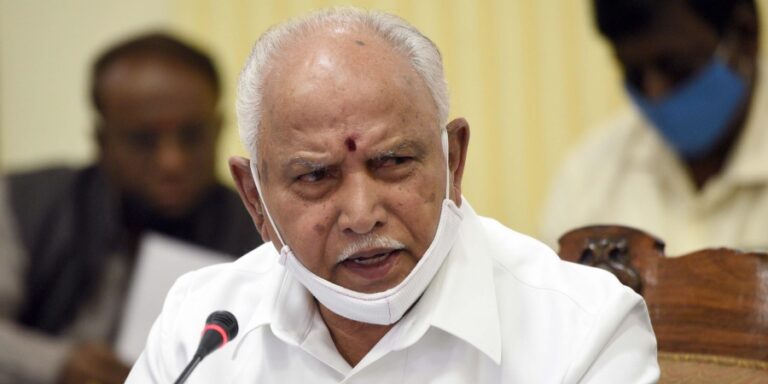
  • In a stern message to the striking employees of road transport corporations, Karnataka Chief Minister BS Yediyurappa today said the state government was not ready to accept any of their conditions and warned of strict action against them.
  • Speaking to reporters in Karnataka’s Bidar, the Chief Minister said, “Don’t ask me about the transport employees’ strike. We will not accept any of their conditions under any circumstances.”
  • Noting that his government has already fulfilled eight of their demands, Mr Yediyurappa said the adamant posture of the employees is causing trouble to the people of the state.
  • “The employees have to give up their obdurate stand. We will not give salaries to those who remained absent from their job. We will take more stringent action,” the Chief Minister said.
  • The strike by the Karnataka RTC workers on wage related issues entered the 7th day today even as the transport corporations struggled hard to operate buses.

CONCLUSION

  • According to a Karnataka State Road Transport Corporation official, 2,299 buses including 262 Bangalore Metropolitan Transport Corporation buses were operated in the state on Tuesday.
    The official said 54 buses were damaged allegedly by the employees.
  • So far 72 police cases or FIRs have been registered in connection with the damage to 36 buses by 10 am today. As many as 115 employees were involved in vandalism of which 19 have been arrested, he said in a statement.

Privacy policy: Delhi HC reserves order on WhatsApp plea challenging CCI order

KEY STORY

  • The Delhi High Court on Tuesday reserved the order on Facebook and WhatsApp pleas challenging the Competition Commission of India (CCI) order for an investigation into the messaging app’s new privacy policy.
  • A single-judge bench of Justice Navin Chawla reserved the order after the counsel of all sides concluded their arguments.
  • The court was hearing two petitions challenging the March 24 order passed by CCI directing a probe into the new privacy policy and that the probe should be completed within 60 days.
  • Facebook and WhatsApp, said that since the issue of WhatsApp’s privacy policy is being heard by the Supreme Court, therefore there was no requirement of CCI to order the probe.
  • Appearing for one of the petitioners, Senior Advocate Harish Salve told the court that the matter is pending before the Supreme Court and this is a headline-grabbing endeavour by CCI.
  • Representing Facebook, Senior Advocate Mukul Rohatgi said that CCI proceedings must be kept in abeyance.
  • The counsel apprised the court that when Facebook bought the messaging app, WhatsApp started a Policy in 2016 and it was challenged in the Supreme Court and the Centre had submitted to have a proper framework on this.Senior Advocate Salve said that this is not a competition issue.
  • Recently, WhatsApp came up with an update, which does not change the privacy policy but had given an opt-out to its pre-2016 customers, the counsel said adding that that privacy is a constitutional concept and not for the CCI to decide.
  • The counsel also added that user conversation is protected by end to end encryption. He also apprised the court that applications on the 2021 policy are also pending before the court. “Respect for privacy is coded in our DNA since we started WhatsApp,” the lawyer for Whatsapp said, adding that it does not retain messages and are deleted from the servers after it is delivered.
  • Senior Advocate Mukul Rohatgi, who was appearing for Facebook, told the court that Facebook is not following WhatsApp’s policy. He also said that matter is being heard by the Supreme Court.

CONCLUSION

  • Additional Solicitor General Aman Lekhi, representing CCI in the matter, told the court that the matter is not of privacy but of access to data and the Competition is going to deal with metadata.
  • ASG Lekhi responded that data can have a privacy or competition dimension. He also said that the issue is completely competition based as understanding consumer behaviour and preferences facilitate targeted advertising.

WhatsApp could soon let group participants enable disappearing messages in chats

KEY STORY

  • WhatsApp could soon roll out disappearing messages for group participants. Previously the feature was limited to group admins, and for one on one chats. Until now, group participants had no control over disappearing messages.
  • WhatsApp is currently testing the feature for group members to enable or disable disappearing messages in the latest beta on Android version 2.21.8.7. With the feature enabled, group participants will be able to activate disappearing messages. Once a group participant enables the feature, his or her messages will disappear within 7 days.
  • The feature may not be available to all users as WhatsApp is slowly rolling out the feature, WaBetaInfo reported. Meanwhile, WhatsApp is also testing the possibility for messages to be automatically deleted after 24 hours.
  • WhatsApp first rolled out disappearing in November last year. As of now, disappearing messages are visible to the users for the first seven days since the time they are sent. However, WhatsApp warns users opting this feature, and advises users to share it with only trusted contacts as these messages can be accessed beyond seven days by taking a screenshot, and other methods by recording it from other phones.
  • Further, if a disappearing message is forwarded to a chat with disappearing messages off, the message will not disappear in the forwarded chat.
  • Individuals can turn on disappearing messages by going to the info of the contact with who users want to enable the setting then tap on Disappearing messages > Select On.
    You can turn disappearing messages on in the group chat if you are the admin.
  • — Open the WhatsApp group chat.
    — Tap the group name.
    — Tap Disappearing messages.
    — If prompted, tap on continue.
    — Select On.
  • Group messages can be disabled anytime by a group admin by selecting off instead of on. It should also be noted that if a user creates a backup before a message disappears, the disappearing message will be included in the backup. However, when a user restores his messages, the deleted messages are not restored.
  • WhatsApp is also testing a chat history migration feature that would let users transfer their chat history from Android to iOS and vice versa. The potential feature would eliminate the need to use third-party apps like WhatsApp Plus and more that violate the terms of service.

Milk as everyday medicine: Turmeric milk for immunity, milk for bone calcium, constipation cure

KEY STORY

  • Long ago, milk came either from the local dairy farms that catered to nearby households or government dairies that supplied milk in glass bottles. Then came the era of cooperative milk dairy farming and milk in pouches.
  • “Operation Flood” was a government campaign to take the white nectar to every household with the drop logo of NDDB (National Dairy Development Board) signifying quality.
  • There was a TV jingle in the 1990s that went like this: “Doodh, doodh doodh doodh; doodh hai wonderful, pi sakte hain roz glassful; Doodh doodh doodh doodh!” and soon it was being hummed by one and all. It took the message of milk being a healthful drink to every home.
  • Now we all take milk for granted. But milk (cow’s milk, buffalo milk) has been at the heart centre of our culture for ages. Hundreds of Pauranic stories about Gau Mata Kamdhenu abound and we also see how milk was woven into religious ceremonies too.
  • Now, as the COVID-19 pandemic has brought the focus back on our innate immunity and measures that help longevity and weight loss, the magical desi drink – milk – is into the spotlight again.
    The  goodness of milk has been to our rescue in our everyday healing
    Here’s how the goodness of milk has been to our rescue in our everyday healing and health regimens:
    1. Turmeric Milk: Fashionably branded as “turmeric latte” at niche cafes or Golden milk — also known as Haldi Doodh — is a drink not new to India but one that has been gaining popularity in Western cultures. This bright yellow beverage is traditionally made by warming up cow milk or buffalo milk with turmeric and other spices, such as cinnamon, ginger, and some kind of sweetener. Some recipes also include black pepper, nutmeg, or other spices and sweeteners. Turmeric milk is a rich source of protein, antioxidants, curcumin, magnesium, calcium, and potassium (protects against strokes).  This Haldi Doodh helps us fight the common cold, general inflammation inside the body due to infections, falls, and/or injuries, and against an upset stomach. In Indian households, mums will often hand you a glassful of turmeric milk when you have a sore throat, cough, cold, or flu.
    2. Milk for bone and teeth building: The calcium content in milk plays a key role in bone health and fortifying your dental pearls. Calcium also helps maintain heart rhythm, muscle function, and more. The Harvard TH Chan School of Medicine, however, warns that while calcium and dairy can lower the risk of osteoporosis and colon cancer, high intake can increase the risk of prostate cancer and possibly ovarian cancer. It suggests that one must limit milk and dairy foods to no more than one to two servings per day and instead also add non-dairy foods such as leafy green vegetables and broccoli, both of which are also great sources of vitamin K, another key nutrient for bone health. Beans and tofu can also supply calcium.
    3. Milk to cure constipation: Dr Vasant Lad mentions in his book “The Complete Book of Ayurvedic Home Remedies” writes:  “Constipation is a vata condition that expresses vata qualities like dryness and hardness. It is caused by insufficient fibre in the diet, inadequate water intake and lack of exercise… Taking 1 or 2 teaspoonfuls of ghee in a cup of hot milk at bedtime is an effective but gentle means of relieving constipation. This is especially good for vata and pitta constitutions, but it may be too kapha-increasing for kapha types to use regularly.”
    4. Milk as medicine for good sleep: If consumed at night, a glass of warm milk could promote good sleep as well. Certain compounds in milk — specifically tryptophan and melatonin — may help you fall asleep. Tryptophan is an amino acid found in a variety of protein-containing foods. It plays an important role in the production of the neurotransmitter known as serotonin (the feel-good hormone). Melatonin is not produced by the body in the daytime due to its association with the circadian cycle and is also thought of by many as a sleep hormone, either directly having a sleep-inducing effect or as a time cue marker, starting off the normal physiological processes that lead to sleep.
    5. Milk for weight loss: Milk is high in protein content and that is why milk may also facilitate your weight loss and muscle-building goals. Proteins are the building blocks for all processes in the human body, especially vital to building muscles. The protein in milk can keep you feeling satiated and curb hunger pangs while still providing nutrition.
    Except for iron, milk has all major nutrients required to sustain a healthy lifestyle, which is why it is also considered a complete food. It is dense with nutrients like protein, vitamin A, B1, B2, B12 (that aid longevity), D, calcium, potassium and magnesium. So we have given you all the reasons to continue India’s desi obsession with milk to fulfil your health goals.
    But if you are lactose intolerant or have any known/unknown allergy to milk, please do none of the above without consulting your doctor. Consult your doctor before adopting any of the above home remedies.
    Disclaimer: Tips and suggestions mentioned in the article are for general information purposes only and should not be construed as professional medical advice. Always consult your doctor or a professional healthcare provider if you have any specific questions about any medical matter.

Asia Cup postponed once again, to be held in 2022 due to Covid-19 pandemic: Report

KEY STORY

  • The Covid-19 pandemic has had a huge impact on sporting schedules all over the world. Several events were cancelled, a number of others were postponed.
  • Even those that have been taking place, happen in bio-secure bubbles because of the threat of the virus. The Asia Cup 2020 was also one of the events to have been postponed to 2021 after the virus outbreak last year. It has now been learned that the tournament has been postponed again because of the virus.
  • The Pakistan Cricket Board (PCB) released a statement on Sunday suggesting that the Asia Cup has now been postponed to 2022. The PCB holds the rights to organise the tournament and has been mulling Pakistan and UAE as the two venues for the event.
  • The PCB then offered Sri Lanka Cricket (SLC) the option to swap hosting rights for the tournament. The proposal was accepted and the Asia Cup this year was now supposed to be played in the Island country.
  • With the world still grappling with Covid-19, the decision to postpone the Asia Cup was taken.
  • “PCB Chairman Ehsan Mani briefed the BoG on matters relating to the International Cricket Council as well as this year’s ICC T20 World Cup and the ACC Asia Cup, which has now been postponed to 2022,” a statement from the PCB said.

CONCLUSION

  • The absence of Asia Cup means that fans will possibly only get to see an India vs Pakistan event in the ICC T20 World Cup this year. Because of the poor political relations between the two countries, bilateral cricket series between the two countries have been absent from the calendars.
  • It was the Indian cricket team that had won the tournament last time. The Asia Cup was last held in 2018 in UAE where Rohit Sharma had led the Men in Blue while regular skipper Virat Kohli had taken a break. India is also the team with the most number of Asia Cup victories (7) in the tournament’s history.

RTGS for high-value transactions to remain unavailable for 14 hours on April 18

KEY STORY

  •  Real Time Gross Settlement (RTGS) for high-value transactions will remain unavailable for 14 hours from midnight of Saturday (April 18) due to a technical upgrade to further improve the disaster recovery time of the system, informed Reserve Bank of India on Monday.
  • The central bank in a notice stated, “A technical upgrade of RTGS, targeted to enhance the resilience and to further improve the Disaster Recovery Time of the RTGS system, is scheduled after the close of business of April 17, 2021.
  • Accordingly, RTGS service will not be available from 00:00 hrs to 14.00 hrs on Sunday, April 18, 2021. The NEFT system will continue to be operational as usual during this period.”
  • “Member banks may inform their customers to plan their payment operations accordingly. RTGS Members will continue to receive event update(s) through system broadcasts,” it further added.
  • The National Electronic Funds Transfer (NEFT) system will continue to be operational as usual during this period, RBI said.
  • Last week, the central bank extended the NEFT and RTGS facilities to non-bank payment system operators. Till now, only banks were allowed to use RTGS and NEFT payments facilities.
  • Now, Prepaid Payment Instrument (PPI) issuers, card networks, White label ATM operators and Trade Receivables Discounting System (TReDS) platforms can use NEFT and RTGS modes.
  • The aim is to encourage participation of non-banks across payment systems, RBI said. “This facility is expected to minimise settlement risk in the financial system and enhance the reach of digital financial services to all user segments.
  • These entities will, however, not be eligible for any liquidity facility from the Reserve Bank to facilitate settlement of their transactions in these CPSs. Necessary instructions will be issued separately,” a statement by banking regulator mentioned.

CONCLUSION

  • Note that The Real-Time Gross Settlement (RTGS) system for real-time settlement of high-value transactions of Rs 2 lakh and above, became available round the clock from 00:30 hours on December 14, 2020.
  • India is one of the very few countries where the payment settlement system is available at all times of day and night.
  • Earlier, the large-value RTGS system was available for customers from 7.00 am to 6.00 pm on all working days of the week except on second and fourth Saturdays of the month.

UP: Bride runs away with Rs 1 lakh cash, jewellery during pheras; victim approaches cops claiming cheating

KEY STORY

  • The bride, guardians and even the priest all turned out to be fake during a wedding ceremony in the Meerut district of Uttar Pradesh.
  • A man has filed a complaint claiming he was cheated of Rs 1 lakh and other jewellery by a group of people.
  • The bride ran away in the middle of the fourth ‘phera’ during a wedding ceremony that was organised in a temple, according to a report in Hindi daily Hindustan.
  • The incident took place in Bhoor Baral village of the Partapur area of Meerut. A man identified as Devendra, a resident of Mohammadpur Gumi in Muzaffarnagar, said one of his friends Pradeep told him that a family is looking for a groom for their daughter. Pradeep also forwarded the picture of the girl to Devendra.
  • Devendra agreed to the proposal. The wedding was fixed in Partapur on Sunday. Devendra reached Bhoor Baral with Rs 1 lakh cash and jewellery. The wedding was to be solemnised at a temple.
  • There were three persons from the bride’s side. As the wedding rituals started at a Shiv temple in Mohiuddinpur, the ‘bride’ disappeared during the four phera on the pretext of going to the toilet.

CONCLUSION

  • Later, a woman, who claimed to be the aunt of the bride, also got up and ran away on teh pretext of finding her.
  • During the commotion, other ‘guests’ from the bride’s side also fled. Finding no one on the spot, Devendra realised that he was cheated and gave a complaint at Partapur police station.
  • Partapur Inspector Nazeer Khan said they are probing the matter based on the information given by the victim.

More COVID-19 vaccines coming! Centre fast-tracks emergency use approvals for foreign-produced jabs

KEY STORY

  • In a significant development, the Central government on Tuesday announced that it is fast-tracking emergency approvals for foreign-produced COVID-19 vaccines as coronavirus cases continue to surge at an unprecedented rate in the country, as part of the second wave of the pandemic.
  • The Government of India said in a statement that emergency approvals are being put on fast-track mode for vaccine candidates that have already been granted Emergency Use Authorization (EUA) in other countries.
  • This is being done to have more vaccines for domestic use so that the pace and coverage of COVID-19 vaccination can be speeded up.
  • The announcement came less than a day after India approved Russia’s Sputnik V COVID-19 vaccine for emergency use in the country. The approval was granted by India’s Drugs Controller General of India (DCGI).
  • Sputnik V is the third COVID-19 vaccine to have been approved by India for domestic use. Earlier, Covaxin – developed by Bharat Biotech International Limited (BBIL) – and Covishield – Oxford-AstraZeneca vaccine produced in India by the Serum Institute of India (SII) – were granted Emergency Use Authorization (EUA) by the Drugs Controller General of India.
  • “The matter of augmenting the Basket of Vaccines available for fighting the pandemic as well as to accelerate the pace & coverage of domestic vaccination programme was discussed in the 23rd meeting of the National Expert Group on Vaccine Administration for COVID-19 (NEGVAC) held on 11th April 2021, chaired by Dr V K Paul, Member (Health), Niti Aayog.
    CONCLUSION
    “The NEGVAC, after comprehensive deliberation, recommended that vaccines for COVID-19, which have been developed & are being manufactured in foreign countries and which have been granted emergency approval for restricted use by USFDA, EMA, UK MHRA, PMDA Japan or which are listed in WHO(Emergency Use Listing) may be granted emergency use approval in India, mandating the requirement of post-approval parallel bridging clinical trial in place of conduct of local clinical trial as per the provisions prescribed under Second Schedule of the New Drugs & Clinical Trials Rules 2019.,” the Centre said in a press release.


  • The Centre has already given its nod to the recommendation made by NEGVAC. However, it should be noted here that the Centre has mandated that the first 100 beneficiaries of such foreign vaccines should be assessed for seven days for safety outcomes before the vaccines are rolled out as part of the national vaccination drive.

Deepika Padukone resigns as MAMI chairperson citing ‘current slate of work’

KEY STORY

  • Bollywood star Deepika Padukone on Monday announced her departure from Mumbai Academy of Moving Image (MAMI). She issued a statement on social media informing fans that she is no longer going to continue as the Chairperson of MAMI.
  • The ‘Padmaavat’ actor took to her Instagram handle and posted a story announcing the news.
  • She wrote, “Being on the board of MAMI and serving as Chairperson has been a deeply enriching experience. As an artist, it was invigorating to bring together cinema and talent from all over the world to Mumbai, my second home.”
  • Further, Deepika gave her reason for leaving the academy and wrote, “I have come to realise, however, that with my current slate of work, I will be unable to give MAMI the undivided focus and attention it requires.
  • I depart knowing that MAMI is in the best hands possible and that my bond and connection with the academy is one that will last a lifetime.”

CONCLUSION

  • MAMI is a public trust that annually organizes the international film festival in Mumbai, known as the Mumbai Film Festival. In 2019 Deepika had replaced filmmaker Kiran Rao as its chairperson.
  • Meanwhile, the 35-year-old actor has an impressive line-up of projects in the pipeline including ’83’, ‘Baiju Bawra’, ‘Fighter’, ‘Sanki’, ‘Pathan’, and Indian adaptation of Nancy Meyers’s 2015 hit Hollywood film ‘The Intern’.

Karnataka private hospitals told to reserve 50% beds for COVID-19 patients

KEY STORY

  • As covid 19 cases surge, the Karnataka government has asked private hospitals to reserve 50 per cent of the beds for the novel coronavirus patients as was done during the first wave, Health Minister Dr K Sudhakar said on Monday.
  • Speaking to reporters after a video conference with the Private Hospitals and Nursing Home Association (PHANA), Sudhakar said the private hospitals have been advised to vacate beds occupied by non-COVID patients who do not require hospitalisation and reserve the same for COVID-19 patients.
  • “The private hospitals have agreed to reserve 50 per cent beds for COVID-19 patients within a week.
  • Patients without symptoms and with mild symptoms will be isolated in hotels and COVID care centres. Only patients with severe conditions will be treated in hospitals,” the Minister said.
  • Regarding the shortage of Remdesivir, Sudhakar said drug companies have stopped its production.

CONCLUSION

  • “We need this drug. Private hospitals have complained of the medicine not being available in the market. We will discuss the issue with the drug controller and supply the medicine to private hospitals at government rates,” said Dr Sudhakar.
  • To a question on the availability of equipment, he said the government has taken measures to ensure sufficient quantities of ventilators and oxygen. If required, industrial oxygen would be used, he added.

Karnataka witnesses close to 20k new Covid cases in two days

KEY STORY

  •  In 48 hours, Karnataka has reported a record number of Covid cases in the second wave. The state reported 10,250 cases on Sunday and 9,579 on Monday, amounting to a total of 19,829 new patients within a span of two days.
  • The total number of cases is now 10,74,869. The positivity rate has been going up for the last four days, jumping from 4.69 per cent on April 11 to 4.71 per cent on April 12. The recovery rate has been consistently decreasing.
  • Though more people, that is 2,767, were discharged in the day, as compared to 2,638 discharges the day before, the recovery rate went below 92 per cent.
  • The total discharges now stand at 9,85,924. The death toll increased from 40 on Sunday to 52 on Monday, which is the highest so far in the second wave, bringing the mortality rate to 1.20 per cent. The total number of deaths stands at 12,941.

CONCLUSION

  • Active cases in the state crossed the 75,000 mark and now stand at 75,985 cases, experiencing a 9.76 per cent growth from the day before when the active cases stood at 69,225.
  • Bengaluru alone reported 6,367 new cases in the day, lower than the day before when 7,584 were reported. The city’s recovery rate is also falling drastically, and on Monday, it went below 88 per cent, now standing at 87.42 per cent. Active cases in the capital crossed the 56,000 mark and stood at 56,545 patients. Of these active cases, 470 are high risk and in the ICU.

No question of lockdown in Karnataka, practising COVID safety norms only way out: CM Yediyurappa

KEY STORY

  • Ruling out the possibility of a lockdown in Karnataka to contain the spread of coronavirus, Chief Minister B S Yediyurappa on Tuesday said he has convened an all-party meeting on April 18 to decide the future course of action.
  • “There is no question of lockdown,” Yediyurappa told reporters in Bidar.
  • The CM clarified that the Technical Advisory Committee (TAC) has not recommended any lockdown.
  • “I am in the TAC. No one has recommended a lockdown,” Yediyurappa said.
  • Besides former chief ministers Siddaramaiah and H D Kumaraswamy and Congress state chief D K Shivakumar, the members of Technical Advisory Committee members will attend the meeting on April 18.
  • Emphasising on public support to contain the spread of the pandemic, he said the night curfew from 10 pm to 5 am has already been imposed.

CONCLUSION

  • “People have to cooperate by wearing masks, maintaining hand hygiene, and physical distancing. There is no other way. With folded hands I want to ask the people to cooperate,” Yediyurappa said.
  • He also wished everyone peace and happiness on the occasion of Ugadi.
  • “May the difficulties in life go away from everyone’s life. May this coronavirus pandemic too go away,” Yediyurappa said in his Ugadi message.

Facebook leaked data shows it tracks users across internet, knows when you ordered pizza

KEY STORY

  • Hundreds of millions of Facebook users were recently the victims of a large-scale data breach. The attack exploited user data including phone numbers, email IDs, photos and more. A new Twitter thread now explains that there is much more data that Facebook collects from a user, which might now be out in the open for the data breach victims.
  • The information has been shared in a series of tweets by Twitter user Zamaan Qureshi. Qureshi decided to download his Facebook data after learning that he was a part of the data breach. It was then that some revelations around Facebook’s tracking activities were made.
  • While gathering his data from the social media website, Qureshi checked a folder titled “your_off_facebook_activity.” The Twitter user found that Facebook was in fact following much of his internet activities.
  • This included his online food orders, his applications to universities as well as his search queries.
  • Note that all these internet tasks were performed on websites other than Facebook. The tech major collects this information under the term “Off-Facebook Activity.” The umbrella term helps Facebook track the user’s activities on businesses and organisations other than Facebook.
    (Image: Zamaan Qureshi/ Twitter)


  • Screenshots shared by Qureshi in his tweets show that such activities by him have been traced by Facebook categorically. Facebook has collected data including the host website/ business’ name, the activity performed on it as well as the time at which it was done.
  • In the case of ordering a pizza, the screenshot shows the name of the business as Domino’s Pizza USA. In addition, the time at which the tasks were traced is mentioned against each of the activities, which have been categorised as per action – Purchase, Custom, Activate_App etc. Just visiting a website has been labeled as Page_View.
  • How to stop it?

    (Image: Zamaan Qureshi/ Twitter)
  • Towards the end of his Twitter thread, Qureshi says that he has disabled these tracking features since they came to his notice. In addition, the user cleared his browser history and now recommends all to do the same.
  • Those interested can manage the same through the Off-Facebook Activity tab under their Facebook settings. A Clear History option under the subhead should allow users to delete such data tracked by Facebook to date. As for the future, a toggle switch can be moved to Off under the Future Off-Facebook Activity setting.
  • The issue somehow does not stop here, as Qureshi warns that Facebook will still track you despite opting out of the practice.
  • A clause under the Off-Facebook Activity states that the social media service will still receive activities from the businesses and organisations visited by the user. However, this information will be disconnected from the user account.
  • Note that switching this feature off will prevent you from using your Facebook login for any other website or service on the Internet.
  • To be extra wary of this privacy invasion, the utmost step is to delete the Facebook group apps including Facebook and Instagram. In case that is not an option, users are advised not to browse at the same time when they are logged into it. It is recommended that they access Facebook through a different browser and never on a phone, especially Android.