Driving licenses, Vehicle Registrations and CFs validity extended: Everything you need to know

0

HIGHLIGHTS

  • he validity of expired documents had earlier been extended from June 30th to September 30th
  • Documents include permits, vehicle fitness and driving licenses
  • The move is aimed to help citizens, as well as the logistics industry

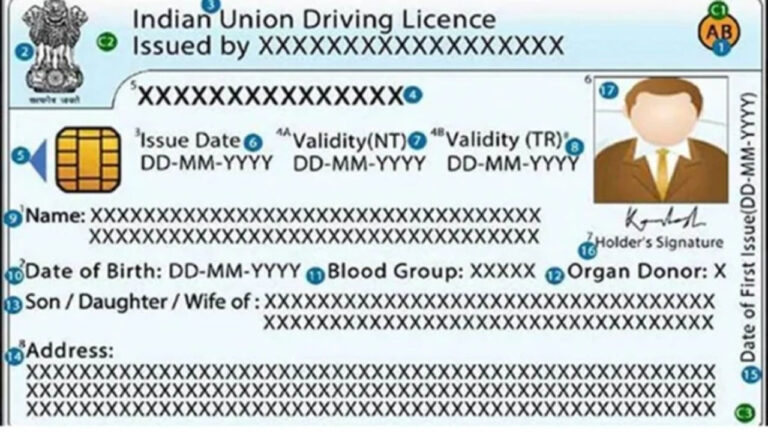
The Government of India has announced that they will extend the validity of expired motor vehicle documents that include driving licenses, vehicle registration, permits among others, once again until December 31, 2020. This applies to any document listed above that has expired on February 1 until the deadline, have been granted a sight-unseen extension basis the ongoing COVID-19 pandemic.

Earlier this year, the Ministry of Road Transport and Highways(MoRTH) has asked state governments to extend the validity of vehicle and driving documents expiring between February 1 and June 30 to June 30, 2020, owing to the COVID-19 pandemic. As per the new order, the Ministry has now issued an advisory to further extend the validity until September 30, 2020. This was followed by a tweet by MoRTH chief Nitin Gadkari that stated: “Given the current circumstances to avoid hardships being faced by transporters and citizens, State Governments are further advised that these documents be considered valid till 30 September 2020 for enforcement purpose.”

As per the latest notification, documents under the Motor Vehicles Act, 1988 and the Central Motor Vehicle Rules, 1989, including driving licenses, vehicle registrations, permits and vehicle fitness certificates, that have expired between February 1 and June 30, 2020, will be automatically extended.

Russian COVID-19 vaccine needs to be assessed, says AIIMS Director

  • Russian COVID-19 vaccine needs to be assessed, says AIIMS Director
  • Russia is taking long strides in, what it claims to be, the world’s first officially-approved vaccine to prevent COVID-19.

    The promises made by the country on the basis of this shot are humongous, but experts remain skeptical over their fast-tracked approach, including Dr. Randeep Guleria, the Director of the All India Institute of Medical Sciences, New Delhi.

    Here’s what he said on the vaccine.


  • Requirement

    Safety, efficacy need to be checked

    Safety, efficacy need to be checked
  • Speaking to ANI, Dr. Guleria expressed wariness over the Russian vaccine, noting that they will have to examine the shot closely to make sure if it works, with complete safety.

    “We will have to see critically whether it is safe and effective,” he stated. “There should not be any side effects of the vaccine and it should provide good immunity and protection.”

  • Possibility

    If proven, vaccines could be available sooner

  • Dr. Guleria emphasized that if the safety and efficacy of the Russian shot are proven, the trials could be fast-tracked and India could have a vaccine sooner than currently expected.

    “India has the capacity for mass production of the vaccine,” but before that, these two elements – safety and efficacy – should be clear in the scientific world, he added.


  • Problem

    Only 2 months of testing, no data published by Russia

    Only 2 months of testing, no data published by Russia
  • Dr. Guleria’s remarks echo the concerns of several scientists who have been startled by Russia’s decision to officially approve the vaccine, now called Sputnik V, for civilian use.

    The shot has been clinically tested for less than two months – a process that typically takes several months – and there is no public peer-reviewed data on how effectively and safely it works.

  • Requirement

    Trial data necessary to answer many questions

  • Obviously, the data from human trials is necessary to answer critical efficacy questions like what a vaccine does (prevent the infection or sickness) and how long the immunity from it lasts.

    “I hope that the Russians have actually definitively proven that the vaccine is safe and effective. I seriously doubt that they’ve done that,” said Dr. Anthony Fauci, America’s top infectious diseases expert.

  • Plans

    Regardless, Russia is moving ahead with the vaccine

    Regardless, Russia is moving ahead with the vaccine
  • Even with all the concerns, Russia continues to proceed with the shot, which has been developed by Moscow-based Gamaleya Research Institute of Epidemiology and Microbiology.

    It is currently in the final phase of human trials, which will be continued in parallel with the manufacturing and voluntary inoculation of high-risk groups such as medical professionals, senior citizens.

    In October, they plan to begin mass-immunization drives.

  • Information

    Meanwhile, Putin’s daughter has also been inoculated

  • Meanwhile, when announcing the vaccine on August 11, Russian President Vladimir Putin claimed that the shot “forms a stable immunity,” has passed all necessary tests, and one of his two daughters has already been inoculated with it. She is feeling fine, he had said.


BJP Sarpanch Sajjad Ahmed Khandey shot dead by terrorists in Jammu and Kashmir

Some unidentified terrorists shot dead a BJP sarpanch outside his residence at Vessu in Kulgam district of Jammu and Kashmir on Thursday (August 6). The sarpanch has been identified as Sajjad Ahmed Khandey.

Some unidentified terrorists shot dead a BJP sarpanch outside his residence at Vessu in Kulgam district of Jammu and Kashmir on Thursday (August 6). The sarpanch has been identified as Sajjad Ahmed Khandey.

Khandey was rushed to hospital with bullet wounds where he succumbed to his injuries. No terror group has claimed responsibility for the attack so far. Khandey was staying in a secured migrant camp along with several sarpanchs. He left the camp on Wednesday morning to visit his home at Veesu when the terrorists fired upon him. It is learned that Khandey was just 20 meters away from his house when he was attacked.

This is the second attack of its kind in less than 48 hours as a BJP Panch Arif Ahmad was critically wounded after terrorists fired upon him at Akhran Qazigund on the evening of August 4. He is still under treatment in the hospital.

Ahmad was shifted to the emergency hospital at Qazigund with firearm injury in the neck. Top police official confirming the incident had said, “Terrorists fired on one Arif Ahmad at Akhran (sarpanch). He is being shifted to the emergency hospital at Qazigund. Firearm injury in the neck. Condition critical.”

Man killed by 3 PUBG players after he asked them not to make noise

0

Image Source : PUBG

Man killed by 3 PUBG players after he asked them not to make noise

Another incident of violence surrounding the game of PUBG has come to light with a man being killed by 3 PUBG players after an altercation. A man was killed here allegedly by three persons after he asked them not to make noise while playing PUBG.

Raj Kumar, Bikram Jeet and Rohit Kumar were playing the online game, when Daleep Raj objected and asked them not to make noise, they said.

Later, Daleep was allegedly attacked by the three men with a log of wood and he died on the spot, the officials said.

The incident took place in Badyal Qazian village of R S Pura tehsil in Jammu district and the three accused have been arrested, they said.

‘Nothing left’: People Describe Horror as Beirut Blast Kills 78, Tears Through Buildings as Far as 10 Km

At least 78 people were killed and more than 4,000 wounded, the health minister told Reuters, and the city’s residents rushed to hospitals to donate blood.

Sourcr: News18
When an explosion tore through the Lebanese capital on Tuesday afternoon, it wreaked havoc on nearly all of Beirut’s quarters.Buildings as far away as 10 kilometers from the site of the explosion were damaged. Shards of glass filled the thoroughfares, and street lights were extinguished by its force. The blast registered as a 3.3 magnitude earthquake, the U.S. Geological Survey said.

At least 78 people were killed and more than 4,000 wounded, the health minister told Reuters, and the city’s residents rushed to hospitals to donate blood.

“I was on the veranda when the entire neighborhood shook left and right,” Bane Fakih, a filmmaker who lives on the western tip of the city, told CNN. “It was very intense. I’ve never felt fear like this.”

Sirens screamed as ambulances rushed to collect the injured, many of whom were climbing out of the rubble of their homes.

The blast at Beirut’s port formed a mushroom cloud and could be heard in the city’s furthest outskirts. A giant red cloud hung over the capital as the city’s residents — around 4 million people — began to uncover the scale of the damage to their houses, sought treatment for their wounds, and frantically called their loved ones to see if they were safe.

“Beirut port is totally destroyed,” eyewitness Bachar Ghattas told CNN, describing the unfolding scene as something akin to “an apocalypse.”

“It is very, very frightening what is happening right now and people are freaking out,” he said. “The emergency services are overwhelmed.”

There were conflicting reports on what caused the explosion, which was initially blamed on a major fire at a warehouse for firecrackers near the port. The director of the general security directorate later said the blast was caused by confiscated “high explosive materials,” but did not provide further details.

CNN’s Ben Wedeman reported that authorities think a large amount of ammonium nitrate seized from a ship in 2013 or 2014 may have caused the blast.

The harrowing scenes come after nearly a year of economic and political turmoil that has plunged Lebanon into uncertainty and, according to many experts, brought it to the brink of collapse. Poverty soared to over 50% and scenes of people scavenging garbage dumps for basic necessities have become commonplace.

Young people who just months ago staged a popular uprising against the country’s political class, widely accused of corruption, desperately searched for a silver lining.

“I’ve never seen Beirut like this before. Beirut today looks like our hearts,” said activist Maya Ammar. “We have nothing left. Just when we thought it couldn’t get worse, it did.”

“My family and my loved ones are asking me to go back home because they don’t want me to breathe any toxins … but I can’t go back home. I have friends who have lost their homes,” she added. “Their homes were completely destroyed. I have to go and help them.”

Broadway Hospital in Bengaluru to treat COVID-19 patients soon

0

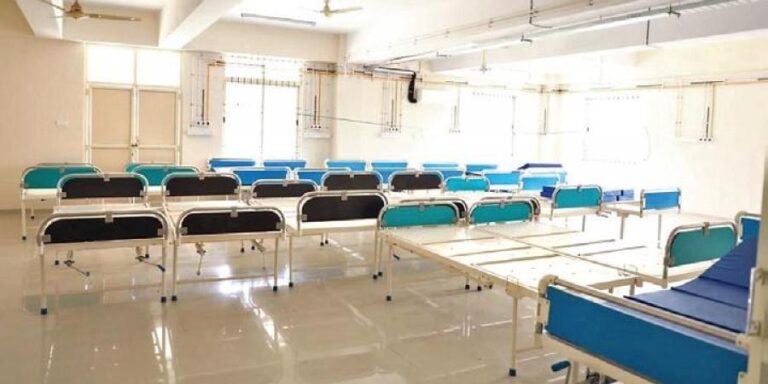
BENGALURU:  Four months after the announcement, Broadway Hospital in Shivajinagar is ready to be converted into a Covid facility. The hospital has necessary infrastructure now and will open in 12-15 days, said Medical Education Minister Dr K Sudhakar.

After visiting the hospital on Sunday, he told The New Indian Express, “The hospital will have 160 dedicated Covid beds with oxygen facilities and 30 beds for Intensive Care Unit with the ventilator support. Fifteen beds are for triage.” Infosys Foundation’s Sudha Murty had come forward to fund the equipment required for the hospital and Rs 10.25 crore has been spent on infrastructure and equipment.

The hospital requires doctors, 60 staff nurses and three nursing superintendents, six lab technicians, three radiology technicians, 60 Group D staff and 15 security guards. Dr Sudhakar said that the hospital will treat moderate to severe Covid patients and the required medical staff is being hired. “So far, we have got staff nurses, nursing superintendents, Group D staff, radiology technicians and security guards. But we don’t have the doctors.

Of the 66 doctors needed, six have joined. We need physicians, anaesthesiologist, critical care unit doctors, duty doctors and more. They will be hired on contract basis. We think that more doctors will come forward and we will have the required staff. If need be, we will ask doctors from private hospitals to join and we can start the Covid facility soon,” he said.

Broadway Hospital was earlier handed over to Bowring and Lady Curzon Hospital under the medical education department. The Bruhat Bengaluru Mahanagara Palike had constructed a new building for the hospital in 2018, but it was never used. “This super-speciality hospital has all the necessary infrastructure. It has two high-end operation theatres for neuro and cardiac surgeries. It also has a cath lab, which is only the second in the city after Jaydeva Cardiovascular Sciences.

It can be used after the pandemic is over. PG doctors and other students from Bowring Medical College can then join and work at Broadway Hospital,” Dr Sudhakar said. Dr Sudhkar tweeted, “On behalf of the government, I thank Sudharmurthy and Infosys foundation for providing necessary infrastructure to transform Broadway hospital into a well equipped hospital (sic).”

Govt issues fresh guidelines for international arrivals, makes 7-day paid institutional quarantine mandatory

Issuing fresh guidelines for international passengers arriving into India, the Ministry of Health and Family Welfare (MoHFW) Sunday made a seven-day institutional quarantine mandatory for travellers, followed by home isolation for another 7 days.

Exceptions will be given in a few cases — human distress, pregnancy, death in family, serious illness and parents accompanied by children below 10 years of age. They will be asked to self-isolate at home for 14 days. The new set of guidelines will come into place from August 8.

According to the new guidelines, travellers may also seek exemption from institutional quarantine by submitting a negative RTPCR test report on arrival. This test should have been conducted within 96 hrs prior to undertaking the journey.

However, states are allowed to develop their own protocol with regard to quarantine and isolation as per their assesment of passengers post arrival.

Besides, only asymptomatic passengers will be allowed to board the flight or ship after thermal screening. Passengers arriving through land borders will also have to undergo the same protocol, and only those who are asymptomatic will be enabled to cross the border into India. A list of dos and don’ts would also be provided along with the ticket by the agencies they were travelling with.

On Friday, Aviation regulator extended the suspension of scheduled international flights to and from the country till August 31. Earlier, DGCA had extended the ban on international flights until July 31 after it was suspended till July 15. According to senior government officials, the ban was extended because it was felt that it would take some more time for India to prepare before it can resume scheduled international operations.

However, restriction will not apply to international all-cargo operations and flights specifically approved by the DGCA including those under the Vande Bharat mission to bring home stranded Indians abroad.

Scientists figure out a weakness of coronavirus: Ordinary water

As the race for a potential Covid-19 vaccine continues in order to curb the spread of the novel coronavirus pandemic, scientists have managed to find out an important weakness of the virus, according to a report.

Researchers from Russia’s VECTOR State Research Center of Virology and Biotechnology in Novosibirsk, Siberia have figured out that ordinary water can help restrict the growth of the virus, according to Sputnik News report.

In their study, scientists discovered that about 90% of the virus’ particles die in room temperature water in the course of 24 hours, with 99.9% succumbing within 72 hours. Furthermore, scientists confirmed that boiling water containing Covid-19 kills it immediately and completely.

Significantly, researchers also found that although the virus does not multiply in dechlorinated and seawater, it can remain viable for some time, with its lifespan depending directly on the water’s temperature. Chlorinated water is also said to be highly effective at killing the virus, the report said.

The findings of the researchers were presented recently by Rospotrebnadzor, Russia’s consumer protection, and human wellbeing watchdog.

In the Covid-19 vaccine front, the country has been showing significant results in vaccine trials.

According to reports, Russian Health Minister Mikhail Murashko said Gamaleya Institute of Epidemiology and Microbiology, a state research facility in Moscow, had completed clinical trials of the Covid-19 vaccine and paperwork is being prepared to register it.

He also said that they are preparing a mass vaccination campaign against the novel coronavirus for October, said Reuters citing local news agencies’ reports. Murashko added that the authorities are considering getting doctors and teachers vaccinated against the virus first, according to a report.

A source told Reuters this week that Russia’s first potential Covid-19 vaccine would secure local regulatory approval in August and be administered to health workers soon thereafter.

Meanwhile, Russia registered 5,462 Covid-19 cases, bringing the cumulative total to 845,443, the country’s coronavirus response center said on Saturday.

The country reported 95 new deaths from the novel coronavirus on Saturday, pushing its national tally to 14,058.

With inputs from agencies

New Education Policy emphasises on making ‘job creators’ instead of ‘job seekers’, says PM Narendra Modi

0

PTI,

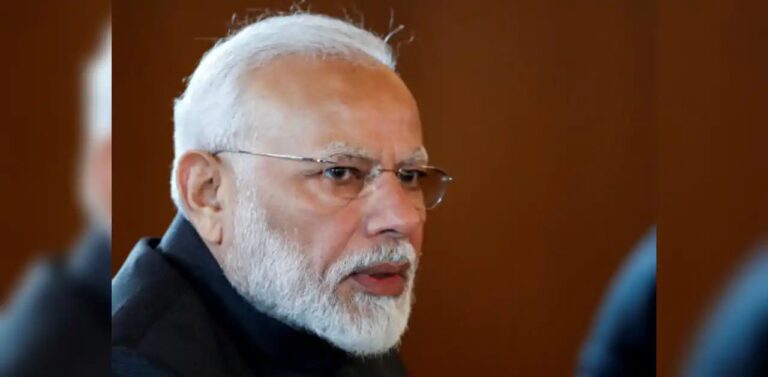
Prime Minister Narendra Modi on Saturday said the new education policy announced by the government emphasises on making ‘job creators’ instead of ‘job seekers’ and is an attempt to transform the ‘intent’ and ‘content’ of the country’s education system.

Addressing the finale of the Smart India Hackathon, he said the National Education Policy-2020 facilitates inter-disciplinary study which will ensure that the focus is on what the students want to learn and will mark a shift from the “burden of school bag” to the “boon of learning”.

The NEP is big on access to education and aims to increase gross enrolment ratio in higher education to 50 per cent by 2035, he said.

“India’s National Education Policy (NEP) reflects the spirit of new India. We are shifting from the burden of the school bag, which does not last beyond school, to the boon of learning which helps for life. From simply memorising to critical thinking. The 21st century is the era of knowledge, learning, and innovation. For years, the limitations of the system had an adverse effect on the lives of students. No longer.

“The new policy reflects the aspirations of young India. It is not process centric, it is people centric and future centric. The NEP is not just a policy but is a compilation of aspirations of all 130 crore Indians,” he told the students who participated in the event through video link.

The prime minister said that under the pressure of parents, relatives and friends, students tend to opt for subjects that others have selected.

“Even today many children feel that they are judged on the basis of a subject in which they have no interest. Due to the pressure from parents, relatives, friends etc children are forced to pursue the subjects chosen by others. This has resulted in a large population which is well-educated, but most of what they have read, is not useful for them.

“Despite having a pile of degrees, individuals feel incomplete and lack confidence which affects their whole life. The new policy seeks to change this approach by bringing a systematic reform in education system and attempts to transform both intent and content of education,” he said.

Elaborating on the emphasis in the new eduction policy on inter-disciplinary study, the Prime Minister said,”this concept has been gaining popularity. And, rightly so.”

“One size does not fit all. One subject does not define who you are. There are no limits to discovering something new. Human history has many examples of stalwarts who have excelled in diverse areas. Be it Aryabhata, Leonardo da Vinci, Helen Keller, Gurudev Tagore”.

“Now, we have done away with some traditional boundaries between arts, science, commerce. If someone is interested, they can learn Maths and Music together, or Coding and Chemistry together. This will ensure the focus is on what the student wants to learn. Rather than what the student is expected to, by society. Inter-disciplinary studies gives you control. In the process, it also makes you flexible.

“In the new policy, flexibility has been given great importance. There are provisions for multiple entry and exits. No one way streets for a student. The Under-Graduate experience can either be a three or four year journey.” he said.

Students will enjoy the advantages of an Academic Bank of Credit, which will store all the academic credits acquired. These can be transferred and counted in the final degree. Such flexibility was long needed in our education system, he said.

The prime minister said the new education policy will help Indian languages to progress and develop further.

“Students will benefit by learning in their own language in their early years. The new education policy will also introduce the rich Indian languages to the world. This will not only promote knowledge and learning in the country, but will also strengthen its unity.

“While the policy focuses on local, equal emphasis has been laid on global integration. Top global institutions have been encouraged to open campuses in India.

“This will benefit Indian youth in getting world class exposure and opportunities, and help them prepare for global competition as well. This will also help in building world-class institutions in India, making India a hub of global education,” he said.

The NEP approved by the Union Cabinet earlier this week replaces the 34-year-old National Policy on Education framed in 1986 and is aimed at paving the way for transformational reforms in school and higher education systems to make India a global knowledge superpower.

Quoting the architect of the Indian Constitution B R Ambedkar that education should be accessible to all, Modi said that the new education policy is also dedicated to this idea.

“It emphasizes on creating job creators rather than job seekers. That is, in a way an attempt to bring reform in our mindset and in our approach,” he said.

Hackathon is a non-stop digital product development competition organised by the HRD Ministry, where problems are posed to technology students to suggest innovative solutions. This year, more than 10,000 students are competing to solve 243 problem statements from 37 central government departments, 17 state governments and 20 industries.

Each problem statement carries a prize money of Rs 1 lakh except the student innovation theme which will have three winners, 1st, 2nd and 3rd, with prize money of Rs 1 lakh, Rs 75,000 and Rs 50,000 respectively.
Unlock 3.0: No Sunday lockdown and night curfew in Karnataka

0

Bengaluru, July 30: Announcing further easing of curbs, the Karnataka government said on Thursday there will be no lockdowns on Sundays in the State from August 2, as it issued Unlock 3.0 guidelines in line with the Centre’s norms.

In view of the rising coronavirus cases, the government had imposed total lockdown on Sundays starting from July 5.

Also restrictions on the movement of individuals during the night (night curfew from 9 pm-5 am) have been removed under unlock 3.0.

For the first time since the coronavirus lockdown came into force on March 25, the government has allowed the opening of yoga institutes and gymnasiums from August 5. The order said, Standard Operating Procedure (SOP) for this will be issued by the Ministry of Health & Family Welfare (MoHFW) and Department of Health and Family Welfare, Government of Karnataka.

The guidelines will come into force from August 1 and strict enforcement of lockdown in containment zones will continue till August 31.

Schools, colleges, educational and coaching institutions will remain closed till August 31.

However, online or distance learning shall continue to be permitted and shall be encouraged.

Among the prohibited activities are metro rail services, cinema halls, swimming pools, entertainment parks, theatres, bars, auditoriums, assembly halls and similar places. Also, social, political, sports, entertainment, academic, cultural, religious functions and other large congregations will also continue to be prohibited till August 31.

All activities, except these, shall be permitted outside the containment zones, the order said. Dates for the opening of these sectors will be decided separately, by the Government of India and necessary SOPs shall be issued by ministries concerned for ensuring social distancing and to contain the spread of COVID-19, it added.

Independence day functions at State, Districts, Sub-Divisions, Taluks, Municipal and Panchayat levels and ‘At Home’ functions, wherever held, will be allowed with social distancing and by following other health protocols such as wearing masks.

Unlock 3 Guidelines: What’s open, What’s not. See Full List

Unlock 3 Guidelines: The government on Wednesday issued detailed guidelines for Unlock 3 as part of the phased reopening of the lockdown in India in view of coronavirus pandemic. According to the new guidelines, night curfew restrictions across the country have been removed. Yoga institutes and gyms will be allowed to open from August 5, 2020. Check complete guidelines for Unlock 3.

UNLOCK 3 GUIDELINES: HIGHLIGHTS

  • Restrictions on movement of individuals during night (Night curfew) have been removed.
  • Yoga institutes and gymnasiums will be allowed to open from August 5, 2020. In this regard, Standard Operating Procedure (SOP) will be issued by the Ministry of Health & Family Welfare (MoHFW) for ensuring social distancing and to contain the spread of COVID-19.
  • Independence Day functions will be allowed with social distancing and by following other health protocols, e.g., wearing of masks etc. In this regard instructions issued by MHA on 21.07.2020 shall be followed.
  • After extensive consultation with States and UTs, it has been decided that schools, colleges and coaching institutions will remain closed till August 31, 2020.
  • International air travel of passengers has been permitted in a limited manner under the Vande Bharat mission.  Further opening-up will take place in a calibrated manner.
  • All activities, except the following, shall be permitted outside containment zones:

– ​Metro Rail.

– Cinema halls, swimming pools, entertainment parks, theatres, bars, auditoriums, assembly halls and similar places.

– Social/ political/ sports/ entertainment/ academic/ cultural/ religious functions and other large congregations.


Security tightened in Ambala as Rafale jets arrive today, ban on photos and videos

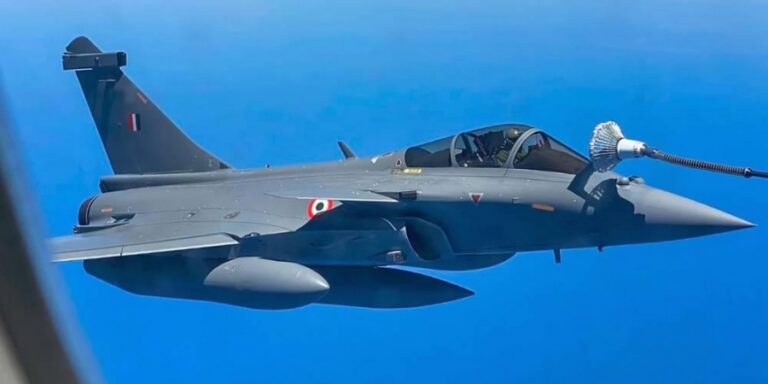
As the first batch of five Rafale aircraft is all set to arrive in Ambala on Wednesday from France to join the Indian Air Force (IAF) fleet, the Ambala Police have tightened the security and prohibited people from taking photos or videos of the jet planes. People have been asked not to go to their terraces for taking videos or photographs of the aircraft.

The violators will face an immediate arrest and an FIR against them, the police said. Section 144 of the Indian Penal Code, which prohibits congregation of four or more people in an area, has been imposed near the Ambala Air Force Station in Haryana and in adjoining areas like Dhulkot, Baldev Nagar, Garnala and Panjkhora.

The jets took off from France on Monday and will arrive at the Ambala Air Force station after covering a distance of 7,000 kilometres with air-to-air refuelling and a single stop in the United Arab Emirates. The fleet comprises three single-seater and two twin-seater aircraft, an IAF official said.

Air Force chief Air Chief Marshal RKS Bhadauria would be visiting Ambala to receive the Rafale combat aircraft. The planes are expected to take off from Al Dhafra in UAE at around 11 am IST and reach Ambala by 2 pm, news agency ANI reported citing sources.

A team of pilots led by Group Captain Harkirat Singh would meet the Air Chief and brief him about their flying and training in France after which the formal induction ceremony of the aircraft would take place.

The agreement for the biggest-ever defence deal by India was signed in 2016 for acquiring 36 Rafale jets for over Rs 60,000 crore.

(With inputs from agencies) 

Bengaluru: Woman commits suicide in apartment’s water tank; residents drink water for three days

0

Bengaluru: A woman committed suicide by drowning in a drinking water tank of an apartment in the Yelahanka suburb 4th Stage. The residents have been consuming the water for three days.

The deceased woman has been identified as Gouri Nagaraj, the police said.

Gouri lived in the apartment for several years but went missing on July 24. The worried family members had approached the Yelahanka Suburban police and checked with the relatives and friends if she was visiting them.

On Monday, Gouri’s body was apparently found in the tank where water was being collected for drinking and other use of the apartment residents. The police were informed of the matter.

The body was sent for a post mortem in a private hospital. A Covid-19 test was also conducted on the body.

More than 60 people live in the apartment, and they have been using the water in the tank for the last three days.

Death looks like an act of suicide on the outset, but the matter is being investigated, said a senior police officer.

Tamil actress Vijaya Lakshmi attempts suicide after sharing video on Facebook, admitted to a hospital

Image Source : FACEBOOK/VIJAYALAKSHMI

Tamil actress Vijaya Lakshmi attempts suicide after sharing video on Facebook, admitted to a hospital

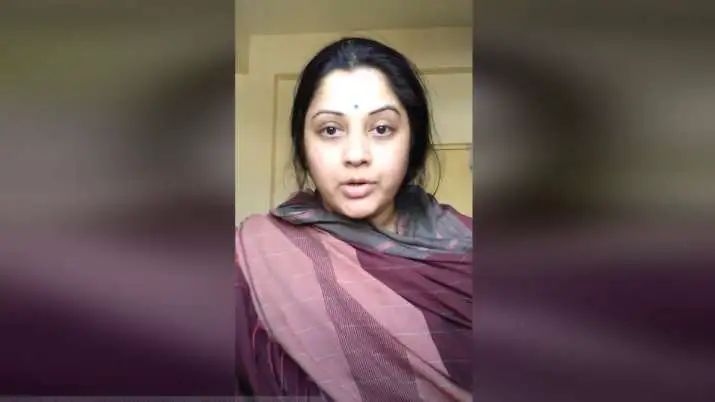
In a shocking turn of events, Tamil actress Vijaya Lakshmi who has been a part of films like Friends and Boss Engira Baskaran allegedly tried to commit suicide on Sunday. Not only this, she even shared a video on Facebook claiming social media abuse and bullying as the reason behind her extreme step. In the video that she uploaded on social media, Vijaya Lakshmi was seen talking about the torture she has been facing by followers of actor-turned-politician Seeman and Hari Nadar.

A report in TOI states that the actress has been ‘admitted to a private hospital in Chennai and is recovering.’ In the video she posted on Facebook, the actresses added that she consumed pills that would lead to reduced blood pressure resulting in death.

In the video, Vijaya Lakshmi said, “This is my last video and I have been in tremendous stress in the last four months because of Seeman and his partymen. I tried my level best to survive all these days because of my mother and sister, but I have been humiliated in the media by Harinadar recently. I have already taken a couple of my BP tablets, so in sometime I will suffer from low blood pressure and in a few hours I will be dead. I would like to tell the fans who are watching the video just because of I was born in Karnataka Seeman has tortured me a lot.”

She added, “As a woman I have put up with it to my highest capabilities, I won’t be able handle the pressure anymore. I am from the Pillai community, the same community LTTE leader Prabhakaran is part of. Prabhakaran is the only reason Seeman is who he is today, but now he has been harassing me on social media continuously. You slut shamed me to make me feel the pain and it is up to me to decide on what to do after facing such insults from you.

I request my fans to not let Seeman away from this case, he should never get an anticipatory bail. My death should be a big eye opener to everyone. I don’t want to be a slave to anybody.”

Vijayalakshmi made her Tamil debut opposite Suriya in the film Friends. After doing a few films she went into the Kannada film industry. She became ill and was even admitted in a hospital in Bengaluru. Not just this, she even approached a lot of stars and directors to help her financially. Actor Kicha Sudeep, came forward to help her. She has even claimed to have been sexually harassed by a Kannada actor.

Too much hand sanitiser can lead to severe hand dermatitis

New Delhi, July 25 Hand sanitisers have irrefutably become the most important thing in our lives to protect …

New Delhi, July 25 Hand sanitisers have irrefutably become the most important thing in our lives to protect ourselves during the ongoing Covid-19 pandemic; the other things include masks and social distancing. It has been a long time since hand sanitisers became mandatory; while they are effective in dealing with germs and bacteria, excessive usage can result in killing good bacteria as well.

Citing medical reports, alcohol-based sanitisers are considered effective in eliminating the spread of disease.

However, there have been claims that excessive usage of the same has led to severe skin problems like hand dermatitis. People have also encountered skin issues like severe dryness, burning, and redness of the skin along with cracked or bleeding skin. However, both alcohol-free and alcohol-based sanitisers are known to provide good results as long as one adds-on these habits to save your skin from a any negative effects.

Dr. B.L. Jangid, Dermatologists & Hair Transplant Surgeon, SkinQure Clinic, New Delhi, shares some pointers to be kept in mind while using hand sanitisers:

Limited usage is always the best option

Excess of everything and anything can be disastrous, so is the case of hand sanitizers. If used in a limited amount, it can be really fruitful in dealing with germs and bacteria. But if not, it can easily damage your skin, leading to the occurrence of hand dermatitis.

Unwanted chemical contamination in hand sanitisers

The presence of unwanted chemical contamination available in hand sanitizers can play a dreadful role if used excessively. The texture of skin depends from person to person, which is why the chemical ingredients present in hand sanitisers can accordingly be useful or even dreadful at times. This is why you need to take precautionary steps, avoiding to use excessive hand sanitizers.

Moisturising creams & healing ointment: Saviours from hand dermatitis

If in case you have using hand sanitisers for a long time now, your hands may start to show symptoms of hand dermatitis. Sometimes it’s best to quit using a sanitiser until it’s absolutely necessary. As a few home remedies, include using good moisturisers along with healing ointments. This could lead to blessing your skin with the right health and texture again. You can also opt for healing moisturisers containing aquaporin at night, wearing gloves overnight to heal the cracks on your skin.

In case you’re suffering from eczema or dry skin, use of a moisturiser is an essential post-hand sanitisation to avoid any sort of major skin-based problems like hand dermatitis. Additionally, the usage of moisturiser eliminates the chance of dry skin that if present can lead to issues like eczema, dermatitis, and even psoriasis.

Soap & Water: An evergreen combination

Reportedly, washing your hands with soap and water preferred to the use of hand sanitisers. This switch can also prove fruitful in preventing allergic reactions depending upon your skin types. Thus, try using hand sanitisers only when there are no other options. Otherwise, antiseptic soap can do the trick along with wet wipes in situations where there’s no running water and soap. Simpler options are known to provide the best result for all ages.

( With inputs from IANS )

Sushant Singh Rajput’s Dil Bechara becomes highest rated Indian film on IMDb

Image Source : TWITTER/@MOHANJAGALI

Sushant Singh Rajput’s Dil Bechara becomes highest rated Indian film on IMDb

Late Sushant Singh Rajput’s film Dil Bechara left everyone emotional when it premiered on Disney Plus Hotstar on Friday. Directed by Mukesh Chhabra and also starring Sanjana Sanghi, the film is an official Hindi adaptation of Hollywood film The Fault In Our Stars. Within minutes of the release, Dil Bechara witnessed viewers taking over the OTT platform to watch Sushant’s last film, due to which the site reportedly got crashed for some time. On the other hand, the film also broke the record as it’s IMDb rating climbed to 10 within half an hour of the release.

With over 21 thousand votes, the current IMDb rating of Dil Bechara stands at 9.8.

Dil Bechara shows Sushant Singh Rajput as Manny who is suffering from osteosarcoma while Sanjana Sanghi plays the role of Kizie Basu battling thyroid cancer. At present, the film is at the top position on IMDb in its ‘Top Rated Indian Movies’ list, defeating Kamal Haasan and R Madhavan’s 2003 Tamil film Anbe Sivam.

Fans were thrilled to know that Dil Bechara is the highest rated Indian film. Many called it a tribute to the late actor Sushant Singh Rajput. One Twitter user said, “That’s what we call a tribute to #SushantSinghRajpoot …His presence will be missed and remembered. …10/10 on #IMDb..Record breaking. …Never ever happened to any movie.” Another said, “I didn’t think I had the strength to watch the movie till the end. I hate watching a movie where there’s a sad ending, did it only for youHeart suit

This movie broke every record, YouTube trailer, IMDB 9.9 everything~ for you. But only one problem, you’re not here :’)”

Check out the reactions here-

Earlier, soon after the trailer of Dil Bechara rolled out, it smashed all records. It garnered 70 million views within a short period of time. Not only this it even surpassed the record of most popular superhero films Avengers: Endgame and Infinity War by receiving 4 million ‘likes’ in just eight hours. Later, it became the first film trailer on YouTube to get more than 10 million likes. If this was not enough, the trailer of Dil Bechara has also beaten the song Despacito’s record, by Luis Fonsi featuring Daddy Yankee, which has over 38 million likes.

Bengaluru: NSUI urges Governor to postpone KCET, protest outside Raj Bhavan

0
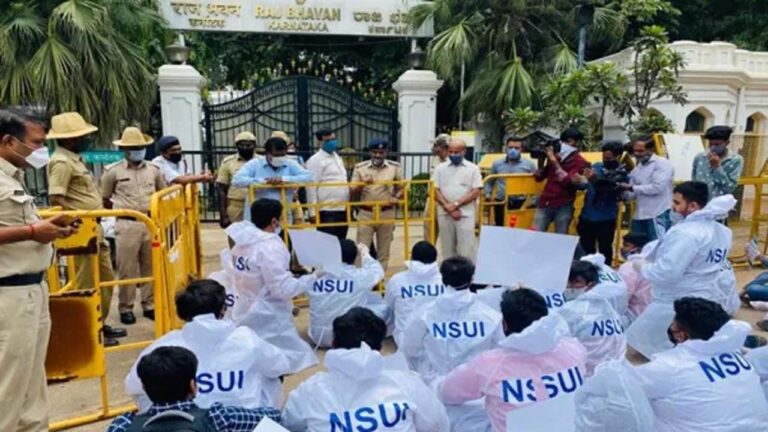
NSUI urges Karnataka Governor to postpone KCET

Members of the National Students Union of India (NSUI) Karnataka held a protest outside Raj Bhavan in Bengaluru urging Governor Vajubhai Vala to direct the government to postpone Karnataka Common Entrance Test (KCET) scheduled to be held on July 30, 31.

“The government’s decision to conduct the entrance exam despite widespread protests and knowing that the students’ lives are at danger due to the ongoing pandemic situation is condemned. This will lead to the students and their families experiencing greater anxiety and trauma in these times,” Manjunatha KS, State NSUI president said.

Railways to begin contactless ticketing via QR codes, airport-like check in at stations soon

Indian Railways will begin a contactless ticketing system with QR code enabled ticket scanning across its stations, along airport-like check in counters for passengers, according to officials aware of the development.

Passengers will get an SMS with a QR code and URL after booking their tickets online and at the railway station the TTE will scan the displayed QR code followed by which the details of the passenger will automatically be linked across the station’s data base.

‘We have introduced a QR code system which will be given on tickets. If one buys online the code will be given on the ticket, even on window tickets, and SMS will be generated and sent on the mobile phone which will have a link and it will show the QR code when the link is touched.

Then the TTE at stations or on trains who either with their hand held equipment or on their mobile phones will be able to scan the code and immediately capture details of the passengers,’ Railway Board chairman VK Yadav said at a press conference on Thursday.

The option of QR codes will also be given to passengers buying tickets from the counter. Yadav also said nearly 85% of railway tickets were being booked online, at present.

‘It is not possible to shift completely to a paper-less ticketing across stations right now as there are still some passengers who do not use smartphones,’ he added.

Out of the 230 special passenger trains that are currently operating, 42 trains have an overall occupancy of 75-100% while around 40 are running at less than 30% occupancy and overall the trains are operating at an occupancy of 75%. Yadav said six trains in total have been cancelled following the request of state governments.

Railways have already begun using QR code scanning at one division at Prayagraj on a pilot basis, officials said.

‘Airport-like check-in counters have also been made to minimize the exposure of our checking staff with the passengers,’ an official said.

‘As a passenger enters the station premises, the QR code of his /her ticket will be scanned through a mobile app and this gets updated in the software’s database. The time of scanning the QR code also gets updated in the application…there will also be integrated checking kiosks with facilities for scanning the QR code of passenger tickets and thermal screening to get body temperature,’ the official said.

At Prayagraj division, onboard checking staff is also provided display modules with information on coaches and berths and total number of tickets issued.

Railways is also planning to use a dashboard to know expected passengers for boarding at any time with the aim of deploying suitable number of checking staff and enable crowd management measures. ‘This will help in proper crowd management at the station. This information will update in real time mode,’ the official said.

Watch: Outraged over Covid patient’s death, relatives set ambulance on fire in Karnataka

Outraged over the death of a coronavirus patient, relatives of the family set an ambulance on fire at Belagavi Institute of Medical Science and Hospital (BIMS) hospital in Karnataka’s Belagavi district on Wednesday night.

The relatives of the 55-year-old man, who passed away on Wednesday, also gathered and pelted stones at the hospital building.

‘The relatives damaged the hospital by pelting stone and also the ambulance on fir. According to the preliminary investigation, they also tried to attack the hospital staff.

We have registered a case in connection with the incident and an investigation is underway,’ a police inspector from APMC police station said.

The police and fire department officials immediately rushed to the spot and blocked all roads leading to the hospital till the fire and the situation was brought under control.

According to the police, a constable present at the spot was also injured in the incident.

Speaking to Indianexpress.com, Dr. Thyagarajan, Belagavi city police commissioner, said, ‘It is an unfortunate incident. The patient’s relatives should not damage the public properties. Our medical staff is working very hard during these difficult times. We have registered a complaint against the people involved in the violence and appropriate action will be taken.’

‘There was no one in the 108 ambulance when the miscreants set the vehicle on fire. There were 30 to 40 people present in the mob and as precautionary measures, we have deployed more police force around the hospital,’ he added.

This yoga practice helps prevent coronavirus. Senior doctor explains

Dr Dhananjay Kelkar of the Medical Director at Deenanath Mangeshkar Super Specialty hospital explained that Jalnaiti – an old Yoga technique, helps prevent coronavirus.

He said that the age-old Yoga practice of giving a nasal wash to the nostrils is a way one can prevent getting infected with the deadly virus. Dr Dhananjay explained that dust particles stick to the nostrils while breathing and might carry the virus which may then infect the lungs.

He said that is the reason why on the first two days of infection nasal swab i collected from the suspected Covid-19 patient. He said, “If we regularly do Jalnaity twice a day – probably after coming in from work or from crowded places then the practice help in washing away the virus which might have entered our nostrils.

It will be advisable for all to perform Jalnaity till the pandemic is over.

Dr Kelkar made it clear that there has not been any single trial or test across the world about the use of Jalnaiti to avoid coronavirus.

He said that out of 600 people who were treating coronavirus patients and performed Jalnaity, only one tested positive for the virus with mild symptoms, while 20 others from another group that did not practice Jalnaity tested positive.

Another experiment was conducted on 2000 people from Deenanath Hospital who performed Jalnaity and while there were 2000 poeple who did not practice it. While one doctor from Jalnaity group was infected, 49 people from the other group got infected with the virus.

However, Dr Kelkar further explained that Jailnity alone cannot stop coronavirus infection.