Highlights
-
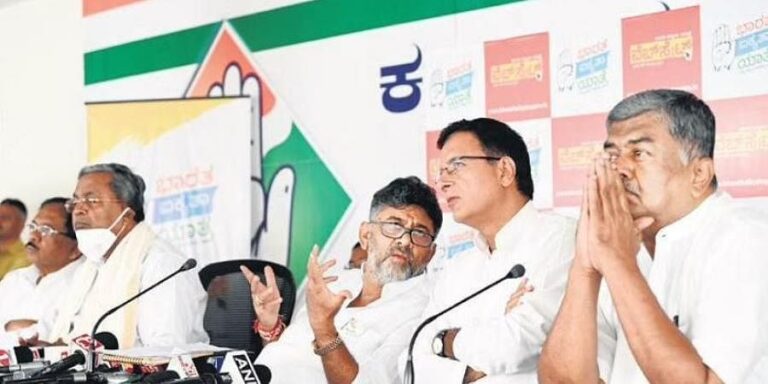
The Karnataka phase of Bharat Jodo Yatra will begin from September 30 and will take a two-day break as it falls during Dasara, said Congress Legislature Party leader Siddaramaiah, KPCC president DK Shivakumar, party national General Secretary Randeep Surjewala and Council opposition leader BK Hariprasad on Friday.
-
An online registration portal was launched on Friday for people, irrespective of their political affiliations, to take part in the rally. Over one lakh people, 76,000 of them aged below 35, registered on Independence Day. Food, lodging and other necessities of the yatris will be taken care of during the rally, they said.
-
The yatra is to ensure that the country becomes a “garden of peace for all people”, in contrast with the present BJP government, which is spreading the poison of division and disharmony, they said. The other objectives are fighting price rise, unemployment, freeing Karnataka of corruption and improving the lot of farmers and the poor, they added.
-
Different sections of people, including workers, farmers, women, SCs and minorities, will be given an opportunity to interact with senior party leader Rahul Gandhi, who is leading the yatra, during afternoon breaks. They explained that Rahul’s interactions with forest dwellers at Biligiriranga Hills helped bring the Forest Settlement Act.
-
With the horror of floods still fresh in people’s minds, a special committee has been set up to collect the opinions and views of Bengalureans over the next 15 days. The committee will be headed by PCC working president Ramalinga Reddy and comprise former minister Krishna Byregowda and former mayor Padmavathi.
Highlights
-
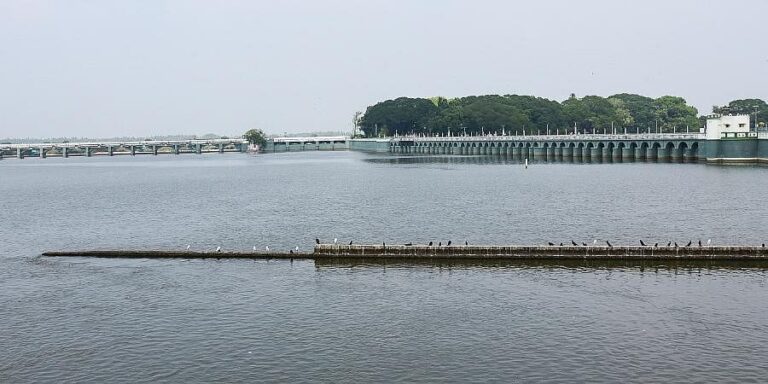
The state has received 22% excess South West Monsoon rainfall from June 1 to August 31, which is the highest in 51 years. With all reservoirs in the Cauvery basin full, the state has released 47 tmcft excess Cauvery water for the entire water year (June to May) to Tamil Nadu during the same period, which is the highest in 48 years.
-
Karnataka received 844 mm of average rain during South West Monsoon in three months, as against the average 691 mm (in 30 years), the highest since 1971, during the period. Also, 224 tmcft of Cauvery water has already been released to Biligundlu reservoir in Tamil Nadu in the said period, which is the highest since 1974. “The state was supposed to release 177.25 tmcft of water for the entire water year as per the final order of the Cauvery water dispute tribunal, but has released 47 tmcft excess water to Tamil Nadu”, Manoj Rajan, Director, Karnataka State Disaster Management, said.
-
During this period, the state received 8% deficit rain in 2021 and 6% excess rain in 2020. From July 1 to August 31, the state received 40% excess rain, which is the highest in 50 years. South and North Interior Karnataka and Malnad received excess rain of 151%, 50% and 32% respectively, in these two months.
226% excess rain in B’luru
This month alone (Sept. 1 to 9), the state received 142% excess rainfall (average of 101 mm rainfall as against the normal 42 mm rainfall) and Bengaluru alone received 226% excess rainfall (average of 143 mm of rainfall as against normal rainfall of 44 mm).
All four reservoirs in the Cauvery basin, including Harangi, Hemavathi, KRS and Kabini, can hold 104 tmcft of live storage and 114 tmcft of gross storage of water.
If there is a balancing reservoir at Mekedatu, 67 tmcft of surplus Cauvery water that flows downstream can be stored whenever there is excess rainfall. With no balancing reservoir in the downstream and having good rainfall, the state has been releasing excess water to Tamil Nadu than its actual share since 2019.
Highlights
-
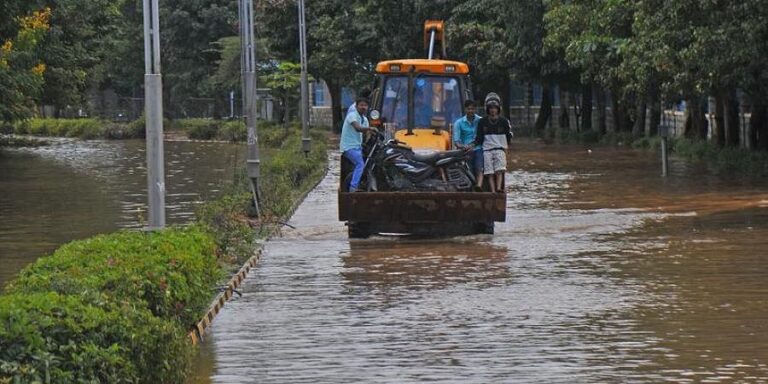
Like the state capital Bengaluru, torrential rains have caused havoc in different parts of Karnataka, with overflowing rivulets and floods affecting normal life, and causing damage to life and properties.
-
Acres of agricultural land, number of houses, several bridges, kilometres of roads are either washed away or inundated by flood water in several parts of north and south interior Karnataka.
-
There are reports about a farmer in Bagalkote district being washed away in flooded Malaprabha river and a woman losing her life due to a wall collapse in Ballari district. Livestock deaths have also been reported from several areas.
-
Parts of districts like Dharwad, Chitradurga, Vijayapura, Ballari, Haveri, Vijayanagara, Chitradurga, Hassan, and districts of Mysuru region like Kodagu, Chikkaballapura, Kolar, Chamarajanagara and Mysuru have also been hit by torrential rains, and several rivers in these districts are overflowing causing damage to crops and houses.
-
Meanwhile, the Inter-Ministerial Central Team (IMCT) headed by Home Ministry’s Joint Secretary Ashish Kumar, which is visiting Karnataka to take stock of the rain and flood havoc in the state, is touring various districts.
Highlights
-
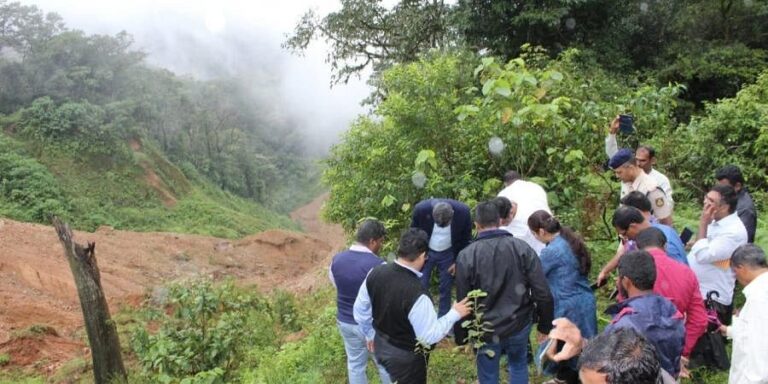
The central team visited several rain-affected places in Kodagu on Wednesday evening. While the district has assessed the rain damage loss at Rs 83.93 crore, the central team’s assessment report will determine the relief funds that will be released to the district.
-
The team led by Dr Manoj Rajan, commissioner of the Karnataka State Disaster Management Authority (KSDMA) visited the affected places mostly in North Kodagu limits including Madenadu, Koyanadu and Sampajea areas.
-
The officials also observed the damage to National Highway 275 at Kartoji. The team will also be visiting the rain-affected places in other districts and a detailed assessment report will likely be submitted in the coming week.
-
While the central team officials confirmed that a study on landslide is being conducted by Amrita University, the same has not witnessed any progress in Kodagu. According to an official, a team from the University visited the district in June for a day and they inspected a couple of places to determine if they can conduct a study of landslides using improved technology. However, as per the official, no proper study of the landslide was conducted by the team.
-
“The central team has assessed the damages across rain-affected areas in the district. A report in this regard will be submitted to the state home ministry and compensation will be released under NDRF accordingly. Dr Manoj Ranjan has stated that he will study the preliminary reports submitted by GSI and Amrita University to make a comprehensive report,” confirmed DC Dr BC Sateesha.
Highlights
-
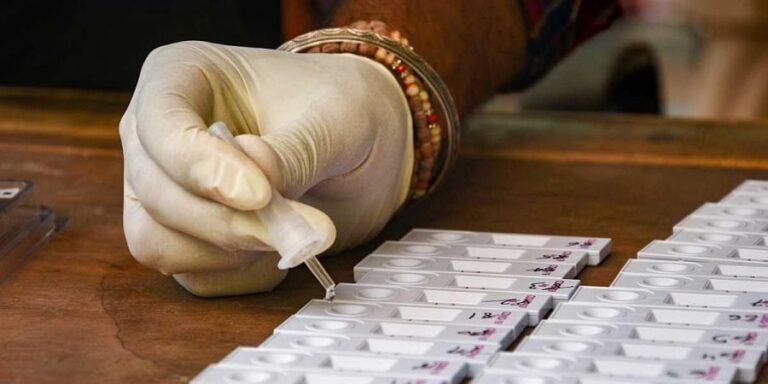
A survey by the health department has revealed how vulnerable the children were to COVID-19, as it is revealed that over 75 percent of the children who were surveyed were found to be exposed to or infected with COVID-19 previously.
-
The health department has released the much-awaited report of the COVID-19 pediatric sero survey, “Assessing the burden of COVID-19 in children aged 6 to 14 years in Karnataka, a cross-sectional survey”, conducted by the State Surveillance Unit of the department from June 6 to 14, based on the recommendations of Covid Technical Advisory Committee (TAC).
-
The IGG (Immunoglobin G, a type of antibody, which indicates previous infection or vaccination) Test conducted on 5,358 non-vaccinated children has indicated that 75.38% of children were exposed to or infected with COVID-19 virus earlier. The exposure/infection rate among girls was 77.83% while it was 73.02% among boys.
-
During the study period, only 13.23% (709) of the children were symptomatic and the rest were asymptomatic. Among 5,278 valid samples, only two were positive for RTPCR including one symptomatic from Udupi and one asymptomatic Chitradurga. The genomic sequence among children positive for RTPCR, sublineage of Omicron variants BA5 was found in symptomatic and BA2.10 was found among those asymptomatic.
-
Among 584 symptomatic but covid negative children sent for an ILI panel of tests (Influenza A, Influenza B, H1N1, H3N2, RSVA and RSVB) to know the incidence of other influenza infections, as many as 32 (6.44%) of them were found positive of Influenza A, H1N1 and one (0.2%) was found positive for Influenza B.
-
The study was conducted at 232 health facilities in 38 units across the state including BBMP (which was subdivided into 8 units). It was done among 5,358 non-vaccinated children (50.9% boys and 49.1% girls) including 31% aged between 6-8 years, 35.8% between 9-11 years and 33.2% between 12-14 years. 33.3% were from urban slums, 38.3% from rural areas and others from urban non-slums. In all, 93.5% were school-going children.
Division-wise infection rate:
Urban slums – 77.02%
Rural slums – 71.98%
Urban non-slums – 77.96%
76.81% of children were asymptomatic and 65.85% of children were symptomatic.
The highest infection rate among Chikkamagaluru kids
While 74.44% of the children tested in Bengaluru were found to be exposed to or infected with the virus earlier, the highest infection rate was recorded in Chikkamagaluru, as all children tested there were found to be exposed/infected before.
Highlights
-
Karnataka’s Labour Department has issued a circular to all departments, public sector undertakings, universities, boards and corporations to pay salaries to the housekeeping staff, security guards, manual scavengers and other contract staff as per the latest minimum wages fixed by the government, failing which action will be initiated against those responsible.
-
The circular stresses on minimum wages to be paid to the workers who are working on a contract basis for various government and government undertaking agencies and follow the guidelines issued on working hours, leave, payment of ESI and Provident Fund. The guidelines should also be followed by agencies that supply manpower to these departments.
-
These include security personnel hired through security agencies, and scavengers working with urban local bodies and the panchayat raj department. Officials say that despite the guidelines, the department is receiving complaints from various sectors on minimum wages not being paid or delay in payment. “Agencies that do not fall in line will be blacklisted”, said a senior official from Labour Department.
-
The state government revised minimum wages for 82 categories that come under working class which include agriculture labourers, tailors, scavengers, gardeners and weavers. The minimum wages are fixed once in five years. This year, it was done in the last week of July. As per the latest revision, it varies from Rs 14,000 to Rs 18,000 per month.
-
The circular stresses on eight-hour working hours. If the employers extract work less than eight hours a day, they have the provision to pay wages on an hourly basis. If the workers are made to work for more than eight hours, they should be paid more for every extra hour. Also, in a month, workers should be given leave for four days. If the employers make the workers work on their days of leave, they should be compensated.
-
The circular adds that the salaries/wages should be paid by the 5th of every month. Also, the employer should pay their share of ESI and Provident Fund to the workers every month and records of the same should be maintained. Employers have also been directed to adopt a bio-metric attendance system for their workers.
Highlights
-
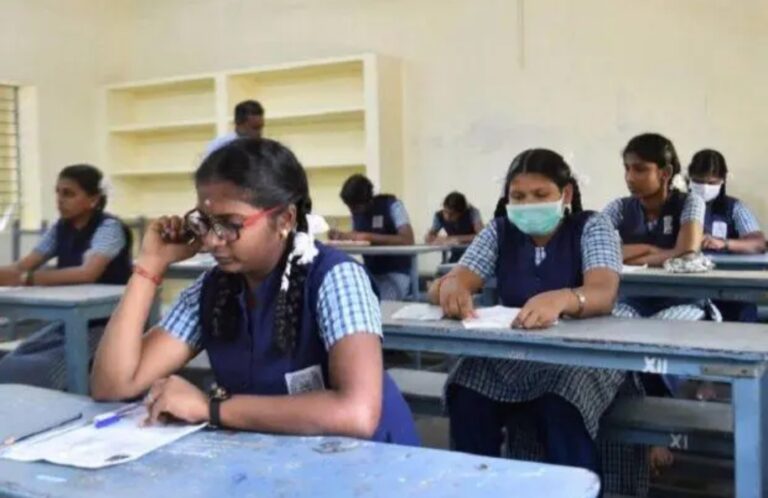
Studies, examinations, and results are major causes of anxiety among school students while over 33 percent comply with peer pressure most of the time, a survey on mental health and well-being of students by NCERT said.
-
The survey reported that at least 73 percent of students are satisfied with their school life, while over 45 percent of students are not satisfied with their body image.
-
A total of 29 percent of school students lack concentration, while 43 percent of students between classes 6 to 12 have mood swings.
-
The National Council of Educational Research and Training (NCERT) surveyed over 3.79 lakh students from 36 states and UTs.
-
The Manodarpan Cell of the NCERT undertook the task of conducting the survey to help understand the perceptions of school students on aspects related to their mental health and well-being. It collected information from students across gender and grades — middle state (6-8) and secondary stage (9 to 12) between January to March 2022.
-
Anonymity of participants was ensured by making the name column optional, allowing students the comfort, privacy and independence to respond, the NCERT said.
-
”Decline in satisfaction with personal and school life is seen as students shift from middle to secondary stage. The secondary stage is marked by challenges of identity crisis, increased sensitivity towards relationships, peer pressure, fear of board examination, anxiety and uncertainty experienced by students for their future admissions, career etc,” the survey report released on Tuesday said.
-
The focus of the survey was on the aspects known to contribute to the mental health and well-being of students. It explored students’ perceptions about their own self and how they think others view them in the context of feelings, academics, relationships, peers, managing emotions, handling challenging situations etc as these are important determinants that impact mental health, the NCERT said.
-
The survey found that 81 percent of respondents attribute studies, exams, and results as major causes of anxiety.
-
As many as 43 percent of the total respondents admitted being able to quickly adapt to changes and the response of students at the middle stage (46 percent) was higher than students at the secondary stage (41 percent).
-
A total of 51 percent of students face difficulty in learning online while 28 percent of the respondent students are hesitant in asking questions, as per the survey.
It found that ”yoga and meditation, attempts to shift the way they think and writing journals were reported as frequently adopted strategies by students for coping with stress”. Trusting others is another aspect looked into as it helps in relating with others, forming social connections, and enhances the quality of relationships, the NCERT said.
A total of 27 percent of the students reported that they frequently trust people, the survey said.
Lower percentage of students’ responses at both the middle stage (27.4 percent) and secondary stage (26.5 percent) reflects lower trusting ability among students of both stages.
Exploring the contentment of students with personal and school life indicates higher satisfaction towards school life in comparison to personal life. Findings show encouraging trends as researches suggest that students’ sense of belonging to school has an influence on their academic engagement. Higher school engagement leads to higher academic achievement and a reduced likelihood of students dropping out of school, the NCERT said.
The spread of COVID-19 pandemic impacted different aspects of life in several spheres, resulting in changes in routine, lifestyle, and the ways in which we interact with others, it said.
The survey also covered the emotions experienced by students, especially during the unprecedented times of COVID-19, the attempts of continuing teaching-learning online, and the challenges experienced by students.
The focus of the survey was on the aspects known to contribute to the mental health and well-being of students. It explored students’ perceptions about their own self and how they think others view them in the context of feelings, academics, relationships, peers, managing emotions, handling challenging situations, etc as these are important determinants that impact mental health, the NCERT said.
Highlights
-
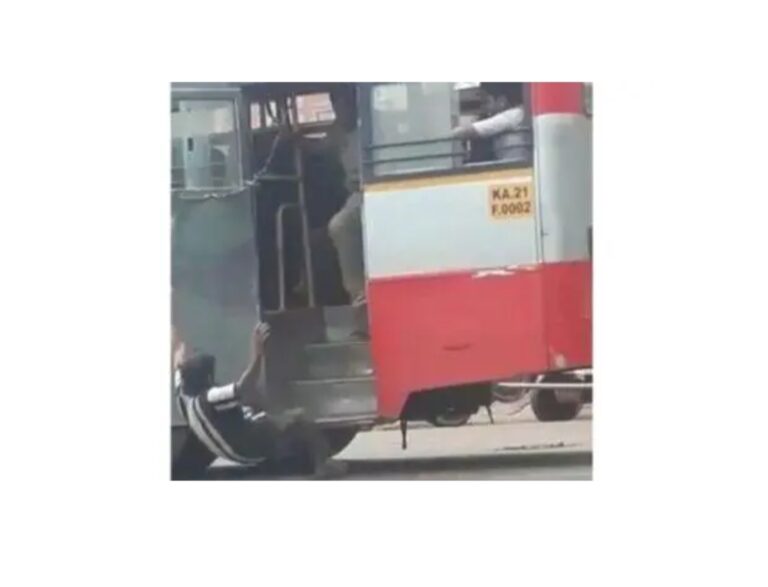
A KSRTC bus conductor has been suspended after a video of him manhandling a bus passenger and kicking him out of the bus at Eshwaramangala in Puttur taluk here went viral on social media.
-
The incident took place on Wednesday, September 7 evening at the KSRTC bus depot in Puttur.
-
Reportedly, the conductor identified as Sukhraj Rai tried to stop the passenger, who was said to be in an inebriated state, from boarding the bus. However, when the man managed to force his way in, Rai grabbed the passenger’s stuff and threw it out of the bus. He then assaulted and kicked him out of the bus.
-
When the passenger fell on the road, Rai instead of helping him signaled the driver to start the bus. Few bystanders recorded this incident which has now gone viral.
-
Meanwhile, KSRTC Puttur divisional controller Jayakar Shetty asserted that the conductor’s actions were inappropriate and he has been suspended after ascertaining the facts.
Highlights
-
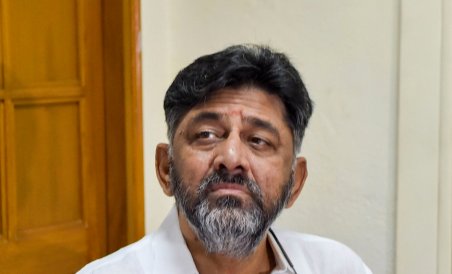
Karnataka Congress president D K Shivakumar’s personal promise to the citizens of Bengaluru that he would restore Bengaluru’s glory has ended up in political tittle-tattle and is seen as his bid to project himself as the party’s chief ministerial face.
-
“Bengaluru’s serious flooding problem is being reduced to memes on social media should make us hang our heads in shame. Once hailed for infrastructure, Bengaluru has been reduced to a joke. Come 2023, I promise to put an end to all this & restore Namma Bengaluru to its former glory,” Shivakumar asserted in a tweet.
-
The tweet had a screenshot of a news article on Bengaluru’s flood situation in The Washington Post.
-
This could be viewed as Shivakumar’s continuing attempt to pitch himself as the CM face should the Congress win the 2023 Assembly election, putting him up against Leader of the Opposition Siddaramaiah who is also eyeing a second chance at the top job.
-
After Siddaramaiah’s massive 75th birthday bash at Davangere last month, Shivakumar publicly projected himself as a “Vokkaliga CM”.
-
In May 2021, the Karnataka Congress’ official Twitter handle tweeted that the Covid-19 pandemic would have been under control if Shivakumar was the CM. The tweet was deleted, but not before ticking off the Siddaramaiah camp.
Highlights
-
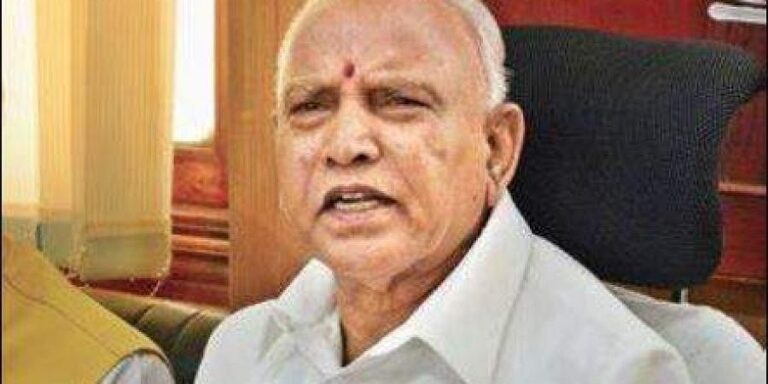
Observing that there is no need for the previous sanction for the special court to order an investigation under Section 156(3) of the CrPC, the Karnataka High Court on Wednesday restored the private complaint against former chief minister BS Yeddyurappa for allegedly accepting bribe.
-
The High Court has also directed the Special Court to proceed from the state of post-presentation of the private complaint, it added.
-
Justice S Sunil Dutt Yadav passed the order while partly allowing the petition filed by social activist TJ Abraham challenging the rejection of a private complaint by the special court on July 8, 2021.
-
Abraham had approached the special court to take cognisance of offences against nine persons including Yeddyurappa, his son BY Vijayendra and some of their family members and Minister ST Somashekar or order for an investigation into the charges of accepting a bribe of Rs 12.5 crore to get a project to Ramalingam Construction Company Private Limited from the Bangalore Development Authority (BDA).
-
Though the special court had observed that no doubt, there are some materials to refer the complaint for investigation under Section 156(3) of CrPC but rejected the complaint saying that there was no previous sanction.
1...309310311...883Page 310 of 883