
KEY STORY
-
WhatsApp could soon make some small user interface (UI) changes to its app. According to a report by WaBetaInfo, the messaging app might remove line separators in between chat cells on the chat list. The change is currently visible in the latest beta version of WhatsApp.
-
The screenshot shared by WaBetaInfo suggests the line separators will also be not visible in the Archive section. You usually see line separators when you open the app and visit the Chats or Calls section. The Contacts section in the WhatsApp app doesn’t have line separators. So you can visit this section and see how your chats would look like without lines.
-
The report adds that platform is not planning to make big design changes and users might just witness small UI changes. WhatsApp has rolled out this change for beta users. Those who are using the web or mobile version of WhatsApp will get it soon.
-
WhatsApp also seems to be working on changing the colour scheme of notifications. The Facebook-owned company recently changed the notification shade to blue.
CONCLUSION
-
However, this colour didn’t go well with the dark theme. WaBetaInfo reported that the beta testers were having issues in reading text, so WhatsApp has switched to the original colour scheme. But, there is a possibility that you might see the blue shade in the light mode.
-
WhatsApp is also adding a search bar for stickers. This feature is already available for Android beta users (Version 2.21.12.1), and the platform is now rolling out the same feature for iOS beta testers. This will make it easier for you to search for any type of stickers.
KEY STORY
-
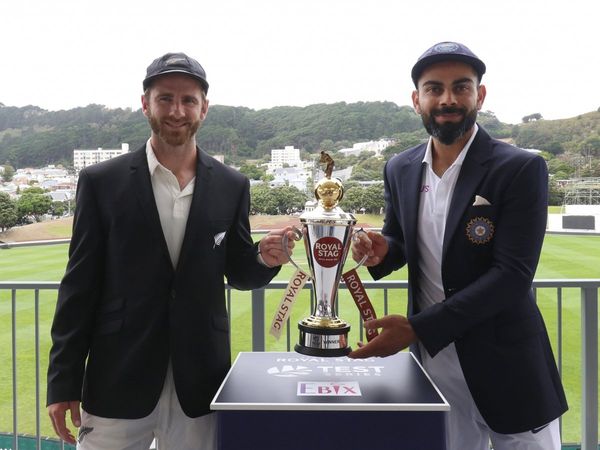
After New Zealand confirmed the inclusion of skipper Kane Williamson by announcing the squad for the final of the ICC Test Championship, the Board of Control for Cricket in India (BCCI) also revealed the 15-man squad for the summit clash on Tuesday.
-
The Indian think tank has named a star-studded 15-man squad for the Test Championship final that will be contested at the Ageas Bowl from Friday in Southampton.
-
While veteran opener Rohit Sharma, skipper Kohli, vice-captain Ajinkya Rahane, and premier batsman Cheteshwar Pujara were heavily tipped to feature in the formidable batting order of the Asian giants, youngster Shubman Gill, all-rounders Ravindra Jadeja, Ravichandran Ashwin, and Hanuma Vihari have been also named in the 15-man squad for Test Championship final.
-
The pace bowling unit of Team India is spearheaded by Jasprit Bumrah, Mohammed Shami, Ishant Sharma, and Umesh Yadav. Promising young talents Mohammed Siraj and Rishabh Pant have also been included in the 15-man squad. Veteran wicket-keeper batsman Wriddhiman Saha who is also named in the 15-man squad is likely to be a backup for an in-form Pant.
-
Talking more about the 15-member squad of the Kohli-led side, senior pacer Umesh has been picked over fast bowler Shardul Thakur. Pacer Shardul was a star turnout for India in the Brisbane Test against Australia.
-
The squad announcement also confirmed the return of Shami and Vihari as the duo had sustained injuries during India’s tour Down Under.
Opener Mayank Agarwal and all-rounder Washington Sundar have also been not named in the 15-member squad for the Test Championship final. Spin-bowling all-rounder Axar Patel is another notable name not picked by the selectors for the 15-man squad.
KEY STORY
-
A day after Dr K Sudhakar, Minister for Health and Medical Education, Karnataka stressed the need to focus on research in Ayurveda and how it can provide a better solution for lifestyle diseases, Nutan Labs, a nanotechnology-based startup on Tuesday launched an Ayurvedic proprietary medicine that helps in preventing covid and also in the treatment of the disease.
-
The first of its kind start-up in India incubated at CeNSE (Center for Nano Science Engineering), IISc Bengaluru, tested it on 10,000 people who were not infected by the virus, and the research conducted showed that it helps in increasing oxygen saturation by helping decongest respiratory tract, and residual symptoms of covid, reducing coughing and sore throat.
-
“Now we are ready for production as all formalities and necessary regulatory approvals are in hand. We have proved 99.999% efficacy. We have developed a product that is a blend of Natural products and Modern Nanotechnology.
-
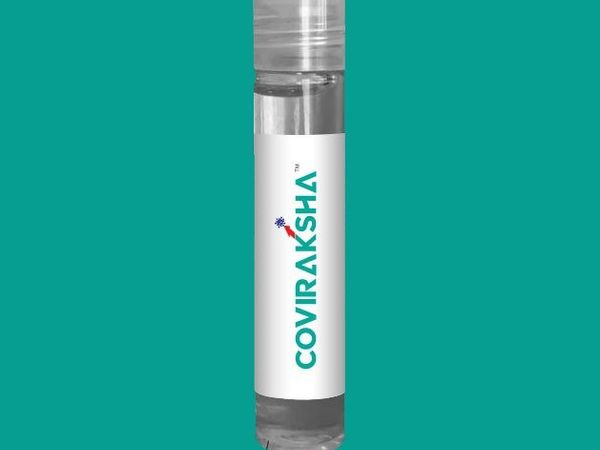
This traditional knowledge is a solution to mitigate and address the spread of COVID-19 and also other virus variants. We have many proprietary combinations in this CoviRaksha and will produce it as over the counter product. ” said Nutan, Founder, Nutan Labs
-
The medicine comes as a roll-on bottle with 10ml as the quantity. The silver colloid based liquid that has can be used for both prophylaxis and treatment of Covid-19 and Black Fungus. According to the lab, the bottle can help protect from the virus for a minimum of 3 hours.
-
Management consultant Venu Sharma said, “We have already made arrangements for production and in need of an investment partner for scaling up. We want this product series to be reaching the globe ASAP. Covid will stay with us for more time with different forms and maybe in new virus variants.”
CONCLUSION
-
The product developed by Nuthan Labs in collaboration with the Indian Institute of Science, Bengaluru has received a nod from the Ayush Department of Karnataka, while it is still awaiting a nod from the central department.
-
Speaking on the product cost Venu Sharma said, “as of now raw material sourcing and cost of production is high. For a small minimum quantity, the costing becomes high, with an 18% GST and distribution model in hand the MRP will be near Rs.300-350/- as of now. But by mass production and better cost of a fund – CoviRaksha will be 20 to 30% cheaper.”

KEY STORY
-
The Central government on Tuesday announced that pre-registration or prior booking of appointment is not mandatory to avail the COVID-19 vaccination services. The clarification came after reports surrfaced that many people in rural areas have been facing problems in getting vaccinated.
-
The government further said that anyone aged above 18 years or more can directly go to the nearest vaccination center where the vaccinator performs the on-site registration and administers the vaccine in the same visit.
-
This procedure is normally called ‘walk in’.
-
The Centre went on to explain that the facilitated registration through the Common Service Centers (CSCs) on Co-WIN, is just one of the many modes of registration on Co-WIN.
-
The facilitators such as health workers or ASHAs, have been mobilising beneficiaries in rural areas and those residing in urban slums, for on-site registration and vaccination directly at the nearest vaccination centers. The facility for assisted registrations through the 1075 Help Line has also been operationalised, it added.
-
The authorities noted that all the above modes, specifically operationalised for rural areas, are functional and enabling equitable access to vaccination in rural areas.
-
This is evident from the fact that, as on June 13, out of the 28.36 crore beneficiaries registered on Co-WIN, 16.45 crore (58%) beneficiaries have been registered in the on-site mode. Also, out of the total 24.84 crore vaccine doses recorded on Co-WIN as on June 13, 2021, 19.84 crore doses (nearly 80% of all vaccine doses) have been administered through onsite/walk-in vaccination.
-
According to the Health Ministry, out of the total 69,995 vaccination centers so far classified by states on Co-WIN as rural or urban, 49,883 vaccination centers, i.e. 71%, are located in rural areas.
CONCLUSION
-
The coverage of vaccination in tribal area – as per the data available on Co-WIN as on June 3, 2021:
- Vaccination per million population in tribal districts is higher than the National average.
- 128 out of 176 Tribal Districts are performing better than all India vaccination coverage.
- More walk-in vaccinations are happening in Tribal Districts as compared to National average.
- Gender ratio for people vaccinated is also better in the tribal districts.
KEY STORY
-
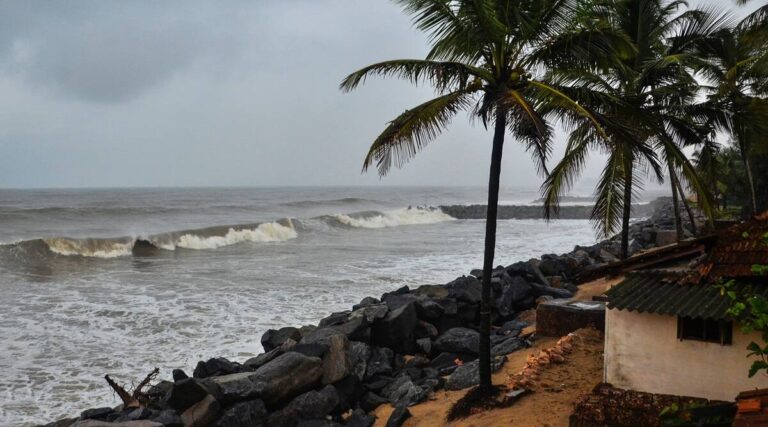
The India Meteorological Department (IMD) has issued a red alert for the coastal and interior parts of south Karnataka on Tuesday, warning of widespread rainfall due to the southwest monsoon. The alert has been sounded for Udupi and Dakshina Kannada districts.
-
IMD Bengaluru Centre Head C S Patil said, “Low pressure had developed over Jharkhand and its neighbourhoods, while a trough ran from East Central Arabian Sea to south Konkan. There was another low-pressure zone near the Karnataka coast. Due to its influence, heavy rainfall has been predicted in the coastal areas.”
-
The IMD has issued an orange alert for the two districts on June 16 and 17, and a yellow alert on June 18.
-
On June 17, an orange alert has been issued for Shivamogga, Kodagu, Gadag and Haveri districts.
-
On Monday, Panambur, Kutta and Bhagamandala received the highest rainfall (9 cm), followed by Mangaluru and Agumbe (8 cm).
-
Meanwhile, north Karnataka experienced scattered rains on Monday. Bengaluru city is expected to experience light to moderate rainfall for the next two days.
-
Heavy rain in the last two days has affected livelihoods in Dakshina Kannada, Udupi, Uttara Kannada Kodagu and Chikkamagaluru districts. These districts have reported incidents of trees being uprooted, damage to houses and electric polls, and loss of mobile network.
-
Maravoor bridge in Mangaluru that connects to the Mangaluru International airport developed a crack due to heavy rains last night.
-
“Keeping in mind the safety of people, vehicular movement has stopped on the bridge. Traffic is diverted to two alternative routes. Those who want to go to other side of the Marvoor bridge from Kavoor can either use the Kavoor-Kulur-KBS Jokatte-Porkody-Bajpe route or Pacchanady-Vamanjoor-Gurpur-Kaikamba-Bajpe route,” said N Shashikumar, Police Commissioner, Mangaluru.
CONCLUSION
-
The incessant showers have led to a significant rise in the water levels of Kumaradhara and Netravathi rivers in Dakshina Kannada district, and Kavery river in Kodagu.
-
According to the Kodagu district administration, the water level in Triveni Sangama in Bhagamandala district has gone up considerably. The rains and strong winds have also brought down trees and electricity poles leaving several areas in darkness.
-
Many parts of the Mumbai Karnataka and Kalyana Karnataka (Hyderabad Karnataka) regions also experienced light showers on Monday and Tuesday morning.
KEY STORY
-
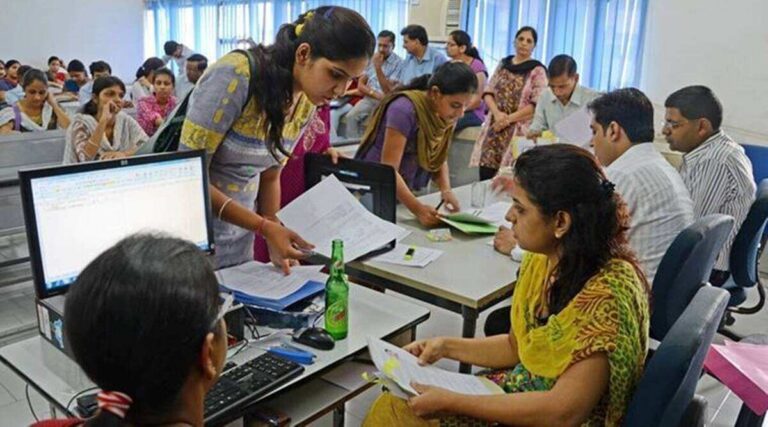
The Karnataka Examination Authority (KEA) has announced the registration process for the Karnataka common entrance test (KCET) 2021. The application forms will be available on the official website of KEA at kea.kar.nic.in from June 15 onwards.
-
The KCET 2021 will be held on August 28-29 for admission to engineering, technology, yoga and naturopathy, BPharma, farm science and veterinary courses. The registration will be open from June 15 to July 10. The last date to pay the application fee through online mode is July 13.
-
Candidates need to submit special category original certificates between July 14-20. The application fee for general category students is Rs 500. For female candidates and students of the reserved category, the fee is Rs 250.
Steps to register for KCET 2021:
Step 1: Visit the official website of KEA
Step 2: Click on the “KCET 2021 application form” link.
Step 3: Complete the registration process. Upon successful registration, login credentials will be shared on email ID.
Step 4: Login using the credentials and fill the KCET 2021 application form.
Step 5: Upload scanned documents and signatures
Step 5: Make the payment and submit your form
The candidates will be able to make corrections to their application forms from July 19-22. The admit cards for the exam will be able from August 13 onwards.
-
Candidates aspiring to join medical, dental, Ayurveda, Unani or homoeopathy courses will have to compulsorily quality in the NEET UG 2021. For admission to architecture courses, candidates should appear and qualify in the NATA 2021 or JEE Main Paper-II.
KEY STORY
-
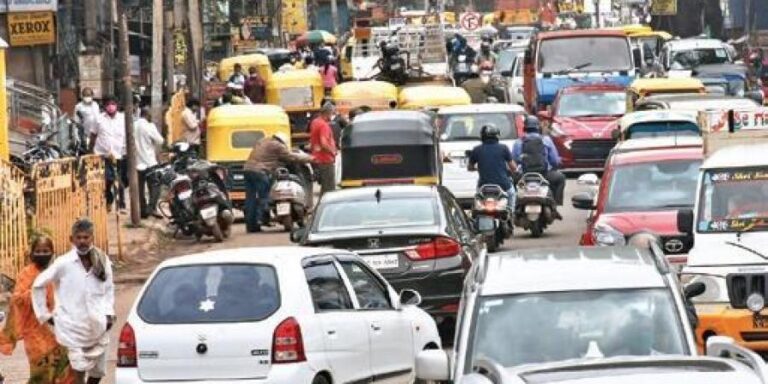
On the day Karnataka eased restrictions in 19 districts, with Covid-19 cases showing a declining trend, rain forced people indoors in many places while in some districts, the local administration ensured that the curbs continued to be enforced strictly.
-
For instance, in Udupi, due to the torrential rain on the first day of unlocking, the streets remained almost empty. Similar was the situation in Karwar town.
-
Up north, Kalaburagi too witnessed incessant rain from 11 am to 1 pm, due to which there was very thin movement of vehicles and people. In Ballari, many people chose to remain indoors on day 1 of the unlocking. Interestingly, Gadag roads wore deserted look till 10.30 am and people poured out on to the roads later on as grocery stores and vegetable markets were to shut at 2 pm.
-
Shopkeepers ensured that only those who followed Covid-appropriate behaviour were entertained.However, in the twin cities of Hubballi-Dharwad, there was heavy traffic on the roads with people trying reach their work place or out to buy essentials. Private vehicles and autorickshaws filled the roads during peak hours.
-
Interestingly, in Bagalkot district, though the state government permitted shops to open till 2 pm, the district administration ordered them to close at 12 pm itself. Officials said, “This decision has been taken on the experts’ advice who say that the next one week or ten days is crucial in flattening the curve. So, shops have been restricted to operate only between 6 am and 12 pm till June 21.”
-
Meanwhile, in Tumakuru, thousands of vehicle owners thronged police stations to get their vehicles released following the High Court order. There wasn’t much crowds at vegetable markets or grocery shops in the district.
-
In Kolar, the situation seemed out of control with people crowding the roads on two-wheelers. Many were riding triples on motorcycles and some didn’t even have masks on. Social distancing norms too went for a toss.
CONCLUSION
-
On April 27, the government had imposed stringent restrictions 27 to contain the spread of Covid-19 virus.
-
Though curbs were relaxed in some districts on Monday, Chikkamagaluru, Shivamogga, Davanagere, Mysuru, Chamarajnagar, Hassan, Dakshina Kananda, Bengaluru Rural, Mandya, Belagavi and Kodagu districts will continue will all restrictions, barring the 6 am-10 am relaxation, as cases are still on the higher side in those parts.

KEY STORY
-
Aamir Khan on the 20th anniversary of Lagaan said that he has a tendency of going back on his word. The actor had declared several times that he would never become a producer, but ended up producing one of the biggest films in Indian cinema, Lagaan.
-
Aamir Khan said that his aversion to being a producer arose from the financial difficulties he’d seen his father, Tahir Hussain, deal with.
-
In a media interaction, Aamir said, “I come from a film family, I’ve seen my uncle make movies, I’ve seen my father making movies. My father was a very enthusiastic producer, a good producer. But he didn’t know how to do business, so he never made any money. And he only had problems. One film took eight years to make, another took three years.”
-
He continued, “He was in great debt, and I’ve seen my father go through enormous financial crisis. He was almost bankrupt, and we were almost on the roads. We were small that time. I remember, the phone used to ring, and people would call and ask for their money. He used to tell them that he’s put the money in the film, and this conversation would go on for three-four years.”
-
He recalled his mother telling him about waking up at night and seeing his father looking for something. When she asked him what he was looking for, he said that he was trying to find his graduation certificate, because he would soon need a job.
CONCLUSION
-
“A man in his 40s is telling his wife that he’s looking for his graduation certificate, that was our situation,” he said, adding that this is why he never wanted to be a producer.
-
But he ended up producing Lagaan ‘by accident’, because he couldn’t find anyone else for the job. He said that even then, he was under the impression that he would stop producing after Lagaan.
KEY STORY
-
Over the many decades of research in the field of cancer prevention and treatment, scientists have been able to make a database on how cancer rates varied between countries and have also been able to identify that specific dietary patterns have correlations with certain types of cancer.
-
For example, according to the World Cancer Research Fund and the American Institute of Cancer Research, the highest cancer rate for men and women together was in Australia, at 468 people per 100,000 population. The rate for men alone was much higher at 580 per 100,000 population and 363 for women by the same measure. The countries in the top 12 come from Oceania, Europe and North America. The top 50 (worst-affected) has only two Asian countries (Israel and Japan) and India does not figure in the list of 50s. https://www.wcrf.org/dietandcancer/global-cancer-data-by-country/
-
But when it comes to the rates of lip and oral cavity cancers: in both sexes, 4 countries of the subcontinent are in the top 5 (worst-affected). Papua New Guinea had the highest rate of cancer of the lip and oral cavity in 2018, followed by Pakistan.
Rank Country Age-standardised rate per 100,000
-
Papua New Guinea 20.4
-
Pakistan 12.2
-
Bangladesh 9.5
-
India 9.1
-
Sri Lanka 7.6
How is it then that the world’s “better” countries, with greater access to healthcare, experience much higher rates of cancer incidence than the world’s “worse off” countries, as noted by new research from the University of Adelaide? According to the publication Sciendaily.com, this is the result of relaxed “natural selection. The explanation is that because modern medicine is enabling people to survive cancers, and their genetic backgrounds are passing from one generation to the next.
So, how is it that the Mediterranean countries seem to have a low incidence of cancer? The risk factors in cancer incidence are mainly linked with:
-
Individual and environmental characteristics such as heredity, particular exposure to noxious substances, or clinical conditions as hormone imbalance or with
-
Peoples’ lifestyle such as physical activity, sedentary lifestyle and diet which play a crucial role.
5 most important risk factors:
-
A high body mass index
-
A low intake of fruit and vegetables
-
The lack of physical activity
-
The use of alcohol and
-
Smoking or use of tobacco
The Mediterranean diet is considered one of the most worldwide healthy dietary patterns thanks to a combination of foods rich mainly in antioxidants and anti-inflammatory nutrients. The Mediterranean diet was recognized as an “intangible cultural heritage of France and Italy, Greece, Spain and Morocco, respectively” by the United Nations Educational, Scientific and Cultural Organization (UNESCO) in 2010.
A research paper published in the US National Library of Medicine says: “Many studies have demonstrated a strong and inverse relationship between a high level of Mediterranean diet adherence and some chronic diseases (such as cardiovascular diseases, diabetes, etc.) and cancer. Given its protective effects in reducing oxidative and inflammatory processes of cells and avoiding DNA damages, cell proliferation, and their survival, angiogenesis, inflammations and metastasis, the Mediterranean diet is considered a powerful and manageable method to fight cancer incidence.”
The positive relationship (beneficial effects) between the Mediterranean diet and cancer is due to the high contents of antioxidants and anti-inflammatory nutrients contained in many foods of MD (legumes, fresh fruit or nuts, vegetables, fish, and olive oil, especially extra-virgin olive oil), which have a protective effect in the fighting cell degeneration and proliferation of cancer cells, it says.
Here is the result of the study on what to eat (recommended diet) and what to avoid to defeat cancer’s march:
-
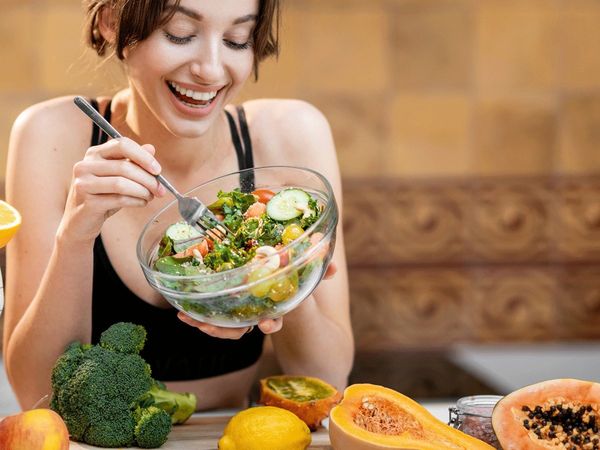
Raise intake of fruits, vegetable, & vitamins: Dietary patterns based on regular intake of fruit, vegetables (especially garlic and cruciferous vegetables, as cabbages, broccoli, brussels sprout and wasabi) and by consequence the intake of aliments rich in selenium, folic acid, vitamins (B-12 or D), and antioxidants (e.g., carotenoids and lycopene) play a protective role in cancer onset so to reduce risk of breast cancer, colorectal cancer and prostate cancer of 60–70% and of lung cancer; 40–50%.
-
Have more fibre and dairy products: A high intake of products rich in fibre (e.g., whole grains) and a moderate intake of milk and dairy may reduce the incidence of different types of cancer (e.g., colorectal cancer, lung cancer, stomach cancer, breast cancer, colorectal cancer, oesophagus cancer and oral cancer).
-
Reduce meat and processed foods, eat more fish: Vice versa, meat and animal products, rich in animal fats and oils and often cooked at high temperatures, may increase cancer incidence, especially for colorectal cancer, stomach cancer and prostate cancer. The omega-3 polyunsaturated-rich fish oils appear protective. But the intake of salted, pickled or smoked foods should be reduced.
-
Alcohol in moderation if unavoidable: no unanimity among studies: The jury is still out on whether alcohol intake has a positive r negative effect on overall health. The study paper recommends that a moderate alcohol intake (until 30 g a day) could have a protective effect against the onset of kidney cancer, while an excessive intake surely is a risk factor in the onset of many cancers (oral cavity cancer, oesophagus cancer, breast cancer, colorectal cancer, stomach cancer and liver cancer).
-
Reduce excessive intake of salt: According to the Cancer Council of Australia, one should try and eat no more than 5g of salt (2000mg sodium) each day. This is about 1 teaspoon of salt (sodium chloride or sodium). Salt is used to flavour foods and as a preservative. Diets high in foods preserved by salting (such as pickled vegetables and salted or dried fish) have been linked to an increased risk of stomach and nasopharyngeal cancer.
Disclaimer: Tips and suggestions mentioned in the article are for general information purposes only and should not be construed as professional medical advice. Always consult your doctor or a professional healthcare provider if you have any specific questions about any medical matter.

KEY STORY
-
Defence Research and Development Organisation (DRDO) chief Dr G Satish Reddy on Monday announced that as many as 850 oxygen plants are being set up in various districts of the country from the PM CARES Fund for catering to the needs of the country to fight the coronavirus pandemic.
-
According to a statement by the Ministry of Science and Technology, the DRDO chief reiterated that the agency was prepared to provide all kinds of support when the need arises, and more flying hospitals would be ready, as was provided during the second COVID-19 wave to help the people.
-
“We established temporary hospitals specific to COVID 19 in many cities. These are modular hospitals, we call it flying hospitals, and these have been made in a way that the virus does not go out of hospitals. If there is any third wave, all the hospitals will be taking the load, and the government is discussing these aspects with various stakeholders,” said Dr Reddy.
- During the second wave, the country faced an acute shortage of oxygen supply and hospital beds which led to massive criticism of Prime Minister Narendra Modi-led BJP government at the Centre. The Opposition had blamed the Modi government over its handling of the COVID-19 crisis.
COVID situation in India
-
Continuing with its downward trend in daily infections, India has recorded as many as 70,421 new COVID-19 cases in the last 24 hours. The new cases pushed the overall tally in the country to 2,95,10,410, while the count of active cases fell below 10 lakh after over two months.
-
According to the Union Health Ministry, the COVID-19 death toll in the country climbed to 3,74,305 with 3,921 fatalities recorded in a span of 24 hours, the data updated at 8 am showed.
-
The count of active cases has further declined to 9,73,158 which is 3.30 per cent of the total infections, while the national COVID-19 recovery rate has improved to 95.43 per cent.
1...554555556...884Page 555 of 884