Uttar Pradesh: CM Yogi Adityanath announces financial benefits for daily wagers

0

In these times of crisis, we are standing tall with the public: Yogi Adityanath

Uttar Pradesh Chief Minister Yogi Adityanath has said that in these times of COVID-19 crisis, the Centre, as well as the state government, is standing tall with the common man. He also said that the UP government is closely working with the Central government to make sure that the problems faced by the public can be minimised.

“In these times of crisis, both the Centre and the state government is standing by the public. We are working closely with the Central government to make sure that the problems faced by the public are minimised,” Yogi said.

Speaking at length of the steps taken by his government in UP, Yogi said, “Advance pension has been approved for 77 lakh people. Jandhan Yojana account holders will also get Rs 500 per month for the next 3 months. Ujjwala Yojana beneficieries will get free gas cylinders for the next 3 months. Prime Minister Narendra Modi has also announced Pradhan Mantri Gareeb Kalyan Package, under which, 2 crore 34 lakh people will get a sum of Rs 2,000 per month for the next 3 month.”

“If we want to stop this outbreak of coronavirus, we must follow strictly the lockdown announced by PM Modi. We must take basic precautions if we have to beat the disease. Stay at home, go out only in case of an emergency. When going out, make sure you are wearing a mask. Follow social distancing at all times. If we do this, coronavirus will stay far away from us,” he signed off with.

Pockets of Uttar Pradesh has seen high number of COVID-19 cases. In leiu of this, Yogi-led state government has declared containment zones in 15 worst hit UP districts till April 30. These districts include Noida, Agra, Ghaziabad, Lucknow, Meerut amongst others.

Uttar Pradesh currently stands at 410 COVID-19 cases including 4 deaths.

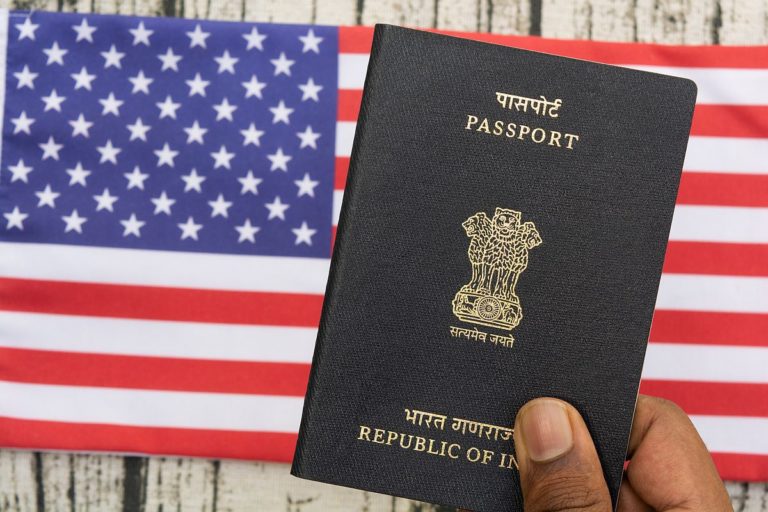
FAKE NEWS : NO INDIAN SHALL LEAVE USA WITHIN 60 DAYS

Indian H1B Visa holders are facing a tough time in the US due to the rising Coronavirus layoffs that are coming to the fore. What makes matter worse for skilled workers who are either unemployed as of now or may be sacked due to the dwindling economy is the fact that they have just 60 days to find a new job or get deported to their home country. With lockdowns being enforced in several cities of the US, it seems extremely difficult in the current scenario to find new jobs.

“All of us who are currently employed on H1B Visas are getting mentally prepared that we may lose our jobs, and may have to come back to India as it seems unlikely at the moment that we will get another job within 60 days,” said an Indian IT engineer employed with a reputed company to DataQuest.

Ambedkar’s Birthday on April 14 Declared a Closed Holiday by Central Government

New Delhi: The central government has declared April 14, the birthday of B R Ambedkar, as a closed holiday for all its offices, according to a Personnel Ministry order issued Wednesday.

The Centre has also notified the holiday under the Section 25 of the Negotiable Instruments Act, 1881, for banks.

The section says: “When the day on which a promissory note or bill of exchange is at maturity is a public holiday, the instrument shall be deemed to be due on the next preceding, business day”.

Thus, all Central government offices and banks will be closed for business on Tuesday.

In an order issued to all its departments, the ministry said, “It has been decided to declare Tuesday, the 14th April 2020, as a closed holiday on account of the birthday of Dr B R Ambedkar, for all central government offices, including industrial establishments throughout India”.

Karnataka Cabinet favours lockdown for two more weeks: CM BSY

0

Bengaluru: The Karnataka Cabinet is in favour of extending the 21-day nationwide lockdown by two weeks to fight the coronavirus scare, Chief Minister B.S. Yediyurappa said on Thursday.

“All the ministers are in favour of continuing the lockdown for two more weeks to contain Covid-19 spread in the state, which has recorded 191 positive cases and 6 deaths till date,” Yediyurappa told reporters after an emergent Cabinet meeting here.

Though a panel of eminent doctors on Wednesday recommended continuing the lockdown — set to end on April 14 — till April 30 only in hotspots like Bengaluru and Mysuru, the Cabinet did not want to take any chance by lifting the lockdown in districts not affected by the virus.

“The lockdown should continue for two more weeks to ensure that the number of coronavirus cases do not spike as was the case in some states and to prevent community spread,” said Yediyurappa.

The panel, headed by eminent doctor Devi Shetty, and C.N. Manjunath, Nagaraj, Ravi and Sudarshan as members, was set up by the state in March to assess the pandemic and advise measures to contain its fallout across the southern state.

“The lockdown should not be lifted in the hotspots or relaxed in the districts with less or zero cases so as to contain the virus and control the situation, especially physical distancing,” asserted the Chief Minister.

Of the 30 districts in Karnataka, 18 districts have reported corona cases, including two hotspots.

“A final decision on the lockdown will be taken on Sunday or Monday after our videoconference with Prime Minister Narendra Modi on Saturday and as per his advice for the welfare of all,” added Yediyurappa.

Modi had advised the states to suggest if the nationwide lockdown should be extended beyond April 14 or eased with curbs in areas that were free from the infection so far.

Though the 21-day lockdown was clamped on March 24 midnight across the country, nine districts of Karnataka have been under shutdown since March 14 on the panel’s advice to contain the virus fallout.

In a related development, the Cabinet decided to deduct 30 per cent from salaries and allowances of all legislators, amounting to Rs 15.3 crore, for fiscal 2020-21 through an ordinance, as the Assembly is not in session.

Governor Vajubhai Vala and Yediyurappa have already pledged their salaries for this year to the CM relief fund for spending on tackling coronavirus.

Odisha Extends Lockdown Till Apr 30, Urges Centre To Stop Train, Air Services Till Month End

Bhubaneswar: The Odisha government on Thursday decided to extend the ongoing lockdown in the state till April 30 to effectively contain the spread of coronavirus.

Schools and other education institutions will remain closed till June 17, Chief Minister Naveen Patnaik announced after a video conference with his ministers.

“We have decided to extend the lockdown period till April 30 and a recommendation in this regard will be sent to the Centre,” he said in a video message.

Patnaik said the state has also urged the Centre to stop train and flight services to Odisha till April 30.

Odisha has recorded 44 positive cases of coronavirus so far.

The nationwide lockdown was declared by Prime Minister Narendra Modi on March 24 to break the chain of coronavirus transmission and it was scheduled to be lifted on April 15.

Another COVID-19 death reported in Karnataka, toll rises to 6

Bengaluru: An 80-year-old woman, who was diagnosed with coronavirus after developing severe respiratory problems died of cardiac arrest in Gadag district early on Thursday, taking the toll in Karnataka to six, district officials said.

According to a senior official in that district, the patient was admitted to a designated hospital a few days ago with severe respiratory problems.

On April 6, test reports confirmed that she was infected with COVID-19. At 12.55 am on Thursday she died of cardiac arrest.’

With this, the number of deaths caused by COVID-19 reached six in the state, whereas the total positive cases as on Wednesday evening stood at 181.

How Long Do We Have to Wait for COVID-19 Vaccine?

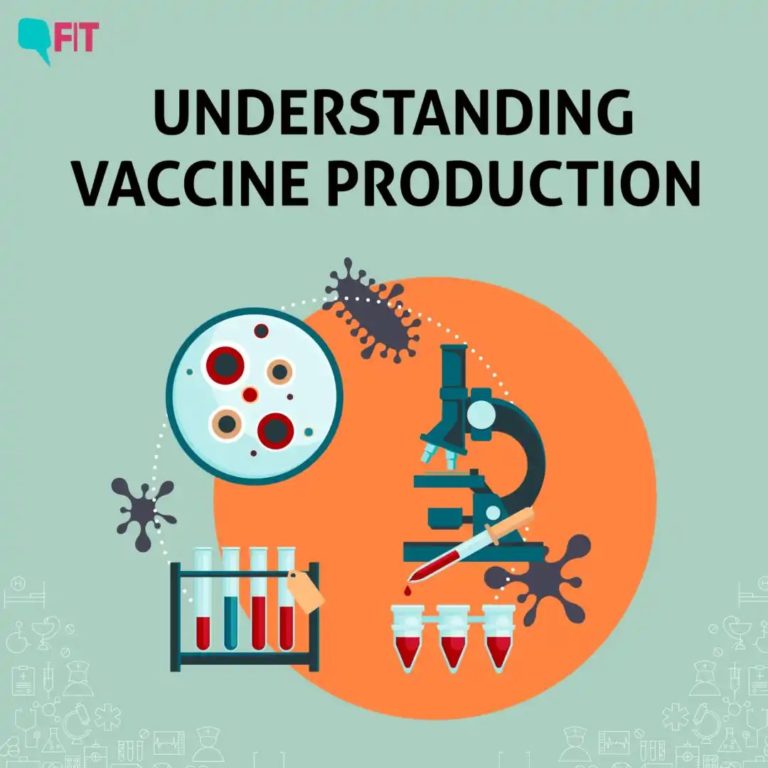
Understanding Vaccine Production.

A massive global effort is currently underway to create a vaccine for COVID-19. There are 35 companies and academic institutions, across the world, that are racing to produce a vaccine that can help us fight this virus. Four of these labs will be conducting human trials shortly. Experts believe that it could be anywhere between 12 to 18 months for the COVID-19 vaccine to be ready. At the moment that timeline may seem rather long, but in the world vaccines, that is a very good time frame.

To understand why, let’s first go through the basics. How do vaccines work?

Understanding vaccine production

A vaccines helps fight pathogens by preparing the body’s natural immunity to recognise and fight viruses and bacteria, by first introducing enough information about the pathogen in the body. The pathogen forces the body to produce a response to fight it, without causing an illness. This prepares the body for a future invasion by the same pathogen.

How does a vaccine work

There are several ways to develop a vaccine and scientists need the actual pathogen to create any vaccine. The process to design a vaccine and ensure it is safe for human use, takes anywhere between 10 to 15 years. Which is why an 18 month timeline is actually really fast. There are two common ways to create vaccines – Attenuated and Inactivated.

How is a vaccine developed?

Attenuated vaccines are created by rearing a weaker strain of the virus or bacteria, usually outside the body, which is then extracted into a single dose ready for human use. Measles and tuberculosis vaccines are made this way.

Attenuated Vaccines

Inactivated vaccines on the other hand are derived by studying the genetic make-up of a dead pathogen, identifying the active protein in it and then mass replicating the protein. Vaccines created this way often require multiple doses at regular time intervals. Polio and rabies vaccines are created using this method.

Inactivated Vaccines

There is a lot of newer and advanced technologies of creating vaccines that are being explored and used across the world, of which the nucleotide based vaccines take lesser time to be created. These vaccines replicate the DNA/RNA of the pathogen and stimulates the body to create the same pathogen. Zika virus vaccine was created using this method.

Nucleotide-based vaccine

The race to create the COVID-19 vaccine is happening at an expedited speed, partially thanks to Chinese scientists who shared the genetic sequence of SARS-CoV2, the virus that causes COVID-19, in January. Leading the race is the U.S based biotech firm Moderna which in collaboration with National Institute of Allergies and Infections (USA) took only 42 days to move from vaccine design to human testing. That is a record breaking speed.

The COVID-19 Vaccine

There are also companies that exploring alternative approaches to designing a vaccine. Trying different and varied methods vaccine creation increases the probability of finding a vaccine that gets approval.

But despite the urgency to have a vaccine ready, and the breakneck speed at which scientists are trying to find a solution, vaccine clinical trials need to be conducted with precision and care, to ensure the safety & efficacy of the vaccine, once it hits the market.

Safety and Efficacy of Vaccines

For a vaccine to move from design stage to be ready for use, there are three stages of human trial that it needs to pass. Each stage tests the safety and efficacy of the vaccine. In the first stage, the vaccine is tried on a small number of healthy people, and scientists watch for safety and immunity response for different doses. This stage, under normal circumstances, takes between one to two years, but because of the urgency we face, for COVID-19 vaccine, this expected to take around three months.

Stage One of Vaccine Trial

The second stage of human trials, is conducted with a much larger group of people. The methodology used is a randomised, double blind, placebo-controlled study of hundreds of people. At this stage, scientists evaluate safety, efficacy, the optimal dose and the proposed vaccine schedule. And this stage usually takes between two and three years. But for COVID-19 vaccine, it is expected to take around 8 months.

Stage 2 of Vaccine Trial

Stage three of vaccine trial is similar to stage two, except that it is conducted on an even larger group. This stage usually takes anywhere between two to four years, but for COVID-19, it is expected that this stage will be clubbed with Stage 2.

Stage 3 of Vaccine Trial

Once the vaccine passes the three stages of trial, it has to undergo regulatory review, where a government body has to approve the new vaccine. This usually takes one to two years, but this stage will likely be expedited for the COVID-19 vaccine.

Regulatory review of a new vaccine

The International community has banded together, like never before to create a vaccine. If a vaccine is ready in the next 12 to 18 months, we will be able to prevent a recirculation of coronavirus, protecting millions of lives and helping the world get back on its feet.

But, what will also become true, is that this innovative, multi-stakeholder way of creating a vaccine, could fundamentally change how scientists develop and ready a vaccine, in a rapid and efficient way.

Bhopal doctor living in car to protect family from coronavirus earns praise on social media

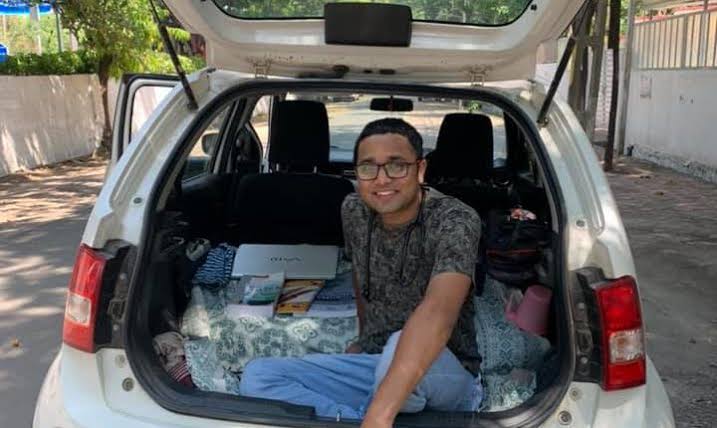
Many health professionals have had to face difficult times during the COVID-19 pandemic, and one doctor from Bhopal is being hailed on social media for living out of his car to keep his family safe. The Madhya Pradesh doctor was also praised by the state’s chief minister.

Dr Sachin Nayak, who is working at the state-run JP Hospital in Bhopal, decided to start living out of his car to avoid spreading the infection at home in case he caught it at work. A photo of Dr Nayak, reading a book in the back of his car, surrounded by some basic supplies was widely shared after the official handle of All India Radio tweeted it.

Chief Minister Shivraj Singh Chouhan also praised the doctor in a tweet. Thanking the doctor, the chief minister expressed his gratitude and said,

“If we ALL continue with this resolve, then we will be able to win this great war more quickly.”

In some states governments and private companies have offered housing or rooms in hotels for the medical professionals. Nursing staff have been seeking similar facilities to ensure their families are safe.

On social media, people praised the Bhopal doctor. While some wondered why he is living in his car and can’t get government accommodation, others said health care professionals need proper rest to take care of others.

India’s fuel consumption shrank by 18% in March, biggest decline in over a decade

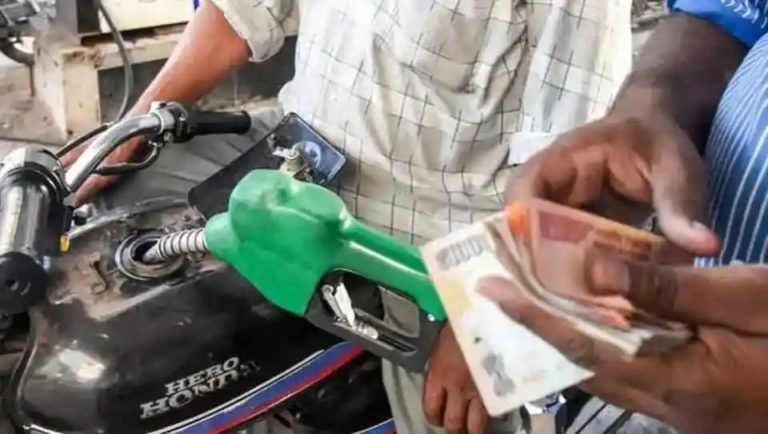
India’s fuel consumption in March shrank by 18 per cent, the biggest decline in more than a decade, as a nationwide lockdown halted economic activity and travel.

India’s petroleum product consumption fell 17.79 per cent to 16.08 million tonnes in March as diesel, petrol and aviation turbine fuel (ATF) demand fell, according to official data released on Thursday.

Diesel, the most consumed fuel in the country, saw demand contract by 24.23 per cent to 5.65 million tonnes. This is the biggest fall in diesel consumption the country has recorded as most trucks went off-road and railways stopped plying trains.

Petrol sales dropped 16.37 per cent to 2.15 million tonnes as the 21-day nationwide lockdown enforced to prevent the spread of COVID-19 took most cars and two-wheelers off the road.

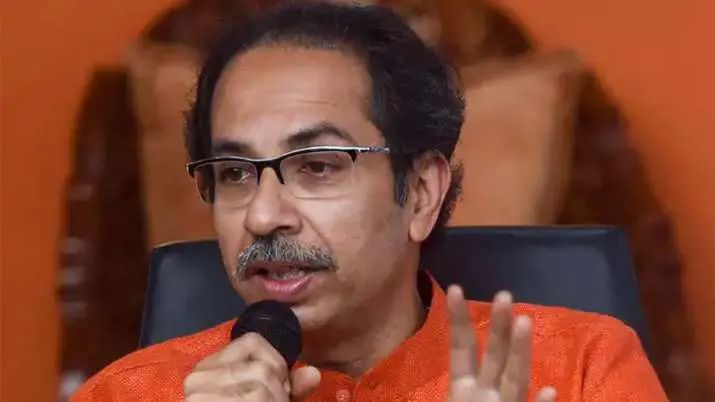
I am sorry but there is no other option: Uddhav Thackeray on COVID-19 lockdown

I am sorry but there is no other option: Uddhav Thackeray on COVID-19 lockdown

Maharashtra Chief Minister Uddhav Thackeray has said that there is no other alternative to lockdown if coronavirus has to be defeated. Thackeray also said that things will get better with time.

“I understand that people are facing different types of issues while staying at home. People are getting bored. I am sorry about that but there is no option other than staying at home to beat COVID-19,” Thackeray said.

He further added, “I am getting news from all over the world through news channels, that things in Wuhan (China) have returned to normalcy and the restrictions are being removed.

It’s good news. This means things can be better with time.”

Maharashtra is by far India’s worst affected state by coronavirus. As of Wednesday, there are over a thousand COVID-19 cases reported from Maharashtra including 64 deaths.