“We will consider,” says Karnataka CM on further cut in fuel tax

Highlights
  • Karnataka Chief Minister Basavaraj Bommai on Sunday said his government will consider further cut in fuel tax, following the Centre’s decision to reduce excise duty on petrol and diesel.
  • Speaking ahead of his visit to the Swiss ski resort town of Davos, to take part in the World Economic Forum’s Annual Meeting, he expressed confidence about attracting more investments into the state.
  • “The decision (Centre’s) has come on Saturday night, let’s see, we will consider it,” Bommai told reporters here in response to a query on any decision from the state government to further reduce petrol and diesel rates, following the Centre’s decision.
  • Bowing to public pressure, Finance Minister Nirmala Sitharaman on Saturday announced a Rs 8 per litre cut in excise duty on petrol and Rs 6 a litre on diesel to avoid increase in fuel prices that were necessitated due to surge in international oil prices.
  • Also, the government will give Rs 200 per cylinder subsidy to Ujjwala Yojana beneficiaries for 12 cylinders in a year to help ease some of the burden arising from cooking gas rates rising to record levels.
  • Thanking PM Modi and Sitharaman, the CM in a tweet late Saturday night said, “Price of petrol to reduce by Rs 9.5/litre & diesel by Rs 7/litre. This measure will be a huge boon to our women folk. Our government is of the people’ & ‘for the people’. This is a pro people decision.”
  • Bommai, last month was non-committal on any further cut in fuel tax by the state government, and had maintained that any decision in this regard will be taken after looking at the economy of the state.
  • In November 2021, the state government had cut sales tax on petrol from 35 per cent to 25.9 per cent and on diesel from 24 per cent to 14.34 per cent, which resulted in petrol price reducing by Rs 13.30 per litre and diesel by Rs 19.47 per litre.
  • The Chief Minister is leading a delegation from the state to Davos, comprising Industries Minister Murugesh Nirani, Information Technology and Biotechnology (IT/BT) Minister C N Ashwath Narayan and top officials.
  • “We will be leaving today and from tomorrow sessions will start there (WEF). Tomorrow there is one session and another one on May 24, we will be attending that. We will be meeting several world leaders and industrialists there,” he said.
  • Noting that in the quarter ended recently, highest Foreign Direct Investment has flown into India, which is good news, he said, “Karnataka stands number one in that, like the last four quarters during this quarter too Karnataka has received highest FDI, so we are encouraged, several foreign and Indian industries are keen on investing in Karnataka. We are confident of getting a good response during the Global Investors Meet scheduled for November.”
  • The government will be taking all the measures to see to it that it not only signs MoUs but Industries actually get established in the state.
  • “All set to participate in World Economic Forum Summit at Davos. Will be interacting with business heads of 18 countries about important economic & environmental issues. Davos will give great impetus to upcoming #InvestKarnataka2022 Global Investors’ Meet,” he later said in a tweet.
  • This will be Bommai’s first overseas trip as the Chief Minister. There was earlier speculation on whether or not he will go. Bommai’s predecessor B S Yediyurappa had attended the Davos summit in January 2020, following which the BJP government in the state had introduced major reforms, including a policy change, by making it easier for investors to purchase land from farmers.

Monkeypox: Karnataka ups surveillance at airports

Highlights
  • With Monkeypox cases being reported from nearly 12 countries, the Karnataka government has asked the airports to be vigilant and isolate sick persons travelling from affected countries with symptoms or history of the disease. An interim advisory informing the disease symptoms and instructions has been sent by the health department officials under the Integrated Disease Surveillance Project (IDSP).
  • “Any traveller from the risk countries if they present with an otherwise unexplained rash or have travelled to these countries which have reported confirmed or suspected cases in the last 21 days or have come in contact with a person or people with confirmed or suspected Monkeypox should be isolated at designated health facilities,” the advisory read.
  • The cases that have been reported worldwide are both due to local transmission and also due to travel to African countries. As a proactive approach, the National Centre for Disease Control, MoHFW, has identified several public health actions to be initiated in the event of suspected cases being reported from India.
  • It has been advised that such patients should be reported to the District Surveillance Officer of IDSP. “While all infection control practices are to be followed while treating such patients, laboratory samples consisting of fluid from vesicles, blood, sputum etc need to be sent to NIV, Pune, for Monkeypox testing in case of suspicion,” the release added.
Meanwhile, if the samples test positive, then contact tracing has to be initiated immediately to identify the contacts of the patient in the last 21 days. The isolation of such persons will end only after lesions have resolved and a fresh layer of skin has formed or until the treating physician decides to end isolation. “Monkeypox typically presents clinically with fever, rash and swollen lymph nodes and may lead to a range of medical complications,” the release stated.
Meanwhile speaking to TNSE, Dr Bindumathi PL Senior Consultant – Internal Medicine, Aster CMI Hospital, says that though the virus doesn’t spread easily between people and the risk to wider spread is low, World Health Organisation has stated that it can spread from close contact with bodily fluids such as saliva from coughing, close contact with respiratory secretions, skin lesions of an infected person or recently contaminated objects.
Dr Manohar KN, Consultant Internal Medicine Physician, Manipal Hospital, Old Aiport Road, says, “Monkeypox as of now has no vaccine. The original first-generation smallpox vaccines are no longer available to the general public. Also, a newer vaccinia based vaccine was approved for the prevention of Monkeypox in 2019 but that is not yet widely available.”
KNOW THE DISEASE 
It is caused by a smallpox-like virus which is from the same family of virus-Orthopoxvirus genus in the family Poxviridae. It was discovered in 1958 when outbreaks of a disease causing a pox were discovered in monkeys held in captivity for research. It was first seen in humans in 1970 in the Democratic Repoublic of the Congo and it is now endemic in central and west Africa.
Symptoms
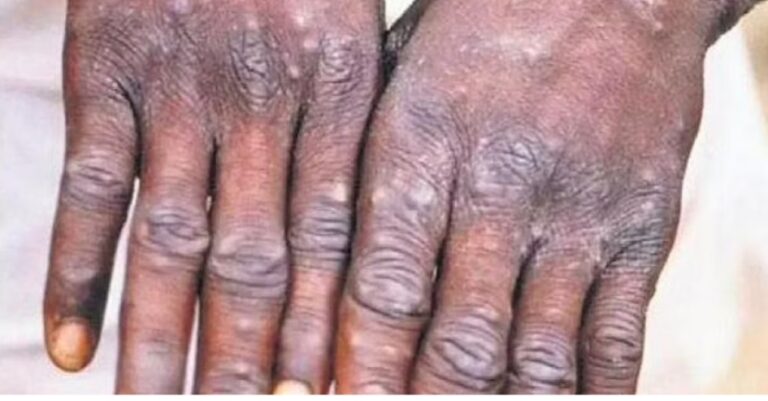
It causes pustules all over the body. Symptoms appear between 5 and 13 days after infection. It can take up to 21 days to appear. Early symptoms include fever, headache, muscle ache, backache, swollen lymph nodes, chills and exhaustion. Once fever appears, rash tends to erupt first on the face, hands and feet before spreading to other areas. Mouth ulcers are also reported.

J&K polls in AAP’s radar next? Party says ‘will fight assembly elections with seriousness’

Highlights
  • Senior AAP leader and Punjab minister Harjot Singh Bains on Saturday said his party is going to fight the next assembly elections in Jammu and Kashmir with all seriousness to ensure good governance in the Union Territory.
  • Bains, who is J&K election incharge of his party, said winds of change are sweeping the region as people from all walks of life are joining the party.
  • “We are assigned the responsibility to build a robust organization. The work has already started with the joining of many prominent faces. We will work to strengthen the organization and will fight the assembly elections seriously,” Bains told reporters here.
  • He said the party will identify ‘good candidates’ and will not disappoint the people.
  • “We want to replicate the good governance of Delhi and Punjab in Jammu and Kashmir. We are bound to provide a corruption free administration, quality education, health services and job opportunities for the unemployed youth,” he said.
  • Expressing happiness over the warm welcome accorded to him from Kathua to Jammu, he said the people are waiting impatiently for the elections to happen.
  • “We have a development driven agenda and we are going to replicate the Delhi model in Punjab and J&K as well. In Punjab, which is also a border state like Jammu and Kashmir and face threats of terrorism and drone incursions from across the border, has started witnessing a positive development,” he said.
  • He said he sees winds of change blowing in favour of AAP in Himachal Pradesh, Gujarat and also in Jammu and Kashmir.

Good news for Ujjwala Yojana beneficiaries! Centre announces subsidy of Rs 200 per gas cylinder

Highlights
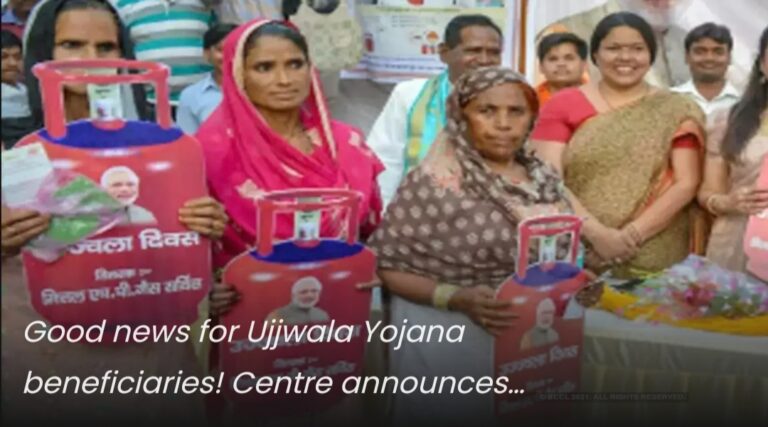
  • Union Finance Minister Nirmala Sitharaman on Saturday announced that the Centre will give a subsidy of Rs 200 per gas cylinder (upto 12 cylinders) to over 9 crore beneficiaries of Pradhan Mantri Ujjwala Yojana this year.
  • The move will have a revenue implication of around Rs 6100 crore a year, the finance minister said.

Earlier this week, cooking gas LPG prices witnessed a jump of Rs 3.50 for the second time in a month. The increase took the LPG cylinder prices across the country over the Rs 1,000-mark. A 14.2 kg domestic LPG cylinder in Delhi and Mumbai costs Rs 1,003, Rs 1,029 in Kolkata and Rs 1,018.5 in Chennai.
FM Sitharaman made a slew of announcements for the welfare of the poor on Saturday. She said, “We are committed to ensure that prices of essential items are kept under control.” Further, the minister said that despite the challenging international situation, we’ve ensured that there are no shortages/scarcity of essential goods. Even a few developed countries couldn’t escape some shortages/disruptions.
“Our government is devoted to the welfare of the poor. We’ve taken a number of steps to help the poor and middle class. As a result, the average inflation during our tenure has remained lower than during previous governments,” Sitharaman stated in a series of tweets.
Meanwhile, PM Narendra Modi had on August 10, 2021 launched Ujjwala 2.0 through video conferencing by handing over liquefied petroleum gas (LPG) connections at Uttar Pradesh’s Mahoba. In Ujjwala 2.0 scheme, migrant workers can also get LPG connections through self-declaration as “proof of address”. Migrants will not be required to submit ration cards or address proof. A self-declaration for both ‘family declaration’ and as a ‘proof of address’ will suffice.
Along with a deposit-free LPG connection, Ujjwala 2.0 is aimed at providing the first refill and hotplate free of cost to the beneficiaries.
The Ujjwala 1.0 scheme was launched in 2016 and under this, a target was set to provide LPG connections to five crore women members of below poverty line (BPL) households. Subsequently, the scheme was expanded in April 2018 to include women beneficiaries from seven more categories (SC/ST, PMAY, AAY, Most backward classes, tea garden, forest dwellers, Islands).
The target was also revised to eight crores LPG connections, which was reached in August 2019, seven months ahead of the target date.

Why do we get teary when we’re tired or sick?

Highlights
  • It’s been a big week and you feel exhausted, and suddenly you find yourself crying at a nice nappy commercial. Or maybe you are struck with a cold or the coronavirus and the fact your partner used up all the milk just makes you want to weep.
  • You may indeed feel sad about being sick or tired, but why the tears? Why can’t you hold things together? Tears serve multiple psychological functions. Tears act as a physical indicator of our inner emotional state, occurring when we feel intense sadness or intense joy.
  • Inside our brains, strong emotions activate the central autonomic network. This network is made up of two parts: the sympathetic system (which activates our “fight or flight” response when we perceive danger) and the parasympathetic nervous system, which restores the body to a state of calm.
  • Strong emotions activate the sympathetic part of this system, but when we cry, the parasympathetic part is activated, making us feel better.
  • What happens when we’re stressed or tired? We are trained from a young age to control our emotions, with socially sanctioned times to express emotion, refraining from physical displays of negative emotion. For example, crying during a sad movie is fine, but crying at work is usually seen as less acceptable.
  • The prefrontal cortex, or the cool, thinking part of our brain, responds to the emotional signals released by the central autonomic network, helping us regulate the emotional response to deal with our emotions in controlled ways. The prefrontal cortex is like the main processor of your computer, managing tasks to keep the system functioning well.
  • Unfortunately, the more stressed and tired we are, or if we experience extended periods of physical or emotional pain, the sympathetic system remains activated. The prefrontal cortex becomes overwhelmed, like a computer that has too many programs running all at once.
  • The brain becomes less able to regulate our emotions in the expected ways, resulting in visible emotional responses, such as tears or angry outbursts. We might not even realise how overwhelmed we are until tears are running down our face after a seemingly minor incident or experience.
  • Some people are more likely to cry than others. Women tend to cry more than men, though the extent to which this is due to biological aspects versus expectations of society is unclear.
  • People who score high on the personality traits of empathy or neuroticism are more likely to cry more often. Excessive crying can also be a physical indication of depression, as the brain is overwhelmed with emotional pain.
  • What’s the point of tears? Beyond psychological reasons, tears play several social roles. Even as our society might disapprove of strong expressions of emotions, tears actually help to create and sustain social bonds.
  • Tears can act as a cry for help, visibly showing others we are not OK and need support. Tears often generate feelings of sympathy in others, helping us connect with them. Tears can also occur when we feel deep sympathy for another person, crying along with them, which further strengthens social bonds.
  • Beyond psychological and social reasons, there are also physical reasons for tears. For instance, when we are tired, we work hard to keep our eyes open, which dries out the eyes. Our bodies produce tears to counteract the dryness, keeping the eyes moist so we can see clearly.
  • Watery eyes are also common in respiratory illnesses such as cold, flu, and the coronavirus. When we have an infection in the body, white blood cells are mobilised to fight the bug. These extra white blood cells can inflame the blood vessels in the eye, which causes the eye ducts to clog, bringing tears.
  • Tears are a natural part of human functioning. Especially with the pressures the past few years have brought, sometimes there’s nothing better than a good cry to relieve overwhelming emotions. But if you find yourself excessively crying, it might be helpful to talk to your doctor about possible physical or psychological causes.

CNG price hiked by Rs 2 per kg; rates up by Rs 19.60/kg in two months

Highlights
  • The price of CNG in the national capital on Saturday was hiked by Rs 2 per kg, the 13th increase in rates in just over two months.
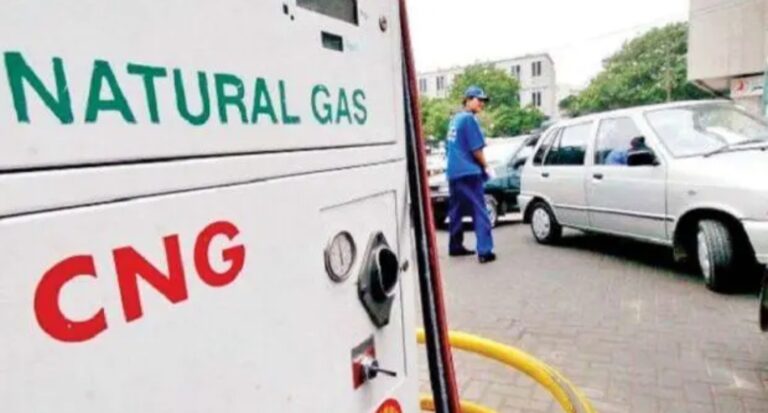
  • CNG in the national capital territory of Delhi now costs Rs 75.61 per kg, up from Rs 73.61 per kg, according to the information posted on the website of Indraprastha Gas Ltd (IGL) — the firm which retails CNG and piped cooking gas in the national capital and adjoining cities.
  • This is the 13th increase in price since March 7.
  • In all, the CNG price has risen by Rs 19.60 per kg during this period. In the last one year, prices have increased by Rs 32.21 per kg or 60 percent, according to data compiled by PTI.
  • However, the rates of gas piped to household kitchens, called piped natural gas (PNG), remain unchanged at Rs 45.86 per scm.
  • City gas distributors have been periodically raising prices since October last year, when domestic as well as international gas prices started to climb as economies around the world recovered from the pandemic-induced slowdown.
  • IGL Managing Director Sanjay Kumar said the prices are likely to remain elevated in the near future due to high international prices of natural gas.
  • CNG prices rose by Rs 8.74 per kg in the last three months of 2021, and from January there was a steady increase of about 50 paise a kg almost every week.
  • The rates have gone up after the government more than doubled the price of natural gas produced locally to USD 6.1 per million British thermal unit from April 1. With domestically produced gas not sufficient to meet city gas demand, imported fuel (LNG) is being used. LNG in the spot or current market costs USD 18-20 per mmBtu.
  • Natural gas when compressed becomes CNG for use as fuel in automobiles. The same gas is piped to household kitchens and industries for cooking and other purposes.
  • Mahanagar Gas Limited (MGL) has priced Compressed Natural Gas (CNG) at Rs 76 per kg in Mumbai.
  • Prices vary from city to city depending on the incidence of local taxes such as VAT.
  • The increase in CNG prices follows a Rs 10 per litre hike in petrol and diesel prices in 16 days and a Rs 103.50 per cylinder increase in the cooking gas LPG rates.

K’taka CM discusses with Shah over phone list of likely candidates for RS, Legislative Council polls

Highlights
  • Karnataka Chief Minister Basavaraj Bommai on Saturday said he discussed with Union Home Minister Amit Shah over phone the list of probable candidates for Rajya Sabha seats from the state and for the Legislative Council.
  • Bommai, who is in the national capital for the second time in less than 10 days, also said he had a detailed discussion on the list of candidates with the party’s in-charge for Karnataka Arun Singh.
  • Speaking to reporters after meeting Singh, the Karnataka chief minister said he could have a word with Shah over phone only last night due to the home minister’s urgent engagement and that an elaborate meeting with Singh today was held on Shah’s advice.
  • ”I came to Delhi yesterday evening. I had plans to meet Amit Shah ji. Due to his urgent engagement, I could talk to him over the phone only last night. I discussed in detail and shared with him the list of probable candidates for Rajya Sabha seats from the state and for the Legislative Council polls,” he said.
  • The chief minister said he met Singh and updated him about the decision taken during the party’s core committee meeting. ”Singh has conveyed he will soon finalise the list,” he added.
  • The chief minister also said there was no discussion, either with Shah or with Singh, on his government’s cabinet expansion or reshuffle.
  • Meanwhile, Bommai also mentioned that he will review the heavy rain situation in the state after he returns to Bengaluru today.
  • Biennial elections to four Rajya Sabha seats from Karnataka and two each to graduates’ and teachers’ constituencies of the state Legislative Council will be held on June 10 and 13 respectively.
  • Biennial elections to the Karnataka Legislative Council will be held on June 3.

Int’l Day of Yoga: PM to participate in events planned in Mysuru

Highlights
  • Prime Minister Narendra Modi will bring along his zeal and enthusiasm for Yoga with him to the grounds of Mysuru on June 21. According to media reports, Deputy Commissioner Bagadi Gautham has confirmed that the PM will be attending events planned in the city this year.
  • According to UNI, Ayush Secretary Rajesh Kumar Kotecha has written a letter to Karnataka Chief Secretary P Ravi Kumar, informing about PM Modi’s participation in the IDY event to be held in Mysuru.
  • International Day of Yoga has been celebrated since 2015 after a call given by the United Nations. Every year on June 21, people around the world come together and practice yoga. The Indian Government has also been organizing events that encourage people to move towards a healthier lifestyle while also propagating the Indian culture and the art of Yoga to the world.
  • The idea of inviting the PM to the IYD celebrations was apparently mooted by Mysuru-Kodagu MP Pratap Simha and Uttara Kannada MP Ananth Kumar Hegde, media reports said. They wanted to explore the feasibility and the chances to hold the main event of IDY in Mysuru.
  • Furthermore, Pratap in his request letter to Narendra Modi shed light on Mysore being the birthplace of Ashtanga Yoga, and how it would be the ideal place to practice the Yoga form this year.

CM Bommai’s Davos visit confirmed, to leave on May 22

Highlights
  • Chief minister Basavaraj Bommai’s trip to Davos to attend the annual meeting of the World Economic Forum (WEF) has been confirmed. On Friday, the itinerary of CM’s visit to Davos was released.
  • Chief Minister will begin his journey from Kempegowda International Airport at 10.30 am on May 22 to fly to Dubai and onwards to Switzerland on the same day. On May 23 and 24 he will attend the summit meetings and reach Bengaluru on May 26, the itinerary said.
  • WEF summit falling right in the middle of several elections in the state, Bommai’s participation looked doubtful. His visit was confirmed with the political clearance after his last-minute visit to Delhi on Friday.

SSLC results: 145 students score full marks, toppers say only hard work key to success

Highlights
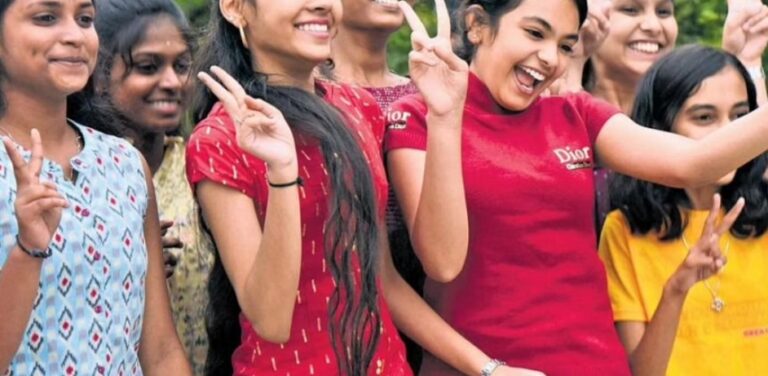
  • As many as 145 students, including 21 students from government schools, have scored cent per cent marks in SSLC exams held this year. Of the 145 students, 24 are from Bengaluru schools. Jayasri B, who is one among the two students from Sri Vidyamandira High School in Malleswaram who scored 625 out of 625 marks, said, “There is no short cut to success. Hard work is the only way.”
  • Jayasri thanked her school principal Alakananda S B, father Balaji Subramanyam, a chartered accountant, and mother Jayamangalam, a homemaker, for helping her especially during the pandemic.
  • “I studied hard everyday and finished each day’s portion of syllabus on the same day. During exams, I studied for four hours a day, she said. When asked about her ambition, she said, “I want to be a chartered accountant like my father and serve the country.”  Jayasri, who had won an essay contest organised by US space agency NASA in Bengaluru, was selected for the next level of competition at NASA in the US where she won the Neil Armstrong Award. She is also a violinist who has completed junior carnatic exams with 99 per cent marks and won three gold medals in Sanskrit exams conducted by Sura Saraswathi Sabha of Sringeri Math.
  • Abhijhna B, who is among three students from Cordial High School in Vijaynagar West who scored cent per cent marks said, “Concentration and five to six hours of hard work everyday helped me in achieving this feat. One needs to study hard and keep revising till the end,” she said.
  • Abhijhna gave the credit of her success to her school principal Sheethal, parents Basavaraju K M, an electrician in a private company, and mother Shailaja Basavaraju, all residents of Moodalpalya. While the family is currently in Mysuru to attend a wedding, her father Basavaraju said he was overwhelmed by her daughter’s achievement and added that she was now being treated like a celebrity by relatives.