This yoga practice helps prevent coronavirus. Senior doctor explains

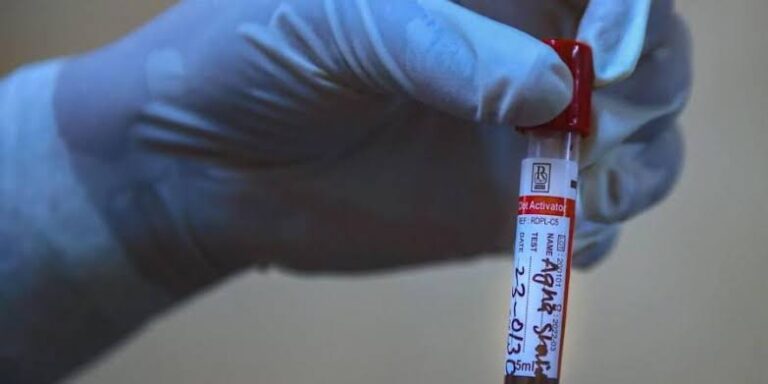
Dr Dhananjay Kelkar of the Medical Director at Deenanath Mangeshkar Super Specialty hospital explained that Jalnaiti – an old Yoga technique, helps prevent coronavirus.

He said that the age-old Yoga practice of giving a nasal wash to the nostrils is a way one can prevent getting infected with the deadly virus. Dr Dhananjay explained that dust particles stick to the nostrils while breathing and might carry the virus which may then infect the lungs.

He said that is the reason why on the first two days of infection nasal swab i collected from the suspected Covid-19 patient. He said, “If we regularly do Jalnaity twice a day – probably after coming in from work or from crowded places then the practice help in washing away the virus which might have entered our nostrils.

It will be advisable for all to perform Jalnaity till the pandemic is over.

Dr Kelkar made it clear that there has not been any single trial or test across the world about the use of Jalnaiti to avoid coronavirus.

He said that out of 600 people who were treating coronavirus patients and performed Jalnaity, only one tested positive for the virus with mild symptoms, while 20 others from another group that did not practice Jalnaity tested positive.

Another experiment was conducted on 2000 people from Deenanath Hospital who performed Jalnaity and while there were 2000 poeple who did not practice it. While one doctor from Jalnaity group was infected, 49 people from the other group got infected with the virus.

However, Dr Kelkar further explained that Jailnity alone cannot stop coronavirus infection.

Global Deaths Due to Various Causes and COVID-19 By Ian Barratt on 11 Jul 2020

Global Deaths Due to Various Causes and COVID-19
By Ian Barratt on 11 Jul 2020

Six clades of SARS-CoV-2 virus identified in Karnataka

0

MYSURU: While senior officials managing the pandemic had denied the existence of multiple strains of Sars-CoV-2 virus that causes Covid19, a three month study by Bengaluru-based NIMHANS that went on till June 1 has found that in Karnataka there are six different clades from which various strains exist as subsets that indicates the existence of several strains of the virus that could pose a challenge in treatment.

Genome sequencing not needed to stop virus spread: NIMHANS doctor

The conclusion is based on sequencing of the virus at the Neurovirology department of NIMHANS where the genomes of the virus taken from samples of patients in eight districts were studied.  The most prominent strains found in the state are B6 and B1 clades, according to Dr V Ravi, head of neurovirology, NIMHANS, which identified these strains from studying 47 full genomes of SARS-CoV-2 virus.

Among these, B1 is predominantly reported from Europe, while B6 exists in the Philippines, UK, North America, Australia, Singapore and India. The study is the outcome of data obtained from March 5 till June 1 with samples drawn from patients from Bengaluru Urban and Rural, Belagavi, Bidar, Bijapur, Mysuru, Davanagere and Bagalkot districts.

When asked about the link between the existence of multiple clades of virus and surge in cases, Dr Ravi refrained from commenting, but pointed out that sample collection after June first is still under progress and results are awaited. He said that genome sequencing is a research tool and has no ‘diagnostic value’ and is not required to control the spread of virus.

“It is up to the people… the way people behave,” he said. The samples in the study were mainly collected from contact clusters and cases with no contact history. But Dr Binukumar B K, a senior scientist at CSIR-Institute of Genomics and Integrative Biology, New Delhi, said, “Unless there is a significant number of sequences, probably from across India, we will not be able to comment on its virulence and mortality. But for vaccination, different clades and strains will not be of much importance.”

With the state battling a surge in cases, virus research labs in other parts of the state pointed to the need for more sequencing facilities. Dr Shantala, Nodal Officer of VRDL in BMCRI, said that a collective effort is needed in sequencing since it is important to know the progression of the virus.

It can be helpful in vaccine trials to target particular strains, she added. Echoing a similar viewpoint, Amrutha Kumari, Nodal officer of VRDL Mysuru, said that if more labs are set up, especially in hospitals, it can yield more data.“We need to understand why we are getting more symptomatic cases unlike earlier. We need to know the immune response and we might not get this opportunity again,” she said.

Karnataka COVID-19: Bengaluru lockdown will not be extended, confirms Yediyurappa

0

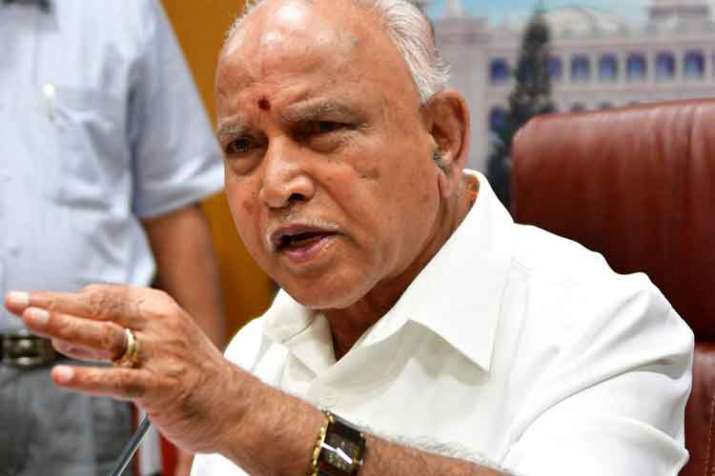
Amid speculation of another round of lockdown in Bengaluru to contain the surge of COVID-19 cases, Karnataka chief minister BS Yediyurappa today confirmed that the lockdown will not be extended. “There won’t be any extension of lockdown in Bengaluru urban & rural districts,” the Karnataka chief minister said today, according to news agency ANI.

To contain the spread of the virus, the state government implemented a strict lockdown in Bengaluru on July 15. The restrictions will be effective till 5 am on July 22. “Lockdown is not the solution to control COVID-19,” Yediyurappa earlier said.

The capital of Karnataka has recorded over 1,500 fresh cases today. At least 3,648 people have tested positive for the virus in the state. The deadly virus has claimed 72 lives, taking the death toll in the state to 1,403. The active number of COVID-19 cases in the state have increased to 42,216.

The newly appointed civic body commissioner N Manjunatha Prasad said on Sunday there was no question of extending the ongoing week-long Bengaluru lockdown.

Karnataka government earlier said it has engaged Swasth to provide remote home isolation monitoring services to COVID-19 patients. Swasth is a non-profit consortium of healthcare partners. The state health department has implemented a 10-day care package for patients isolating at home for an initial period of one month. The care package will include daily monitoring of patients by healthcare professionals, and periodic check-ins by doctors. As more patients with non-serious COVID-19 symptoms are being advised to isolate at home to ensure the availability of beds and resources for severely-ill patients, the system is intended to prevent the spread of the disease and ensure adequate care for patients in home isolation, the department said.

The chief minister earlier directed all the ministers to hold meetings with private hospitals to ensure that all patients get treatment, a statement from chief minister’s office read. “Strict action against private hospitals if they don’t allocate beds for COVID-19 patients,” he said.

The lockdown in Karnataka’s Kalaburagi district has been extended till the midnight of July 27. The decision to extend the lockdown was taken as the “number of COVID-19 cases has not come down,” according to an order issued by Kalaburagi Deputy Commissioner, B Sharat

Lockdown Violation: 11 People Detained After Police Raid A Gym In Delhi

0

Due to COVID-19, a lot of establishments like bars, pubs and gyms been shut for months now, because the risk of people contracting the virus while frequenting such places, is extremely high. However, some people still do not seem to be able to gauge the seriousness of the situation, and why social-distancing is absolutely necessary right now.

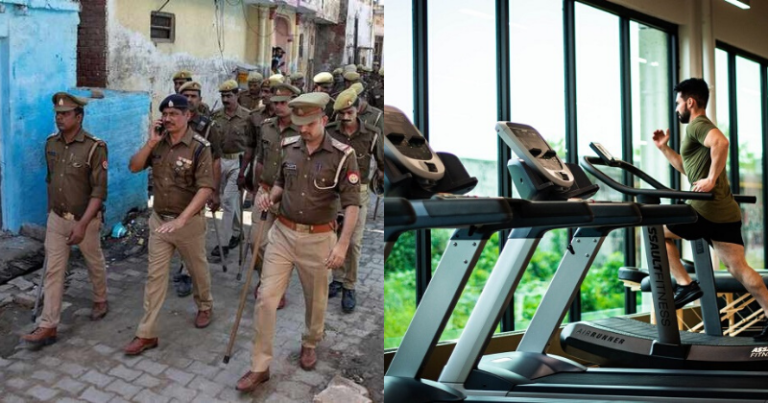
According to a Times Now report, 11 people and a gym owner were caught for running a gym in Delhi’s Shahdara Shivpuri area. Gyms have not been allowed to open in the National Capital. The police authorities got information about the gym’s operations and a team of cops raided the place while the shutter was half-open.

When the cops entered the gym, they found at least 10 people working out and the gym owner was also present, helping people to exercise. The police wasted no time in detaining all of those who were present.

The people who got detained during the raid were regular members of the gym and were unhappy about not being able to workout during the lockdown and due to the restrictions that followed. 

A case under section 188 (violating government orders) has been registered against the owner of the gym. The gym’s name is Ashi Fitness Centre and the owner – identified as Raheesh – and is a resident of Jagatpuri.

Police said the people who were exercising were residents of the same area. They were also not wearing masks, and were issued challans for the violation of COVID-19 rules.

After this incident, the police station stations in Shahdara district have been ordered to increase vigil in the area, and also carry out surprise checks to ensure no violation is taking place in that zone.

All images are used for representational purposes only.

Can Mosquitoes Transmit COVID-19 to Humans? Here’s What Experts Have to Say on Novel Coronavirus

Do mosquitoes carry the novel coronavirus and can they transmit Covid-19 to humans? Maybe not. In a new study, the researchers have confirmed that Covid-19 virus cannot be transmitted to people by mosquitoes.

The findings, published in the journal Scientific Reports, provide the first experimental investigation on the capacity of SARS-CoV-2, the virus that causes Covid-19 disease, to infect and be transmitted by mosquitoes.

“While the World Health Organisation (WHO) has definitively stated that mosquitoes cannot transmit the virus, our study is the first to provide conclusive data supporting the theory,” said study researcher Stephen Higgs from Kansas State University in the US.

For the results, three widely distributed species of mosquito — Aedes aegypti, Aedes albopictus and Culex quinquefasciatus — representing the two most significant genera of arbovirus vectors that infect people, were tested

Also, all three of the species are present in China, the country of origin of the novel coronavirus.

The study found that the virus is unable to replicate in three common and widely distributed species of mosquitoes and therefore cannot be transmitted to humans.

“We have demonstrated that even under extreme conditions, SARS-CoV-2 virus is unable to replicate in these mosquitoes and therefore cannot be transmitted to people even in the unlikely event that a mosquito fed upon a viremic host,” the study authors wrote.

“I am proud of the work we are doing at the university to learn as much as we can about this and other dangerous pathogens,” said Higgs.

Research has been ongoing with other animal pathogens that can be transmitted from animals to people, including Rift Valley fever, Japanese encephalitis, African swine fever and classical swine fever.

“We have remarkable talent and capabilities working within our research and training facility at the university’s Biosecurity Research Institute (BRI),” said study researcher Peter Dorhout.

Demand to postpone CET gets louder

0

BENGALURU/MYSURU: With just a few days left for the Karnataka – Common Entrance Test (CET), the demand to postpone the examination is getting louder. The K-CET is scheduled to be held on July 30 and 31. More than 52,000 students across Karnataka took to Twitter to protest against the decision. With the hashtag #postponekcet2020, the tweets topped the all-India Twitter trend list. According to a survey report by All India Democratic Students Organisation (AIDSO), over 96.9% of PU students across the state want the CET to be rescheduled. AIDSO members said that of the total 4,557 responses they received, 96.9% sought postponement of the test.

The members said that with a spike in Covid-19 cases across the state, it’s unscientific to hold the test, putting thousands of students’ lives at risk, and that they would protest to bring this to the notice of state officials. Meanwhile, the demand to cancel final-year UG, PG and engineering course exams also gained momentum and on Friday, a state-wide mass e-mail campaign, demanding cancellation of the exams, was started by AIDSO. The students also demanded that the state government reimburse the examination fee collected by universities.

“Following the state government’s decision and UGC guidelines to conduct online exams, we carried out a survey of students pursuing final-year degree exams where over 3,839 engineering students said they are not ready to face the exam in August, while 5,581 degree students said they are not ready to appear for exams, considering the situation. Meanwhile, 86.6% of students have said they are not ready to

even attend classes from August,” said AIDSO Mysuru district committee president Akash Kumar B N.

PU, degree, postgraduate and engineering students from across Karnataka participated in the state-wide ‘All Karnataka Protest Day’ in 30 districts. While in several states, Covid- 19 cases are still on the rise, the UGC has warned universities that if they fail to conduct examinations, action will be taken against them.

Dubai hospital waives off Rs 1 crore 52 lakh bill for Covid-19 patient from Telangana

0

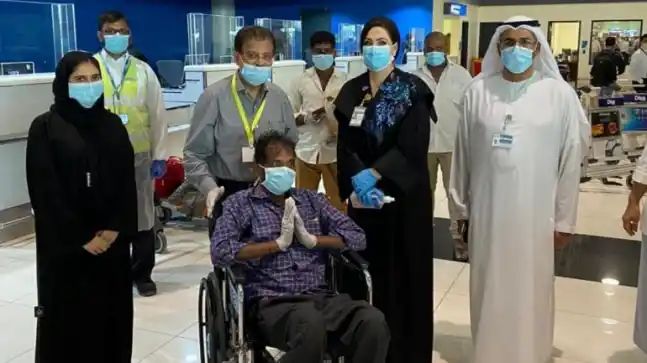
A man was sent back to his home town in Telangana after being treated for Covid-19 at a hospital in Dubai. The man’s hospital bill was also waived off and was given a free ticket and an amount of Rs 10,000.

Odnala Rajesh, 42, of Venugumatla village in Gollapalli Mandal of Jagtial district, Telangana was admitted to ‘Dubai Hospital’ in Dubai, UAE on April 23 due to some illness and was also tested positive for coronavirus. Rajesh, who recovered after 80 days of treatment, was discharged by the hospital and handed over a bill of 7,62,555 Dirhams (Rs 1 crore 52 lakh).

Gundelli Narasimha, president of the Gulf Workers Protection Society in Dubai, who had admitted the worker to the hospital and visited him regularly, brought the matter to the attention of Sumanth Reddy, an Indian Consulate volunteer in Dubai.

Volunteer Sumanth Reddy and Ashok Kotecha of BAPS Swaminarayan Trust requested Harjeet Singh, Consul (Labour) of Indian Consulate in Dubai to help the poor worker. Consulate Officer Harjeet Singh wrote a letter to Dubai Hospital management asking them to waive off the bill on humanitarian grounds and they responded positively and waived the bill and discharged the patient.

Ashok Kotecha provided free flight tickets to the patient Odnala Rajesh and his escort Dyavara Kankaiah and paid Rs 10,000 for pocket expenses. The patient and escort was sent by Air India flight from Dubai to Hyderabad on July 14. After reaching the Hyderabad airport at night, Telangana NRI officer E Chittibabu granted permission to a 14-day home quarantine and handed over the patient to his family members and sent him back to his native village.

Centre announces guidelines for number of online sessions by schools, recommends cap on duration of screen time for students

The Union Ministry of Human Resource Development (HRD) on Tuesday announced guidelines for online classes by schools and recommended a cap on screen time for students. The online classes for pre-primary students should not be for more than 30 minutes, asserted HRD Minister Ramesh Pokhriyal ‘Nishank’.

On the appropriate screen time, he added that two online sessions of up to 45 minutes will be held each for classes 1-8, and four sessions for classes 9-12. He said that COVID-19 pandemic has led to the closure of schools and has impacted over 240 million children of the country who are enrolled in schools.

Recommended screen time: 1) Pre Primary: On a given day for interacting with parents and guiding them, not more than 30 minutes; 2) Classes 1 to 12: Recommended to adopt/adapt the alternative academic calendar of NCERT at http://ncert.nic.in/aac.html , 3) Classes 1 to 8: Online synchronous learning may be undertaken for not more than two sessions of 30-45 minutes each on the days the states/UTs decide to have online classes for primary sections; 4) Classes 9 to 12: Online synchronous learning may be undertaken for not more than four sessions of 30-45 minutes each on the days as decided by States/UTs.

Extended school closures may cause loss of learning, he said, adding that to mitigate the impact of the pandemic, schools will not only have to remodel and reimagine the way teaching and learning have happened so far but will also need to introduce a suitable method of delivering quality education through a healthy mix of schooling at home and schooling at school.

Pokhriyal released PRAGYATA guidelines on Digital Education through an online medium in New Delhi in the presence of Minister of State for HRD Sanjay Dhotre was also present through online medium.

The Minister informed that PRAGYATA guidelines have been developed from the perspective of learners, with a focus on online/blended/digital education for students who are presently at home due to lockdown. He added that these guidelines on Digital/ Online Education provide a roadmap or pointers for carrying forward online education to enhance the quality of education.

The minister highlighted that the guidelines will be relevant and useful for a diverse set of stakeholders including school heads, teachers, parents, teacher educators and students. The guidelines stress upon the use of an alternative academic calendar of NCERT, for both, learners having access to digital devices and learners having limited or no access.

The PRAGYATA guidelines include eight steps of online/ digital learning that is, Plan- Review- Arrange- Guide- Yak(talk)- Assign- Track- Appreciate. These steps guide the planning and implementation of digital education step by step with examples.

Speaking on the occasion, Dhotre said that the PRAGYATA guidelines have been prepared by the Ministry of HRD to ensure the safety and academic welfare of the students. He said that online education has filled a lot of gaps during the pandemic but utmost care has to be taken while using digital technologies to educate the students.

He hoped that these guidelines will help students, teachers, parents, heads and other stakeholders to learn online safety practices. Dhotre also lauded the efforts of the Ministry to bring out PRAGYATA guidelines which will provide a safe and secure digital learning environment.

The guidelines outline suggestions for administrators, school heads, teachers, parents and students in the following areas:

* Need assessment
* Concerns while planning online and digital education like duration, screen time, inclusiveness, balanced online and offline activities etc level-wise
* Modalities of intervention including resource curation, level-wise delivery etc.
* Physical, mental health and wellbeing during digital education
* Cybersafety and ethical practices including precautions and measures for maintaining cyber safety
* Collaboration and convergence with various initiatives

These guidelines for school heads and teachers describe the need assessment, planning and steps to implement digital education while ensuring cyber safety and privacy measures. It also outlines the support to be provided to students with special needs. The main emphasis is on balanced online and offline activities keeping the screen time as an essential parameter in accordance with the level of students.

For parents, the guideline helps to understand the need for physical, mental health and wellbeing along with the cyber safety measures for children at home. Guidelines for physical health and mental wellness is stressed across the guidelines for all stakeholders measures so that children do not get overly stretched or stressed, or get affected negatively (postural defects, ophthalmic issues, and other physical problems) owing to prolonged use of digital devices. Also, it provides sufficient dos and don’ts regarding ergonomics and cyber safety.

The Guidelines also emphasize the need to unify all efforts related to digital/ online/on-air education, benefitting school-going children across the country. The initiative includes DIKSHA, SWAYAM Prabha, SWAYAM MOOCS, Radio Vahini, Shiksha Vaani, Special content for children with special needs and ITPAL. In a country like India characterized by multifarious diversity, switching over to digital modes of education needs various States/ UTs level organization and National level organizations to join hands for a change that will sustain post-COVID-19 also.

Airborne transmission of COVID-19: WHO issues new guidelines; here’s what you can do to stay safe

How is airborne transmission is different from droplet transmission? Here’s what you can do to stay safe from respiratory infections such as COVID-19.

Key Highlights

  • The World Health Organization has acknowledged that there’s possibility of coronavirus being spread in the air under certain conditons
  • The UN body releases new guidelines on COVID-19 transmission, including new scientific evidence available on the spread of the SARS-CoV-2
  • Here’s all you need to know about airborne transmission and what you can do to stay safe from the deadly virus

New Delhi: The World Health Organization (WHO) on Thursday issued new guidelines on the transmission of the novel coronavirus acknowledging some reports of airborne spread of the SARS-CoV-2 virus that causes COVID-19. In an updated scientific brief on COVID-19 transmission, the UN health agency said airborne spread of coronavirus can occur in health care settings where specific medical procedures generate very small droplets – aerosols. However, WHO said that more research is urgently required to elucidate the importance of different transmission routes of the virus.

The guidelines stated that understanding how, when and in what types of settings the SARS-CoV-2 virus spreads between people is critical for developing effective public health and infection prevention measures to break chains of transmission. WHO said current evidence suggests that COVID-19 transmission occurs primarily through direct, indirect, or close contact with infected individuals through their saliva and respiratory secretions, or through their respiratory droplets expelled when they cough, sneeze, talk or sing. The agency also said that asymptomatic people can also spread the virus to others, although it is still unclear to what extent this occurs and more research is needed in this area.

WHO stressed that high-quality research is urgently needed to understand the role of airborne spread of the SARS-CoV-2 in the absence of aerosol-generating procedures, the dose of virus required for transmission to occur, the settings and risk factors for superspreading events, as well as the extent of asymptomatic and pre-symptomatic transmission. In this article, let us tell you how airborne transmission is different from droplet transmission and what you can do to stay safe from respiratory infections such as COVID-19.

What’s the difference between airborne and droplet transmission?

Airborne transmission is different from droplet transmission. It tends to refer to the presence of microbes within droplet nuclei, which are generally considered to be particles <5μm in diameter.

“Airborne and droplet are two descriptions of one phenomenon. Microorganism that is less than 5 micrometers is called airborne and more than 5 micrometers is called droplet. Any person who has any bacterial, mycobacterial (TB and TB family) or viral respiratory infection – the disease can spread through the uncovered cough and sneeze of such person to others. Airborne material can travel up to 6-9 feet and droplets settle on some surfaces. The bacteria or virus can remain viable on surfaces for a few minutes to a few hours. If we touch such a surface and then touch our face/nose/mouth then there are chances that it may enter our respiratory system,” said Dr Samir Garde, Pulmonologist, Global Hospital, Mumbai.

Dr Garde further added that if anybody coughs or sneezes in front of others without covering it, then the material can enter the respiratory system – this is called getting infected. Getting infected and getting the disease are two different t things. Even if bacteria or viruses enter our respiratory tract, our immune system fights with it and kills them. So everyone may get infected but may not suffer from the disease. Depending on the type of illness – bacterial or viral – the doctors diagnose and treat the condition.

What you can do to prevent contracting respiratory infections

  • In the current scenario, it’s always best to wear a mask while venturing out in crowded areas to keep respiratory infections away.
  • Try to keep at least 3 feet physical distance and wash hands frequently with soap and water for at least 20 seconds.
  • Do not touch your face unnecessarily.
  • Practice respiratory etiquette.
  • Avoid crowded places, close-contact settings and confined and enclosed spaces with poor ventilation.
  • Ensure appropriate environmental cleaning and disinfection.
  • To maintain immunity, opt for Indian square meal and exercises like Surya Namaskar and Pranayam or any other cardiorespiratory fitness regimen. It can help your cardio-respiratory fitness and lowers blood pressure as well. Moreover, it also increases cardio-respiratory efficiency and respiratory capacity.

To prevent transmission, WHO recommends identifying suspect cases as quickly as possible, testing, and isolating all cases (infected people) in appropriate facilities.