KEY STORY
-
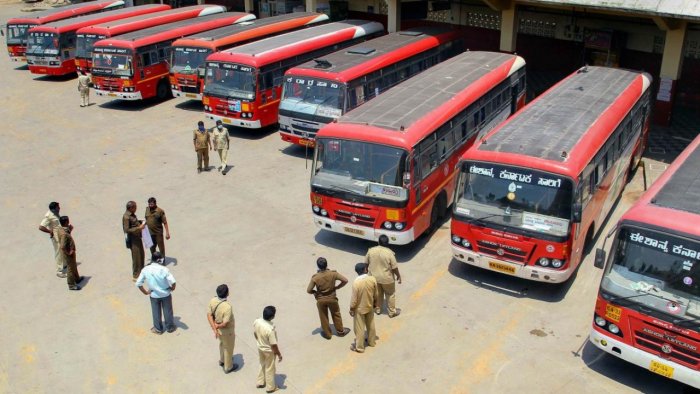
After suspending services for over 2 months due to Covid-induced lockdown, the Karnataka State Road Transport Corporation (KSRTC) is all set to resume inter-state bus service to Kerala from July 12. “With the easing of restrictions under unlock 3.0 since July 5 on movement of people and vehicles to and from neighbouring states, we have decided to resume our bus service to cities and towns across Kerala,” a corporation official said in a statement.
-
The KSRTC will resume its services from Bengaluru, Mangaluru, Mysuru, and Puttur in the state to select places in Kerala and follow complete Covid-19 protocol. Notably, the Karnataka state-run KSRTC suspended inter-state bus services amid the second wave of Coronavirus in April.
-
“Our services will resume from Bengaluru, Mangaluru, Mysuru and Puttur in the state to select places in Kerala under the standard operation procedure to ensure passengers follow the Covid appropriate behaviour,” said the official.
Covid Negative Report Mandatory
-
Meanwhile, the corporation has also made a 72-hour old negative test report mandatory for passengers coming into Karnataka from Kerala. This came in view of higher number of Covid cases being reported in neighbouring Kerala. “Passengers who have received even one dose of the vaccine should carry its certificate before boarding our inter-state buses,” said the official.
-
Students and others in Kerala visiting Karnataka daily for education, business and other reasons have to undergo RT-PCR test once in 15 days and possess a negative Covid test report.
-
Wearing face mask, washing hands and maintaining physical distance have been made compulsory for inter-state travellers.

KEY STORY
-
In order to end speculation on Karnataka College Reopening, the Deputy Chief Minister of Karnataka, C N Ashwath Narayan has confirmed that there are no plans of reopening yet. This comes at a time when some media reports had speculated Karnataka College Reopening to be around July 19, 2021.
-
The Deputy Chief Minister of Karnataka C N Ashwath Narayan told reporters, ” The dates of opening the degree classes will be decided after consulting with all the stakeholders.” He also mentioned that as of now the focus is only on vaccination of students who are above 18. As far as reopening goes, the government has now confirmed that nothing is final yet.
-
Earlier, Deputy Chief Minister had also asked the Vice Chancellors of Universities in the state to make sure that all students above 18 are vaccinated by July 7, 2021. This was done in the wake of reopening of colleges and resuming offline classes.
CONCLUSION
-
However, there has not been any update yet on that. Narayan had also mentioned that the date of reopening depends largely on the success of this vaccination drive.
-
In order to give momentum to the vaccination drive and reopening of colleges, the government of Karnataka had also coined a slogan. This slogan was ‘Marali College Ge’ (Back to colleges), as an attempt to motivate students of degree colleges to go back to colleges after vaccination.
KEY STORY
-
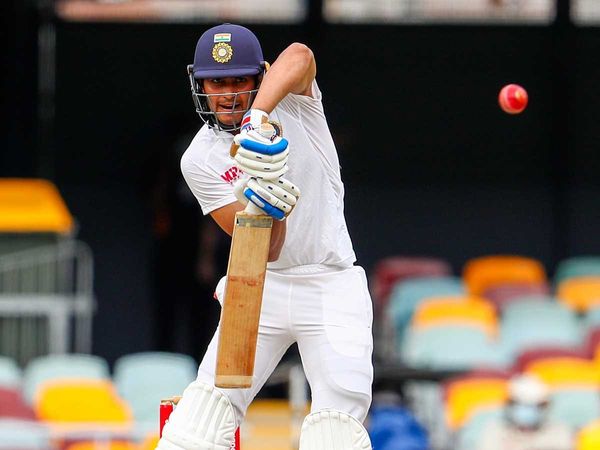
The last few days have seen a lot of talk around the Indian team management’s call for a replacement for injured opener Shubman Gill and the national selectors’ refusal to send any more players considering the touring party already has enough back-up players.
-
While there have also been unnecessary questions raised on whether the selection committee initially refused to pay heed to the request from the team, a senior board official has said that the whole episode could have been avoided if the manager had written to either the secretary or the acting CEO.
-
Speaking to ANI, the official said that the manager should have followed the protocol and written to either Jay Shah or Hemang Amin and the confusion could have very well been avoided.
-
“It is time for the team management to focus on the tour after the break. There has been a lot of chatter around this whole replacement business and the email from the team management to the chairman of selectors, which has apparently caused confusion in the minds of a lot of people except possibly the team management and the selectors. “I think this is on account of the fact that the team manager addressed the email to the chairman of selectors rather than to the BCCI’s acting CEO or the secretary,” the official explained.
-
“It is very simple, when you are on tour, if there is any requirement or difficulty, you are to speak or write to the secretary or the CEO or their office since they are your point of contact. You have to keep in mind that this is the Indian team’s tour and not a private tour and a system has to be followed.
-
“If funds are required, you do not just speak to the accountant and request a funds transfer because till the approvals are in place the chat would not mean anything, there is a system of checks and balances. Similarly, the selection committee is not empowered to unilaterally take a decision on the basis of an email. However, the selection committee can — if they feel the necessity — request the board if they wish to make changes and the board does usually accord approval for this.”
-
Elaborating further on why following the process was important in this case, the official said: “In the recent past a request for replacement has usually been discussed with the selection committee verbally and where the committee has agreed with the views of the team management they have taken up the matter with the board. In this case, too there was a verbal discussion and specific names were requested and the selectors had not agreed with the views of the team management. Therefore, if a mail had then to be written, it ought to have been to the acting CEO or the secretary.”
-
Explaining how there was a lapse in decision-making on part of the team management, the official said: “I am sure Girish Dongre and the Team Director and the captain who are marked on the email are well aware of the process as well. Therefore, this does not appear to be a well thought out decision to send out this email in this manner. This ought to have been avoided because you do not need this sort of a precursor to the tour.”
CONCLUSION
-
There has also been a trend in the recent past wherein the previous selection committee under the Committee of Administrators accepted every demand of the team management. The official explained that while it is all fair when decisions are taken in unison by both parties involved, the final call should always lie with only the selectors.
-
“Over the last year the selection committee has been giving the team management the replacements they have asked for and that is because of the fact that the choice of the selection committee has been coinciding with the choice of the team management. “They would however do well to accept the fact that it is not the job of the team management to select the squad or to insist on specific players as that can prove to be deeply conflicted decision making. That job is of the selection committee alone and even the office bearers cannot play a role in the selection,” the official said.
-
The official further pointed that differences in views should be taken in the right spirit and not seen as a breakdown in communication. “It is no surprise that the one time that there is a divergence in views, stories with motives being attributed to selectors start appearing and this must be avoided as this is unhealthy for Indian cricket and for the team management,” the official said.
KEY STORY
-
Leaving no stone unturned ahead of the possibility of the third wave of COVID-19, Prime Minister Narendra Modi chaired a high-level meeting on Friday to review the augmentation and availability of medical oxygen across the country. PM held the meeting with Principal Secretary to PM, Cabinet Secretary, Secretary Health, Secretary Ministry of Housing and Urban Affairs (MoHUA).
-
In view of the shortage of oxygen supply during the second wave of coronavirus, the Centre has been taking several measures to boost the production and supply of Oxygen. Both the Centre and state government have been working in coordination over the issue of Oxygen availability in hospitals.
-
While reviewing the ramping up of oxygen supply across the country, PM Modi said that over 1,500 PSA Oxygen plants are coming up across the country.
-
PM was informed that once all PSA Oxygen plants coming up through PM CARES would be functional, they would support more than 4 lakh oxygenated beds, the PMO said.
-
The prime minister directed the officials to ensure that the hospital staff gets adequate training on operation and maintenance of oxygen plants. Each district should have trained personnel, PM said.PM Modi asked officials to ensure oxygen plants are functional at the earliest, the Prime Minister’s Office informed.
-
“PM also said that we should deploy advanced technology like IoT to track performance and functioning of these oxygen plants at a local and national level. Officials apprised the PM about a pilot being done using IoT for monitoring the performance of the oxygen plants,” the PMO statement read.
-
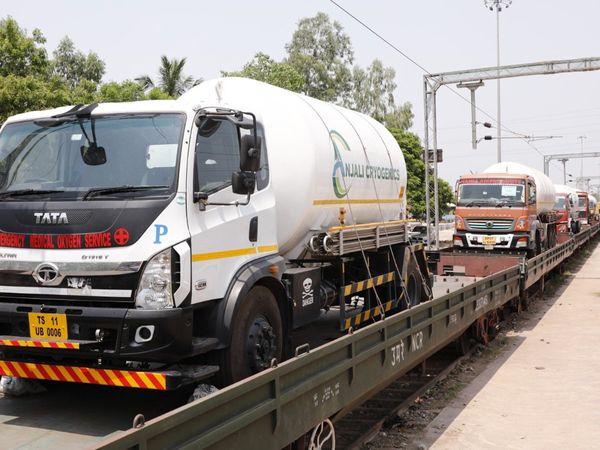
The Indian Railways have been at the forefront in ensuring timely delivery of Liquid Medical Oxygen (LMO) to different parts of the country. Oxygen Expresses crossed the milestone of 35000 MT of LMO delivery in service to the Nation, the Railways had informed on June 30.
-
Oxygen relief by Oxygen Expresses has supplied LMO to 15 states namely Punjab, Kerala, Delhi, Uttarakhand, Karnataka, Maharashtra, Rajasthan, Tamil Nadu, Haryana, Madhya Pradesh, Andhra Pradesh, Telangana, Uttar Pradesh, Jharkhand and Assam.
KEY STORY
-
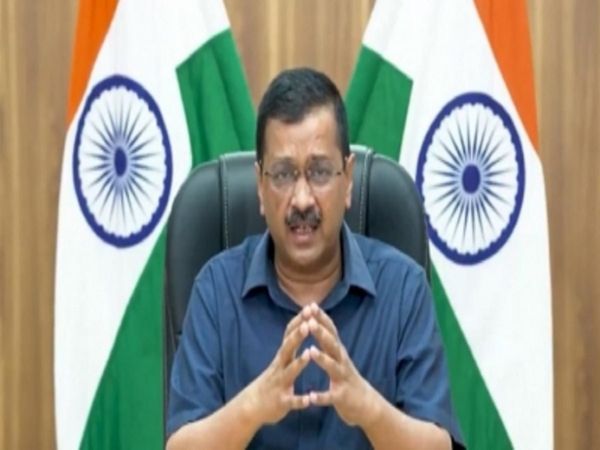
A ‘Graded Response Action Plan’ to deal with a possible third wave of the coronavirus was passed in a Delhi Disaster Management Authority (DDMA) meeting on Friday, Chief Minister Arvind Kejriwal said.
-
A Delhi government panel on managing the possible third wave of Covid has devised a colour-coded mechanism which prescribes a graded response, including the closure of most economic activities at the highest ‘Red’ level alert.
-
“The ‘Graded Response Action Plan’ was passed in the DDMA meeting today. No doubts will remain about when the lockdown will be imposed or when it will open. In the meeting, there was also discussion about the Delta plus variant. We have to stop this variant from spreading in Delhi, for which the government is taking all necessary steps,” Kejriwal tweeted in Hindi.
-
The colour codes based on positivity rate (on two consecutive days), cumulative number of new cases (over a week) and average oxygenated-bed occupancy (for a week) will designate four levels of alerts.
-
The graded response will involve restricting economic activities as per the level of alert linked with the severity of the pandemic. Shops and establishments of essential goods and services will be allowed to open during all the four levels of alerts.
-
“After detailed deliberations and presentations made by the health department and Indian Council of Medical Research (ICMR), it was decided to notify the Graded Response Action Plan that will objectively and transparently ensure an institutional and automatic response with regards to enforcement measures, lockdowns and unlock based on criteria such as test positivity rate and quantum of cases, an expert present at the meeting said.
CONCLUSION
-
Concerns arising out of new variants such as Delta Plus and LAMBDA were discussed at length and measures like vaccination, genome sequencing, testing, tracking and surveillance were suggested as the most effective steps to mitigate their spread, experts said.
-
People travelling in large numbers to tourist destinations and violating COVID-19-related guidelines were also flagged as an area of concern, they said
-
The meeting also stressed on having 12,000 ICU beds, sufficient oxygen, drugs and ambulances etc to deal with another surge in cases.
KEY STORY
-
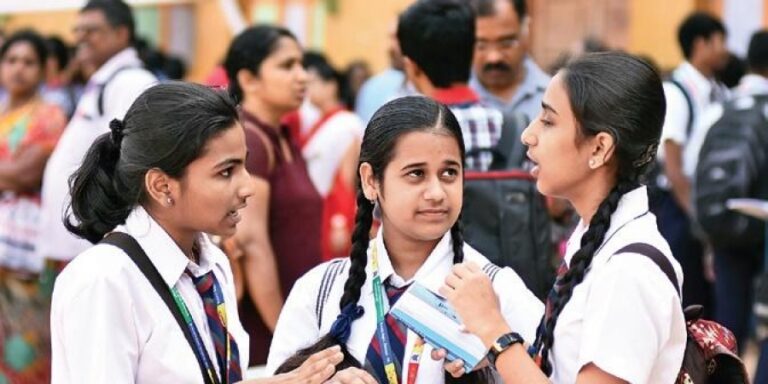
The department of Pre University Education has given second PUC students an opportunity to view their first PUC and SSLC marks (or class 10 marks) on the Student Tracking System (STS) portal.
- The link to check their scores will be made operative on July 10. Here is the link https:https://sts.karnataka.gov.in/SATSPU/#
-
In case of any discrepancies, the students must inform their college principals by July 12 and get it rectified.
-
The marks documented by the principal will be considered as final.
-
Students can view their marks by registering on the portal with their SATS (Students Achievement Tracking System) number or their student number or enrollment number.
-
Students can find their SATS number on the SSLC marks card or their transfer certificate.
KEY STORY
-
Facebook-owned messaging platform WhatsApp informed the Delhi High Court it won’t compel users to accept new privacy policy as it had been put on hold until Personal Data Protection Bill comes into effect. The court provided no interim protection to either Facebook or WhatsApp from CCI probe. The next hearing is on July 30.
-
It also clarified that it will not suspend services of users who opted not to accept the controversial new privacy update.
-
Representing WhatsApp, senior Advocate Harish Salve tells Delhi HC that Whatsapp has responded to MEITY’s notice seeking a response. “WhatsApp will not limit functionality for some time and continue to show users the update until Data Protection Bill comes into force.”, he adds
-
Delhi High Court is hearing Facebook and WhatsApp pleas challenging a single-judge bench order dismissing their pleas against the Competition Commission of India (CCI) decision.
CONCLUSION
“Update which triggered CCI probe has been put ‘voluntarily’ on hold. It PDP does not permit the revised privacy policy, the policy will anyways not stand. Will execute privacy policy only of Parliament allows. We can’t be prosecuted if Parliament allows data sharing,” WhatsApp told the single-bench court.
-
Last month the court had refused to stay the notice given by CCI to Facebook asking it to provide further information in relation to a probe it had initiated against the social media giant-owned messaging platform’s new privacy update which caused a panic.
-
Even as the country battles the ongoing airborne COVID-19 pandemic, a vector-borne contagion – Zika virus – has been detected in samples taken from patients in Kerala. The southern Indian state has reported its first case of Zika virus this year, Kerala’s health minister Veena George said on Thursday.
-
A 24-year-old pregnant woman was down with fever, headache and rashes last month. The first results showed a mildly positive sign of Zika virus and later from 19 samples tested, 13 also showed Zika positive. All the samples have now been sent to NIV Pune, George said.
-
This is not the first time Zika virus cases have been reported in India. Several states of India, including Rajasthan, Madhya Pradesh, and Gujarat had reported Zika virus cases in the year 2018.
-
In December 2018, Union Minister of State for Health Anupriya Patel had informed the Rajya Sabha that more than 280 cases of Zika virus infection, including two deaths, were reported from three states in India from September to November 2018.
Where in the world was the Zika virus first detected?
According to the WHO, the Zika virus was first identified in Uganda in 1947 in monkeys. It seems to have jumped to humans and was first detected in humans in 1952. The year 2015 witnessed a serious Zika virus outbreak across the world with over 1.5 million people infected in more than 70 countries. Fortunately for India, then, there were no cases detected in India as most cases being reported were in Africa, the Americas, Asia and the Pacific.
What is the Zika Virus?
-
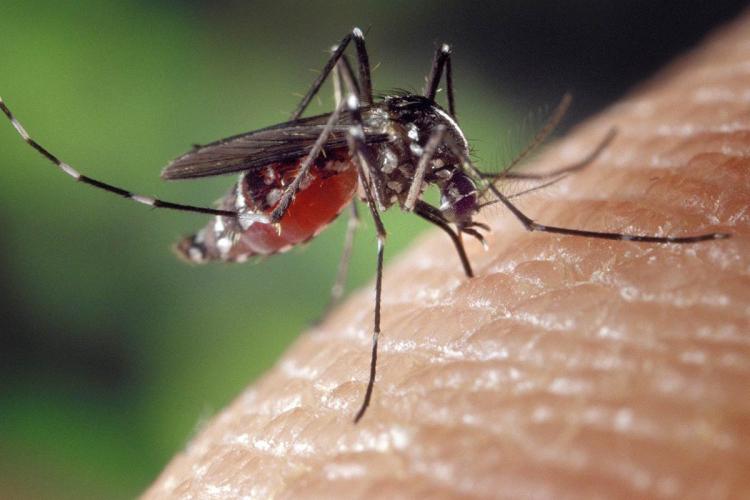
Zika virus illness is spread via mosquitoes as vectors.
-
When these Aedes aegypti, mosquitoes that carry the flavivirus bite humans, the virus is transmitted to the latter.
-
The Aedes mosquitoes are known to bite during the daytime (early mornings or late afternoon/evenings).
-
The Aedes aegypti mosquito is mostly found in tropical and subtropical regions.
-
Aedes mosquitoes are the same mosquito that transmits dengue, chikungunya and yellow fever. Zika virus can spread not just through mosquito bites, but also through the exchange of body fluids like blood transfusion, unprotected sex etc between one infected partner and the other not yet infected. A pregnant mother – if infected by the Zika virus – can transit illness to the unborn child.
These people are more vulnerable:
Though this virus can cause infection in anyone bitten by an infected mosquito, it is pregnant women, people with comorbidities, and those with compromised immunity who must be extra careful. The reason is quite simple. The vulnerable ones will suffer more and are likely to develop life-threatening complications. Zika virus can be transmitted from mother to fetus during pregnancy, through transfusion of blood and blood products, organ transplantation or sexual contact. If infected while being pregnant, the disease can be passed from the mother to her unborn child. The pregnant mother and unborn child face these threats:
-
Pre-term birth or a miscarriage
-
A birth defect called microcephaly
-
Other severe foetal brain defects
-
Congenital Zika syndrome
Zika virus infection can also trigger the Guillain-Barre syndrome, neuropathy and myelitis, particularly in adults and older children.
The signs and symptoms of Zika virus disease:
-
Mild fever
-
Rash
-
Red-eye or Conjunctivitis
-
Muscle and joint pain, and
-
Headache
-
Fatigue or a general feeling of discomfort
-
Abdominal pain
These symptoms usually last 2-7 days but there are also people with the infection who do not exhibit or feel any symptoms.
Vaccine for the Zika virus:
No vaccines are yet available for the prevention of the Zika virus, hence, the development of a safe vaccine remains an active area of research. As of a paper published on April 1, 2021, by the University of Connecticut, a successful Zika vaccine is in preclinical studies. UConn researcher Paulo Verardi, associate professor of pathobiology and veterinary science in the College of Agriculture, Health and Natural Resources, has demonstrated the success of a vaccine against Zika virus and recently published his findings in Scientific Reports, a Nature Research publication. Verardi and his associate Jasperse found that mice who received just a single dose of the vaccine mounted a strong immune response and were completely protected from the Zika virus infection. They did not find any evidence of the Zika virus in the blood of challenged mice who were exposed to the virus after vaccination. But a vaccine that is approved by the US-CDC and the WHO and globally available commercially is still far away.
The treatment for Zika virus infection:
According to the Mayo Clinic of the US, there is no specific treatment for infection with the Zika virus. To help relieve symptoms, get plenty of rest and drink plenty of fluids to prevent dehydration. The over-the-counter (OTC) medication acetaminophen (Tylenol, others) may help relieve joint pain and fever. But do not self-medicate or self diagnose. Reach a doctor and only under medical supervision – take the prescribed treatment.
The method of diagnosis: What tests confirm Zika virus infection?
If your doctor suspects that you may have a Zika virus infection, he or she may recommend a blood or urine test to confirm the diagnosis. The blood or urine samples can also be used to test for other, similar mosquito-borne diseases.
How to prevent Zika virus infection?
Remember the Aedes Aegypti mosquito which carries the Zika virus is active (bites) from dawn to dusk. Zika virus can be prevented by protecting the body against mosquito bites during the day while paying special attention to the prevention of mosquito bites in pregnant women, young women of reproductive age, and young children. Using barrier contraceptives to prevent transmission of the virus through sexual transmission can be adopted.
-
If you are living in or travelling to areas where the Zika virus is known to be, take steps to reduce your risk of mosquito bites:
-
Ensure that the house is mosquito-free.
-
Doors and windows are well-ventilated but disallow entry to mosquitoes and insects by using fine nets and wire meshes on door/window frames.
-
Plug any other insect-breeding or insect-entry points.
-
Ensure that there is no stagnant water in and around the house.
-
Use insect repellent appliances/medicines. Use the clinically tested ones that can be applied to your clothing, shoes, camping gear and bed netting.
-
Consider sleeping under a mosquito bed net, especially if you are outside.
-
When you go into mosquito-infested areas, wear a long-sleeved shirt, long pants, socks and shoes.
-
Advice on pregnancy and child-planning in Zika times:
Plan pregnancy carefully, says Mayo Clinic website.
If you are planning to become pregnant, and either of the two partners are to travel to an area affected by mosquito-borne illnesses, your doctor may suggest you and your partner wait to try to conceive for two to three months after return from the travel to a Zika-affected region.
Practice safe sex. If you have a partner who lives in or has travelled to an area where there is an outbreak of the Zika virus, the US-CDC recommends abstaining from sex during pregnancy or using a condom during all sexual activity.
KEY STORY
-
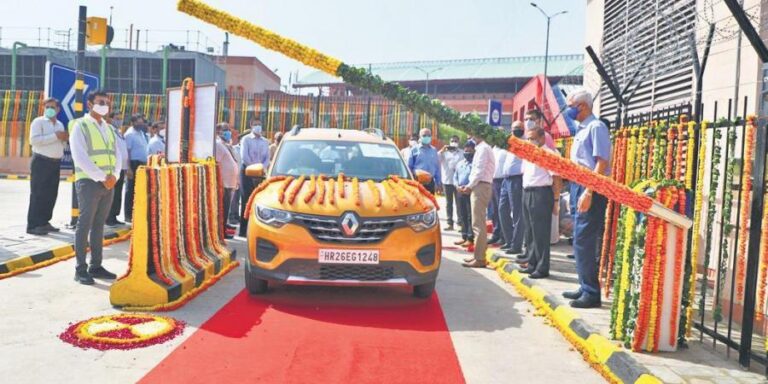
The Delhi Metro on Tuesday launched India’s first FASTag/ UPI-based parking facility at Kashmere Gate Metro Station. “The cashless parking project is a major step as part of the government’s ‘Digital India’ initiative. We have taken this up as a pilot project.
-
After observing the response, we will plan similar systems at other stations. In fact, we will explore more opportunities to go digital wherever there is a scope,” said Dr Mangu Singh, DMRC MD. The exclusively cashless parking facility located at Gate No. 6 of the Kashmere Gate Station can accommodate 55 fourwheelers and 174 two-wheelers.
-
The entry/exit and payment of four wheelers can be done through the FASTag. DMRC said that collecting parking fee through digital mode will save time. However, the facility can be availed only by vehicles with FASTag. Two wheeler users can use the facility by swiping their DMRC smart card.
-
“The smart card swipe is only for registering at the time of entry/exit and fare calculation and no money will be deducted from the card. The parking fee can be paid by UPI apps by scanning the QR code,” said DMRC.
-
Besides, as part of its Multi- Modal Integration (MMI) initiative, the DMRC inaugurated dedicated Intermediate Public Transport (IPT) lanes for auto, taxi and e-rickshaws. After completion of the second phase of MMI, Kashmere Gate will become a transportation hub, integrating metro connectivity on three lanes, ISBT Kashmere Gate, City Bus Service and taxi / auto/e-rickshaw services.
KEY STORY
-
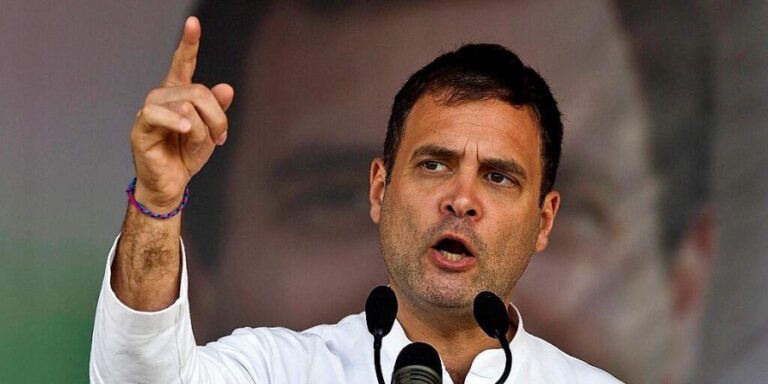
Congress leader Rahul Gandhi once again took a dig at the alleged deficiency of vaccines against the coronavirus disease (Covid-19) in India, at a time when Mansukh Mandaviya replaces Dr Harsh Vardhan as the health minister of the country. Mandaviya took charge of the Union ministry of health and family welfare on Thursday, a day after Prime Minister Narendra Modi’s rejig of the Union cabinet.
-
The change in the portfolio comes at a crucial juncture when India is in the middle of an unprecedented global pandemic, with reports of vaccine shortages plaguing various parts of the country.
“Does this mean no more vaccine shortage?” the Congress leader asked, popping his post with the hashtag “#change”. Rahul Gandhi’s veiled jibe at the cabinet reshuffle seems to have pointed out a question: If the new health minister would respond to the issue of vaccine deficiency, or if he would follow in the footsteps of his predecessor who frequently hit back against critiques over the same.
1...532533534...883Page 533 of 883