SBI Customers Need To Pay More For ATM, Branch Cash Withdrawals, New Cheque book! Check Revised Service Charges

KEY STORY

  • New Delhi: SBI Service Charges have been revised! State Bank of India has changed its charges for money withdrawal from SBI ATMs and branches, and getting cheque book. These changes are meant for basic savings bank deposits (BSBD) account holders, according to reports.
  • SBI’s new revised service charges for basic savings bank account holders will be applicable from July 1, 2021. Here are changes that SBI customers take note.

SBI ATM Withdrawal Charges

  • If you withdraw money from SBI ATM more than four times, you have to pay Rs 15 plus Goods and Services Tax (GST) per withdrawal transaction in a month. The first four withdrawals from SBI ATMs are free.
  • So, plan your expenditure as much as possible. In case there is emergency, you can withdraw money from SBI ATMs more than four times by paying the mentioned services charges to State Bank of India.

SBI Branch Withdrawal Charges

  • Like SBI ATMs, you have to remain careful about the number of withdrawal transactions to avoid paying extra from pocket. SBI has changed its rules and regulations for cash withdrawal from State Bank of India branches. While the first four withdrawal transactions per month are free, beyond that will fetch extra charges from SBI customers.
  • If SBI customers withdraw money from the branches of State Bank of India more than four times in a month, then she or he needs to pay Rs 15 plus GST per cash withdrawal transaction from July 1 this year.

SBI Cheque book Charges

  • Along with SBI ATM and branches cash withdrawals, State Bank of India has brought new rules for issuing cheque books. State Bank of India will provide 10 cheque leaves for free in a financial year.
  • If SBI customer requires more than that then he or she needs to pay Rs 40 plus GST for 10 leaf cheque book. If the SBI customer needs 25-leaf cheque book, he or she needs to pay Rs 75 plus GST for 25-leaf cheque book.
  • In case of emergency cheque book, SBI will levy a charge of Rs 50 for 10-leaf cheque book.
  • However, senior citizens have been kept out of the ambit of new service charge for cheque book.

No! Facebook, WhatsApp And Twitter Will Not Be Banned in India Anytime Soon: Check What New IT Rules Say

KEY STORY

  • As there was massive panic among social media users that Facebook, WhatsApp And Twitter will be banned in the country, the new IT rules have addressed their concern. As per the new IT rules, these social media platforms will not be banned in the country anytime soon.
  • The new Information Technology (Intermediary Guidelines and Digital Media Ethics Code) Rules 2021, also known as the new IT Rules 2021, has come into effect from today. This new rule came into effect after a three-month window was given to large social media networks to comply with these guidelines, which were first released in February.
  • As per the new rules, the large social media platforms are clearly defined as those having more than 50 lakh registered users, which means Facebook, Twitter, Instagram and the made in India Koo app, all get categorized as large social media platforms.
  • The new IT rules stress that the social media platforms need to appoint a resident grievance officer as part of a larger grievance redressal mechanism, active monitoring of content on the platform, monthly compliance reports for Indian users and self-regulation mechanisms.
  • There was absolute panic among social media users that if these platforms don’t comply with the new IT Rules 2021, then they would be getting banned in India. This is where the subsection 1 of the section 79 of the IT Rules 2021 comes into play.
  • This subsection clearly mentioned in the new IT Rules 2021 which says when an intermediary fails to observe these rules, the provisions of sub-section (1) of section 79 of the Act shall not be applicable for such intermediary and the intermediary shall be liable for punishment under any law for the time being in force including the provisions of the Act and the Indian Penal Code.
  • Moreover, the section 79 of the new IT rules specifically gives digital media platforms such as Facebook, Twitter, YouTube and WhatsApp immunity against liability for posts made on their networks, third party information or data.
  • In such cases, if the social media platforms do not comply with the new IT Rules 2021, it has been clearly mentioned that the this legal immunity will be withdrawn and digital media platforms will be part of the legal proceedings.
  • The sub-section 1 of section 79 of the IT rues also stated that notwithstanding anything contained in any law for the time being in force but subject to the provisions of sub-sections (2) and (3), an intermediary shall not be liable for any third-party information, data, or communication link made available or hosted by him.
  • This is simply meaning that as the new IT Rules 2021 come into force from today, social media apps including Facebook and Twitter could at best face a rap on the knuckles for non-compliance with the new rules with regards to any legal proceedings in India, which will hold them responsible for the content that may be shared or posted on their platforms. However, the new IT Rules 2021 do not mention any ban for non-compliance.

WhatsApp files lawsuit: 

  • Earlier in the day, WhatsApp has filed a lawsuit in the Delhi High Court challenging the government’s new digital rules saying the requirement for the company to provide access to encrypted messages will break privacy protections. The petition, filed on Tuesday evening, seeks declaring the rule requiring the message service provider to identify the first originator of any message flagged as a violation of privacy rights provided by the constitution.

CONCLUSION

  • On Tuesday, Facebook and Google issued a statement saying the companies will comply with the new IT rules of the country. A Google spokesperson said the company has consistently invested in significant product changes, resources and personnel to ensure that it is combating illegal content in an effective and fair way, and to comply with local laws in the jurisdictions it operates in.
  • “We realise that our work in keeping our platforms secure is never done and we will continue to refine our existing approaches, and evolve our policies and be as transparent as possible about how we make decisions, the spokesperson said.


I’m her mate, not master: Irfan Pathan responds to critics after receiving hate over wife’s blurred picture

KEY STORY

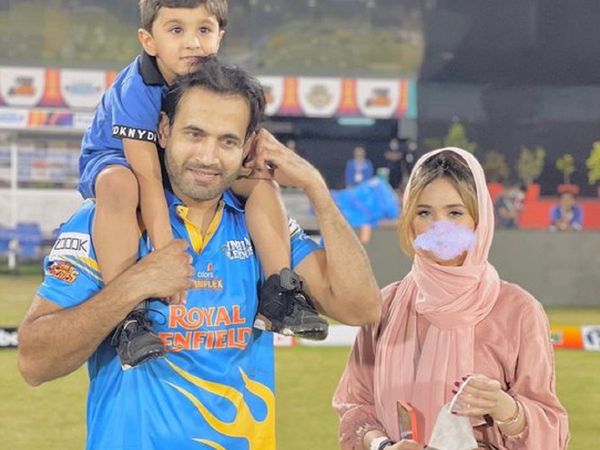
  • Former India cricketer Irfan Pathan on Tuesday responded to the critics after receiving ‘hate’ over a blurred picture of his wife. “I am her mate not her master,” said Irfan as he slammed those pointing fingers at him for not allowing his wife to reveal her face on social media. The cricketer took to Twitter to share a sharp message.
  • Irfan’s wife Safa Baig recently shared a picture of herself, Irfan, and their son Imran’s picture on Instagram from her son’s official account. A section of users didn’t like the fact that Safa had chosen to blur her face in the picture and criticised the former Indian cricketer.
  • Irfan took to Twitter to respond and clarified that his wife chose to blur her face on her own. “This picture is posted by my queen from my son’s account. We are getting lot of hate. Let me post this here as well. She blurred this pic by her choice. And Yes,I’m her mate not her master;). #herlifeherchoice,” he wrote on Twitter while sharing the same picture.

  • Irfan remains quite active on social media and often shares his views on cricket and other burning topics around the globe. The former cricketer had recently slammed Bollywood actress Kangana Ranaut on Twitter after the actress took a dig at him over his tweet supporting Palestine in the Israel-Palestine conflict that saw violence on both sides.

CONCLUSION

  • Pathan had slammed Kangana for spreading ‘hate’ and asserted that his tweets are meant for humanity. The former all-rounder, who retired from cricket in January 2020 continues to remain associated with the game as a commentator and an expert. He played 29 Tests, 120 ODIs and 24 T20Is in his international career.
  • Pathan amassed 1105, 1544, and 172 runs in the three formats respectively while also picking up a total of 301 wickets across formats. His last appearance for India came in a T20I against South Africa in 2012.

Brown rice vs white rice: Which one is better for weight loss?

KEY STORY

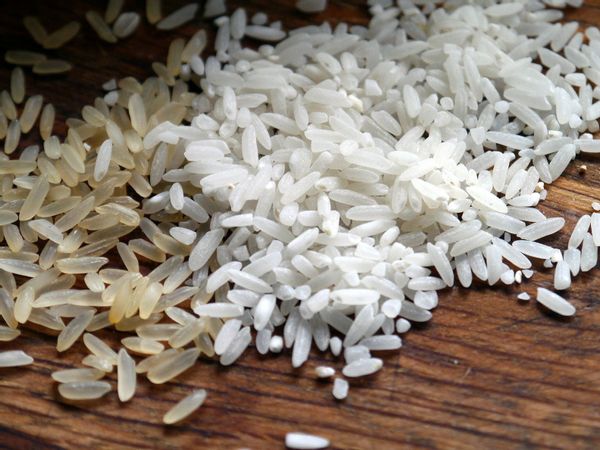
 Be it through a bowl of hot rajma chawal or through a spicy plate of chicken biryani, rice has been an integral part of every Indian’s diet. Rice is a staple food in parts of India and preparation of several dishes include rice as its main ingredient. This makes it difficult to refrain from rice consumption. The major reason behind people’s scepticism in rice consumption is weight gain. While both are a part of people’s diets across the globe and can offer health benefits, here is what you should know before picking a type.

White rice vs brown rice

Both white and brown rice is a source of carbohydrates. The main difference between brown and white rice is that brown rice is whole grain and white rice is refined. Due to the presence of germ and bran in brown rice, the nutrition value of the same is increased significantly as compared to white rice. Here is how white and brown rice differ from each other:
  1. The fibre content in brown rice is higher than white rice.
  2. Brown rice has a higher content of magnesium which is an essential nutrient helpful in managing the blood sugar levels in the body.
  3. In comparison to white rice, brown rice has higher levels of phosphorus, iron, antioxidants, and vitamins. However, brown rice also contains a higher level of arsenic than white rice. Arsenic is a toxic metal and excessive consumption of the same can lead to the development of chronic health conditions.

White rice vs brown rice for weight loss

When working on a weight loss plan, one must be considerate about calorie consumption. When talking in terms of calories, brown rice contains lesser calories than white rice. Furthermore, brown rice has more fibre content than white rice. Foods that have high fibre content can help improve metabolism and the digestive system, thereby aiding weight loss. In conclusion, brown rice is a better option when dealing with weight management.
Disclaimer: Tips and suggestions mentioned in the article are for general information purpose only and should not be construed as professional medical advice. Always consult your doctor or a dietician before starting any fitness programme or making any changes to your diet.

Akshay Kumar to help 3600 dancers with monthly ration amid COVID-19 pandemic

KEY STORY

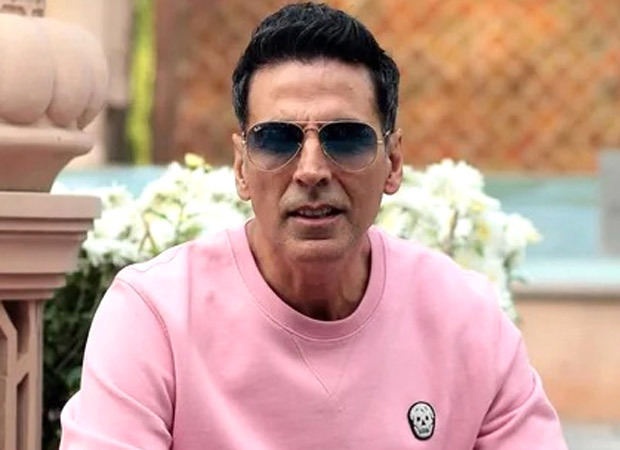
  • The COVID-19 pandemic and the second wave have once again left many in trouble, jobless. In the film industry, shootings have been either shifted to different cities or shoots have come to a halt owing to the surge in cases. Amid this, Akshay Kumar has stepped up to help 3600 dancers with monthly ration amid the COVID-19 pandemic.
  • Choreographer Ganesh Acharya said that for his 50th birthday, Akshay Kumar had asked him what he wanted and Acharya requested him to help 1600 junior choreographers and aged dancers and about 2000 background dancers with a month’s ration. Acharya revealed that Akshay Kumar agreed to this.

CONCLUSION

  • Through Ganesh Acharya Foundation. the choreographer’s wifeis also deeply involved as she is personally overseeing the distribution and packing of the ration which is being done areawise keeping the COVID-19 protocols in check.
  • He revealed that the dancers and the choreographers who are registered with them will either get money to afford the essentials or the ration kit to feed their families. The decision is completely for the dancers to make.

Karnataka sets up Special Task Force to eliminate single use plastic

KEY STORY

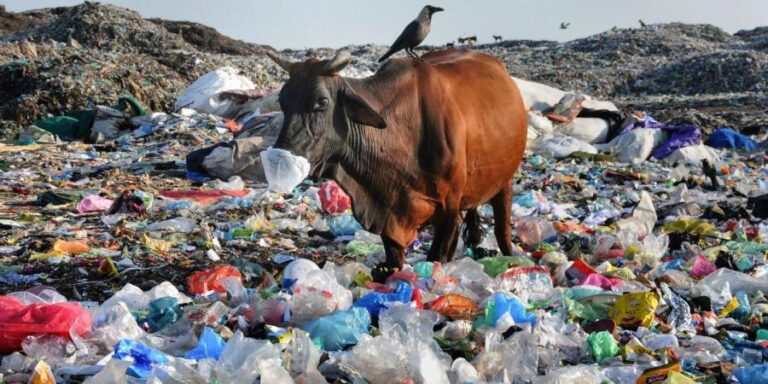
  •  The Karnataka government has constituted a 16-member Special Task Force for taking measures to eliminate single use plastic in the state.
  • The meetings of the task force will be convened once in two months, an order said, adding, the Chairperson may co-opt members as required.
  • “The government is pleased to constitute a State Level Special Task Force under the Chairmanship of Additional Chief Secretary to Govt of Karnataka for preparing a comprehensive action plan for elimination of single use plastics and implementation of Plastic Waste Management Rules, 2016 and implementing it in mission mode,” the order said.
  • The task force has either Additional or Principal secretaries of various departments as its members, and Member Secretary, Karnataka State Pollution Control Board will be its “Member Convener”.
  • The Union Ministry of Environment, Forest and Climate Change, as per the decision taken in the PRAGATI meeting held by the Prime Minister on January 24, had requested the state government to constitute a Special Task Force.
  • The state government has also designated the Directorate of Municipal Administration as the nodal department for urban areas and Rural Drinking water and Sanitation Department as nodal Department for Rural areas.
  • For effective implementation on the ground, the District/City Level Task Force has been constituted.
  • It will be headed by Chief Commissioner of Bruhat Bengaluru Mahanagara Palike (BBMP) in Bengaluru, and Deputy Commissioners in districts.

CONCLUSION

  • The Union Ministry of Environment, Forest and Climate Change has notified the Plastic Waste Management Rules, 2016 prohibiting plastic carry bags less than 50 micron.
  • The Department of Forest, Environment and Ecology, Government of Karnataka in 2016 had notified the ban on selling and usage of all types of plastic carry bags, plastic banners,buntings and flex, plastic flags, plastic plates, cups, spoons, sheets spread on dining table and thermocol across the State.

Govt urges Gram Panchayats to focus on local containment

KEY STORY

  • As part of its efforts to contain the spread of Covid-19 in rural areas, the government has directed Gram Panchayats (GP) to declare areas reporting a high number of cases as ‘micro-containment zones’ and take appropriate measures.
  • Chief Minister BS Yediyurappa will interact directly with members of Gram Panchayats via video conference on Wednesday, to discuss measures taken to contain the virus. “We have directed officials to focus on micro-containment zones as it is not possible to contain the spread of Covid without such measures.
  • Medicines and ration will be provided to families,” Home, Law and Parliamentary Affairs Minister Basavaraj Bommai told the media here on Tuesday.
  • Panchayat Development Officers (PDO), health department staff and officials from jurisdictional police stations will keep a watch on containment zones, and doctors have been directed to visit villages to monitor the situation, he said.

CONCLUSION

  • Primary and secondary contacts of Covid patients will be tested compulsorily, and Vitamin C and zinc tablets will be given to primary contacts, he said.
    The government is focusing on the spread of infection in rural areas, and there are signs of improvement in the situation in Bengaluru, the minister said. District-level officers have been given more responsibilities, including imposing lockdown in districts, he added.

These States Are In Favour Of Holding Class 12th Board Exams Amid Pandemic

KEY STORY

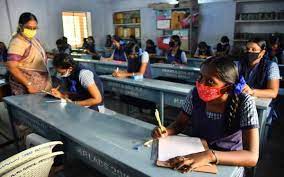
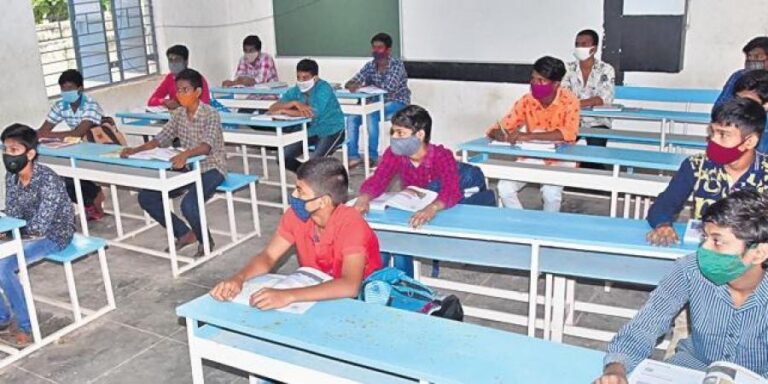
  • While the country is reeling under the second wave of coronavirus, several state boards have decided to conduct the 12th board exams. The decision to hold the Class 12 board exams has come after the Union Government in a meeting on May 23 decided on holding the Class 12 board exams but has left state governments to decide on their own school boards.
  • During the virtual meet, two proposals had been placed before states – one was to hold exams in only 19 “major subjects” and the second was to hold exams in schools but they would be of the objective-type only and of a much shorter duration.
    • The Central Board of Secondary Education (CBSE) is inclined to conduct the CBSE Class 12 board exam 2021 between July 15 and August 26, 2021. However, during the meet, the board also suggested that students who miss the exams in the first phase due to reasons associated with COVID-19 will be allowed to take the exams again.

      States In Favour Of Conducting Class 12th Exams

      Although detailed suggestions from the states to the Union Ministry of Education has been sought by today, several states including Chhattisgarh, Kerala, Karnataka, Tamil Nadu and Haryana have already proposed holding the exams.

      Karnataka Class 12 Board Exam

      Karnataka Primary and Secondary Education Minister Suresh Kumar on Sunday said it was necessary to hold the second year Pre university Class 12 exams , in the interest of students’ future. An appropriate decision will be taken in the days to come, considering various aspects and the Centre’s suggestions, he said.

      CGBSE 12th Board 2021 Exams

      The Chhattisgarh Board of Secondary Education (CGBSE) will conduct the Class 12th exams from June 1 to June 5. While the students will be required to take the exams in offline mode, they can appear for the Class 12 board exams from home.

      Tamil Nadu Class 12 Board Exam

      The Tamil Nadu Government also proposed conducting the exams after COVID-19 situation subsides in the state. “Like other states, Tamil Nadu also wanted to conduct the Class 12 board exams as it plays an important role in deciding students career,” School Education Minister Anbil Mahesh Poyyamozhi said.

      GSEB Class 12 Board Exam

      Gujarat Education Minister Bhupendrasinh Chudasama has said that the GSEB Class 12 Board examinations will be held “as per the existing system” for Science and General streams. The Board, according to reports, has decided to conduct Class 12 board exams for Science and General Streams from July 1. In the Science papers, the first part will have multiple-choice questions (MCQs) while the second part will comprise descriptive-type questions.

      Haryana Board HBSE Class 12 Exams

      As per reports, the Haryana Education Minister Kanwar Pal on Sunday said that the board is ready to hold the Class 12 HBSE between June 15 and June 20.

      MP Board Class 12th Exams

      The Madhya Pradesh (MP) Board will announce a decision on whether to conduct the Class 12 exams or keep the examinations on hold in the first week of June. While announcing that the decision on Class 12th exams will be taken on the first week of June, Minister of State for School Education (Independent Charge) and General Administration Inder Singh Parmar also said that the health and safety of the candidates will be given top priority.

      Assam Board Matric, HS Exams 2021

      The Assam Government, as well, is ready to hold the board exams and has proposed that the students who will be appearing for the High School Leaving Certificate (HSLC), or Matric exams, and Higher Secondary (HS) exams can appear in three papers only. “The students who are appearing for Matric or the higher secondary exams this year can appear in three subjects only,” Assam Education Minister Ranoj Pegu. The minister also informed that a discussion with the Board of Secondary Education Assam (SEBA) and Assam Higher Secondary Education Council is underway and a proposal has already been submitted.
      States including Delhi, Jharkhand and Maharashtra have opposed the decision to conduct the Class 12 exams.
      Delhi Deputy Chief Minister Manish Sisodia said his government is not in favour of the options being explored by CBSE to conduct the exams and going ahead with the process without vaccinating students will prove to be a big mistake.
      Maharashtra Education Minister Varsha Gaikwad said the option for “non-examination route” for Class 12 students should be actively examined keeping in mind the projection that children are more vulnerable to new strains of coronavirus.
Govt of India amends Covid-19 clinical management protocol – Know the new rules

KEY STORY

  •  The coronavirus pandemic in India is at an advanced stage where the novel virus has mutated multiple times to emerge into a severely-potent form that has led to a devastating second wave of the Covid-19 outbreak.
  • The central government is simultaneously also carrying out a massive vaccination programme to ensure citizens are equipped to fight the deadly virus as much as possible.
  • As the qualities of the virus continue to evolve with each passing day, the Ministry of Health and Family Welfare has also come out with an amended Covid-19 management protocol m to cope with the illness in case of an infection.
  • “The median incubation period is 5.1 days (range 1–14 days). The precise interval during which an individual with COVID-19 is infectious is uncertain. As per the current evidence, the period of infectivity starts 2 days prior to onset of symptoms and declines rapidly within the first week of symptom onset,” the Health Ministry said.
  • The persons infected by the novel coronavirus are the main source of infection. At present, a majority of the transmission is believed to occur predominantly through the airborne route and droplet released when the infected person coughs, sneezes, or talks.

How are cases categorised?

Types of Covid-19 cases in India

What are the clinical features of the infection?

Covid-19 patients reporting to various treatment facilities have reported/ are reporting the following signs and symptoms:
Fever, cough, general weakness/ fatigue, headache, myalgia, sore throat, coryza, dyspnoea, anorexia/nausea/vomiting, diarrhoea, altered mental status
Loss of smell (anosmia) or loss of taste (ageusia) preceding the onset of respiratory symptoms has also been reported. Loss of smell has been shown to increase the pre-test probability of presence of SARS-COV-2.
Older people and immune-suppressed patients in particular may present with atypical symptoms such as fatigue, reduced alertness, reduced mobility, diarrhoea, loss of appetite, delirium, and absence of fever. Children might not have fever or cough as frequently as adults.

Management of mild cases

Mild cases can be managed at home. Those with co-morbid conditions need to be managed at Covid Care Centres, Primary Health Centres, Community Health Centres, sub-district and district hospitals (in rural areas).
  1. Seek immediate medical attention if:
  2. Difficulty in breathing
  3. High grade fever/severe cough, particularly if lasting for more than 5 days
A low threshold to be kept for those with any of the high-risk or co-morbid features (age more than 60 years or underlying non-communicable diseases such as cardiovascular disease, hypertension, and CAD, DM (Diabetes Mellitus) and other immunocompromised states, chronic lung/kidney/liver disease, cerebrovascular diseases and obesity).

Management of moderate cases

Patients with suspected or confirmed moderate Covid-19 infection may be taken to an emergency unit or primary care/OPD.
The defining clinical assessment parameters are respiratory rate of more than or equal to 24 per minute and oxygen saturation (SpO2) of 90-93%.
Such patients will be isolated in Dedicated Covid Health Centre (DCHC) in identified block level CHC or hospitals or dedicated blocks of district hospital or medical college hospitals.

Management of severe cases

  1. Symptomatic treatment with paracetamol and antitussives to continue
  2. Maintain euvolemia, use conservative fluid management in patients with severe Covid infection when there is no evidence of shock
  3. Give supplemental oxygen therapy immediately to patients with severe Covid and respiratory distress, hypoxaemia, or shock
  4. Initiate oxygen therapy at 5 litres/minute and titrate flow rates to reach target SpO2 above 90% in non-pregnant adults and 92- 96% in pregnant patients
  5. Intubation should be prioritized in patients with high work of breathing, presence of hemodynamic instability, altered mental status or multi-organ failure
  6. Anti-inflammatory or immunomodulatory therapy

PU-II exams in July, dates yet to be fixed

KEY STORY

  • The Second PU examinations will be held in July this year, but the exact dates are yet to be worked out, said Pre-University Education Department Director Snehal R said on Tuesday. The exam pattern and timetable too will be decided after discussion and announced later, she said. The PU department requires around 75 days to schedule, conduct and announce the exam results, she said.
  • At a meeting of education ministers of various states on May 23, the Central Board of Secondary Education (CBSE) had suggested conducting exams only for major subjects.But Snehal said that changing the format for PU exams now would be difficult as pre-exam work has been completed. “Students will be put under tremendous stress if the pattern is changed now,” she said.

CONCLUSION

  • She appealed to departments concerned to hold all-India entrance exams for professional courses only after CBSE Class 12 exams, which are scheduled between July 15 and August 26 this year. By that time, the Second PU exams too should be completed to help students appear for competitive exams.