KEY STORY
-
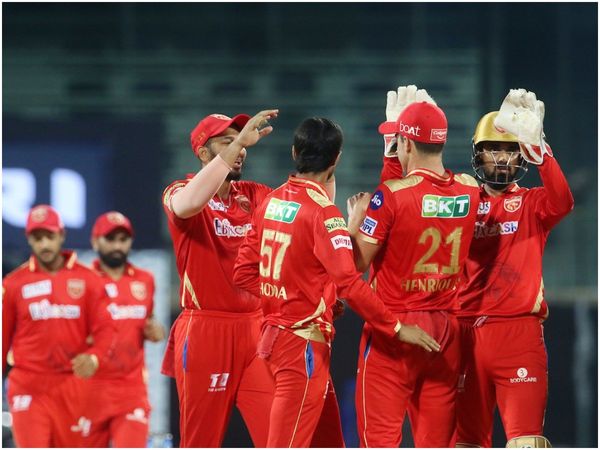
Being asked to bat first, the Rohit Sharma-led Mumbai Indians (MI) got off to a poor start in match 17 of the IPL 2021 edition versus KL Rahul-led Punjab Kings (PBKS) on Friday (April 23).
-
With both sides coming into the contest on the back of defeats (with PBKS losing three in a row), it was a vital encounter for the two teams but PBKS got off to a flying start.
-
Deepak Hooda accounted for the big scalp of Quinton de Kock, who continued his series of low scores. MI opted to promote Ishan Kishan, at No. 3, who only managed 6 off 17. While skipper Rohit and in-form Suryakumar Yadav kept things in control for the five-time winners, MI were decently placed at 106-1 in 16 overs.
-
With the MA Chidambaram Stadium Chennai’s pitch known to be a tough one for chasing sides, in pursuit of anything in excess of 140, the MI camp looked set to post near, or beyond, 150. However, PBKS pulled things back in the last four overs by giving away only 26 runs and accounting for 4 scalps.
-
MI’s lower-order concerns continued as Ravi Bishnoi and Mohammed Shami returned with two wickets apiece. Thus, Rohit & Co. posted only 131-6 with the captain scoring 63 of them (48.09 per cent of total runs).
-
In reply, the Rahul-led PBKS side got off to a good start. Backing their trusted pair of Mayank Agarwal (25) and captain Rahul, Punjab didn’t do anything silly and looked to bat with caution. Courtesy of a 53-run opening stand, the chasing side were on course for a win before they lost Mayank on Rahul Chahar’s delivery.
-
It brought Universe Boss Chris Gayle (43 off 35 balls) to the centre. While Rahul (60 off 52 balls) took a leaf from Rohit’s innings and batted with purpose from his end, despite once again taking some time to get going, Gayle was slow to start off before taking on Trent Boult and Krunal Pandya.
-
With an unbroken second-wicket stand between Rahul-Gayle, comprising 78 runs, Punjab closed the chase with 9 wickets and 14 balls to spare. MI’s fielding and death-over batting concerns continued to keep them winless once again as their Chennai leg finally came to an end.
-
Fourth-ranked MI now have 2 wins from 5 games (all played at Chepauk) whereas PBKS jump to the fifth spot with an equal number of victories.

KEY STORY
-
Bollywood actor and humanitarian Sonu Sood, who recently tested positive for the novel coronavirus, on Friday got a critically ill Covid-19 patient airlifted in an air ambulance from Nagpur to Hyderabad, to get special treatment done.
-
The 25-year-old girl, Bharti, who had lost almost 85-90 per cent of her lungs due to COVID, with Sonu’s help had been shifted to Wockhardt hospital, Nagpur for her treatment. The doctors had said that she needed a lung transplant or some special treatment which was only possible in Apollo Hospital, Hyderabad.
-
Soon afterward, Sonu got in touch with the directors of the Apollo Hospitals and came to know that there is a special treatment called ECMO in which artificial pumping of blood happens to the body so as to take the pressure away from the lungs.
-
The entire setup for this ECMO treatment had to come from Hyderabad with the six doctors, a day in advance, which is why the airlift had to be done in an air ambulance. Sonu managed to get things sorted out and get Bharti the best of the treatment at Apollo Hospital, Hyderabad.
-
Speaking about the same, Sonu said, “Doctors had said that the chances are 20 per cent and asked me whether I still wanted to go ahead with it. I said ‘Of course. She is a 25-year-old young girl and she will fight the battle hard and she will come out of it stronger.’
-
That’s why we took this chance and we decided to get an air ambulance and the best team of doctors in the country to treat her. The treatment is going well in Apollo Hospital, Hyderabad, and we hope for the best. She will recover and come back soon.”
-
This was probably the first case in COVID-19 when an air ambulance was used to airlift someone. Bharti’s father is a retired railway officer, and a lot of people’s prayers are with him and the family.
-
The second wave of coronavirus has infected a lot of people and the number of COVID-19 positive cases has been rapidly rising. In Bollywood also, an array of celebrities got infected within a span of a few weeks.
-
Sonu, who has been in the limelight because of his philanthropic work, on April 17 was added to the list of Bollywood celebrities to be diagnosed with COVID-19 after Manish Malhotra, Katrina Kaif, Akshay Kumar, Vicky Kaushal, Govinda, Bhumi Pednekar, Aamir Khan, Paresh Rawal, Ranbir Kapoor, Alia Bhatt, Aditya Narayan, Kartik Aaryan, and Aamir Khan among others.
-
Earlier, Amitabh Bachchan, Abhishek Bachchan, Arjun Kapoor, Malaika Arora, and some others were also infected with the virus.
-
On a related note, the 47-year-old actor took his first dose of the COVID-19 vaccine at Apollo Hospital, in Punjab on April 7. The actor took to his social media accounts to share a picture from the hospital.
CONCLUSION
-
Along with getting vaccinated against the deadly infection, the actor had also launched ‘Sanjeevani – A Shot of Life’, an initiative to encourage people to get vaccinated against the novel coronavirus and raising awareness about the inoculation drive in the country.
-
Separately, on the film front, Sonu recently announced a new movie titled ‘Kisaan’, to be directed by E Niwas and backed by filmmaker Raaj Shaandilyaa. Apart from that, he will also be featured in Chiranjeevi-starrer upcoming Telugu movie ‘Acharya’.
-
Sonu will also be seen in Akshay Kumar-starrer ‘Prithviraj’, which is slated to release on November 5, this year.
-
As the second wave of COVID-19 turns worse, Indian medical experts are battling to control the surge in numbers. There is a shortfall of beds (capacity to admit) of hospitals, the patient to doctor/nurse ratio is badly skewed and not all can go to the hospital.
-
Under such dire circumstances, if you suspect that you have COVID-19, requisite tests are also difficult to come by. Some places there are not enough personnel to carry out tests, at others, there are no home collection staff to fetch samples of people who cannot travel.
-
When things are in such a state of flux, find yourself a doctor who will do e-consultation or can speak to you on phone. Take medical advice. Here’s a chart of what you must do to ensure that you are safe.
If you suspect you have COVID-19:
DOs
-
Isolate yourself immediately to a separate room with an attached washroom and loo
-
Get an RT-PCR test done.
-
Meanwhile, stay at home. Most people with COVID-19 have mild illness and can recover at home without hospitalisation. Stay in touch with your doctor
-
Keep track of your symptoms. If you have an emergency warning sign (including trouble breathing) call your doctor or go to a hospital immediately
-
Wear a good quality mask – surgical+cloth in a snug fit, covering your nose, mouth, and chin. N-95 is better than most other masks.
-
Cover your coughs and sneezes
-
Wash hands with soap and water or sanitise, often
-
Stay hydrated, get rest, and eat simple non-spicy, easy-to-digest food
-
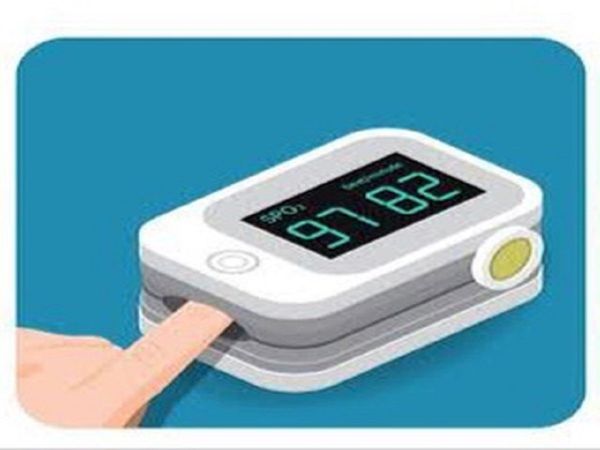
Monitor your SPO2 levels with a pulse oximeter and stay in touch with a doctor for advice if Oxygen level begins dropping below 95 per cent
-
Lie down in proning position. Breathing is easier and lungs work more efficiently when you lie down on your stomach. when you
DON’Ts
-
Do not share any toiletries, food, utensils with others
-
Avoid public transportation, ride-sharing, or taxis
-
Do not leave your home, except to get medical care.
-
Do not visit public areas.
-
Do not self-prescribe steroids, remdesivir etc.
If you have tested positive for COVID-19:
DOs:
-
Get an RT-PCR test done, take your doctor’s appointment and advice
-
Stay at home
-
Monitor your symptoms carefully. If you feel symptoms are worsening, call your doctor
-
Inform all those who have been in contact with you, immediately
-
Isolate yourself to a separate room with an attached bath and loo
-
Get rest, eat nutritious food, stay hydrated
-
Practice regular COVID-appropriate behaviour: Mask+Sanitise+Was h hands+Social distancing+No closed and/or crowded places
-
Clean all surfaces that are touched often, such as counters, phones, remote controls, tabletops, doorknobs, bathroom fixtures, toilets, keyboards, tablets, and bedside tables etc with sanitising or prescribed cleaning liquid by following all safety instructions.
-
Monitor your SPO2 levels with a pulse oximeter and stay in touch with a doctor for advice if Oxygen level begins dropping below 95 per cent
-
Lie down in proning position. Breathing is easier and lungs work more efficiently when you lie down on your stomach.
-
Cover your mouth and nose with a tissue when you cough or sneeze.
-
Throw away used tissues in a lined trash can.
-
Immediately wash your hands with soap and water for at least 20 seconds.
-
If soap and water are not available, clean your hands with a standard quality alcohol-based hand sanitiser
DON’TS:
-
Avoid sharing personal items with other people in the household, such as dishes, towels, bedding, food, toiletries, etc.
-
Do not self-prescribe steroids, Remdesivir etc.
-
Do not go to public places such as office, school, theatre, restaurant, etc
-
Avoid public transportation, ride-sharing, or taxis
-
Do not leave your home, except to get medical care.
When can I end isolation?
If you had suspected you had COVID:
-
If you suspected COVID, but not confirmed:
-
10 days since symptoms first appeared and
-
24 hours with no fever without paracetamols
-
Other symptoms of COVID-19 are improving*
-
*Remember, it may take weeks for a sense of taste and smell to return, that is no obstruction to ending isolation
If you had tested positive for COVID:
-
If you continue to have no symptoms, you can end isolation after 10 days have passed since you had tested positive for COVID-19.
-
If your healthcare provider recommends testing, you must get that done before ending isolation.
Disclaimer: Tips and suggestions mentioned in the article are for general information purpose only and should not be construed as professional medical advice. Always consult your doctor or a dietician before starting any fitness programme or making any changes to your diet.

KEY STORY
-
Instagram has started testing ads on Reels in countries including India, Brazil, Germany, and Australia. Though ads can be seen in almost all other features of Instagram, the TikTok-like feature of the app had been bereft of advertisements pushed by the platform to date.

-
The upcoming ads on Reels would look much like the ones seen on Instagram Stories, of course, in a video format. Once tested in the mentioned countries first, the ads will be rolled out to the rest of the world in the coming months.
-
Instagram Reels ads will be up to 30-seconds long and would work just like a regular Reels video. The vertically spaced ads will support like, and comment options and will even let you save, share or skip them, functions that are missing on ads seen on Instagram Stories.
-
As is the norm, all the advertisements will be branded as “Sponsored” to let users know of their purpose.
New ads on Facebook Stories
-
Other than bringing ads to Instagram Reels, parent company Facebook will also introduce a new format of advertisements to Facebook Stories.
-
Over the coming weeks, the company will be testing new sticker ads for Facebook Stories with select advertisers and creators.
-
The new ad format will let advertisers create Stories using stickers that can be tapped to redirect to a product listing. Users clicking on a specific sticker will thus be able to directly buy the product from the product page on the website. A cut of the sale will be shared with the creators.
-
Other than ads, Facebook is also trying to bring in a feature that will let users on Instagram share Reels on their Facebook accounts. As reported by Reuters, the company will first be providing the option to some creators in India in a test phase before its global rollout.
KEY STORY
-
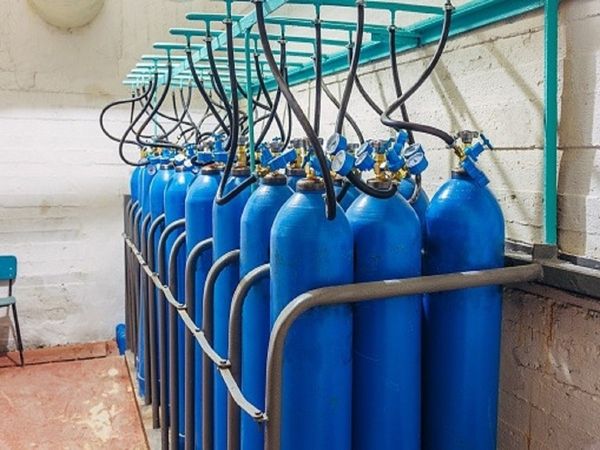
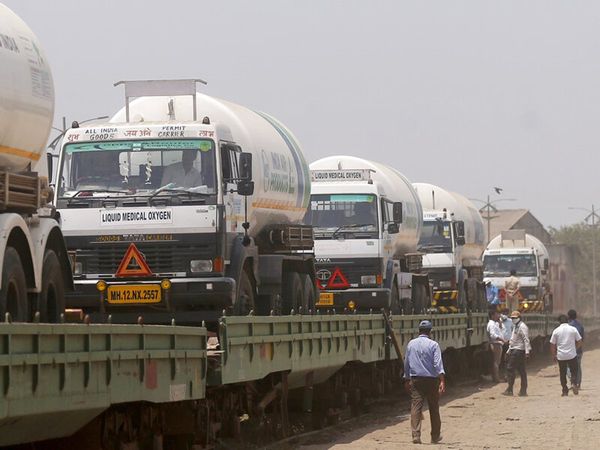
The Ministry of Home Affairs passes an order today that allows no restrictions on transportation of medical oxygen between states.” The availability of adequate and uninterrupted supply of Medical Oxygen is an important pre-requisite for managing moderate and severe cases of COVID-19 and with the increasing cases, the medical oxygen supply will need to keep pace with the requirements of the States/ UTs,” the MHA said in a statement.
-
In its order, MHA stressed, ” No restriction shall be imposed on the movement of Medical Oxygen between the State and transport authorities shall be instructed to accordingly allow free inter-state movement of oxygen-carrying vehicles.”
-
It also said that no authority shall attach the oxygen-carrying vehicles passing through the district or areas for making supplies specific to any particular district(s) or areas. It reiterated that no restrictions shall be imposed on oxygen manufacturers and suppliers to limit the oxygen supplies only to the hospitals of the State/ UT in which they are located
CONCLUSION
-
It added that no authority shall attach the oxygen-carrying vehicles passing through the district or areas for making supplies specific to any particular district(s) or area
-
MHA has made District Magistrates, Deputy Commissioners, Senior Superintendents of Police, Superintendents of Police, Deputy Commissioners of Police personally responsible for the implementation of these directions.
KEY STORY
-
The defence ministry has decided to airlift 23 mobile oxygen generation plants from Germany as several states reeled under an acute shortage of medical oxygen due to a massive surge in coronavirus cases, officials said on Friday.
-
They said each plant will have a capacity to produce 40 litres of oxygen per minute and 2,400 litres per hour.
-
In a separate move, the defence ministry has decided to give extension to 238 short service commissioned doctors in the Armed Forces Medical Services (AFMS) till December 31 to tide over the current situation, the officials said.
-
On procurement of oxygen generation plants from Germany, Principal Spokesperson in the defence ministry A Bharat Bhushan Babu said they will be deployed in the AFMS hospitals treating COVID-19 patients.
-
The decision by the ministry came four days after Defence Minister Rajnath Singh announced granting emergency financial powers to the three services and other defence agencies to make necessary procurement to enhance medical infrastructure in view of the pandemic.
-
“Twenty-three mobile oxygen generation plants are being airlifted from Germany. These will be deployed in AFMS hospitals catering to the COVID patients,” Babu said.
-
He said the oxygen generating plants are expected to be airlifted within a week.
-
Another official said the Indian Air Force has been told to remain ready to keep its transport aircraft ready to bring the plants from Germany once required paper works are completed.
-
The official said more oxygen generation plants may be procured from abroad.
CONCLUSION
-
“The advantage of these plants is that they are easily portable,” said Babu.
-
India is struggling with a second wave of coronavirus infection and hospitals in several states are reeling under shortage of medical oxygen and beds in view of rising COVID-19 cases.
-
The country recorded a one-day tally of 3.32 lakh new coronavirus cases and 2,263 new fatalities, according to official data released on Friday.
KEY STORY
-
Symptomatic COVID-19 patients will be admitted in hospitals in Mumbai only after they are medically examined at home, civic chief IS Chahal said on Friday.
-
A Brihanmumbai Municipal Corporation release said ward level war rooms set up to tackle the outbreak will coordinate the process of getting such patients examined at home.
-
Chahal directed officials to form at least 10 medical teams in each ward to carry out this new bed allotment and management exercise, which is slated to begin from Sunday.
CONCLUSION
-
The home visits to examine symptomatic patients will take place between 7am and 11pm, while those needing attention urgently in hours other than these can approach the jumbo COVID centres, the BMC release said.
-
“The patient will be kept on waiting till the time a bed gets available in few hours, if the type of bed prescribed by a medical team will be unavailable,” the release added.
KEY STORY
-
Improper handling of the situation and lack of accurate details on the availability of beds and ventilators have turned Covid situation horrible in Bidar district.
-
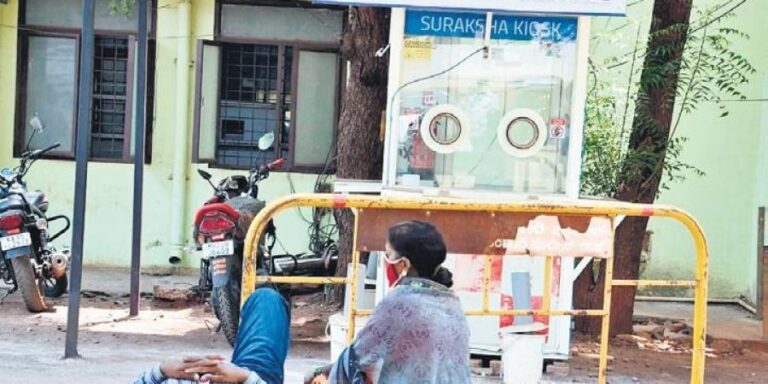
Many Covid patients were seen lying on the ground at the Bidar Institute of Medical Sciences (BRIMS) Hospital on Wednesday. The situation is so desperate that they have told doctors that they are willing to get treated lying on the corridors of the hospital.
-
Deputy Commissioner R Ramachandran visited the hospital premises on Wednesday evening. Though he did not deny that Covid patients were lying on the ground at the hospital, he said a majority of them were attendants accompanying the patients.
-
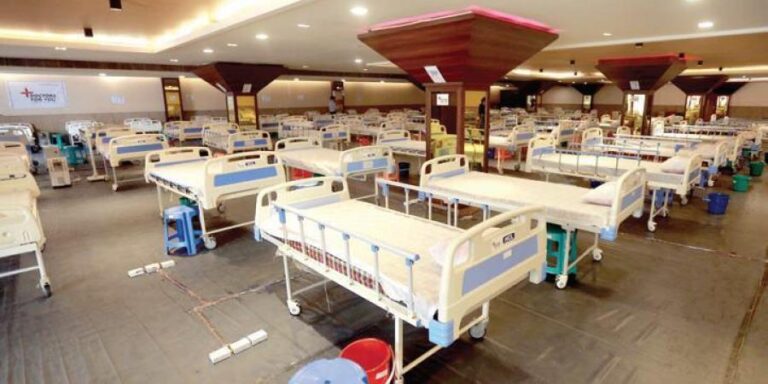
He admitted that there is pressure on the hospital staff as people from different taluks are rushing to the hospital, even with minor symptoms. The administration has made arrangements, including at Zira Conventional Hall with 200 beds, Shahin PU College of Bidar with 100 beds and the government has opened Covid hospitals at Basavakalyan, Humnabad, Aurad and Bhalki.
-
Government doctors have been deputed at all these centres. But still, people are rushing to BRIMS instead of taking treatment at these hospitals, he said. As per the bulletin, 905 beds are available, while there are 2,822 active cases in the district.
-
After the DC visited BRIMS, officials helped Covid patients shift to other hospitals, and the situation has improved, sources said. Bhimappa Auradkar, who has come for the treatment of his brother, said that he did not go to the hospital at Aurad as he was apprehensive of the treatment there.
-
KPCC working president Eshwar Khandre, who is also the MLA from Bhalki, said his followers found out that not all of them lying on the corridors at BRIMS were Covid patients.
CONCLUSION
-
Though the DC is doing good work, some officials, including the district health officer, are not responding properly to the woes of the patients, he alleged. There is no proper coordination between officials. They could have created awareness on different hospitals available for Covid treatment, he added.
-
The district is facing a shortage of oxygen. If the administration does not wake up now, patients will be lying on the road, he cautioned.Bidar district in-charge minister Prabhu Chauhan said BRIMS is facing tremendous pressure and that he has asked the DC to take care of all patients and to make proper arrangements.
KEY STORY
-
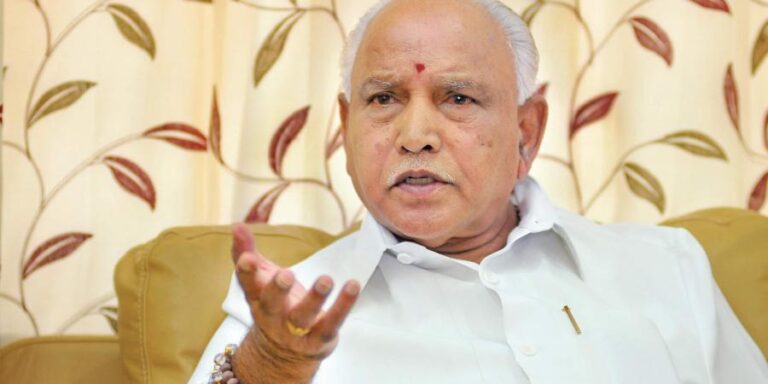
With two days to go for the opening of registrations for inoculation of those aged between 18 and 44 years, Chief Minister BS Yediyurappa on Thursday approved the purchase of one crore doses of Covid-19 vaccines at a cost of Rs 400 crore.
-
The state will place an order for Covishield from Serum Institute of India, Pune. The company which is producing the Oxford-AstraZeneca vaccine in India, has set the price at Rs 150 per dose for the Union Government, Rs 400 for state governments and Rs 600 for private hospitals.
-
The vaccine doses will be administered to citizens aged between 18 and 44 starting May 1.
-
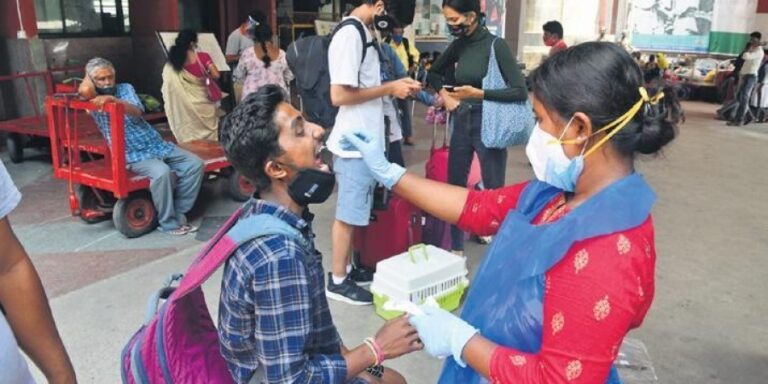
Meanwhile, the supply of oxygen is being streamlined in Karnataka and almost all 94 tankers carrying industrial gases are being put to use for emergency medical purposes, according to industry sources.
“There are 94 tankers in the state of which 45 carried liquid oxygen and the rest carried other industrial gases like nitrogen and argon. With very few exceptions, almost all the tankers have been flushed off the other gases and are being used to supply medical oxygen,” said the sources. The government is also looking at other resources and suppliers to further augment oxygen supply to the state. “While the oxygen plants have accelerated their production, there are not enough tankers to carry it,” the sources pointed out.
-
One of the biggest reasons for lack of oxygen in hospitals is the “unprecedented” demand created by the huge number of Covid-19 patients and the lack of distribution and supply infrastructure.
CONCLUSION
-
The spokespersons of some government and public hospitals, on condition of anonymity, said that the Covid-19 situation has “gone out of control” because of the sheer numbers and the burden on the medical resources and hospital infrastructure.
“The big hospitals are well stocked with oxygen. The problem is with the smaller hospitals, which don’t have tie-ups with oxygen manufacturers. They neither have enough cash flow to cater to the demand for oxygen in their hospitals nor do they have enough beds or storage capacity for oxygen cylinders,” the sources explained.There are seven liquid oxygen plants in Karnataka out of which four are in Ballari, two are in Bengaluru and one in Koppal.
KEY STORY
-
Just a day before the weekend lockdown was to come into effect, confusion and a sense of panic prevailed in many parts of the state with several shops and businesses being ordered to close down by the local authorities.
-
The cause of this was a State Government clarification, released on Thursday, to the April 20 guidelines ordering a majority of shops and commercial establishments, that were not exempted from closure, to remain closed until 6 am on May 4.
-
This led to many assuming that the government had suddenly imposed an ‘unannounced’ lockdown and the police were rushed to implement it.The fear of a lockdown saw people even in services exempted from closure — like construction and industries — preparing to leave for their hometowns.
-
The confusion prompted a further clarification from Chief Secretary P Ravi Kumar on Thursday evening reiterating that construction sector and industries were allowed to function through the curfew with Covid-19 safety norms.
-
Scenes of commotion were witnessed across the state. In Bengaluru, shops in Chikpet and Gandhinagar areas were the first to be forced shut.
-
On the other side of the city, the Airport police ensured closure of all shops at the airport except takeaway coffee, tea and food. But the scenes wrongly conveyed the picture of a forced lockdown.
-
Only those shops and commercial establishments that were not exempted from closure were asked to shut. These included garments stores and shops that were selling items not categorised as “essentials” in the earlier guidelines. But that was not clearly mentioned in the April 20 guidelines.
-
JDS leader and former Chief Minister H D Kumaraswamy, who is in hospital after testing positive for Covid-19, lashed out at the government, calling it a ‘Tughlaq Darbar’ for forcing shop owners to down shutters without proper guidelines being issued in advance.
CONCLUSION
-
He questioned on whose permission these shops were being forced shut. He said that following Governor Vajubhai Vala’s meeting on Tuesday, the Chief Secretary had earlier issued the guidelines. But after Chief Minister B S Yediyurappa was discharged from hospital, he held a meeting with his ministers.
-
“According to the previous guidelines, there was nothing about closing these shops. But today, without any order or issuance of guidelines, the police downed the shutters of shops,” he asked.
1...602603604...883Page 603 of 883