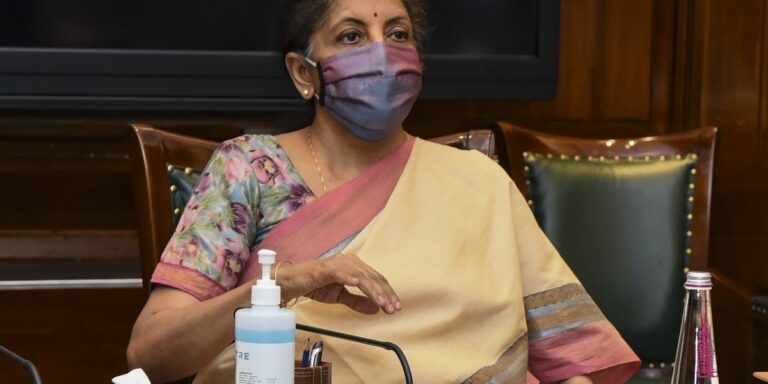
Salary income of Indian workers in Gulf exempt from I-T: Union Finance Minister Nirmala Sitharaman

KEY STORY

  • Finance Minister Nirmala Sitharaman on Thursday said salary income earned by non-resident Indians in Gulf countries would continue to be exempt from tax in India.
  • Quoting a tweet of TMC MP Mahua Moitra, Sitharaman clarified that the Finance Act 2021 has not brought in any new or additional tax on Indian workers in Saudi/UAE/Oman/Qatar.
  • The minister said the said amendment in the Finance Act, 2021, has merely incorporated general definition of the term “liable to tax” in the Income Tax Act to provide clarity.
  • “This amendment has not altered the taxability of salary income earned by non-resident Indian citizens in Gulf countries. Their salary income earned in Gulf countries would continue to be exempt in India,” the Office of Finance Minister Nirmala Sitharaman tweeted.
  • Earlier in the day, Moitra had tweeted a picture of an amendment in Finance Bill, 2021, saying the ‘complicated words’ in the amendment is ‘in reality a Special Gulf workers tax’.
  • “FM going back on her words. Hardworking Indian workers in Saudi/UAE/Oman/Qatar to be taxed EXTRA,” Moitra tweeted.

CONCLUSION

  • Sitharaman’s office tweeted: “No going back on words. The Finance Act, 2021 hasn’t brought in any additional or new tax on hardworking Indian workers in Saudi/UAE/Oman/Qatar.”
  • The minister also said that drawing conclusions without comprehending the facts is worrying.
  • “Further, putting out the conclusion on a social media platform not only misleads but also creates unwanted panic among people,” the minister’s office tweeted.

TRAI implements new SMS norms again, says no major issues faced

KEY STORY

  • The Telecom Regulatory Authority of India (TRAI) has said that it resumed the process of scrubbing out unregistered messages today, after holding meetings with various stakeholders and asking them to take remedial measures.
  • “Reports from telecom service providers indicate that no major issues have come to notice leaving few cases and messages which are in accordance with the regulations are getting delivered successfully,” TRAI said.
  • “Telecom service providers have been instructed to make special efforts to identify the cause of rejection of SMS, if there is any rejection from some Principal Entities/Telemarketers/ Aggregators,” it added.
  • TRAI had notified the Telecom Commercial Communications Customer Preference Regulations (TCCCPR) back in 2018 with an objective to regulate commercial text messages and help curb the nuisance of spam SMSes.
  • The regulation which fully came into effect on 2019 required Principal Entities to register details like their SMS headers, content templates and customer consent templates on portals created by telecom service providers.
  • Messages from unregistered companies and templates were to be scrubbed out as per the system. These Principal Entities essentially include any company that sends messages for promotional or financial transaction-related purposes to customers, like banks, retailers, shopping apps etc.
  • Over the past month, TRAI extended the deadline for compliance to the norms twice – once from March 8 to March 17, and later to March 31. The extension was granted after customers faced issues in receiving text messages and OTPs from entities that failed to register by March 8.

CONCLUSION

  • TRAI said it implemented the norms on March 17 but asked telecom service providers to not scrub out any messages and sought details of unregistered entities.
  • TRAI had said on March 26 that 40 entities failed to comply with the regulations and the list included all major banks like State Bank of India, HDFC Bank, ICICI Bank, Punjab National Bank, Axis Bank and entities like the Life Insurance Corporation of India and National Stock Exchange.
  • The telecom regulator had also reached out to other regulators like RBI, SEBI, IRDAI to direct entities under their jurisdiction to comply with the norms.

Wearing mask compulsory in Bengaluru metro, Rs 250 fine to be imposed on violators

KEY STORY

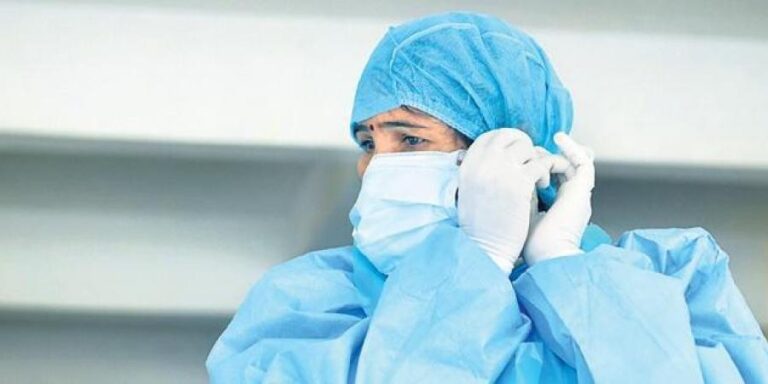
  • Wearing a mask is one of the ways to curb the spread of COVID-19. The central government and the state governments have made it compulsory for the people to wear a mask while stepping out.
  • Despite that, many people can be easily spotted flouting the COVID-19 norms and walking out without mask. This can very well lead to a person contracting the virus.
  • In order to curb the spread of infection in Bengaluru Metro, the Bangalore Metro Rail Corporation Ltd (BMRCL) has made it compulsory for people to wear it inside the train. As per The NewIndianExpress, those flouting the norms might have to cough up a fine of Rs 250.
  • “Since last week, we have increased announcements in stations and trains advising the public to follow Covid protocols. We are also notifying that BMRCL will levy a penalty of Rs 250 if the protocols are not followed. The team will enforce the penalty as a last resort if people continue to be casual during their Metro ride,” Ajay Seth, BMRCL’s managing director, told The New IndianExpress.
  • Bengaluru is the worst-hit city with COVID-19 in Karnataka. Many state governments have been imposing fines for those who flout the COVID-19 norms.
  • Talking of COVID-19 cases, Karnataka accounted for 4,225 cases a day before. The single-day numbers had come under 1,000 there but like other states, Karnataka has also witnessed a surge.

CONCLUSION

  • The addition of 4,225 cases has taken the state’s tally to 9,97,004. The latest increase comes as a worry as the officials did well to bring the numbers under 1,000 per day and now, the state has breached the 4000-mark. The recoveries have also been on the high side – 1,492 were cured and discharged 24 hours back.
  • In total, 9,56,170 have been discharged in the state. The latest numbers suggest that there are 28,248 active cases. The death toll moved to 12,567 with 26 people succumbing to the infection in the past 24 hours. Bengaluru accounted for 2,928 cases and 18 deaths a day before.

Online automatic transactions will not fail from April 1, RBI extends deadline by 6 months

KEY STORY

  • The Reserve Bank of India has now extended the timeline for implementation of new guidelines for automatic payment system by six months. In a circular on Wednesday, RBI noted that it has decided to extend the timeline for stakeholders by six month to prevent inconvenience to customers.

  • RBI had previously granted the Indian Banks’ Association an extension to complete the migration by March 31, 2021 for the new policy that was introduced in December 2020.
  • It however noted that the new framework had not been implemented by banks despite the extended timeline. Previous reports had noted that the RBI had refused to grant an extension to banks following which banks started notifying customers about failure in automatic recurring payments from April 1.
  • Banks notified customers to switch to alternate payment methods as all recurring automatic payment methods that were linked to a customers’ credit or debit cards, The new guidelines have made Additional Factor Authentication (AFA) for banks mandatory.
  • The new norms require banks to inform customers in advance about recurring payment methods. This means the money will only be debited from a customer’s account only after his or her consent. For transactions above Rs 5000, banks will also be required to send one time passwords to customers
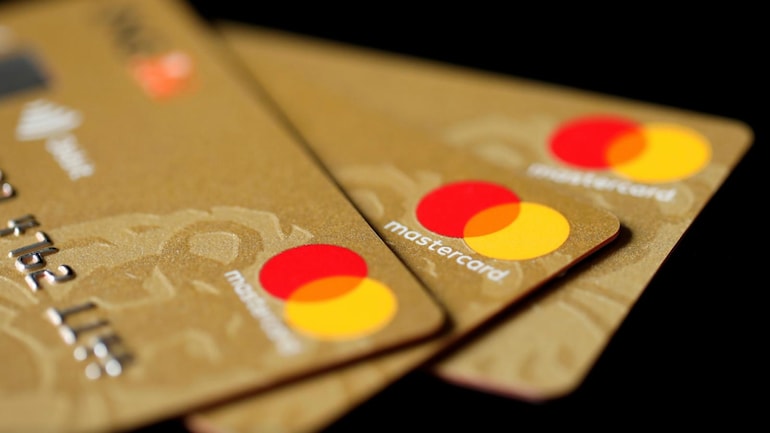
  • HDFC Bank, ICICI Bank, SBI as well as card scheme operators like American Express and Mastercard notified network partners about their inability to process standard instructions recurring mandate-based payments, as per reports. Vendors also suggested alternate payment methods to users.
  • “Dear customer, as per regulatory guidelines, recurring merchant transactions based on Standing Instructions (SI) on your ICICI Bank Cards will be disabled effective 1-Apr-21.
  • To continue making payments against your utility bills, kindly register your biller through iMobile Pay or Internet banking,” ICICI customers received a message on Wednesday morning. The message also directed customers to re-register or initiate transactions at regular intervals for other standing instruction transactions.
  • Recently, RBI enhanced the limit for contactless card transactions and e-mandates for recurring transactions through cards (and UPI) from Rs 2,000 to Rs 5,000 from January 1, 2021, to further adopt digital payments safely and securely and to curb data leaks as well.
  • “All the ecosystem players, be it banks and payment gateways are guilty of not taking RBI directive seriously from 2019 and not being able to come on a single platform, which we should have done at least a couple of months back so that there could have been a smooth transition to the new way of doing recurring transactions,” Payments Council Of India chairman Vishwas Patel told news agency PTI.
  • “Everybody has understood the seriousness of it because it is Rs 2,000 crore a month business, as per PCI estimates. We hope that the cycle is not broken and the end consumers and merchants are not inconvenienced,” he added.

CONCLUSION

  • The RBI has issued two circulars to banks — ‘non-bank prepaid payment instrument issuers’, and ‘authorised card payment networks for processing of e-mandates. The deadline to comply with these mandates is March 31, 2021.
  • The circulars were issued in 2019 and the RBI has refused to give an extension to banks as per reports. Earlier this month, the RBI directed payment gateways, card-issuing banks, and other payment service providers to stop storing card details permanently citing data leaks. The payment gateways would be allowed to store data in an encrypted format.

Bengaluru: Negative Covid-19 certificate requirement leaves travellers baffled

KEY STORY

  • Confusion within the government authorities has put travellers coming to Karnataka unsure of what guidelines to follow. Despite Health Minister Dr. K Sudhakar announcing on March 04 that those entering Bengaluru will require negative Covid-19 tests, there still remains no official guideline from the government.
  • Flyers reaching Bengaluru aren’t sure if they require Covid-19 negative certificates. Even the airport authorities haven’t been sure as they have received no information on the same.
  • On being approached by the Deccan Herald, Dr. Sudhakar said: “Only the guidelines issued by the Chief Minister yesterday (March 29) are valid.”
  • When it comes to the guidelines of the Chief Minister, there’s no mention of a Covid-19 negative certificate for those coming into the city. However, the CM’s order doesn’t mention if the March 04 announcement by the Health Minister stands invalid.
  • “Do I need a negative RT-PCR report for travelling to Bengaluru from April 1?” asked one flyer on Kempegowda International Airport on Twitter. “We have not received an official confirmation from the Government of Karnataka about carrying an RT-PCR negative report for other states. Currently, it is required for those travelling from Kerala, Maharashtra, Punjab and Chandigarh,” the airport’s official Twitter handle said in reply.

CONCLUSION

  • “There is no official order from the government. Where will the negative certificate be checked? Thousands of travellers come from Chennai to Bengaluru by train. How will they check everyone? There are thousands of others who travel in buses, both private and government, who board at various points near the state border. Who is going to check?” asked a traveller who is planning to come to Bengaluru in April.
    There, however, seems to be no clarity.

Can COVID-19 cause diabetes? Your questions answered here

  • Ever since the coronavirus pandemic began, there has been a flurry of additions of comorbidities that could imperil an infected person’s chances of recovery. Apart from kidney, heart, and liver ailments, cancer, diabetes, and hypertension were listed as comorbidities.
  • The progression of the path of COVID-19 has flummoxed most medics as it seems to take varying patterns in different people. While some people do not show any symptoms, some others go through the infection period with negligible flu-like symptoms, there have been cases of many people suffering breathlessness, damage to vital organs, and even death in some cases.
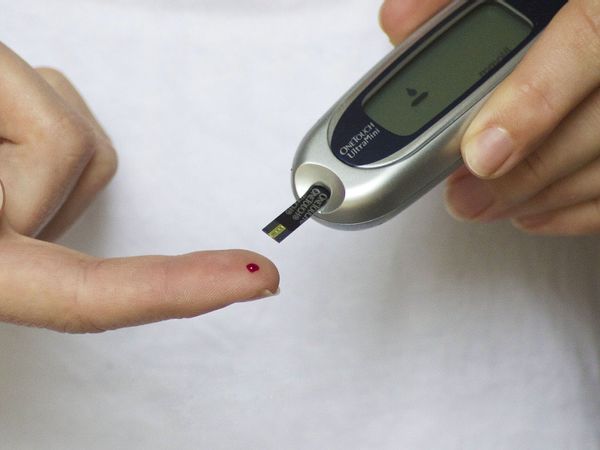
  • Diabetes due to COVID-19 infection? As per a report in The Times of India, there is anecdotal evidence that some people have reportedly developed diabetes either during the infection or after recovery.
  • Over 2700 COVID recovered patients in the US have been surveyed for the same and researchers have found that 14% of them developed diabetes subsequently after having contracted COVID-19. A similar study on about 40,000 COVID-survivors in the UK and China have shown a similar trend.
  • Incidentally, none of these people who developed diabetes after (or during) the recovery from COVID-19 infection had a history of diabetes.
  • Scientists have not as yet discovered how or why COVID-19 can cause diabetes. Yet there are some theories about the way the virus progresses within the body that may explain the reasons.
  • Diabetes as a Long Covid symptom?
    COVID-19 is seen to cause widespread damage to organ systems before the patient beats the virus. That has been seen as a reason for lingering aftereffects to the human body, often called the Long Covid.
  • Whether or not diabetes is a symptom of long COVID is unclear yet. However, from what has been observed, scientists and doctors are starting to think that the virus causing COVID-19, SARS-COV-2 has the ability to cause insulin and glucose metabolism malfunctioning, which can cause diabetes.

Damage to the Pancreas and possible theories:

  1. The virus is known to lower the body’s immunity threshold. The virus interacts with the ACE2 receptors and could lead to the impairment of several vital organs, including the pancreas, causing insulin disturbance.
  2. The other culprit could be the notorious and unpredictable reaction of the body’s immune system – the cytokine storm – the complication associated with the viral infection which forces the immune system to turn on the body’s own vital organs and systems. A cytokine storm coul make it impossible for the pancreas to sustain vital functioning, or produce normal glucose levels.
  3. Another possibility is that the virus may impair cell linings, including that of the intestines – thus undermining the organs’ ability to regulate and break down glucose.
  4. Could the treatment drugs be to blame? Possible, believe some experts. A lot of experimentation and cocktails of drugs have been into play since it is a new disease and steroids too have been used at times. In such cases, there can be a flare-up pf sugar levels in the blood.
Since there have now been cases of Diabetes Type 1 and Type 2 discovered in recovered patients of COVID-19, patients have been asked to be alert for signs such as:
  1. Unexplained fatigue
  2. Intense hunger and thirst
  3. Change in sight or blurry vision
  4. Slow healing and recovery from cuts, bruises and injuries
  5. Frequent urination
  6. Tingling sensation or numbness in the body
All the above could probably be the signs of the onset of diabetes and should be reported to your treating doctor immediately.
Disclaimer: Tips and suggestions mentioned in the article are for general information purpose only and should not be construed as professional medical advice. Always consult your doctor or a dietician before starting any fitness programme or making any changes to your diet.

IPL 2021: Ab de Villiers lands in India, joins Royal Challengers Bangalore bio-bubble in Chennai

KEY STORY

  • Royal Challengers Bangalore (RCB) on Thursday informed that star batsman AB de Villiers has joined its team bubble in Chennai ahead of the upcoming Indian Premier League (IPL).
  • RCB posted a photo of de Villiers on Twitter and the franchise captioned the post as: “BREAKING THE INTERNET. The spaceship has landed! AB de Villiers has joined the RCB bubble in Chennai.”Later in the day, skipper Virat Kohli will also be joining the team bubble in Chennai.

  • Earlier, sources in the know of development had confirmed to ANI that Kohli left the Pune bubble created for the ODI series against England on Monday, and as a result, upon his arrival in Chennai, Kohli will undergo quarantine for seven days as per BCCI’s standard operating procedures (SOPs) for the IPL amid the COVID-19 outbreak.
  • “Kohli will be joining RCB’s camp on April 1 in Chennai, then he will undergo quarantine for seven days,” the source confirmed to ANI.
  • As per BCCI’s SOPs for IPL 2021, all players (except for those from the India-England series), support staff, and management entering the bubble need to undergo a seven-day quarantine in their hotel rooms.
  • Every individual will be tested multiple times during this period, and upon returning the negative results, they will be allowed to come out of their rooms and commence outdoor training and practice sessions.
  • RCB is set to play the IPL 2021 opener against Mumbai Indians on April 9 in Chennai. After India defeated England in the three-match ODI series, Kohli had talked about the challenges of bio-bubble life and he admitted that it would be difficult for players to continue for long in this environment.

CONCLUSION

  • “Scheduling needs to be looked at in the future, because playing in bubbles for so long, two to three months, is going to be very, very difficult going forward.
  • You can’t expect everyone to be at the same level of mental strength. Sometimes you do get cooked and you do feel like a bit of a change.
  • I am sure things will be discussed and things will change in the future as well. But a different tournament, it brings fresh challenges heading into the IPL,” Kohli had told host broadcaster Star Sports at the post-match presentation.
  • Bowlers Yuzvendra Chahal and Mohammed Siraj had joined RCB camp on Monday after finishing national duty for India.

18 crew members of Madhuri Dixit’s Dance Deewane test positive for COVID-19

KEY STORY

  • As many as 18 crew members of Madhuri Dixit Nene-judged popular dance reality show “Dance Deewane” have tested positive for the novel coronavirus, a film industry worker’s union said on Tuesday.
  • A spokesperson of Colors channel confirmed that a few members on the third season of “Dance Deewane” had contracted the virus.
  • “Some crew members associated with our show ‘Dance Deewane’ have tested positive for COVID-19.
  • They have been immediately provided with medical assistance and are currently placed under quarantine.
  • All the necessary safety procedures have been undertaken and the sets and adjoining areas have been thoroughly sanitized,” the channel said in a statement.
  • “We are constantly vigilant about the safety and health of our crew members and we will continue to take all precautions as per the stipulated guidelines.”
  • According to Ashok Dubey, General Secretary, Federation of Western India Cine Employees (FWICE), 18 members of the show’s crew tested positive before the start of the shoot this week.
  • “They have a provision of undergoing COVID-19 test every week before starting the shoot. If someone tests positive, then they are home quarantined and another member replaces them. If the result is negative, only then the shooting starts.
  • “Two days ago, 18 unit members tested positive for COVID-19. They were asked to undergo home quarantine and were replaced with others after which the shoot was completed,” Dubey told PTI.
  • He further said that Dixit and the other judges of the show are “fine”.
  • “Madhuri and other judges are all fine. The crew members who have tested positive for COVID-19 include set workers, lightmen, camera attendants, assistant directors, assistant art directors, few contestants too, among others,Dubey said.

CONCLUSION

  • He added that the show has another shoot planned for April 5, which will go-ahead as per the schedule.
  • The third season of the show, which features Dixit as a judge along with choreographers Tushar Kalia and Dharmesh Yelande, started airing on Colors from February 27.
  • On Monday, Mumbai reported 5,890 new COVID-19 cases and 12 deaths, taking the tally to 4,04,614 and the toll to 11,665.

Govt’s Covid mantra: Test-Track-Treat

KEY STORY

  • As cases rise, the Karnataka government has adopted the Test-Track-Treat protocol and has issued directions to ensure that it is strictly implemented and enforced across the state to curb infections. The state government has issued a set of regulations that will be in force from April 1.
  • The Centre had in March last year, urged states with a high caseload to focus on testing, tracking and treating, and has recently written to states repeating this recommendation.
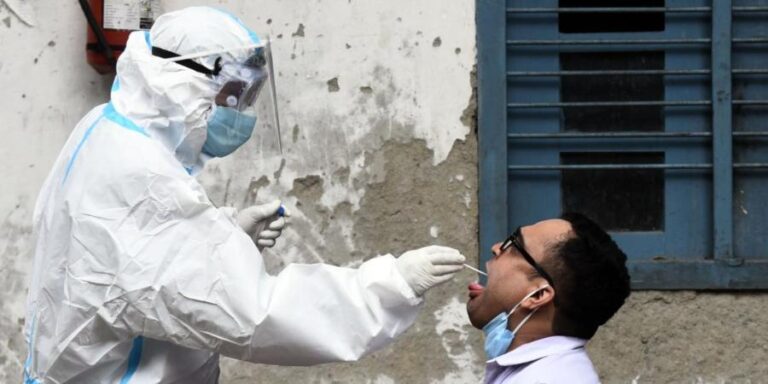
  • In terms of testing protocol, the government has directed that RT-PCR tests should be increased to 70% of all tests, and that where the proportion of RT-PCR tests is low, it should be increased.
  • Tracking protocol involves isolation and quarantining of people who test positive and need to be traced at the earliest. Containment zones should be clearly demarcated, and no movement of people in or out is to be allowed, except for essential goods.
  • House-to-house surveillance teams should be formed and officials should follow up on positive cases and their contacts for 14 days.
  • Within 72 hours, 80% of contacts must be traced. The government has said that the treat protocol must ensure quick isolation of Covid patients and timely treatment.
RULES FROM TODAY :
  • BBMP, local authorities to promote Covid-appropriate behaviour, physical distancing. Fine of Rs 250 to be levied in urban local body areas, Rs 100 in other areas, for not wearing masks.
  • All activities outside containment zones to be carried out as per SOP: Travel by train/flight/ metro, schools, higher educational institutions, hotels/restaurants/ shopping malls, multiplexes and entertainment parks, yoga centres/ gymnasium, exhibitions, assemblies/congregations, etc
  • Govt to ramp up vaccination of priority groups
  • Work from home (WFH) to be implemented as far as possible
  • Staggering of work/business  hours to be followed in offices, workplaces, shops, markets and
  • industrial and commercial establishments
  • Screening/hygiene: Thermal scanning, hand wash/sanitizer facilities to be provided at all entry
  • points/exit points/common areas
  • Frequent sanitization of workplace area/common areas/door handles, etc
  • Physical distancing: Adequate distance between workers to be followed

Pvt hospitals to reserve 10% of beds for Covid patients

  • Bengaluru: Bruhat Bengaluru Mahanagara Palike Commissioner N Manjunatha Prasad onWednesday held a meeting with nodal officers of hospitals and directed to them reserve 10% of beds for Covid patients.
  • He said that hospitals must not turn away patients with symptoms but admit them immediately. “It will be very helpful for patients if hospitals display the status of the number of beds available. There should be separate blocks in private hospitals and staff should separately treat Covid patients,” he said.

Five states in India account for over 79 per cent of active Covid cases: Centre

KEY STORY

  • Five states cumulatively account for over 79 per cent of the total COVID-19 active cases in the country with Maharashtra alone accounting for more than 61 per cent of the active caseload, the Union Health Ministry said on Wednesday.
  • Apart from Maharashtra, the four other states accounting for the majority of the active cases are Karnataka, Kerala, Punjab and Chhattisgarh.
“Five states namely Maharashtra, Karnataka, Kerala, Punjab and Chhattisgarh cumulatively account for 79.30% of the total active cases in the country. Maharashtra leads with more than 61% of the active caseload of the country,” the ministry said in a statement.
  • Eight states of Maharashtra, Chhattisgarh, Karnataka, Kerala, Tamil Nadu, Gujarat, Punjab and Madhya Pradesh have also reported a surge in the COVID daily new cases with 84.73 per cent of the new cases reported from these states, the Union Health ministry said.
  • “A net incline of 11,846 cases recorded from the total active caseload in the last 24 hours,” the ministry said.
  • India’s total Active Caseload has reached 5,52,566. It now comprises 4.55 per cent of the country’s total positive cases.
  • Fourteen States/UTs have not reported any COVID-19 deaths in the last 24 hours.
  • These are Rajasthan, Assam, Odisha, Ladakh (UT), Dadra and Nagar Haveli and Daman and Diu, Manipur, Tripura, Sikkim, Lakshadweep, Meghalaya, Mizoram, Andaman and Nicobar Islands, Nagaland and Arunachal Pradesh.
  • On the vaccination front, the ministry said that more than 6.30 crore (6,30,54,353) vaccine doses have been administered through 10,46,757 sessions, as per the provisional report till 7 am today.

CONCLUSION

  • These include 82,16,239 healthcare workers (first dose), 52,19,525 HCWs (2nd dose), 90,48,417 frontline workers (first dose) and 37,90,467 FLWs (2nd Dose), 73,52,957 (1st Dose) and 6,824 (2nd dose) beneficiaries aged more than 45 years with specific co-morbidities and 2,93,71,422 (1st Dose) and 48,502 (2nd dose) beneficiaries aged more than 60 years.
  • “As on Day-74 of the vaccination drive (30th March), total 19,40,999 vaccine doses were given. Out of which, 17,77,637 beneficiaries were vaccinated across 39,666 sessions for 1st dose and 1,63,632 beneficiaries received 2nd dose of vaccine,” it said.