New Delhi: India is set to come to a screeching halt as authorities ordered passenger railway, metro and interstate bus services to be suspended across the nation till March 31 in a bid to contain the spread of the deadly novel coronavirus, which has led to seven documented deaths in the country so far and about 415 cases.
Only essential services will run in 80 districts, including big cities like Delhi, Mumbai, Kolkata, Bengaluru, Hyderabad and Chennai, which have seen confirmed cases of the COVID-19 disease, the government said. A full list of all the 80 districts, while you can read about all the restrictions imposed here.
United diagnosticss

Apart from the Centre’s orders, 13 states also announced complete lockdowns till Sunday. They are Maharashtra, Kerala, Haryana, Uttarakhand, West Bengal, Andhra Pradesh, Telangana, Punjab, Delhi, Nagaland, Jammu and Kashmir, Jharkhand and Rajasthan. On Monday, Himachal Pradesh also announced an indefinite lockdown.
International flights have been banned for a week and many airlines have talked about trimming operations.
The raft of state shutdown measures came as the country observed a 14-hour voluntary ‘Janata curfew’ on Sunday that Prime Minister Narendra Modi said would test the country’s ability to fight the pandemic.
“This is the start of a long fight,” Modi tweeted Sunday as the curfew came to an end.
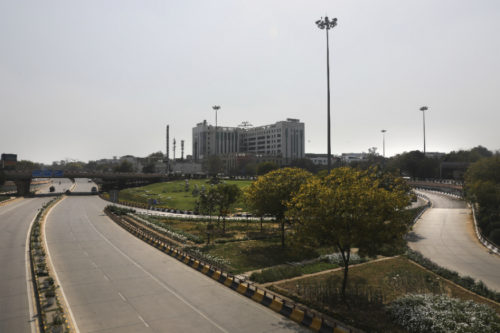
Normally bustling streets in the capital New Delhi and financial hub of Mumbai as well as elsewhere remained mostly deserted as many people stayed indoors from 7am to 9pm, and they collective cheered for healthcare and services-sector workers at 5pm.
Over 300,000 infections have been confirmed worldwide, with the situation increasingly grim in Italy where the death toll has spiked to more than 4,800, or more than a third of the global fatality count.
While the coronavirus can be deadly, particularly for the elderly and people with other health problems, for most it causes only mild or moderate symptoms, such as fever and cough. Some feel no symptoms at all and the vast majority of people recover.
Healthcare experts have been making repeated appeals to the public to practice social distancing and good hand hygiene apart from advocating widespread testing.

