Karnataka authorities discuss issues with Maharashtra to protect Kannadigas: Bommai

KEY STORY

  • Addressing the issue of protection of Kannadigas in Maharashtra after reports of vandalism of statues of Chhatrapati Shivaji in Bengaluru, Karnataka chief minister Basavaraj Bommai said Karnataka authorities and police have taken up the issue with their counterparts in Maharashtra.
  • “State Home Secretary and Director General of Police have taken up the issue with their Maharashtra counterparts to protect the life and property of Kannadigas in Maharashtra,” said Bommai on Monday.
  • “We have taken up the issue to provide security for Karnataka government vehicles,” he added.
  • Referring to the incident of vandalism of statues of Chhatrapati Shivaji and freedom fighter Sangolli Rayanna, CM said, “The State government will take decisive steps to stop vandalism. Stringent action would be initiated against those who take the law into their hands.”
  • “The main perpetrators of the recent vandalism in Karnataka have already been arrested. We will not allow any hooliganism to continue,” he added.
  • Tension erupted in Belagavi after a purported video that showed some people pouring black ink on the statue of Chhatrapati Shivaji Maharaj at Sankey Tank Road in Bengaluru went viral.
  • Shiv Sena and Maharashtra Ekikaran Samiti (MES) followers gathered in Belagavi and protested against the Karnataka government at Dharmaveer Sambhaji Maharaj Chowk.

CONCLUSION

  • The miscreants smashed around 26 vehicles of the Karnataka government and police at Belagavi.
  • The protestors alleged that Kannada goons have defaced a statue of Chhatrapati Shivaji Maharaj in Bangalore.
  • Meanwhile, as per Belagavi commissioner of police K Tyagarajan, 27 people have been arrested in three police station limits in Belagavi for attacking the Sangolli Rayanna statue.

Karnataka begins issuing ‘BH’ series for vehicle registrations

KEY STORY

  • Karnataka has begun issuing BH (‘Bharat’) series of registration numbers for a select group of vehicle owners, to enable smooth transfer of government employees from one state to another.
  • J Purushotham, additional commissioner for transport (E&EG), said the department began processing the applications for BH series two days ago.
  • As per the rules, he said, those seeking BH series should be central government or PSU employees or employees of firms and organisations that have establishments in more than four states.

CONCLUSION

  • Vehicles from other states migrating to Karnataka have to intimate the authorities within 15 days from the date of entry and register in the local RTO within the next 12 months. The process involves a whole set of procedures besides payment of fees.

SA vs Ind: Test, ODI series to be played behind closed doors

KEY STORY

  • Cricket South Africa (CSA) on Monday informed that owing to the increasing COVID-19 cases around the world, and the fourth wave locally, CSA along with the BCCI have taken a joint decision to protect the players and the tour by not making tickets available for India vs Proteas series.
  • India and South Africa will lock horns in three Tests and three ODIs. The first Test will be played in Centurion beginning December 26.
  • “This decision was taken in order to avoid any breaches that could compromise the tour from a Covid-risk perspective and to also maintain a hazard-free bubble environment,” said CSA in an official release.
  • “At this stage, we would like to remind all cricket fans that the tour and the matches will still be broadcast on SuperSport and SABC platforms,” it added.
  • In addition to this and as part of ongoing efforts to increase the reach of cricket, CSA is exploring other alternative public viewing activations which will ensure that a limited number of fans are able to enjoy the summer cricket atmosphere with other fans via activation sites, while still observing the strictest safety measures and exercising duty of care.
  • CSA will announce the available alternative public viewing activations as soon as the relevant approvals have been secured.

CONCLUSION

  • Pholetsi Moseki, CSA Acting Chief Executive Officer said, “We acknowledge the interest expressed by the fans and other stakeholders on being able to return to stadiums and want to assure all cricket fans that this decision was not taken lightly, but was instead taken in the best interest of the game and in the interest of the health and safety of all patrons.”
  • “Consequently, we urge all sport lovers to exercise absolute care, during these extraordinary times. I also wish to take this time to urge all South Africans to continue spreading the positive messages of VACCINATION, VACCINATION AND VACCINATION, because this is the only way that we can truly get our country back into its high economic activity, which will assist the government to open up the economy and all its forms of economic activity, including allowing greater numbers of fans back into stadiums,” he added.

No clear evidence on Omicron’s immune evasion, severity in India; Delta still variant of concern: INSACOG

KEY STORY

  • The Indian SARS-CoV-2 Genomics Consortium (INSACOG) has said that there is no clear evidence yet regarding the transmissibility, immune evasion or severity of Omicron in India.
  • INSACOG is a consortium of 38 government-owned laboratories established to monitor genomic variations of the virus that causes coronavirus.
  • In its latest bulletin dated December 13 and published on Monday, the consortium said public health measures and investigations are being conducted to look into the new variant.
  • It also noted that the variant continues to grow rapidly as a variant of concern globally.
  • “At this time, there is no clear evidence regarding transmissibility, immune evasion, or severity in India,” INSACOG said.
  • It further said that while the Delta variant, including its B.1.617.2 (AY) and AY.x sublineages, continues to be the main variant of concern globally, Omicron continues to grow rapidly.
  • “Cases have continued to increase in South Africa, with a smaller but clear rise in hospitalisations. Pending complete genomic sequencing, in the UK, S-gene target failure has shown a very rapid increase in likely Omicron cases and this would represent a significant growth advantage against Delta,” the INSACOG said in its weekly bulletin.
  • The consortium said that while there are some indicators that the disease may be milder with Omicron, there is insufficient data to determine whether this is because of prior infections or vaccination.
  • “There is insufficient data for Omicron severity in unvaccinated or partially vaccinated older subjects,” INSACOG said.

CONCLUSION

  • So far, India has reported 161 cases of the Omicron variant of the coronavirus across 11 states and Union Territories, including Maharashtra and Delhi.
  • Earlier today, Union Health Minister Mansukh Mandaviya said that the government is monitoring the situation with experts on daily basis.
  • “Drawing from our experience during the first and second waves and to ensure that we don’t face problems when the concerned variant spreads, we have arranged for a buffer stock of important medicines,” he told the Rajya Sabha.

Unvaccinated people more at risk of severe infection, hospitalisation: Doctor who first identified Omicron

KEY STORY

  • Dr Angelique Coetzee, who first identified Omicron, has said that the new Covid variant, might cause serious infection in unvaccinated people. The senior doctor said so far she hasn’t seeen a severe case of Omicron, but cautioned that people who haven’t taken the vaccine shots might have to be admitted to hospital.
  • Dr Coetzee, chairperson of South African Medical Association, however, cautioned people against Omicron saying, so far the study and her expreience suggests that the new variant of coronavirus has a higher transmissibility than the Delta variant.
  • “I don’t think so. Not if it follows the same pattern as in South Africa. I’m not sure what your doctors are currently saying about the severity of Omicron, but I haven’t really seen a severe case of Omicron. Hopefully, they are only witnessing mild cases as we did. But unvaccinated people might get a severe infection and might have to be admitted in hospitals,” Dr Coetzee said
  • “It is only unvaccinated people who might have to be admitted in ICU. I must say that vaccinated people in our country are experiencing milder symptoms as compared to unvaccinated ones. But that picture changed today. Today, I saw a lot of vaccinated people come with reinfections or breakthrough infections in those who did not have COVID before.” she added.
  • Meanwhile, Indian SARS-CoV-2 Genomics Consortium (INSACOG) has said that there is no clear evidence yet on the transmissibility, immune evasion or severity of Omicron in India.
  • The INSACOG noted that Omicron cases are rising rapidly across the world. It also stressed that at present, the Delta variant, including its B.1.617.2 (AY) and AY.x sublineages, continue to be the main variant.

CONCLUSION

  • “At this time, there is no clear evidence regarding transmissibility, immune evasion, or severity in India,” INSACOG said.
  • The Indian SARS-CoV-2 Genomics Consortium said that the findings so far suggest that the disease may be milder with Omicron variant but “there is insufficient data for Omicron severity in unvaccinated or partially vaccinated older subjects.”

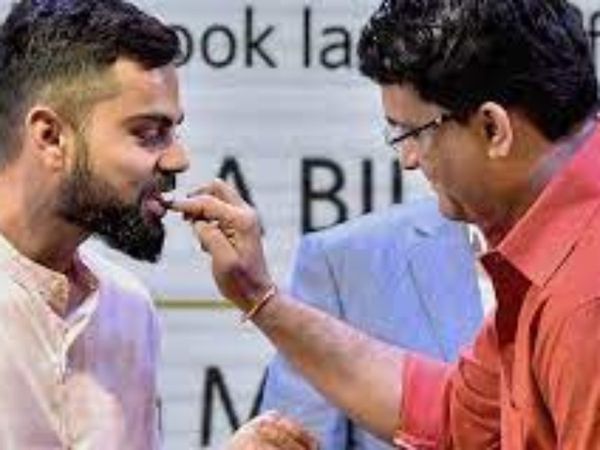
He is one of my favourite captains: When Sourav Ganguly lavished praise on Virat Kohli’s leadership ability

KEY STORY

  • In what is arguably the biggest controversy to hit Indian cricket in recent times, Board of Control for Cricket in India (BCCI) president Sourav Ganguly and Indian Test skipper Virat Kohli have directly contradicted each other in public. Following Kohli’s removal as the ODI skipper, Ganguly had claimed that he had personally called Kohli about the decision and earlier requested him not to relinquish captaincy in the T20 format.
  • However, Kohli in an explosive press conference before the Indian cricket team’s departure to South Africa denied any prior communication about the change in ODI captaincy. He also said his decision to resign from the T20I captaincy was well-received by the board but no request was made for him to not give up the position.
  • While the relationship between the duo might have deteriorated recently, it has not always been the case. A few years back Ganguly had called Kohli one of his favourite captains in world cricket.  Speaking at a promotional event of a steel company in 2016, Ganguly said, “Virat is one of my favourite captains at the present moment. He is a terrific player. In his short career so far he has done wonders for the country. Someone who when I look at him on the field is going to raise the value of the Indian cricket with his intensity, fighting spirit and hunger to win.”
    “You could see it on his face when he walks out to bat, or captain India he wants to be the best. The country needs him at the moment and I think he is great addition to Indian cricket,” added Ganguly,” he added.
  • So far, Ganguly has not spoken about Kohli’s comments and said the BCCI will take care of the issue. Indian cricket’s governing body is also yet to respond to the issue in an official capacity.

North India shivers under chilling winter; IMD predicts cold wave conditions for next 3 days in three states

KEY STORY

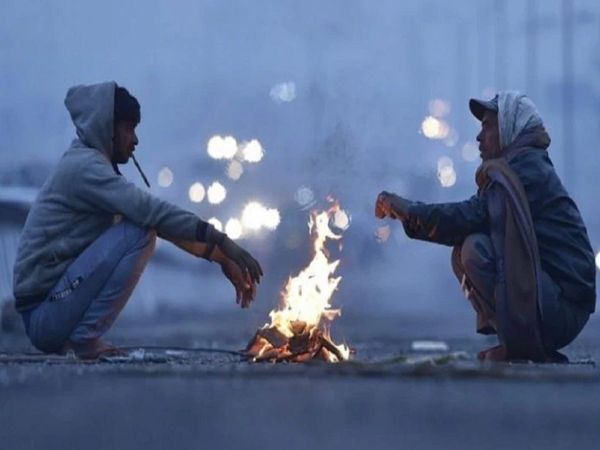
  • Rajasthan’s Churu witnessed temperatures below freezing point while many other regions in northern India shivered as cold wave continued to grip the country.
  • According to the India Meteorological Department (IMD), cold wave to severe cold wave conditions have been prevailing in some parts of north Rajasthan and Punjab, while cold wave conditions prevail in isolated pockets over Jammu and Kashmir, Ladakh, Gilgit, Baltistan and Muzaffarabad, Himachal Pradesh, Haryana, north Rajasthan and north Madhya Pradesh.
  • The minimum temperature was recorded at 4.6°C in the Safdarjung area of Delhi, early this morning.
  • “In addition, dry northwesterly winds of about 10-15 kmph and markedly below normal Maximum Temperatures are prevailing over Punjab, Haryana and north Rajasthan since past three days enhancing the adverse impact of cold wave conditions which are likely to prevail during next three days and improve thereafter,” said the IMD.

  • Churu has reported the lowest minimum temperature of -1.1°C followed by Amritsar at 0.7°C and Ganganagar at 1.1°C.
    Meanwhile, dense fog prevailed in isolated pockets over Haryana, Uttarakhand and Bihar, with shallow to moderate fog in parts of Punjab and in isolated pockets over Delhi, north Rajasthan and Uttar Pradesh.
    Resultantly, the visibility also remained low creating difficult driving conditions with slower journey times.


COVID-19: Be prepared for any eventuality, says AIIMS chief amid surge in cases of Omicron variant

KEY STORY

  •  Amid growing concerns over the possibility of a third wave driven by the new Omicron variant of coronavirus, AIIMS Director Dr Randeep Guleria has alerted the authorities saying that they should be prepared for any eventuality.
  • “We should prepare and hope that things should not be as bad as in the United Kingdom. We need more data. Whenever there is a surge in cases in other parts of the world, we need to monitor it closely and be prepared for any eventuality,” ANI quoted Dr Guleria as saying on Sunday.
  • The UK has reported another 12,133 Omicron cases in the last 24 hours, the biggest daily increase since the new COVID-19 variant has been detected in the country. With this, the total number of Omicron cases found in the country has reached 37,101, the UK Health Security Agency (UKHSA) has said.
  • Meanwhile, India’s count of Omicron cases has surged to 153 after Maharashtra reported six and Gujarat logged four more cases of the new mutant variant yesterday, according to the Ministry of Health and Family Welfare (MoHFW).

Omicron detected in 11 states/UTs

According to central and state officials, omicron cases have been detected in 11 states and union territories in the country so far. Maharashtra is worst-affected by the Omicron surge as it’s leading the tally with 54 cases, followed by Delhi’s 22.
The other states/UTs which have reported the Omicron cases are Rajasthan (17) and Karnataka (14), Telangana (20), Gujarat (11), Kerala (11), Andhra Pradesh (1), Chandigarh (1), Tamil Nadu (1) and West Bengal (1).
The Omicron variant was first reported to the World Health Organisation (WHO) from South Africa on November 25. As per the WHO, the first known confirmed B.1.1.529 infection was from a specimen collected on November 9 this year.

Opposition to boycott meeting called by Centre to discuss suspension of Rajya Sabha MPs

KEY STORY

  • Opposition parties will boycott the meeting called by the Centre to discuss the suspension of 12 Rajya Sabha MPs, confirmed Shiv Sena leader Sanjay Raut on Monday.
  • The decision was taken following a meeting of all opposition parties this morning.
  • While speaking to media, Sanjay Raut said, “We will not attend the meeting called by the Government. We will demand the resignation of MoS Home Ajay Kumar Misra and revocation of suspension of 12 Opposition MPs in Rajya Sabha. We will not let both Houses of Parliament function.”
  • Earlier in the day during the meeting of floor leaders of both the Houses, the opposition leaders further discussed strategy on revoking suspension of 12 Opposition MPs and demand for resignation of Minister of State for Home Affairs Ajay Mishra Teni over the Lakhimpur Kheri incident.
  • The Rajya Sabha was adjourned on Friday with an announcement from the Chair to meet at 11 am on Monday, citing a decision taken in a meeting held earlier in the day with the government and opposition leaders.
  • In previous days the House faced disruption on various issues, especially over the revocation of suspension of 12 MPs.

CONCLUSION

  • In a move that angered the Opposition and set the stage for acrimonious exchanges, a dozen members of Opposition parties in Rajya Sabha were suspended from the winter session on the very first day on Monday following a motion brought in by the government.
  • The members were suspended for alleged unruly conduct towards the end of the monsoon session in August when marshals were called after Opposition members stormed the Well of the House during the passage of the General Insurance Business (Nationalisation) Amendment Bill, 2021.

Karnataka Cabinet likely to take up anti-conversion bill today

KEY STORY

  • All eyes will be on the Cabinet meeting scheduled on Monday noon, during which the state government is expected to clear the controversial anti-conversion Bill.
  • The bill, likely to be titled ‘The Karnataka Protection of Right to Freedom of Religion Bill 2021’, will be then tabled in the lower house, people aware of the developments said.
  • “The bill is ready and the cabinet may discuss it tomorrow. After discussions it has to be printed and then tabling will happen. Within a day or two, it will happen. We want to get it passed in this session,” Madhuswamy told HT on Sunday.
  • The tabling of the bill comes at a time when the Bommai government is facing strong opposition to the proposal, especially in the backdrop of increased attacks against members of the Christian community in the state.
  • The bill, according to senior members of the cabinet, is aimed at restricting and penalising conversion by allurement or by force.
  • Several members of the Christian community and the Opposition have said that they will fight against the proposal in the house and outside.
  • Siddaramaiah, the Leader of Opposition in the state assembly, had said that his party will not allow the anti-conversion bill to be passed in the house.
  • He alleged that the government was making attempts such as bringing in anti-conversion law to divert the attention of the people from real issues.
  • “Is there a need for it? There is no need. If there is forced conversion, file a complaint against those involved and punish them. There is a law already.” he had said.
  • “We have gone through seven bills from different states who enacted the bill. The Congress, too, had drafted it in 2016, which was scrutinised by the then law minister but was not brought before the cabinet. We have copied the same and they cannot take any objection because they have drafted this bill,” Madhuswamy said.
  • A copy of the bill is doing the rounds on social media, which the government has not authenticated.
  • According to this bill, the government has defined “allurement” as “any gift, gratification, easy money or material benefit either in cash or kind.”
  • It further added that the promise of employment, free education in reputed schools run by any religious body, promise to marry, better lifestyle, divine pleasure or otherwise will also be considered as allurement.
  • The clause said that “disturbing the freedom of practice, rituals, and ceremonies or any integral part of a religion or offending religious sentiments” will invite action.
  • The bill also defined coercion, conversion, force and fraudulent as means for religious conversion, among others. “Mass conversions means where two or more persons are converted,” the bill stated.
  • “Prohibition of conversion from one religion to another religion by misrepresentation, force, undue influence, coercion, allurement or marriage. No person shall convert or attempt to convert, either directly or otherwise, any other person from one religion to another by use or practice of misrepresentation, force, undue influence, coercion, allurement or by fraudulent means or by marriage nor shall any person abet or conspire such conversion,” the bill added.
    Penal provisions for violations of the proposed law like jail terms extending from 3-10 years and fines capped at ₹1 lakh have been added to the bill.
    “Marriage done for the sole purpose of unlawful conversion or vice-versa to be declared void,” it added. Further, the offence will be non-bailable and cognizable, the bill read.
    Any person willing to convert will have to apply to the Deputy Commissioner who will scrutinise the request. Other details include the submission of personal details like date of birth, original religion, residential address and a copy of the Adhar card.
    After the person appears before the DC within 21 days to confirm the contents, the official will record the statements or any objections to the same. Further, the details will be sent to other departments like revenue, social welfare, backward classes and minority welfare among others, including rural bodies, principals or headmasters of educational institutions.
    “In recent years the state has noticed many instances of conversion by means of ‘allurement, coercion, force, fraudulent means and also “mass” conversion. These instances caused disturbance to public order and to punish such persons indulged in such acts at present no legislation is in existence in the state,” according to the statements or objects and reasons in the bill.
    The bill added that the Law Commission of Karnataka, after studying the various laws on the subject and considering the situation in the state in its 30th report, has made a recommendation to the government to enact a suitable law on the subject.
Just five days left, but winter session of Assembly yet to take up North Karnataka issues

KEY STORY

  • The ten-day winter session of the Legislature, which is going on in Belagavi, was expected to address issues concerning the development of North Karnataka, but no discussion has taken place in the first week of the session.
  • While less than 50 per cent of the legislators are in attendance, there is no room left to discuss issues of North Karnataka in the remaining five days of the session.
  • The first week of the session was rocked by land-grabbing allegations against elected representatives of BJP and the ‘rape’ remark made by senior Congress leader Ramesh Kumar. Opposition members raised questions over crop loss, damage to property due to rain and floods and compensation being paid to those affected in North Karnataka, but there was no positive response from the government.
  • The government wants to use the remaining five days to pass anti-conversion and love jihad bills. But opposition parties are planning to stall these pieces of legislation in both Houses through protests and forcing adjournments.
  • Amid this, farmer groups too are planning a massive protest demanding the rollback of farm laws passed by the state. With these possibilities, both Houses may not allocate any time to discuss issues related to North Karnataka.
  • Belagavi North MLA Anil Benake said, “One week of the session has passed in discussions other than North Karnataka issues. We will see whether these discussions will be taken up from Monday. If not, we will raise our voice and protest demanding the debate.”
  • Some of the major demands of the North Karnataka region are: Execution of the Mahadayi project, which is expected to provide drinking water to Gadag, Dharwad and Belagavi, and pending for the last two decades; implementation of Upper Krishna Project Phase 3 which will irrigate lakhs of hectares of land; shifting of sub-divisional offices to Suvarna Vidhana Soudha to keep it busy and help the people of North Karnataka get their work done quicker; setting up of an IT-BT park in Belagavi, allowing thousands of skilled youth from the region get jobs; suitable compensation to farmers who have suffered huge losses due to heavy and untimely rain; fair and remunerative prices for sugarcane, which is a major cash crop, and payment of dues to farmers; a district status for Chikkodi, which has been pending for a decade; completion of various lift irrigation projects, including Khilegaon project in Athani, Veerabhadreshwara project in Ramdurg, lake refilling projects and others; land acquisition for the Belagavi-Kittur railway line; and construction of Ballari Nala, a major sewage line passing through Belagavi city and setting up of a sewage treatment plant.

Eggs in mid-day meal for Karnataka schools: Seers, mutts announce agitation

KEY STORY

  • The addition of eggs in the mid-day meal for school children in Kalyan Karnataka and Vijayapura by the government which has already snowballed into a controversy, is expected to take a serious turn tomorrow when the All India Vegetarians Federation (AIVF), an organization comprising several leaders and swamis from various “vegetarian religions,” launches a “Suvarna Vidhan Soudha” Chalo agitation on Monday in Belagavi against the supply of eggs to school children.
  • “The AIVF appeals to the government that instead of eggs, the school children should be given a uniform multivitamin pure vegetarian food in their mid-day meal.”
  • Several seers and leaders from noted mutts and other institutions belonging to different religions like Lingayat, Jains, Brahmins, etc., urged the government in a joint press conference in Belagavi on Monday to withdraw eggs from the mid-day meal in the larger interests of lakhs of students who hailed from religions and sections, which are purely vegetarian traditionally.
  • Through Vidhana Soudha Chalo agitation, the AIVF will also demand establishment of  “vegetarian anganwadis and schools” in th state exclusively for lakhs of students who hailed from religions which depended solely on vegetarian diet, said Convenor of AIVF Shri Dayanand Swamiji.
  • The rally will begin at Chennamma Circle and reach Suvarna Vidhan Soudha where a dharna and meeting will be held tomorrow. The agitation will continue until Chief Minister Basavaraj Bommai himself meets the agitators from AIVF and agrees to withdraw eggs from the mid-day meal for children, says Dayanand Swamiji.
  • Although the government has given a choice for children to eat bananas as an alternative to eggs in the school, the tradition of supplying eggs regularly to children on campus would compel children from “vegetarian religions” to start eating eggs. If the children are fed eggs on school campus for years together from anganwadi to 8th standard, it will naturally have an impact on vegetarian kids.
  • Several religions in the state have had people who are vegetarians for centuries and the culture of eating eggs on campus could have an adverse impact on their religions’ rich culture, said Swamiji.

CONCLUSION

  • Leaders from different religions also urged the government to supply other nutritional vegetarian items with a more nutritional value than eggs and said, the previous Congress and JDS governments in the past had withdrawn the addition of eggs in the mid-day meal for children after they came under pressure from various quarters.
  • In the interest of a large section of vegetarians in the state, the government should immediately stop supply of eggs in schools and introduce other purely vegetarian items in the mid-day meal scheme, they said.

101 Omicron cases across 11 states in India, stay vigilant and avoid non-essential travel, mass gatherings: Health Ministry

KEY STORY

  • There are 101 Omicron cases across 11 states in the country with daily COVID-19 cases below 10,000 for the past 20 days.
  • 32 cases were reported in Maharashtra, 22 in Delhi, 17 in Rajasthan, 8 each in Karnataka and Telangana, 5 each in Gujarat and Kerala, one each in Andhra Pradesh, Chandigarh, Tamil Nadu and West Bengal respectively.
  • The Health Ministry said that people must remain vigilant in view of Omicron variant, rising cases in other countries and avoid non-essential travel, mass gatherings and observe low-intensity festivities.
Omicron is spreading faster than the Delta variant’
  • “Omicron variant reported in 91 countries in the world. WHO has said that Omicron is spreading faster than the Delta variant in South Africa where Delta circulation was low. It’s likely Omicron will outpace Delta variant where community transmission occurs, WHO added,” said Lav Agrawal, Joint Secretary, Health Ministry.
  • There is no evidence to suggest that vaccines are not effective against the Omicron variant of coronavirus, said Agarwal.
  • The Health Ministry has also said that districts with over 5 per cent COVID-19 case positivity rate need to ensure restrictive measures until it’s below 5 per cent for at least 2 weeks.
  • The case positivity for the last 1 week was 0.65 per cent with Kerala contributing 40.31 per cent to the total number of active cases in the country.
  • He further said that India is administering COVID-19 vaccine doses at the highest rate in the world and the daily rate of doses administered is 4.8 times the rate of doses administered in the USA and 12.5 times the rate of doses administered in the UK.
  • On Omicron threat, Dr VK Paul, Member-Health, Niti Aayog said that a new phase of the COVID-19 pandemic is being experienced in Europe with a steep rise in cases.
  • ‘Genome sequencing of every sample is not possible’
  • He also said that genome sequencing of every sample is not possible as it is a surveillance and pandemic assessment and tracking tool, not a diagnostic tool as of now.We can assure sufficient systematic sampling is being undertaken, he added.
  • On Gennova mRNA vaccine, Dr Paul said that it is moving very well through Phase 2 and Phase 3 trials.
  • “It is stable at the normal temperature. It is a remarkable possibility and technology on the horizon,” he added.
  • On anti-viral COVID-19 pills, Dr Bhargava said that they have found that these tablets need to be given very early, even before the diagnosis of the disease.
  • Scientific data is still not supported in a big way that the pills will be useful at the moment, he added.

COVID third wave likely to peak in India in February, expected to be milder: Govt panel amid Omicron threat

KEY STORY

  • The third wave of coronavirus is likely to peak in the country early next year but it would be milder than the second wave, according to National COVID-19 Supermodel Committee.
  • M Vidyasagar, the head of the panel, said that coronavirus cases in the country are likely to increase once Omicron starts displacing Delta as the dominant variant.
  • “Third wave is likely to arrive early next year in India. It should be milder than the second wave due to a large-scale immunity present in the country now. There will definitely be a third wave. Right now, we are at around 7,500 cases per day which is sure to go up once Omicron starts displacing Delta as the dominant variant,” he was quoted as saying by ANI.
  • Vidyasagar further suggested that India would not log more than two lakh cases daily, in the worst scenario, if the third wave hits the country.
  • “I emphasise that these are projections, not predictions. We can start making predictions once we know how the virus is behaving in the Indian population. Based on our simulations, in the worst scenario that we have simulated, namely total loss of immunity conferred due to vaccination and maximum loss of naturally induced immunity, the number of cases remains below 1.7 to 1.8 lakh cases per day. This is less than half of the peak during the second wave,” he said.
  • The Central government on Friday advised people to keep new year celebrations at low intensity and avoid non-essential travelling amid a sharp rise in Omicron cases across the country. It also said that Omicron spread is unlikely to outpace Delta variant where community transmission occurs.
  • So far, India has recorded a total of 101 positive cases of the Omicron variant of the coronavirus across 11 states and Union territories.

CONCLUSION 

  • The committee comprising Professor Manindra Agrawal of IIT-Kanpur and Lt Gen Madhuri Kanitkar, the deputy chief of the Army Medical Service was set up by the Narendra Modi government for projections on the likely spread of the COVID-19 pandemic.
  • Vidyasagar, also a professor at the Indian Institute of Technology (IIT) in Hyderabad, said that India is unlikely to report more daily cases than the second wave.

34 O2 plants yet to be commissioned in Karnataka

KEY STORY

  • Thirty-four of the total 224 oxygen generation plants are yet to be commissioned in the state. The state plans to have a mock drill at all the commissioned plants on December 28.
  • The union health secretary has asked the states to conduct mock drills of all installed and commissioned Pressure Swing Adsorption (PSA) oxygen generation plants to ensure that they are fully operational so that oxygen of required quantity, pressure and purity reaches the intended patients at their bedside.
  • These drills are to be completed by the end of December, the union health ministry said (to avert a tragedy like Chamarajanagar where 24 died due to oxygen shortage in May this year). State health commissioner D Randeep told DH, “We will be taking up mock drills on December 28. That’s what we have planned. In 190 commissioned ones.”
  • In response to DH’s query on the functional status of oxygen plants in the state, Health Minister Dr K Sudhakar’s office, in a statement, said, “Out of the 262 allocated plants, we have received 224 plants, 190 are commissioned with total plants’ capacity of 1,08,077 LPM (litres per minute) and production of 187 MT (metric tonne)/day”.
  • The staff at the minister’s office explained that at the rest of the 34 plants, the majority of issues are civil and electrical in nature. “They are in advanced stages of completion. By month-end, all 224 should be commissioned and working. The plants that we have not received are ones from CSR (corporate social responsibility) funds which have been promised but are yet to come,” a staffer said.
  • Giving a further breakdown of the total 262 plants allocated to the state, his office said, out of 170 plants being set up by the state (the rest are being provided by the central government), and CSR, 134 plants have been received, 106 commissioned, and 26 awaiting commissioning. The rest of the sites are yet to receive the plants. “There are a few post-commissioning issues in a few plants. We have trained 245 participants (in 10-hour training modules) in three batches.
  • Five (additional) batches are being planned (which are) in discussion with the skill development department,” the statement added.
  • An online training course on operating an oxygen plant was held by the union government for technicians, paramedical staff,  doctors, and nurses of the health and medical education department in the first week of December.
  • Bidar district health officer Dr V G Reddy said, “We have oxygen generation plants in four taluk hospitals, one mother and child hospital, and two at Bidar Institute of Medical Sciences. In all seven are functioning, one at the community health centre at Santoor is undergoing civil work. Once turned on, it takes half an hour at the plant to start generating oxygen.”

Guidelines for conducting mock drills at oxygen generation plants

The state health commissioner D Randeep issued guidelines here on Thursday for conducting mock drills at the state’s oxygen generation plants.
** Mock-drill to be conducted once every three months
**  It is recommended that senior officials in the state such as ADC/DC/CMO/MS (additional deputy commissioner/ deputy commissioner/ chief medical officer/ medical superintendent) etc. oversee the mock-drill and ensure compliance
**  If a facility has more than one PSA (pressure swing adsorption oxygen generation plant), then mock drill should be conducted for each PSA
**  Drill should be conducted for at least six hours
**  Oxygen purity should be checked in the PSA control panel display every two hours
**  Check and ensure that the PSA plant is connected to facility MGPS (medical gas pipeline system) and there are no leakages either in the linked MGPS pipeline or manifold
**  The oxygen pressure from PSA should be ranging from 4-6 bar
**  The identified gaps should be reported and immediately resolved by the competent state agency/PSA supplier

Why anti-conversion Bill, questions Congress

KEY STORY

 KPCC  working president Dhruvanarayan on Friday questioned the integrity of BJP MLA Gulihatti Shekar for raising the issue of his mother converting into another religion only recently, whereas she had converted some years ago.
”Since Shekar became a puppet of the RSS, he has been raking up the issue of his mother’s conversion now,” he alleged. The former Chamarajanagar MP, addressing a joint press conference with former Chitradurga MP B N Chandrappa, observed that the BJP government’s plan to bring the anti-conversion Bill, when there is an existing law to check forced conversions, is only to target a particular community.

NEP: Parents for less screen time, more interaction

KEY STORY

  • Meetings to implement the National Education Policy (NEP) 2020 in pre-primary schools have already commenced, with members of the policy’s preparation team inviting parents’ opinions.
  • On Friday, several parents were allowed to voice their opinions and give insights into issues which could be resolved with the implementation of NEP. The members focused on what parents look for in a preschool, improvements to be made to the current system of education and whether children require support at home.
  • This follows Primary and Secondary Education Minister BC Nagesh’s announcement that NEP would be rolled out phase-wise in schools, starting from 2022. During the Assembly winter session, he said NEP would be implemented in select pre-primary schools in the coming academic year.
  • Parents from several schools around Bengaluru spoke on various issues that plagued their children, especially with schools opening after the lockdowns. “My child who started offline school for the first time, was overwhelmed because she had not interacted with other students previously,” said Poorna Shilpa, one of the parents. Many parents had faced similar lockdown-related issues. Padmasree, another parent, mentioned that she had difficulty limiting screen time for her child.

CONCLUSION

  • “Students will benefit if they are encouraged to go to libraries and read books, and move away from phones and limit screen time,” she said.Another parent, Neeharika Arvind, said she had noticed a big difference between offline and online classes, as children could take part in personal interactions and have more learning opportunities and moral lessons, when it came to sharing and other activities. Parents also said that students grasp concepts faster when teachers focused on students’ interests.
    A number of parents also expressed interest in bringing back more traditional learning during playtime. Shveta Swamy, a parent, said, “We’re very happy with how moral-based learning has been implemented, however, there can be improvements on playtime”

Can’t dismiss as ‘mild’, Omicron spreading faster than other Covid-19 variants: WHO Regional Director

KEY STORY

  • Amid concerns arising out of the Omicron variant of COVID-19, Dr Poonam Khetrapal Singh, Regional Director, WHO South-East Asia Region, on Thursday said that Omicron appears to be spreading faster than any other previous variant and added that one should not dismiss it as “mild”.
    In an exclusive interview with ANI, Dr Singh responded on how virulent Omicron is and what are the new major symptoms of this variant.
    “The overall threat posed by Omicron largely depends on three key questions: (1) how transmissible the variant is; (2) how well vaccines and prior SARS-CoV-2 infection protect against infection, transmission, clinical disease and death; and (3) how virulent the variant is as compared to other variants,” she said.
    “Based on the current limited evidence, Omicron appears to be spreading faster at a rate not seen with any other previous variant. Emerging data from South Africa suggest an increased risk of re-infection with Omicron, but more data are needed to draw firmer conclusions. There is still limited data on the clinical severity associated with Omicron. More information on case severity associated with Omicron is expected in the coming weeks.”
    Asserting Omicron should not be dismissed as mild, the WHO Regional Director said more information is needed to fully understand the clinical picture of those infected with Omicron variant.
    “Further information is needed to fully understand the clinical picture of those infected with Omicron and WHO encourages countries to contribute to the collection and sharing of hospitalized patient data through the WHO COVID-19 Clinical Data Platform. We should not dismiss Omicron as mild. Even if Omicron does cause less severe disease, the sheer number of cases could once again overwhelm health systems,” she said.
    When asked if anti-COVID vaccines are effective against Omicron, Dr Singh said that preliminary data suggest that “vaccines may have reduced effectiveness against Omicron”.
    “Again, it will take a few more weeks before there is enough evidence to fully assess the vaccines’ performance against Omicron. We should also not forget that vaccines alone will not get any country out of this pandemic… Countries can – and must – prevent the spread of Omicron with proven public health and social measures. We must continue to do it all. Protect yourself and protect each other. Get vaccinated, wear a mask, keep a distance, open windows, clean your hands and cough and sneeze safely.”
    Singh emphasised the emergence of variants is a reminder that the pandemic is far from over.
    “The risk of COVID-19 remains high globally and the emergence of variants is a reminder that the pandemic is far from over. Like I said earlier, we must continue to strengthen surveillance, public health and social measures and rapidly scale up vaccination coverage. As in the past, whenever we have done these well, we have seen a decline in cases. We know that these measures work. It’s up to each one of us, and all of us to together, to stop transmission, which we can and we must,” she told ANI when asked whether India will face the third wave of COVID-19.
    Commenting on booster doses’ effectiveness against Omicron, the WHO official said that current data show that the performance of vaccines that received WHO’s Emergency Use Listing holds up well against severe forms of the disease with minor or modest reductions in effectiveness by 6 months after the last primary dose.
    “Preliminary studies on the impact of Omicron on vaccine effectiveness, and whether additional doses may be necessary suggest that an additional dose may confer benefit, yet it is too early to draw definitive conclusions from these limited labs and clinical studies. WHO will continue to review the evidence, and update its recommendations as appropriate.”
    “SAGE has recommended moderately and severely immunocompromised persons may be offered an additional dose of COVID-19 vaccine as part of an extended primary series. To make a recommendation on the use of booster doses for the general population more data is needed on vaccine performance of the primary series over time. We must also review the benefits from boosting versus the benefits from expanding the coverage of primary vaccination, in different population groups.”
    She further said that the booster policy has to be considered in the context of the goal of preventing severe disease and death and protecting the health system. WHO recommendations on boosters will be updated as more evidence becomes available, she added.

    CONCLUSION

  • Expressing her views on COVID-19 vaccination for children in India, the WHO Regional Director said that countries should consider individual and population benefits of immunizing children and adolescents in their specific epidemiological and social context when developing their COVID-19 immunization policies and programs.
    “As children and adolescents tend to have the milder disease compared to adults unless they are in a group at higher risk of severe COVID-19, it is less urgent to vaccinate them than older people, those with chronic health conditions and health workers. There are benefits of vaccinating children and adolescents that go beyond the direct health benefits. Vaccination that decreases COVID-19 transmission in this age group may reduce transmission from children and adolescents to older adults.”

Cabinet nod for proposal to increase women’s legal marriage age from 18 to 21

KEY STORY

  •  The Union Cabinet Wednesday accorded in-principle approval to a proposal to increase the age of marriage of women from 18 to 21 years. The proposal clearance comes more than a year after Prime Minister Narendra Modi declared the plan in his address to the nation on the 74th Independence Day.
  • In India, men are legally allowed to get married at the age of 21. The proposed reform will equalise legal marriageable ages for both genders. The government, after receiving the Cabinet’s nod, is likely to make amendments to the Prohibition of Child Marriage Act, 2006, the Special Marriage Act and personal legal instruments such as the Hindu Marriage Act, 1955, The Indian Express reported citing sources.
  • The Cabinet gave the Wednesday’s approval on the basis of the recommendations received by Niti Ayog last December from a task force which was set up to examine “matters pertaining to the age of motherhood, imperatives of lowering MMR (Maternal Mortality Rate), improvement of nutritional levels and related issues”. The task force was led by Jaya Jaitly, the former president of the Samata Party.
  • Jailty, in an interview with The Indian Express, clarified that the task force’s reasoning behind the recommendation was not population control. She backed her assertion with the National Family Health Survey recent findings which show that the Total Fertility Rate (TFR) is declining and the country’s population is under control. She stated the idea behind the recommendation is women’s empowerment.

CONCLUSION

  • “We have had feedback from 16 universities and engaged over 15 NGOs to reach out to young people, particularly in rural and marginalised communities, such as in particular districts in Rajasthan where child marriage is quite prevalent. Feedback was taken across religions, and from urban and rural areas, equally,” Jailty told The Indian Express.
  • The task force’s other recommendations included an elaborate public awareness campaign to encourage social acceptance of the decision, the introduction of sex education in the school curriculum, women’s training in polytechnic institutes, etc.

10 new cases of Omicron variant detected in Delhi, says Satyendar Jain; India’s tally goes up to 97

KEY STORY

  • As many as 10 fresh cases of Omicron variant of coronavirus have been detected in the national capital, health minister Satyendar Jain said on Friday. These infections have pushed the countrywide tally of the new mutant strain to 97.
  • “10 new cases of Omicron Variant reported in Delhi, taking the total number of cases of the variant here to 20. A total of 10 people, out of these 20, have been discharged,” said Delhi Health Minister Satyendar Jain today.
  • Earlier on Thursday, India reported 14 fresh Omicron cases, taking the tally of patients contracting the highly infections coronavirus variant in the country to 87. While Karnataka reported five new cases, Delhi and Telangana saw four each and Gujarat one.
    Omicron scare in India
    There have been growing concerns over the possibility of a third wave of the COVID-19 pandemic amid the surge in Omicron cases in the country. Maharashtra has so far reported the highest number of Omicron cases at 32, followed by Rajasthan at 17.
    The cases have also been reported in the states of Karnataka (8), Gujarat (5), Kerala (5), Telangana (2), Tamil Nadu(1), West Bengal (1) and Andhra Pradesh (1) and Union Territories of Delhi (10) and Chandigarh (1).
    The country’s first two cases of the Omicron variant were detected in Karnataka on December 2.
    COVID situation in India
    Meanwhile, the Ministry of Health and Family Welfare (MoHFW) has stated that as many as 7,447 new COVID-19 cases and 391 deaths have been reported in the country in the last 24 hours.
    As per the health ministry, the active caseload in the country stands at 86,415, while the death toll has surged to 391.
    With 7,886 recoveries during the same period, the tally of total recoveries from the virus since the beginning of the pandemic stands at 3,41,62,765.
    Ajay Bhalla reviews COVID situation
    Meanwhile, Union Home Secretary Ajay Bhalla reviewed the COVID-19 situation in the country and the preparedness of the health infrastructure of all Union territories.
    A new study has raised alarms as it suggested that the new mutant variant of COVID-19 is 70 per cent more infectious than the Delta strain.
    The new variant was first reported to the World Health Organisation (WHO) from South Africa on November 25. As per the WHO, the first known confirmed B.1.1.529 infection was from a specimen collected on November 9 this year.
  • On November 26, the WHO named the new COVID-19 variant B.1.1.529, which has been detected in South Africa, as ‘Omicron’. The WHO has classified Omicron as a ‘variant of concern’.