Bhumi Pednekar and Kapil Sharma come together to supply oxygen in Karnataka amid COVID crisis

KEY STORY

  • Bollywood star Bhumi Pednekar has been relentless in helping people across the country during the second wave of the COVID-19 crisis. Now, she partners with Kapil Sharma to help aid patients in Karnataka that’s battling the virus.
  • Bhumi, who has teamed up with Sri Sri Ravi Shankar’s Mission Zindagi initiative, will now join hands with Kapil to provide oxygen supply for people in Karnataka. The programme will send oxygen buses outside COVID hospitals in Hoskote, Devanahalli, Doddaballapur, Nelamangala-1 & Nelamangala-2 to help aid those in need.
  • Bhumi says, “Our country is currently witnessing the second wave of this deadly virus which has now penetrated rural India. With so many cases coming from smaller towns and villages where medical assistance and aid might be limited, the need of the hour is to provide oxygen to the patients. Through Mission Zindagi, we are focusing our attention towards rural India and are starting with some districts in Karnataka.”
  • She explains, “Our buses would be installed with oxygen concentrators that would provide tertiary care to patients outside district hospital emergencies while they wait for a bed. Our buses will help share the load of hospitals in smaller towns where the cases are now rising. I’m glad we collaborated with Kapil on this leg of the mission as he is well-loved by many. I want to do my bit to ensure that as many COVID-19 patients get the help that they critically need and I’m thankful to Gurudev for being a beacon of hope at this time of crisis.”
    Kapil Sharma says, “As Humans, we have to support each other right now. I’m also doing my bit. It is my honour to associate with the extraordinary work that Gurudev & BJS (Bharatiya Jain Sanghatana) are doing. With Bhumi, who is doing exemplary work towards COVID relief, this initiative with Mobile oxygen Buses, we have now started supporting people in Karnataka & planning to take this to more states as well.”

Viral WhatsApp message about three blue ticks, government accessing your messages is fake

KEY STORY

  • As the ongoing tussle between WhatsApp and the Indian government over intermediary guidelines intensifies, a viral message claiming government will record conversations of users causes panic among users.
  • The message is being widely circulated on WhatsApp and has been drafted in such a way that any user will fall for it, but you should not. The Press Information Bureau too has warned users against the same. WhatsApp had never rolled out three blue ticks and the government can not access the messages or calls of people.
  • The message which carries a total of nineteen points written in capital letters claims to inform users about the new WhatsApp rules. It says that the new communication rule “will be implemented from tomorrow”.
  • The viral message claims that WhatsApp will introduce three blue ticks which will notify that the government has taken note of the message and if the two of the three ticks turn blue and one turns red, it would mean that the government can take action against you.
  • If two of three blue ticks turn red and one remains blue, it would mean that the government is checking your information and if you get three red ticks, it would mean has started legal proceedings against you, and you will get summoned by court soon.

  • Before you start reading the entire message, do note that it is completely fake and has been sent to create panic among users. No calls will be recorded, no recordings will be saved as claimed. Neither will your phones be connected to the ministry system. The viral message also turns preachy a bit and advises users to not send wrong messages to anyone, which you anyway should not.
  • The message also claims that if you send anything against the government you will be dragged to court. Whoever has drafted the message seems like a good storyteller and has spent a lot of time in creating something that would mislead users and create panic amongst users. You should not believe any message or any message claiming to be an announcement until the government makes it official. You can always rely on the verified government handles for the announcements related to the government.
  • PIB too has tweeted about the viral message doing the rounds on WhatsApp. “Fake News Alert ! Messages circulating on Social Media reading ‘WhatsApp info regarding tick marks’ is Fake. No! The Government is doing no such thing. The message is Fake,” the tweet says.

Delhi Govt to Give Rs 5 Lakh to Kin of COVID Patients Who Died Due to Lack of Oxygen

KEY STORY

  •  The Delhi government has announced that it will provide a compensation of up to Rs 5 lakh to the kin of COVID-19 patients who died due to lack of oxygen. The Aam Aadmi Party (AAP) government has formed a committee of six doctors to prepare the framework of the compensation.
  • The committee will decide the framework based on which a maximum compensation of Rs 5 lakh will be given.

CONCLUSION

  • It will have the right to examine any documents related to oxygen supply, stock, and storage from the hospital concerned.
  • This committee will send its report to the Principal Secretary (Health), Delhi, on a weekly basis.
  • This amount will be an add-on to the already-announced Rs 50,000 compensation to families of those who died due to COVID-19.

Overuse of antibiotics, secondary infection behind worsening COVID-19 pandemic in India: ICMR study

KEY STORY

Antibiotics overuse and superbugs could be the reason behind the worsening COVID-19 crisis in India.
A study conducted by ICMR across 10 hospitals including two (Sion and Hinduja) in Mumbai showed that more than half of the COVID-19 patients who get a secondary bacterial or fungal infection die.
According to a report by TOI’s Malathy Iyer, many patients required strong antibiotics to ward off superbugs. These superbugs cannot be treated with usual antibiotics.

Overuse of antibiotics and antifungals cause of concern

Drug-resistant variants of Klebsiella pneumonia, Acinetobacter baumannii, and Pseudomonas aeruginosa were amongst the most common bacterial infections, the report said.
Antibiotics are prescribed to COVID-19 patients who end up staying in the hospital for a longer period to protect them against hospital-acquired infection.
Overuse of antibiotics and antifungals may be behind the surge in rare infections such as black fungus or mucormycosis.
According to Dr Amitabh Malik, Chief- ENT, Paras Hospital, Gurugram, human bodies are constantly attacked by different bacteria and fungi; however, they are kept under control by the immune system.

‘Compromised immune system breeding ground for fungal, bacterial infections’

  • When the immune system is compromised due to heavy and unreasonable use of steroids, diabetes, or cancer treatment; it provides a breeding ground for these fungi and bacteria to grow and multiply rapidly.
  • “Most diabetic patients suffering from COVID-19, who are being given steroids, have a high chance of being affected by the black fungus. To prevent it, people should stop the misuse of steroids,” he said.
  • Over the past few weeks, India has been reporting several cases of black fungus.
  • On Thursday, the Delhi government declared ‘Black Fungus’ (Mucormycosis) an epidemic in the national capital.

There are more than 600 cases of black fungus in the national capital.

Remove GST on life-saving medicines, equipment used in COVID fight: Priyanka Gandhi to government

KEY STORY

  • Congress leader Priyanka Gandhi Vadra on Friday urged the Centre to remove GST on all life-saving medicines and equipment being used in the fight against COVID-19, asserting that charging tax on such items amid the pandemic amounts to “cruelty”.
  • Her appeal to the government came ahead of the GST Council meeting, which decides on taxes on goods and services, later on Friday.

Recovering GST on COVID-related products from people who struggled for ambulances, beds, ventilators, oxygen, medicines, vaccines during the pandemic amounts to “cruelty and insensitivity”, Priyanka Gandhi said in a tweet in Hindi. “Today, in the GST Council, the government should remove GST on all life-saving medicines and equipment being used in the fight against COVID,” the Congress general secretary said.

CONCLUSION

She also attached a list of items being commonly used in the fight against coronavirus and the rate of GST charged on them.

ICC announces playing conditions for World Test Championship final between India and New Zealand

KEY STORY

  • The International Cricket Council (ICC) on Friday announced the playing conditions for the ICC World Test Championship Final featuring India and New Zealand at the Hampshire Bowl in Southampton next month.
  • The playing conditions confirm that a draw or a tie will see both teams crowned as joint winners as well as the allocation of a Reserve Day to make up for any lost time during the regular days of the Final – scheduled to be played from 18 to 22 June, with 23 June set aside as the Reserve Day. Both of these decisions were made in June 2018, prior to the commencement of the ICC World Test Championship.
  • The Reserve Day has been scheduled to ensure five full days of play, and it will only be used if lost playing time cannot be recovered through the normal provisions of making up lost time each day. There will be no additional day’s play if a positive result is not achieved after five full days of play and the match will be declared a draw in such a scenario.
  • The playing conditions are available on the page here and explain the calculations of playing time.
  • In the event of time being lost during the match, the ICC Match Referee will regularly update the teams and media about the way in which the Reserve Day may be used. The final decision on whether the Reserve Day needs to be used will be announced at the scheduled start of the last hour on the fifth day.
  • The match will be played using Grade 1 Dukes cricket balls.
  • The final will also see the implementation of the following changes to international playing conditions that came into effect with the ongoing ICC Men’s Cricket World Cup Super League series between Bangladesh and Sri Lanka:
  • Short Runs – The Third Umpire will automatically review any call of a ‘short run’ by the On-field Umpire and communicate the decision to the On-field Umpire prior to the next ball being bowled.
  • Player Reviews – The fielding captain or the dismissed batsman may confirm with the Umpire whether a genuine attempt has been made to play the ball prior to deciding whether to initiate a player review for LBW.
  • DRS Reviews – For LBW reviews, the height margin of the Wicket Zone has been lifted to the top of the stumps to ensure the same Umpire’s Call margin around the stumps for both height and width.

Has work from home caused you to have a bad posture – 5 yoga poses to help correct posture and alignment

  • Before the pandemic, work from home seemed too good to be true. However, when we happened to experience it in reality, this notion took a huge blow. Being restricted to desk jobs, people were required to sit and work for a prolonged period of time. Gradually, people began experiencing the repercussions of a desk stricken job due to lack of exercise.
  • The problem of a bad posture is one of the complaints that emerged largely. Exercises revolving around outdoor or gym activity may not be possible at the moment, however, one can always opt for home-friendly yoga exercises. Apart from helping the posture, yoga can also provide several other health benefits to the body.

Yoga for good posture

Here are some yoga postures that can help you correct and align your posture:

Bridge pose


It is also known as Setu Bandha Sarvangasana. You can execute this pose in the following steps:
  • Lie down straight on your back on a yoga mat.
  • Place your hands parallelly straight to your body.
  • Lift your knees and lie down in a relaxed position.
  • Lift your hips upward and so your posture resembles that of a bridge.
  • Return to the initial position and repeat.

Downward facing dog pose

It is also know as Adho Mukha Svanasana. You can execute this pose in the following steps:
  • Start from a plank position and breathe.
  • Lift your hips upward so it’s arched outwards and your face is downward.
  • Stretch our body in the same position and hold.
  • Return to the original position and repeat.

Cobra pose

It is also known as Bhujangasana. You can execute this pose in the following steps:
  • Lie down straight on your stomach.
  • Rest your palms beneath your shoulders.
  • Spread your fingers evenly and pull your chest up.
  • Arch it upwards and hold the position and breathe.
  • Return to your initial position and repeat.

Plank pose

Plank is a popular exercise that can benefit the posture as well as strengthen the muscles. You can execute this pose in the following steps:
  • Lie down on your stomach on a yoga mat.
  • Put your palms flat on the ground with your toes touching the mat.
  • Lift yourself and hold the position.
  • Make sure that your body is straight and parallel to the floor.
  • Stay in the position as long as you can.

Shoulder opener

You can execute this pose in the following steps:
  • Stand straight and relax your muscles.
  • Take your palms backwards and put them together.
  • Stretch your shoulders back as much as you can.
  • Bring it to the initial position and repeat.
Disclaimer: Tips and suggestions mentioned in the article are for general information purpose only and should not be construed as professional medical advice. Always consult your doctor or a dietician before starting any fitness programme or making any changes to your diet.

Covid positivity rate in 16 Karnataka districts higher than state average

KEY STORY

  • While Bengaluru has been Karnataka’s Covid-19 hotspot, a worrisome trend is now surfacing. The seven-day positivity rate in at least 16 of the 31 districts is higher than that of the state’s average of 19.28 per cent.
  • This data from the state Covid-19 war room indicates that more people are proportionately testing positive in those districts even as the positivity rate of Bengaluru Urban district has been found to be among the lowest.
  • The top five districts with the highest positivity rate, calculated between May 19 and 25, are Mysuru (41.32 per cent), Uttara Kannada (32.98 per cent), Hassan (29.93 per cent), Tumakuru (29.33 per cent) and Koppal (29.21 per cent).As per the data, Bengaluru Urban’s positivity rate in the same period is among the lowest at 13.58 per cent. Only four other districts have lower rates than Bengaluru’s — Haveri (13.48 per cent), Bagalkot (11.67 per cent), Kalaburagi (10.20 per cent) and Bidar (2.58 per cent).
  • Shivamogga and Vijayapura have the same test positivity rate as the state’s average in this period. Only, 12 districts have a positivity rate lower than the state’s average.Uttara Kannada District Health Officer Dr Sharath Nayak said that last week, the district clocked 900 to 1,000 cases per day.
  • “We tested around 2,000 primary contacts and 500 symptomatic people. For each positive case, we try to test around 15 people,” Uttara Kannada DHO Dr Sharath Nayak said.For Tumakuru, which is close to Bengaluru, officials observe that the case load and positivity rate mirror that of the state capital.
  • “Before lockdown, 60,000 to 70,000 people were moving between Bengaluru and Tumakuru on a daily basis. The Covid spread was rampant,” said Tumakuru DHO Dr M B Nagendrappa.The same reason applies in Mysuru, which has seen heavy movement to and from Bengaluru. District health officials of Mysuru and Hassan were not reachable for comment. In Koppal, the rate of infection spread is still high. District Surveillance Officer Dr Nanda Kumar said the impact of fewer cases will be visible after the lockdown.

CONCLUSION

  • Top Of The Table
    Mysuru 41.32%
    Uttara Kannada 32.98%
    Hassan 29.93%
    Tumakuru  29.33%
    Koppal — 29.21%
    State average 9.28%

Karnataka lockdown may have to be extended beyond June 7 as active Covid cases still high

KEY STORY

  • The ongoing lockdown may have to be continued beyond June 7 if the number of active Covid cases does not decline significantly in the coming days, experts say.
  • Karnataka’s active Covid infections form the heart of a new analysis by scientists at the Indian Institute of Science (IISc), who point out that actual active case numbers are higher than the projected figures. The actual cases need to be lower if the surge is to be contained.
  • On May 27, the active caseload should have been less than 3.88 lakh. In actuality, it was 4.02 lakh.
  • “What we are seeing is that the number of active cases as they stand today is much higher than the number cases we projected would happen in a worst-case scenario,” explained Professor Sashikumar Ganesan, Chairman, Department of Computational and Data Sciences at the IISc.
    What exactly is the worst-case scenario? No lockdown.
  • “This suggests that something has gone wrong with the lockdown and consequently, Karnataka will have to extend the lockdown to contain the surge,” Professor Ganesan explained, adding that the next three to four days are crucial to making this determination.
  • The analysis reveals details about where the lockdown is particularly ineffective.
  • In their ‘S2’ scenario, which modelled the stringent lockdown of 2020, the scientists found that only two districts, Kalaburagi and Bidar, were maintaining effective lockdowns.
  • “This is evinced by the fact that the real active caseload in both these districts is much lower than the projected numbers of the worst-case scenario,” he said.
  • Bengaluru Urban came in third, with a 75% effectiveness in the lockdown. The performance of the other districts was abysmal. The worst was Haveri with only a four percent effective lockdown.
  • The noted epidemiologist, Dr Giridhara R Babu, pointed out that lockdowns are only effective if associated containment measures are robust.
  • “In the initial part of the lockdown, there were many relaxations. The four-hour curfew window every morning results in crowds at public spaces. There is no proportionate increase in the testing being done overall including such potential super-spreader sites.
  • A single person infected can potentially spread it to family members and other contacts resulting in sustained transmission,” he said.

CONCLUSION

  • The failed opportunity to vaccinate a large number of people early this year is another reason why active cases are not declining as they should, said Subramanian Sivakumar, CEO of Pratian Technologies, which analyses Covid-19 data.
  • “The lockdown is only suppressing the R0. The way to reduce cases is through vaccination. But with Karnataka doing an average of 1.17 lakh vaccinations daily, the state may require seven months to reclaim the situation,” he said.

Karnataka II PUC exams may go online

KEY STORY

  • The Department of Pre-University Education is exploring the possibility of holding II PUC exams through online mode amid the second wave of the pandemic.
  • Officials are working on the feasibility of conducting tests online after several stakeholders flooded the department with suggestions for the same.
  • The department also received suggestions for slashing the duration of exams to 90 minutes, conducting exams only for major subjects and sticking to multiple-choice questions (MCQs). However, department sources said they are by and large considering holding exams via online mode.
  • “Infrastructure is the major challenge to hold online examinations. But we can collaborate with engineering colleges and PU colleges that have ready infrastructure,” said an official.
  • The department had successfully delivered online question papers during 2019 supplementary exams. “We have realised that it is not a big task,” the official said.
  • In the meantime, teachers and students are also ready for online exams.
  • Dr Supreeth B R, Secretary and principal of Oxford Independent PU college, Bengaluru, said, “Online mode of examination is 100% possible; only that the department has to keep separate portals ready for each subject.” He added that there is a software to “check malpractice”.
  • Prof Ninge Gowda, president of Karnataka State Pre University College Teachers Association, said, “When we have managed classes online, examinations are no big deal.”
    The way ahead
    * Collaborate with colleges that have infrastructure to accommodate students
    * Utilise services of faculties at degree and engg colleges to monitor students taking online exams from homes
    * Create dedicated portal for each subject
    * Provide only MCQs which will be easier during online mode
    * Co-ordinate with network providers and electricity dept for uninterrupted supply
    * Reduce exam duration to 90 minutes

Sanjay Dutt receives golden visa for UAE

KEY STORY
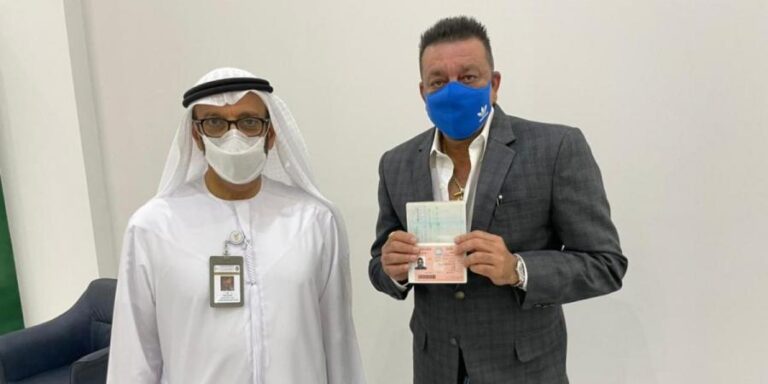
  • Bollywood star Sanjay Dutt on Wednesday said he has received a golden visa for the UAE. The 61-year-old actor took to Twitter to share the news.
    “Honoured to have received a golden visa for the UAE in the presence of Major General Mohammed Al Marri, Director General of @GDRFADUBAI. Thanking him along with the @uaegov for the honour. Also grateful to Mr.Hamad Obaidalla, COO of @flydubai for his support,” Dutt wrote alongside his photographs with the UAE authorities.

  • Last year, the actor and his producer-wife Maanayata travelled to Dubai to be with their kids — twins Shahraan and Iqra (10).
  • According to Khaleej Times, the UAE government had in 2019 implemented a new system for long-term residence visas, enabling foreigners to live, work and study in the UAE without the need of a national sponsor.
  • These golden visas are issued for five or 10 years and will be renewed automatically.

Central govt provides licence to five companies to ramp up Amphotericin B injection production

KEY STORY

  • The Central government has given licence to five companies to ramp up the production of Liposomal Amphotericin B injections, which is used to treat black fungus or mucormycosis, the sources said.
  • According to the sources, after the Prime Minister had instructed officials to get this drug from anywhere it is available in the world, the Indian missions across the world have been involved in securing supplies of Amphotericin B (AmBisome) vials.
  • The sources said Gilead Sciences in the US is working on expediting the supply of AmBisome to India through Mylan.
  • Sources further stated that more than 1,21,000 vials of AmBisome have reached India so far and another 85,000 vials of the drug are on the way.
  • The company will supply 1 million doses of AmBisome to India through Mylan, the sources said.

CONCLUSION

  • The Union Minister for Chemicals and Fertilizers Sadananda Gowda yesterday informed that additional 29,250 vials of Amphotericin B, used in the treatment of Mucormycosis, were allocated to states and Union Territories, based on their number of patients under treatment.
  • Earlier, additional 19,420 vials of Amphotericin-B were allocated on May 24 and 23,680 vials of the drug were supplied across the country on May 21, the Ministry of Chemicals and Fertilizers informed. (ANI)

Pfizer vaccine should be procured as soon as possible to vaccinate children: Kejriwal

KEY STORY

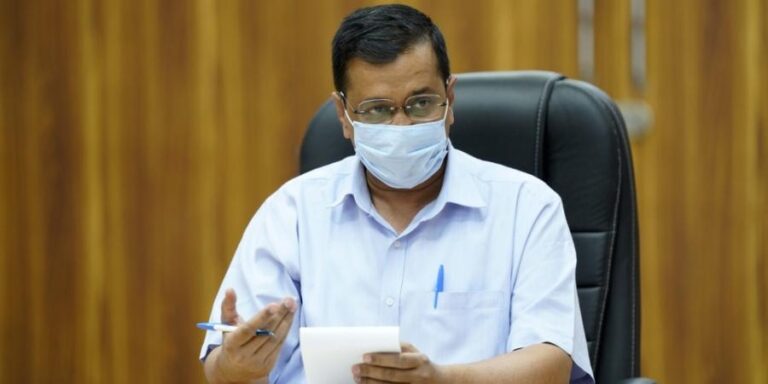
  • Delhi Chief Minister Arvind Kejriwal on Thursday sought procurement of Pfizer COVID-19 vaccine as soon as possible to inoculate children. This comes after the US pharma company sought fast-track approval for its jab in India.
  • The US major has told Indian authorities that its vaccine is suitable for everyone aged 12 years or above and can be stored for a month at 2-8 degrees, sources had said.
  • “We shud procure this vaccine asap for our children,” Kejriwal tweeted, citing a news story on fast-track approval sought by the company.
  • The Delhi chief minister has been requesting the Central government to explore suitable vaccine options, citing opinion of experts that a possible third wave of COVID-19 in coming months may affect children.
  • The Delhi government has also suggested the Centre to vaccinate students and teachers if it decides to conduct class 12 Board exams delayed due to the second wave of the virus.

CONCLUSION

  • Pfizer, which has offered 5 crore doses to India between July and October, recently held a series of interactions with Indian government authorities.
  • It has shared with authorities the most recent data points regarding efficacy trials and approvals for its vaccine in various countries and by the World Health Organisation (WHO).

There will be a time when Virat Kohli will leave captaincy for Rohit Sharma, claims former chief selector

KEY STORY

  • Owing to Team India’s packed schedule, the debate regarding the split captaincy has been there for a while now. Virat Kohli is the present captain of Team India across all three formats while Rohit Sharma is his deputy in white-ball cricket. Rohit has also led the Men in Blue in Kohli’s absence and was the vice-captain of the Test side for the final two Tests of the Border-Gavaskar Trophy 2020/21.
  • While Kohli continued to lead Team India across three formats under the previous selection panel, it remains to be if the present panel brings a change in captaincy due to Team India’s busy schedule.
  • Former India wicketkeeper-batsman Kiran More recently shared his take on split captaincy and said that this theory can work in India. Speaking to India TV, the former chief selector said that Rohit will get a chance to lead the team soon and that an update regarding Kohli might be out after the England tour.
  • “I think the vision of the board drives these things. I believe Rohit Sharma will get a chance soon. Virat Kohli is a shrewd captain who played under MS Dhoni. How long he wants to captain the ODIs and T20s, he will also think. You will learn a lot more about these decisions after the England tour,” More told India TV.
  • “It [Split captaincy] can work in India. What the senior players think about the Indian team’s future is very important. With Virat Kohli, captaining three teams isn’t that easy plus he has to perform as well. And I give him the credit for it because performing in every format while captaining and winning… but, I think there will be a time when Virat Kohli will say ‘Now it’s enough, let Rohit lead the side.”

CONCLUSION

  • Given their age and fitness levels, both Kohli and Rohit look set to play another 50-over World Cup and Kohli quitting the white-ball captaincy isn’t something that the fans expect.
  • As far as Test cricket goes, he is India’s mainstay in the longest format and the team needs his services till he continues to play the game. Hence, chances of leaving captaincy are bleak.
  • As for Rohit, he is confirmed to lead white-ball teams whenever Kohli is on break. Ajinkya Rahane is the designated vice-captain of the Test team and Rohit might not get to lead the Test team even if Kohli takes a rest in the future. India are scheduled to play 6 Test matches in the next 3 months.

Facebook to take action against users repeatedly sharing misinformation

KEY STORY

  • Social media giant Facebook has announced that it will take ‘stronger’ action against users repeatedly sharing content on its platform that fact-checkers have debunked. Currently, users get notified when they share content that has been rated by a fact-checker, but as per Facebook, now these notifications have been redesigned and simplified for better understanding.
  • “We are launching new ways to inform people if they’re interacting with content that’s been rated by a fact-checker as well as taking stronger action against people who repeatedly share misinformation on Facebook.
  • Whether it’s false or misleading content about COVID-19 and vaccines, climate change, elections or other topics, we’re making sure fewer people see misinformation on our apps,” the social media giant said in a statement.
  • Facebook will also reduce the distribution in the News Feed of posts from individual users who have repeatedly shared false content by the company’s fact-checking partners.
  • “We will reduce the distribution of all posts in News Feed from an individual’s Facebook account if they repeatedly share content that has been rated by one of our fact-checking partners. We already reduce a single post’s reach in News Feed if it has been debunked,” Facebook noted.
  • In addition, Facebook is launching a new tool that will let users know if they are interacting with content that has been rated by a fact-checker. “We want to give people more information before they like a Page that has repeatedly shared content that fact-checkers have rated, so you’ll see a pop up if you go to like one of these Pages.

CONCLUSION

  • You can also click to learn more, including that fact-checkers said some posts shared by this Page include false information and a link to more information about our fact-checking program,” the firm added.
  • Furthermore, Facebook will now allow users on its platform as well as those on Instagram to hide their public ‘like’ counts as part of the company’s efforts to give people control over their experience. Users will be able to hide ‘like’ counts on others’ posts by visiting the new posts section in settings.

Vaccine shortage, pending approvals, abdication of responsibility – Centre busts myths on Covid-19 vaccination

KEY STORY

  •  Several myths surrounding India’s Covid-19 vaccination programme have been doing the rounds. These myths are arising due to distorted statements, half-truths and blatant lies, the central government said on Thursday.
  • Dr Vinod Paul, Member (Health) in NITI Aayog and Chair of the National Expert Group on Vaccine Administration for COVID-19 (NEGVAC), bust these myths and gave out the truth on these issues.
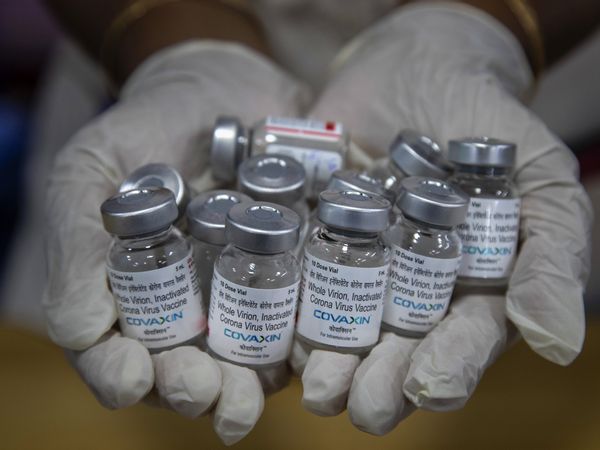
  • India is currently at an advanced stage of the vaccination process against the Covid-19 virus, with two indigenous vaccines – Covishield and Covaxin – along with Russian-made Sputnik V being administered to people across the country.

    Here are the myths and facts the Centre clarified:

    Myth 1: The Centre is not doing enough to procure vaccines from abroad

    Fact: The central government has constantly remained engaged with all major international vaccine manufacturers right from mid-2020. Multiple rounds of discussions have happened with Pfizer, J&J and Moderna. The government has offered all assistance to have them supply and /or manufacture their vaccines in India.
    However, it is not that their vaccines are available in free supply. We need to understand that buying vaccines internationally is not similar to buying ‘off the shelf’ items. Vaccines are in limited supply globally, and companies have their own priorities, game-plans and compulsions in allocating finite stocks. They also give preference to countries of their origin just as our own vaccine makers have done unhesitatingly for us.
    As soon as Pfizer indicated vaccine availability, the central government and the company began working together for the earliest possible import of the vaccine. As a result of these efforts, the Sputnik V vaccine trials got accelerated and with timely approval, Russia has already sent two tranches of vaccines and accomplished tech-transfer to our companies that would start manufacturing very soon. We reiterate our request to all international vaccine makers to come and make in India – for India and for the world.

    Myth 2: The Centre has not approved vaccines available globally

    Fact: The central government has proactively eased entry of vaccines approved by US FDA, EMA, UK’s MHRA and Japan’s PMDA, and WHO’s Emergency Use Listing into India in April. These vaccines will not need to undergo prior bridging trials. The provision has now been further amended to waive off the trial requirement altogether for the well-established vaccines manufactured in other countries. No application of any foreign manufacturer for approval is pending with the drugs controller.

    Myth 3: The Centre is not doing enough to ramp up domestic production of vaccines

    Fact: The government is playing the role of an effective facilitator to enable more companies to produce vaccines from the early 2020. There is only 1 Indian company (Bharat Biotech) which has the IP. The government of India has ensured that 3 other companies/plants will start production of Covaxin apart from enhancing Bharat Biotech’s own plants, which have increased from 1 to 4.
    Covaxin production by Bharat Biotech is being increased from under 1 crore per month to 10 crore month by October. Additionally, the three PSUs will together aim to produce up to 4.0 crore doses by December. Serum Institute too is ramping up Covishield production from 6.5 crore doses per month to 11.0 crore doses per month.
    The Centre is also ensuring a partnership with Russia so that Sputnik V is manufactured by 6 companies coordinated by Dr Reddy’s. The Union government is supporting efforts of Zydus Cadila, BioE as well as Gennova for their respective indigenous vaccines through liberal funding under Covid Suraksha scheme, as also the technical support at national laboratories.
    Development of Bharat Biotech’s single dose intranasal vaccine is proceeding well, and it could be a game-changer for the world. The estimate of production of over 200 crore doses by our vaccine industry by the end of 2021 is the result of such efforts and unstinted support and partnership.

    Myth 4: The Centre should invoke compulsory licensing

    Fact: Compulsory licensing is not a very attractive option since it is not a ‘formula’ that matters, but active partnership, training of human resources, sourcing of raw materials and highest levels of bio-safety labs which is required. Tech transfer is the key and that remains in the hands of the company that has carried out R&D.
    In fact, India has gone one step ahead of Compulsory Licensing and is ensuring active partnership between Bharat Biotech and 3 other entities to enhance production of Covaxin. Similar mechanism is being followed for Sputnik.
    Moderna had said in October 2020 that it will not sue any company which makes its vaccines, but still not one company has done it, which shows licensing is the least of the issues.

    Myth 5: The Centre has abdicated its responsibility to the states

    Fact: The central government is doing all the heavy-lifting, from funding vaccine manufacturers to giving them quick approvals to ramping up production to bringing foreign vaccines to India. The vaccine procured by the Centre is supplied wholly to the states for free administration to people. All this is very much in the knowledge of the states. The government has merely enabled states to try procuring vaccines on their own, on their explicit requests. The states very well knew the production capacity in the country and what the difficulties are in procuring vaccines directly from abroad.
    In fact, the Centre ran the entire vaccine program from January to April and it was quite well-administrated compared to the situation in May. But states that had not even achieved good coverage of healthcare workers and frontline workers in 3 months wanted to open up the process of vaccination and wanted more decentralisation.
    Health is a state subject and the liberalised vaccine policy was a result of the incessant requests being made by the states to give them more power. The fact that global tenders have not given any results only reaffirm what we have been telling the states from day one: that vaccines are in short supply in the world and it is not easy to procure them at short notice.

    Myth 6: The Centre is not giving enough vaccines to the states

    Fact: The central government is allotting enough vaccines to the states in a transparent manner as per agreed guidelines. In fact, states are also being informed in advance of the vaccine availability.
    Vaccine availability is going to increase in near future and much more supply would be possible. In the non-government channels, states are getting 25% of the doses and private hospitals are getting 25% doses.
    However the hiccups and issues faced by the people in the administration of these 25% doses by the states leave a lot to be desired.

    Myth 7: The Centre is not taking any step to vaccinate children

    Fact: As of now, no country in the world is giving vaccines to children. Also, the WHO has no recommendation on vaccinating children. There have been studies about safety of vaccines in children, which have been encouraging. Trials in children in India are also going to begin soon.
    However, vaccinating children should not be decided on the basis of panic in WhatsApp groups and because some politicians want to play politics. It has to be a decision taken by our scientists after adequate data is available based on trials.

Black fungus: Doctors in Karnataka advised not to use steroid in the first week of COVID infection

KEY STORY

  • Amid rising cases of black fungus in the state, Karnataka Health Minister Dr K Sudhakar on Wednesday appealed to doctors not to give steroids to patients in the first week of contracting the COVID-19.
  • The state has also decided to set up post COVID care wards in each district hospital to check black fungus infections, the Minister said.
  • “We had detailed discussions with the experts and we now have a clear understanding on the topic. I appeal to the doctors to stop giving steroids in the first week of the infection and start only in the second week,” Sudhakar told reporters after a meeting with the medical experts at Vidhana Soudha, the State Secretariat.
  • According to him, steroids given to those who have uncontrolled sugar levels in their bodies increases their diabetes further which leads to mucormycosis or black fungus.
  • He claimed those who have piriton also are affected by the fungal attack.
  • He said a discharge policy will be framed where those who are discharged from hospital will have their nasal cavity checked by ENT specialists and physicians.
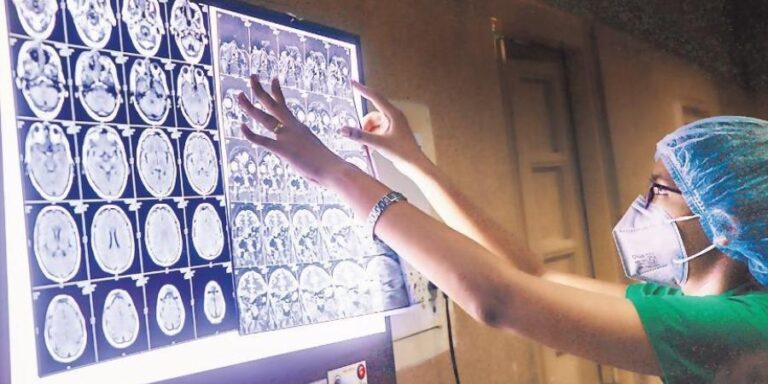
  • If required, their MRI would also be undertaken, Sudhakar said, adding, those who have been discharged will be asked to revisit the hospital after a week for post COVID care.
  • To check instances of black fungus, post COVID care wards will be set up in each district hospital.
  • The patients can visit the centre personally or can make a video call to show the progress.
  • Sudhakar said these patients will be under observation for a fortnight to check the nasal cavity.
  • Those who develop complications will be put in touch with the ENT specialists through video conference for guidance and immediate treatment, he explained.

CONCLUSION

  • In addition to Liposomal Amphotericin B, the Karnataka government has put forth a demand before the Centre for 20,000 doses of two other medicines to treat black fungus, he said.
  • According to Sudhakar, black fungus cases are more visible in patients who got treated in small hospitals whereas the cases appear very less in major hospitals.
  • Black fungus, a rare disease earlier, has become widespread with Karnataka reporting 481 cases presently, according to the data shared by Union Minister for Chemicals and Fertilisers D V Sadananda Gowda on his Twitter handle. It has emerged as a post COVID complication among the infected persons.

After seven pregnant women die of COVID in two months, officials in Ballari mull new strategy

KEY STORY

  • In a shocking development, seven pregnant women who were infected by COVID-19 have died in Ballari and Vijayanagara districts in the last two months. While the Ballari (undivided) administration was lauded for its efforts in ensuring safe deliveries last year, the second wave of the pandemic is giving health officials a tough time.
  • Since April 2021, 180 pregnant women in these two districts have tested positive for COVID-19. As the death rate among pregnant women is increasing, the district administration has laid down plans to minimise such fatalities.
  • To begin with, additional health staff and special teams will be formed to look after pregnant COVID-19 patients in both Ballari and Vijayanagara districts. The administration will keep an eye on the health of pregnant women with COVID-19 and also those who are living in different parts of the districts.
  • The local ASHA workers have been informed to conduct regular health check-ups of pregnant women and also children in some villages where the number of COVID cases is high.

CONCLUSION

  • District Health Officer Dr H L Janardhan said, “The condition of most of the patients who died was weak. Some of them also panicked upon knowing that they tested positive for COVID-19. Hence to deal with the issue, we have now created a special ward at VIMS hospital and a similar facility at the government hospital in Hosapete.”
  • The health teams are conducting COVID-19 tests in different parts of the district after cases started increasing in the rural belts of Ballari and Vijayanagara. Health officials are requesting people to get tested even if they have the slightest symptoms, especially pregnant women.

Zinc deficiency – What it can do to your body and 5 foods to help fulfil zinc requirements

KEY STORY

New Delhi: Every nutrient in the human body is responsible for a particular function. Along with their function, they work alongside and assist other nutrients with their operations. Both excess and deficiency of these nutrients can lead to adverse health implications on the human body. Zinc (Zn) is one such nutrient that is present in the human body in traces. It necessary for important functions such as cell production wound healing, and immune functions.

Zinc deficiency – Effects and diagnosis

The human body neither produces zinc, not does it store any. The amount required by the body needs to be compensated through diet and supplements. Although zinc deficiency is rare, it still needs to be addressed due to its harmful effects on the human body. Zinc deficiency can be diagnosed through hair analysis, blood or urine test. Common effects of zinc deficiency may include:
  • Diarrhoea
  • Loss of appetite
  • Abrupt weight loss
  • Slowed wound healing process
  • Fatigue
Zinc-rich foods
Here are some foods that you must include in your diet to fulfil your zinc requirements:
  1. Legumes: Beans, lentils, and chickpeas fall under the category of legumes. They can be an excellent source of zinc and other nutrients. Due to the presence of phytate, it is recommended to consume them after soaking, boiling, heating, or sprouting them.
  2. Dairy: Products such as milk and cheese are a good source of zinc. Furthermore, it contains other vital nutrients such as protein, calcium, and vitamin D that can help keep the body healthy.
  3. Nuts: Several nuts including peanuts, walnuts, and almonds are extremely healthy food choices. They are easy to inculcate in diet and offer the human body essential nutrients such as healthy fats, zinc, protein, and fibre.
  4. Eggs: Often referred to as a superfood, eggs are a good source of protein, zinc, healthy fats, and other essential nutrients. You can add it to your diet by eating it in different ways such as scrambled, poached, or boiled.
  5. Dark chocolate: Who does not love chocolates? The preference for this delicious food increased tenfold after knowing the health benefits of chocolates. Dark chocolate is a good source of zinc. However, chocolate must be consumed in moderate amounts as it also contains a significant amount of sugar in it
Disclaimer: Tips and suggestions mentioned in the article are for general information purpose only and should not be construed as professional medical advice. Always consult your doctor or a dietician before starting any fitness programme or making any changes to your diet.

How this tiny village in Karnataka brought down its Covid caseload to zero

KEY STORY

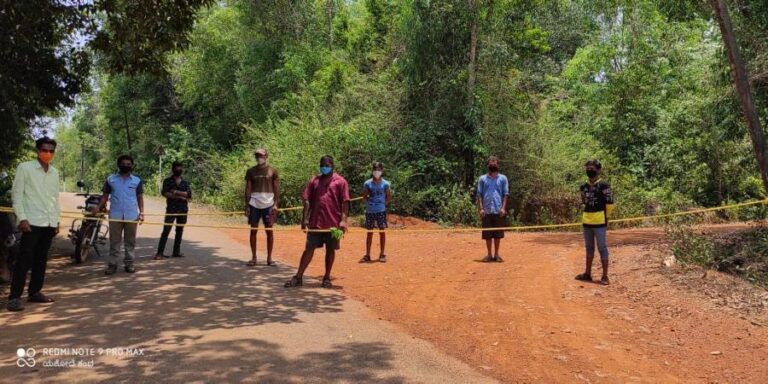
  • A gram panchayat in remote Yellapur taluk, Mavina Mane, has shown how to tackle the ongoing Covid crisis by ensuring social distancing and adherence to lockdown norms. The panchayat that had over a 100 cases is now free from Covid.
  • Impressed over this, district in-charge minister Shivaram Hebbar on Wednesday personally visited the panchayat and congratulated the authorities.
  • A tiny panchayat with just seven villages, Mavina Mane is a classic example of finding its own way forward without waiting for any assistance. The remote village nestled n the Western Ghats has shown how adherence to social distancing and helping each other can keep the pandemic at bay.
    “If I go to Bengaluru from Uttarakhand Kannada, not a single toll booth or Checkpost will stop me, but in this gram panchayat, I was asked to stop six times. This is how they strictly follow the lockdown rules,” Hebbar told The New Indian Express, further adding that if all the villages strictly adhere to the Covid 19 norms and help themselves, there will be very less burden on the Government. 
  • Though the panchayat hardly has 500 houses, the pandemic here was severe with 108 cases. Even as the second wave hit, there were 15 residents who tested positive for covid.
  • The villagers were shocked as they had managed to keep the pandemic away during the first wave. “After a wedding in Malavalli village, 15 guests developed symptoms on April 19. The numbers soon swelled to 108,” informed Gopal Krishna Hedge, a member of the task force here.
  • Without wasting any time, the panchayat swing into action and formed a task force with its own people to ensure that the disease did not spread.
    “The task force fixed several check posts so that people will not be able to take out their vehicles and outsiders will not enter their village unless there is an emergency. The Mavina Mane Sahakara Sea Sangha, a cooperative society and a few donors came together to ensure that groceries and other essential commodities are supplied to every household in the villages so the no one needs to step out. The PDOs, health department staff and others were reigned in to ensure medical aid, testing and regular monitoring of the patients,” informed Panchayat President.

CONCLUSION

  • Asha workers, Anganwadi workers and some health department staff regularly visited houses almost everyday to check oxygen levels, temperatures and if anyone has any covid-related symptoms.
  • With a hundred patients already cured, the last eight persons are already on the path of recovery and have been declared completely recovered. The Panchayat has now been declared as Covid-free for now.