What is the diagnostic test for the novel coronavirus that causes COVID-19?
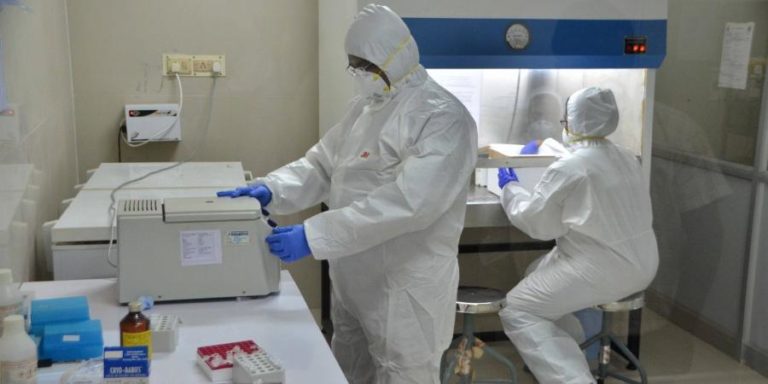
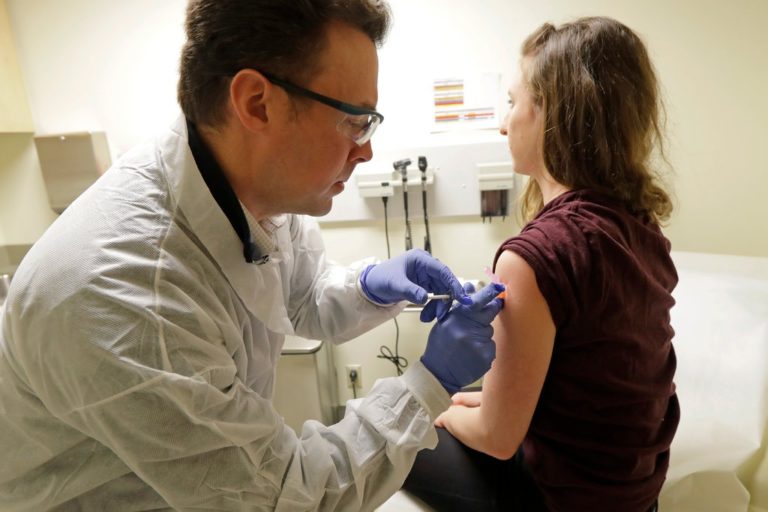
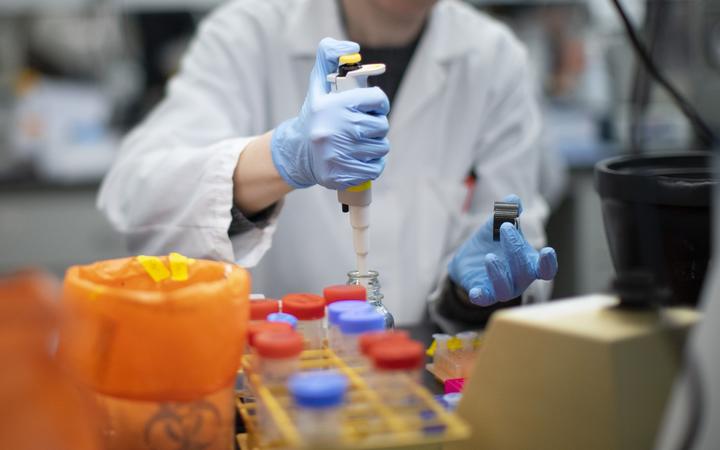
The Indian Council of Medical Research (ICMR) has said designated labs will use the conventional real-time polymerase chain reaction (PCR) test, which is conducted on swab collected from the back of the throat, a liquid sample from the lower respiratory tract, or a simple saliva sample. Such tests are commonly used in Influenza A, Influenza B and H1N1 virus detection.
What is the PCR test?
It uses a technique that creates copies of a segment of DNA. ‘Polymerase’ refers to the enzymes that make the copies of DNA. The ‘chain reaction’ is how the DNA fragments are copied, exponentially — one is copied into two, the two are copied into four, and so on. Kary Mullis, the American biochemist who invented the PCR technique, was awarded the Nobel Prize for Chemistry in 1993.However, SARS-COV-2 is a virus made of RNA, which needs to be converted into DNA. For this, the technique includes a process called reverse transcription. A ‘reverse transcriptase’ enzyme converts the RNA into DNA. Copies of the DNA are then made and amplified. A fluorescent DNA binding dye called the “probe” shows the presence of the virus. The test also distinguishes SARS-COV-2 from other viruses.
How long does the PCR process take?
Real-time PCRs have brought down the time taken to test samples to 4.5 hours from around 6 hours earlier, ICMR scientist Dr R R Gangakhedkar said. However, the overall turnaround time —from the time the samples are collected to when the report is delivered — is around 24 hours, and should be “less”, he said.
Explained: Five steps to detecting the coronavirus
How is the test being done in India?
India currently conducts a two-stage real-time PCR to test for SARS-COV-2, said NIMHANS Senior Professor and Head of Neurovirology, Dr V Ravi. The first stage is designed to detect genetic elements common to human coronaviruses that may exist in the sample. The second stage is designed to test for specific genes present only in the SARS-COV-2 virus.
Until the beginning of March, the initial screening test to check for any type of coronavirus was done by all labs, but the confirmatory PCR was only done by the National Institute of Virology in Pune. “Then, NIV Pune transferred the technology (reagents required for the confirmation) to all labs so that there would be no need for a sample to go all the way to Pune. This has cut down on the time taken to test the samples,” Dr Ravi said.