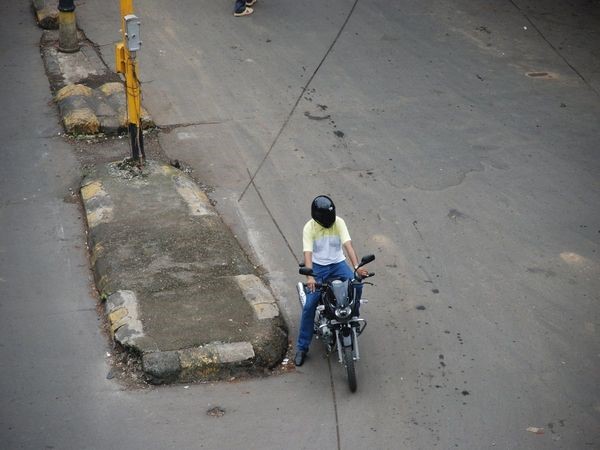
Delhi’s AQI drops again, remains in ‘poor’ category

KEY STORY

  • The national capital’s air quality index (AQI) on Wednesday at 7 am was 262, which was worse than the previous day’s at 223, but still managed to remain in the poor category.
  • AQI between 201 and 300 is considered to be in the poor category.
  • The Central Pollution Control Board’s (CPCB) bulletin on Tuesday at 4 pm showed an improvement of the AQI at 223, which is at the lower end of the poor category.Earlier on Monday, Delhi’s AQI was 244.
  • Data from the Union of Earth Sciences’ (MoES) System of Air Quality and Weather Forecasting and Research (Safar) showed that the share of stubble burning in Delhi’s neighbouring states of Punjab and Haryana on particulate matter with diameter less than 2.5 micrometers, or PM 2.5, was 8% on Tuesday.
  • “Synergised stubble burning fire counts around Haryana, Punjab, and neighbouring regions stand at 1,017. The transport-level wind direction is favourable. Our model estimate of stubble burning share in PM 2.5 is 8% for Tuesday, and is likely to increase by early Wednesday,” said the Safar forecast.


Delhi’s Red Light On, Gaadi Off campaign from today: All you need to know

KEY STORY

  • At over 100 traffic signals across the city on Wednesday, Delhi government’s transport department, environment marshals and traffic police officials will urge drivers to switch off their ignition while waiting for the light to turn green.
  • This is part of the government and the police’s ‘Red Light On, Gaadi Off’ (red light on, ignition off) campaign started to reduce vehicular emission.

Here’s all you need to know about the campaign:

1) The campaign is starting from October 21 and will continue till November 15. Volunteers at traffic signals, where the waiting time is over 15 seconds, will urge drivers to turn off their ignition to reduce vehicular emissions.
2) This will be an awareness campaign and drivers will not be penalised for not turning off their engines. Environment marshals will hand roses to drivers and will stand carrying placards to create awareness.
3) Nearly 2,500 civil defence volunteers have been roped in for the campaign. Along with these marshals, officials from Delhi traffic police, Delhi’s transport department, and local legislators and councillors will also participate in this.
4) While the campaign will be carried out at 100 traffic signals identified by the traffic police, 10 signals, with a waiting time of over two minutes, have been identified where the campaign will be focused. More volunteers will be present at these signals.
5) The government estimates that nearly 15-20% vehicular pollution can be controlled, if people cooperate and participate in this mass campaign.


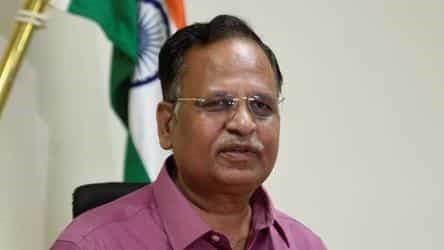
Plasma therapy saved my life, ICMR shouldn’t remove it: Satyendar Jain

KEY STORY

  • Delhi health minister Satyendar Jain on Wednesday said that plasma therapy, used as a treatment against the coronavirus disease (Covid-19), is effective and should not be removed.
  • His remarks came amid reports that the Indian Council of Medical Research (ICMR) is considering removing plasma therapy from the national guidelines for treatment of Covid-19.
    “Lives of more than 2,000 people, including mine, have been saved through plasma therapy, so ICMR shouldn’t remove it,” Jain said.
    “Even the US has said that it’s beneficial,” he added.
  • Plasma therapy refers to a procedure where the blood of a recovered Covid-19 patient is used in order to create antibodies for those infected.
  • The Delhi health minister had tested positive for Covid-19 on June 17 and was administered plasma therapy after his symptoms aggravated. He recovered after a month and resumed work on July 20.

CONCLUSION

  • ICMR chief Dr Balram Bhargava had on Tuesday said that plasma therapy might be removed from the national guidelines for treating Covid-19 after a study conducted by the council showed that it did not help in reducing mortality or slow progression of the infection.
    “We are discussing with the national task force on Covid-19 management and with the joint monitoring group that may be deleted from the national treatment guidelines on Covid,” Bhargava added.
  • The ICMR study was conducted in 39 hospitals across the country where over 1,200 patients were screened.

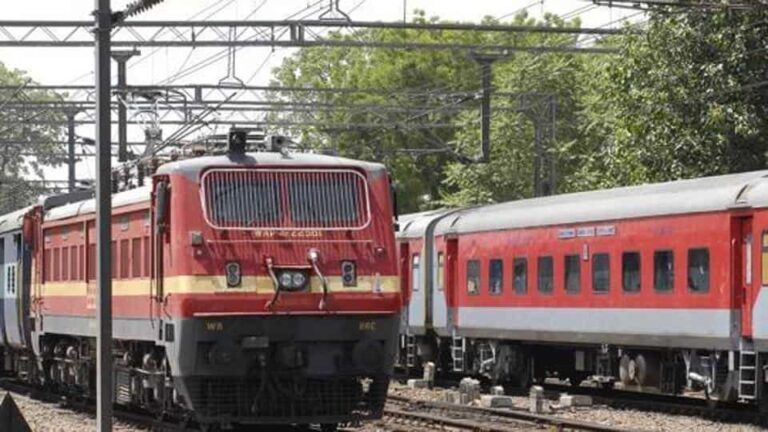
Bengaluru: SWR hikes platform ticket price at 11 more stations to restrict entry of non-travellers

KEY STORY

  • In a bid to “restrict entry of non-travellers at railway stations” due to the ongoing coronavirus pandemic, the South Western Railway Tuesday hiked the price of platform tickets by five times to Rs 50 at 11 more stations in the Bengaluru division.
  • The revised prices will be in effect from Wednesday at KR Puram, Bangarapet, Tumakuru, Hosur, Dharmapuri, Kengeri, Mandya, Hindupur, Penukonda, Yelahanka, Banaswadi, Carmelaram, and Whitefield railway stations. This will continue till November 10, SWR officials said.
  • Earlier, on September 10, platform ticket prices were raised from Rs 10 to 50 at KSR Bengaluru, Yeshwantpur, and Bangalore Cantonment railway stations, citing the same reason.


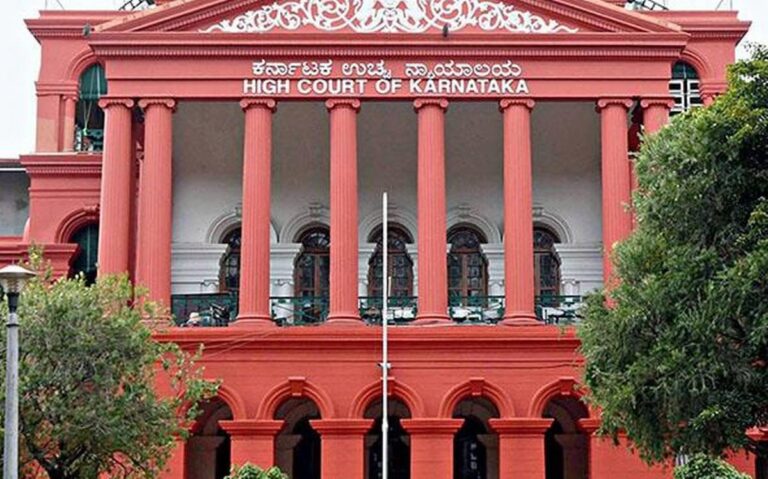
Poll panel opposes delimitation to carve out 243 BBMP wards

KEY STORY

  • The poll panel has opposed the state government notification for conducting a fresh delimitation exercise to carve out 243 wards in the Bruhat Bengaluru Mahanagara Palike (BBMP).
  • The Karnataka State Election Commission and other petitioners requested the high court to direct the government to issue a final reservation notification for 198 wards, the previous strength of the BBMP.
  • The government recently amended the Karnataka Municipal Corporations Act, increasing the number of BBMP wards to 243 and issuing a notification on October 14 to form a delimitation commission.
  • Senior counsel K N Phaneendra, appearing for the state election commission, informed the court that the preparation of ward-wise electoral rolls is underway and that valuable public money and time has been spent on it.
  • Even the Standard Operating Procedure (SOP) has been finalised in the wake of the pandemic. Starting the process of fixing the boundaries of 243 wards and publishing the reservation list thereafter will be a time-consuming affair, the counsel.
  • There is a constitutional compulsion to create and keep alive the municipalities which are institutions of local self-governance, he stated.

CONCLUSION

  • Senior counsel Ravivarma Kumar, appearing for one of the petitioners, stated that the government had promulgated the Karnataka Municipal Corporations (Third Amendment) Act, 2020, after the term of the outgoing BBMP council ended.
  • Fresh elections should have been held before September 10, 2020, when the term ended, he stated and argued that the act was not with retrospective in effect.
  • He said that taking shelter under the amended act would run contrary to the provisions of the Karnataka Municipal Corporations Act and Article 243U of the Constitution.
  • Considering these submissions, a division bench headed by Chief Justice Abhay Shreeniwas Oka directed the state government to file its response within a week. The matter has been adjourned until November 10.

Issue norms for disposal of used masks: HC tells govt

KEY STORY

  • The High Court on Tuesday directed the state government to immediately issue a protocol with guidelines to dispose of used masks and PPE kits for the benefit of households.
  • The court also directed the government to fix a price for the transportation of oxygen cylinders.
  • A division bench comprising Chief Justice Abhay Shreeniwas Oka and Justice Aravind Kumar, while hearing a batch of petitions, said the issue of disposal of masks and PPE kits was of great importance.
    In a city like Bengaluru, with a population of around 1.3 crore, lakhs of people use masks every day, the bench said.
  • The court directed the government to issue guidelines and give wide publicity. Observing that used masks and PPE kits were biomedical waste, the court directed BBMP to provide necessary training to pourakarmikas in this regard.
  • The bench directed the government to immediately notify the transportation charges for supply of oxygen cylinders to Covid-19 hospitals.
  • The state has been asked to comply with the orders on or before October 24.
  • The court said that the failure of the government to fix a price cap on transportation is resulting in patients shelling out more money for oxygen.
  • The government submitted that the price has been fixed at Rs 15.22 per cubic meter for Liquid Medical Oxygen and Rs 25.71 per cubic meter for Oxygen Inhalation in cylinder, as per the norms of the National Pharmaceutical Pricing Authority.

CONCLUSION

  • The counsel appearing for one of the petitioners said suppliers were charging varied prices for transportation.
  • The Union government submitted that the N-95 masks were available at all Jan Aushadhi medical stores at Rs 25 per mask.
  • When the bench enquired whether it is available at all stores, the counsel for the Union government answered in the affirmative, saying one such centre is at the City Civil Courts Complex in Bengaluru.
  • The counsel for the PIL petitioners, seeking directions to fix the price for N-95 masks, said that a mask called ‘pollution control mask’ was available at Jan Aushadhi stores at Rs 60.
  • The bench directed the registrar of City Civil Courts to submit a report in this regard.

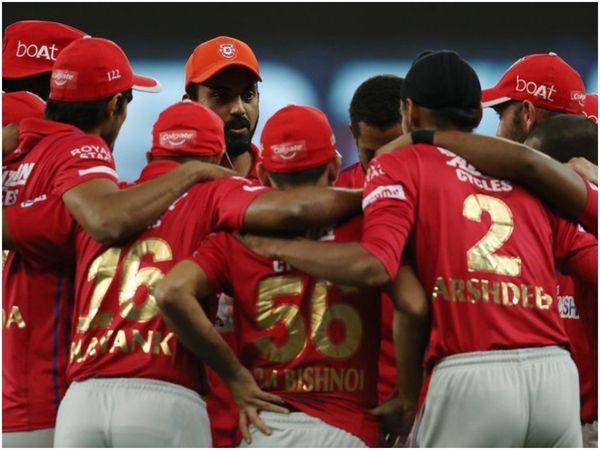
IPL 2020 , KXIP vs DC: Shikhar Dhawan century goes in vain as KL Rahul & Co. keep playoffs hopes alive with 5-wicket win over Delhi Capitals

KEY HIGHLIGHTS

  • Match 38 of the ongoing IPL 2020 edition saw another intense clash as the in-form KL Rahul-led Kings XI Punjab (KXIP) locked horns with table-toppers Shreyas Iyer-led Delhi Capitals (DC) in the Dubai International Stadium, Dubai on Tuesday (October 20).
  • KXIP were eager to retain the momentum, after back-to-back wins, whereas the DC camp were desperate to claim the playoffs-ticket with a victory up their sleeves. Opting to bat first, Iyer & Co. posted a moderate 164-5 in 20 overs.
  • While it was another poor show from Prithvi Shaw, who had started the edition on a good note but is now falling behind, Dhawan kept the innings together from his end.
  • On the other hand, Iyer looked good for his 12-ball 14, he departed just when he wanted to get a move on.
  • An inside off, trying to flick Murugan Ashwin’s delivery, saw him being caught behind smartly by his counterpart Rahul.
  • Though Dhawan continued from his end, he didn’t get the support he was looking for as Rishabh Pant and Marcus Stoinis fell early.
  • Shimron Hetmyer remained unbeaten for a 6-ball 10 but never managed to break free courtesy some tight bowling from Mohammed Shami, Arshdeep Singh, and others.
  •  Nonetheless, Dhawan became the first cricketer in IPL history to register back-to-back tons, his second overall, and also join the 5000-run club, spearheaded by Virat Kohli.
  • In reply, KXIP lost their in-form opener, skipper and Orange Cap holder Rahul for 15. It was a rare failure for the right-hander, who mistimed trying to take on Axar Patel in the Powerplay.
  • Despite Chris Gayle smacking Tushar Deshpande to add some quick runs, KXIP were soon reduced from 52 for 1 to 56 for 3.

  • Nonetheless, KXIP’s middle-order finally stood up as Nicholas Pooran’s counterattacking 28-ball 53 along with Glenn Maxwell’s much-improved show in the middle (24-ball 32) kept Punjab alive in the run-chase.
  • Pooran took on Stoinis, Deshpande and Axar effortlessly before Kagiso Rabada spiced things up with scalps of the half-centurion and Maxwell.

  • However, seems like KXIP have finally found a way to calm themselves in the middle during crunch moments as Deepak Hooda and Jimmy Neesham didn’t do anything silly to take their side to an impressive 5-wicket win in Dubai.
  • With this win, KXIP not only have three wins on the trot but they have also won a game each versus the top three sides since their revival last week.
  • On the other hand, DC will have to get back to the drawing board to come back hard and claim the playoffs ticket sooner than later.

World Osteoporosis Day 2020: 5 Things You Can do to Prevent This Disease

Osteoporosis, which literally translates to “porous bones” from Latin, is a debilitating bone disease. Bones have two parts, the hard outer shell called cortical or compact bone, and the comparatively softer inner part called trabecular bone. Trabecular bone is naturally like a honeycomb and has small empty spaces. If you have osteoporosis then these gaps become larger, making the bones weak and brittle.

World Osteoporosis Day: What you can do to prevent bone loss?

World Osteoporosis Day is observed every year on 20th October to spread awareness about this disease, which is usually associated with old age but is highly preventable if you take precautions against it when you’re young.

Symptoms of osteoporosis

While osteoporosis affects all genders, studies show that women are more at risk of developing it especially after they hit menopause. Usually, osteoporosis has no symptoms in the earliest stages. In fact, most people don’t even get diagnosed with the disease until they get a fracture and have to get an x-ray done, which reveals whether your bone density is okay or not.
Having a family history of osteoporosis increases your risks of getting the disease, so whether you have symptoms or not, you should get yourself screened. In case symptoms do show up, it’s likely to be receding gums, weakened grip strength and weak or brittle nails. If you have severe osteoporosis then getting a fracture at the slightest trauma (like a hard sneeze) is likely to be a key symptom. Persistent back or neck pain and losing height as you age are also likely symptoms of severe osteoporosis.

Risk factors of osteoporosis

The following are some of the common risk factors of osteoporosis:
Having a family history of osteoporosis or fractures
    • Increasing age
    • Female gender, along with being menopausal
    • Low or no calcium, vitamin D, protein and other minerals in diet
    • Low or no physical activity
    • Smoking, as it reduces bone density faster
    • Alcohol abuse, as it hinders the formation of new bones and increases fall risks
    • Thyroid disorders like hypothyroidism and hyperthyroidism
    • Use of corticosteroids or other medications

Prevention of osteoporosis

Osteoporosis is a highly preventable disease, especially if you take adequate steps against it from an early age. This means the adoption of the following preventive measures during your childhood and all the way until you grow old – preventing osteoporosis is a lifelong target.
1. Get minerals: Your bone density and health depends on minerals like calcium, iron, phosphorus, as well as vitamin D and protein. Eat plenty of milk, cheese, paneer, yoghurt, chicken, fish, vegetables, nuts and seeds to ensure you have sufficient amounts of these in your diet. You should also consult your doctor about calcium and vitamin D supplements if you are at risk of osteoporosis.
2. Work out: Your bone health is intricately linked to muscular health – hence the use of musculoskeletal health. Regular moderate to vigorous exercise, especially weight training, is known to improve musculoskeletal strength and prevent osteoporosis.
3. Avoid smoking and drinking: If there are any two lifestyle habits that increase the risk of osteoporosis, it’s smoking and excess alcohol consumption. Quit smoking and your bones will thank you for it. Women should not consume more than one drink per day and men should limit themselves to two drinks per day.
4. Maintain a healthy weight: Excessive weight gain and obesity can affect your bone health negatively and lead to early bone degradation. This can, in turn, lead to osteoporosis. Start exercising and maintain a healthy diet to get in shape if you are overweight or obese.
5. Get screened: If you have enough of the risk factors, especially a family history of osteoporosis and being female, you should get screened at an early age for osteoporosis. Ask your doctor if you can get a dual x-ray absorptiometry (DXA) done.

Seasonal change: Should you change you skincare routine too?

The month of October is when the weather begins to change in most parts of the country, especially in the northern belt. The days become pleasant and nights get cooler, as the temperatures begin to dip. As such, your skin may show some changes, too, owing to the fact that there is less humidity in the air around this time.
For nourishment, one needs to feed the skin through masks and moisturisers. It is important to ensure that your masks are made with hydrating ingredients that nourish your skin.
For dry and chapped skin: Use shea butter, almond oil, chamomile, sandalwood and palma rosa.
* For oily and acne-prone skin: Use tea tree, basil, lemon, monoi oil, mango butter, raspberry seed oil, thyme, and charcoal.
* For sensitive skin: Use natural glucan gum, lavender, neroli, geranium
* For aging skin: Use collagen, plant peptides, argan, palma rosa, sandalwood, patchouli, cypress, and myrrh.
Additionally, cleansing exfoliation and peels work on skin renewal, too. Exfoliation helps to remove the dead skin cells and promote new cell generation. Skin exfoliation, which includes face and body, must be done twice a week. This removes dead cells and detoxifies the skin.
Exfoliation masks and peels can be easily made at home using kitchen ingredients.

Coconut oil along with coffee powder and rice powder

Together, these make a powerful exfoliation peel that works on skin firmness and tightening. Coconut oil is a rich source of fatty acids and works on hydration of the skin. Coffee has antioxidants that slow the aging process. Rice flour is readily available in supermarkets and works on skin’s firmness.
Take the following ingredients in a bowl and mix well:
– 1 teaspoon of coffee powder
– 1 teaspoon of coconut oil
– ½ teaspoon of rice powder
Using your fingers, apply the mask on the face and the neck. Leave for 10 minutes. Rinse the mixture off using warm water. For best results use once a week.
Apply sunscreen “with high SPF”, because “every day, our skin is under attack from damaging radicals that break down elastin and natural supply of collagen and cause damage and premature ageing”.
“During the changing season, one is more prone to catching infections. Drink lots of warm water to release all toxins from the body. Keep essential oils with antibacterial properties handy with you,” .

Delhi govt’s ‘Red Light On, Gaadi Off’ campaign to fight pollution begins from October 21

KEY STORY

  • New Delhi: The Delhi government announced last week that it has come up with a campaign against air pollution. Delhi Chief Minister Arvind Kejriwal announced the ambitious “Red Light On, Gaadi off” campaign which will lead to a reduction in the level of air pollution.
  • Ahead of the campaign, Aam Aadmi Party (AAP) MLA Raghav Chadha urged citizens to take part in it and requested them to switch off their engines while waiting at red lights.
  • The AAP MLA said that the northern part of the country struggles with high levels of pollution every year and the campaign is a way to tackle the same.
  • He added that he hopes that the entire country will join hands to support CM Kejriwal in his endeavour against air pollution.

    Environment marshals, traffic cops deployed at signals

    • As per the government, the campaign will kickstart from tomorrow and environment marshals, as well as traffic cops, will be deployed at traffic signals to ensure efficient implementation.
    • Delhi environment minister Gopal Rai said that the campaign intends to raise awareness among drivers about the importance of turning the ignition off while waiting for the traffic to move.
    • He said that the campaign is a step towards curbing levels of air pollution in the country.
    • While talking to the media on Monday, Rai said,

“This will be an awareness campaign and drivers will not be penalised for it. We will urge drivers, who care about the growing pollution in the city, the health of their children and their elderly parents, to do their bit in controlling vehicular emissions. Doing so will be completely voluntary. The awareness campaign will continue till November 15.”