Omicron variant causing ‘severe croup’ among kids, finds study. Know what it is

KEY STORY

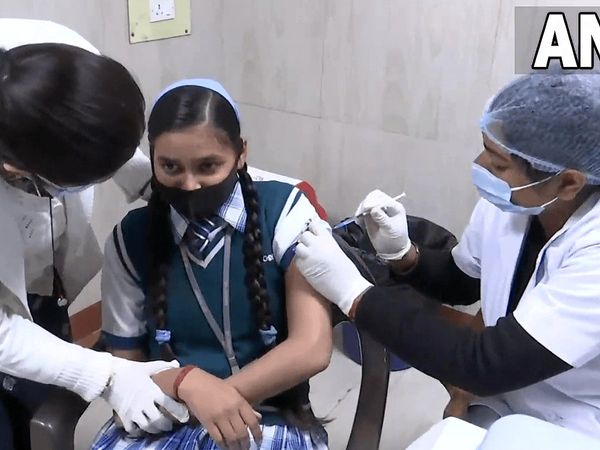
  • Although young children with Covid-19 generally experience mild illness, the omicron coronavirus variant has led to more children being hospitalized with Covid-19 in recent months at a rate five times higher than with the Delta variant. All the kids included in the study were below five and were not vaccinated.
  • The current Omicron wave that has a higher infection rate than all other Covid variants so far has not even spared kids, with many young children being hospitalised with severe croup problems.
  • This has been revealed in a new paper published by researchers at Boston Children’s Hospital, who found 75 new cases of croup in kids. This is a revelation as such cases are being reported for the first time in kids affected due to Covid-19.
  • “Between 3/1/2020-1/15/2022, a total of 75 children were diagnosed with COVID-19-associated croup, 81 per cent of whom presented during the Omicron period. There was a significant difference in median weekly cases between the pre-Omicron and Omicron periods. Most patients were male (72 per cent) and discharged from the emergency department,” the study revealed.
  • The study, conducted by Ryan CL Brewster and others, found that the “relatively smaller upper respiratory tract in children compared to adults has been thought to predispose them to more severe clinical presentations resembling laryngotracheobronchitis, or croup”.
  • The study said endemic coronaviruses have been linked to croup, however, only sparse case reports have described croup specifically associated with SARS-CoV-2 and it remains unclear if croup cases constitute a causative relationship or result of co-infection with another virus.
  • The retrospective analysis of a freestanding children’s hospital found the incidence of croup co-occurring with SARS-CoV-2 infection sharply increased in December 2021, strongly correlating with the emergence of the Omicron variant. Other spikes in COVID-19 were not associated with increased diagnoses of croup.
  • Researchers said their preliminary findings lend compelling evidence to the hypothesis that the Omicron variant causes laryngotracheobronchitis or croup.
  • The researchers, however, said two years into COVID-19, the pathogenicity, infectivity, and manifestations of new variants of SARS-CoV-2 have been dynamic and unique. Croup may represent yet another such novel presentation. It said more research is needed to characterise the underlying mechanisms of COVID-19-associated croup, differences in clinical features from other viral etiologies, and appropriate management strategies in the SARS-CoV-2 era.
What is croup?
Caused by viral-induced subglottic airway inflammation, croup is classically characterised by sudden onset “barking cough”, inspiratory stridor, and respiratory distress. As SARS-CoV-2 has evolved, so has its effects on the pediatric population. “While early variants typically resulted in lower respiratory infections, the recently identified Omicron variant may exhibit a predilection for the upper airways,” the study revealed.
Study has potential limitations
The researchers conducted their analysis at a single centre, with small sample size, potentially restricting its generalisability. Nonetheless, it remains among the first and largest investigations of COVID-19-associated croup to date. An additional limitation is the absence of viral genotyping.
The rapidity with which Omicron became the most dominant SARS-CoV-2 variant, however, lowers concern that there was a significant local circulation of other strains. Lastly, as comprehensive viral testing was not available, the study can’t entirely exclude the possibility of viral co-infection.

India open to buying crude oil from Russia on discount

KEY STORY

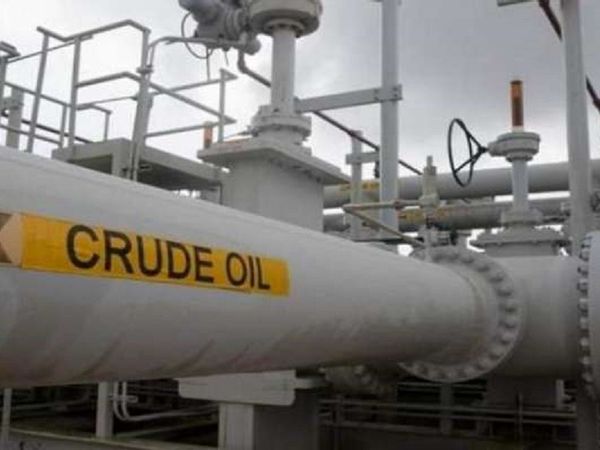
  • India on Thursday did not rule out buying crude oil at discounted rates from Russia, with external affairs ministry spokesperson Arindam Bagchi pointing out that several European countries were still importing energy from Russia.
  • Moscow has reportedly offered crude oil and other commodities at a discount to New Delhi, at a time when the Russian economy has been hit hard by sanctions imposed by the US and its allies over President Vladimir Putin’s invasion of Ukraine. As the West seeks to isolate Putin, US officials have acknowledged India’s dependence on Russia for military hardware but said they would like to see New Delhi distancing itself from Moscow.
  • Asked about reports that India had taken up the Russian offer of crude at discounted rates, Bagchi did not deny the development but said: “India does import most of its oil requirements… So we are always exploring all possibilities in global energy markets because of this situation that we face of importing our oil requirements.”
  • Noting that Russia has not been a major supplier of oil for India, Bagchi said: “On imports of energy from Russia – let me just highlight that a number of countries are doing so, especially in Europe, and for the moment I’ll leave it at that.”
  • “We are a major oil importer and we are looking at all options at all points, we need the energy.”
  • State-run Indian Oil Corporation has reportedly bought three million barrels of crude oil that Russia offered at a steep discount on prevailing global rates. European powers such as Germany have faced criticism for continuing to procure energy from Russia while putting pressure on other countries to reduce oil purchases and economic ties with Russia.
  • Bagchi also said India had evolved a rupee-rouble mechanism with the erstwhile Soviet Union and this was continued with Russia. He said the Indian side will wait for details of unilateral sanctions imposed by various countries over the Ukraine crisis to “examine their impact on our economic exchanges with Russia”.
  • India is expected to face growing pressure from Western partners in the coming days over its position on the Ukraine crisis, including its stance at the UN on not criticising the Russian invasion while calling for respect for the sovereignty and territorial integrity of states.
  • UK foreign secretary Liz Truss is expected to raise the Ukraine crisis and press India to take a firm position on Russia when she visits New Delhi during March 30-31 for talks with her counterpart S Jaishankar, people familiar with the matter said.

Success is theirs, failure is mine: Gujarat Titans skipper Hardik Pandya’s philosophy for IPL 2022

KEY STORY

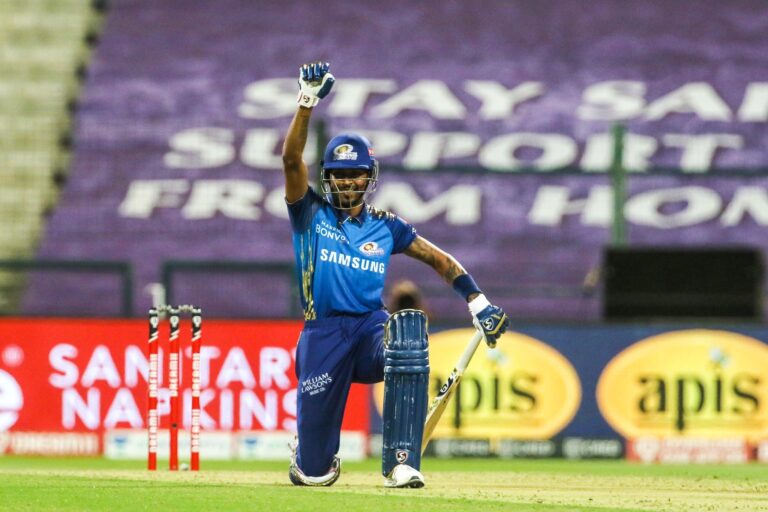
  • The 28-year-old from Baroda has won four IPL titles with the Mumbai Indians since he joined the franchise in 2015. But after seven years of association with the MI side, he was released ahead of this year’s auction and was then roped in by the newly introduced Ahmedabad-based side ahead of this year’s tourney.
  • Star Indian all-rounder Hardik Pandya, who is currently out of the Indian team after a below-par performance in the ICC Men’s T20 World Cup 2021 that took place in the United Arab Emirates last year, is all set to make his comeback on the field with the 2022 edition of the Indian Premier League that will start on March 26 and will be played across four venues in Mumbai and Pune.
  • Hardik was appointed as the captain of the team, which is owned by CVC Capital Partners. And during the jersey launch ceremony of the franchise that took place at the team’s home venue—Narendra Modi Stadium in Ahmedabad on March 13, Pandya gave a sneak peek into what he would bring to the table as a captain.
  • In a video uploaded by the team’s official Twitter handle on Thursday, Hardik was heard saying that he would like to motivate the youngsters and will take a backseat when it comes to enjoying success.
  • “My philosophy for this season is that success is theirs and failure is mine,” Hardik said during the jersey launch event.

  • In this year’s IPL, which also sees a change in format, Gujarat Titans are clubbed in Group B alongside defending champions Chennai Super Kings, 2016 winners Sunrisers Hyderabad, Royal Challengers Bangalore, and Punjab Kings.
  • And they will open their campaign against another debutant, the Lucknow Super Giants, at Wankhede Stadium in Mumbai on March 28.

In the player auction which was held in Bengaluru on February 12 and 13, the franchise added the likes of Lockie Ferguson, Mohammad Shami, Rahul Tewatia, and David Miller to the team, besides already signing up Rashid Khan and Shubman Gill along with Hardik Pandya before the mega auctions.
Gujarat Titans Squad: Hardik Pandya (C), Rashid Khan, Shubamn Gill, Lockie Ferguson, Rahul Tewatia, Mohammad Shami, Yash Dayal, David Miller, Sai Kishore, Abhinav Sadarangani, Matthew Wade, Alzarri Joseph, Rahmanullah Gurbaz, Wriddhiman Saha, Jayant Yadav, Vijay Shankar, Dominic Drakes, Varun Aaron, Gurkeerat Singh, Noor Ahmad, Darshan Nalkande, Pradeep Sangwan.

Nalgonda records highest temperature across India as heatwaves continue

KEY STORY

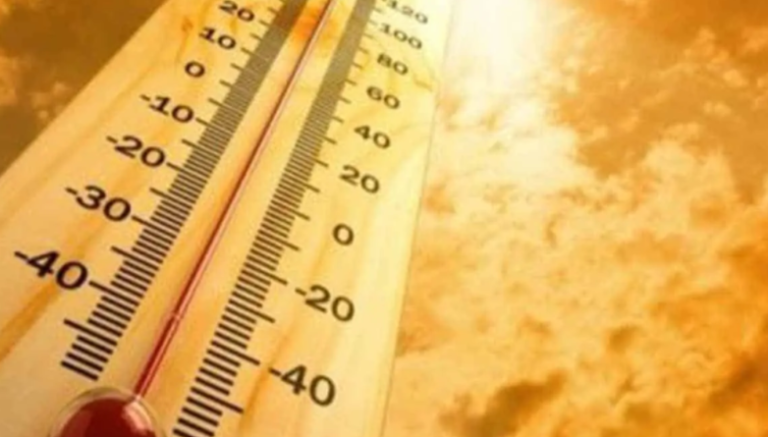
  • The severe heatwave in some parts and the heatwave in many other pockets of the country continued for the fifth day on Thursday with the India Meteorological Department (IMD) predicting it to continue for the next 48 hours before receding thereafter.
  • The highest temperature across India was reported at Nalgonda in Telangana at 43.5-degree Celsius.
  • Severe heatwave conditions were observed at most parts over West Rajasthan, in many pockets over Himachal Pradesh and in some pockets in Jammu division, while heatwave conditions prevailed over many pockets of Saurashtra-Kutch, Vidarbha and in some places over parts of Gujarat and West Madhya Pradesh, the IMD said.
  • Maximum temperatures were markedly above normal (5.1-degree Celsius or more) at most places over Jammu & Kashmir-Ladakh-Gilgit-Baltistan-Muzaffarabad, Himachal Pradesh, Punjab, and Rajasthan; at many places over Haryana, Chandigarh, Delhi, Arunachal Pradesh, Assam, and Meghalaya; and at a few places over Saurashtra-Kutch.

CONCLUSION

  • The maximum temperatures were above normal (3.1 to 5-degrees Celsius) at most places over Gujarat and Marathwada in Maharashtra; at many places over sub-Himalayan West Bengal, Sikkim, Nagaland, Manipur, Mizoram, Tripura, Uttarakhand, East Madhya Pradesh, a central region in Maharashtra, Telangana; at a few places over Gangetic West Bengal, Western Uttar Pradesh, coastal Andhra Pradesh & Yaman, Chhattisgarh, and Jharkhand and at isolated places over Konkan-Goa, Odisha, Tamil Nadu, and Puducherry, the IMD said.
  • “There is no significant change in maximum temperature over most parts of North-West, Central, West, and South Peninsular India in the next 48 hours, while it will fall by 2-3-degree Celsius thereafter,” the IMD forecast said.

MLCs seek suspension of Dharwad senior cops for registering case against Basavaraj Horatti

KEY STORY

  • Legislative Council members have demanded that the Chief Minister suspend senior police officers of Dharwad for registering an atrocity case against Council Chairman Basavaraj Horatti, without following due procedure.
  • JDS MLC Bhojegowda said the investigation officer for atrocity cases involves officers of or above the rank of DySPs. “But a sub-inspector has been suspended. The CM should take the matter up seriously and suspend senior officers,” he demanded.
  • Chief Minister Basavaraj Bommai said the police, prima facie, have not followed the procedures, and he will look into the matter. Meanwhile, BJP MLC N Ravikumar asked the CM to conduct a thorough probe into the corruption charges against a Superintendent of Police, who has been accused of taking bribe from a person who lost money to start a crusher unit. “The government has suspended only two junior officers, but no action is taken against the SP,” he alleged.
  • The CM said the complainant had not named the SP, but had named a police inspector and an ASI in the complaint. “Even the probe by the IGP revealed that there was no SP’s role in the case,” Ravikumar said, adding that there were several charges of corruption against the said SP along with evidence, and he urged the CM to order a thorough probe against him.

Karnataka: Soon, using phones may increase inmates’ jail time

KEY STORY

  •  The Karnataka Prisons (Amendment) Bill, 2022, which was tabled in the Assembly on Thursday, looks to extend jail time for inmates who are found using mobile phones or any other instruments of communication within the prison premises. Also, if any inmate fails to surrender after the end of parole, he/she will be made to undergo longer incarceration, after completing time for the older offence.
  • The State Government, in its proposed Bill, states: “It is considered necessary to amend the Karnataka Prisons Act, 1963, to curb the menace of parole-jumping and introduction or removal of any prohibited articles, into or from the prison and communication with prisons, which is required to create a good atmosphere within and outside its limits on the direction of the Karnataka High Court.”
  • According to the existing Act, prisoners using prohibited articles inside the jail are imposed imprisonment of six months and fine not exceeding Rs 200. The amendment proposes to introduce mobile phones or any instruments of communication under ‘prohibited articles’. Also, the prison term will be from three years, which may be extended up to five years, with fine. The punishment awarded under this Act shall also operate on completion of sentences or punishment awarded in any other cases in which an inmate is convicted.
  • The existing Act mentions that those let out on parole who fail to surrender, shall be punished with imprisonment for a term up to two years or fine, or both. The new Bill proposes to increase the same to three years, which may be extended up to five years. Besides, it proposes punishment to the person who has stood as surety to the prisoner, if the latter fails to surrender.
    What does the proposed Bill say?
    •   If a prisoner is caught using mobile phones, he/she will be awarded additional years of imprisonment
    •   If a prisoner fails to surrender after the parole period, he/she will be awarded additional years of imprisonment
    •   Any person who has stood as surety to a prisoner, who fails to surrender after the parole period, will be culpable and sent to jail for six months to a year

Hijab row verdict: PU, degree Muslim students skip exams in Dakshina Kannada

KEY STORY

  • Several Muslim girls in Mangaluru and other parts of Dakshina Kannada district did not turn up for the pre-university preparatory exam and undergraduate internal exam that began on Thursday, apparently in protest against the High Court verdict in the hijab case.
  • At P Dayananda Pai – P Satisha Pai Government Degree College on Car Street, Mangaluru, six out of eight Muslim girl students of first-year degree did not turn up for their internal exam, according to college principal Rajashekar Hebbar.
  • The college was shut on March 5 after some students objected to girls wearing hijab. It was only opened on Thursday in view of the practical exams. The principal said that some students had requested that they be allowed to use a veil to cover their head, but he declined.
  • He said that notices will be put up at the entrance of the college informing students about the High Court verdict – ‘not to wear hijab while entering the campus’.  Meanwhile, the principal said some students who were upset over the hijab ban have sought Transfer Certificate (TC) to join colleges where hijab is allowed.
  • “I did not take it seriously, because they will not get admission in other colleges at this point of time. They are not aware of the rules,” he said. Sources said requests for TC were also made by students of government colleges in Kavoor, Uppinangady, and some other colleges in the district that had witnessed protests over hijab.
  • However, DDPU Jayanna CD said he was not aware of any such developments or students skipping exam as the preparatory examinations are conducted by respective colleges. However, he said that as per his information, the PU colleges in the district did not face any issues on Thursday.

Hijab row verdict: Re-exam only for students who missed it before interim order

KEY STORY

  • The State Government has decided to allow those girl students who missed their exams amidst the hijab row to appear for re-examination, albeit with some conditions. Law Minister JC Madhuswamy said the government will be allowing only those students who missed their exams before the Karnataka High Court’s interim order on February 10, and they will only be allowed to write the exam without the hijab.
  • During the zero hour on Thursday, Udupi MLA Raghupathy Bhat raised the issue on a bandh called by various organisations against the High Court’s order in the hijab case, and appealed to the House to permit students who missed their exams to re-appear, as they were not allowed entry into institutions with the hijab on. “Some girls who did not take exams that time are now ready to enter classes without hijab. Special exams should be made available to them,” Bhat urged.
  • Replying to Bhat, Madhuswamy said there is a Constitutional obligation on the State Government, after the High Court has given its verdict. “Neither the government nor citizens can overrule the court’s decision. We only have the right to appeal to the apex court if we are unhappy with the judgment.
  • In this case, the Karnataka Government is bound to implement the High Court’s order until any further orders come from higher courts. Children who did not attend exams due to ignorance or innocence will be allowed to take exams. But only those who missed their exams before the interim order will be allowed,” he reiterated.

CONCLUSION

  • Madhuswamy also informed that the State Government has taken the bandh called against the High Court’s order on hijab seriously. He added that if some people are unhappy with the judgment, they have the right to appeal in the Supreme Court, calling the bandh as ‘Contempt of Court’. “We will take action against them accordingly,” he said.
  • Reacting to this, Leader of Opposition Siddaramaiah said that everyone must follow the court order. “But if some people are unhappy with the judgment, they have the right to protest peacefully,” he added.

Vaccination of 12-14-year age group: No nod sought for Corbevax, says NTAGI

KEY STORY

  • The Centre’s decision on administering vaccines for the 12-14-year age group has come as a surprise to members of National Technical Advisory Group on Immunisation (NTAGI).
  • While the Union Health Ministry, in a press release on March 14, said that the government had taken a call after “due deliberations with scientific bodies”, Dr Jayaprakash Muliyil, member of NTAGI, which is one of the important groups in the chain of granting approvals to vaccines, says he is “confused”. This issue is expected to be discussed in the next NTAGI meeting on March 23.
  • In the process of vaccine approvals, after the DCGI’s nod, the NTAGI deliberates on this and screens the ability of the vaccine to be part of the national vaccination drive at a three-level process.
  • Then, the National Expert Group on Vaccine Administration for Covid-19 (NEGVAC) takes a decision after which the Union Health Ministry approves it.
  • Speaking to TNIE, Dr Muliyil said, “The NTAGI has not recommended it. I don’t know which body has done it. Unless I have missed some point completely, this all seems very strange. You can say I am quite confused.”
  • He argues that children are naturally resistant to this virus and Omicron has created a sea of infections during the third wave. The vaccine that is now being given was based on the Wuhan strain of the virus. So why is that being given, he questioned.
  • On the risk versus benefit in administering Corbevax for 12-14-year-olds, experts feel that since a majority of children have already been infected, the risk in giving this vaccine may be minimal, but the benefit may also not be much.
  • Agreeing that a majority of children who were screened for the trials were already infected with Covid-19 and had good antibody levels, Dr Pradeep N, Principal Investigator of the Department of Paediatrics, Cheluvamba Hospital, which is one of the vaccine trial sites, said, “We screened nearly 300 children and found only 63 to be eligible. Many children tested for Covid antibodies, indicating past infection. We looked at zero antibody titers and selected 63 children for the trials.”
  • Dr Muliyil fears that when this vaccine is given to a large number of children, then there will be some untoward happenings.
    No lack of info transfer, claims pharma firm chief
    Amidst a controversy that the Corbevax vaccine has been launched for the paediatric population without sufficient approvals from the NTAGI, Mahima Datla, MD of Biological E, stated in Hyderabad that their most recent meeting with the body was on March 10, ruling out any such possibility of lack of information transfer.
    “Our first point of sharing of data and information is the drug controller and, until they review the data, make suggestions whether it’s inputs to protocols or review of data, they are the first body to see it. Subsequent to approval from the DGCI, our next stop has been the NTAGI. There have also been instances where, upon their invitation, we have also shared data which is in the making without approval of DGCI,” said Mahima Data, speaking at the launch of the vaccine.

8 semesters, 160 credit-hours: What Four-Year Undergraduate Programme approved by UGC looks like

KEY STORY

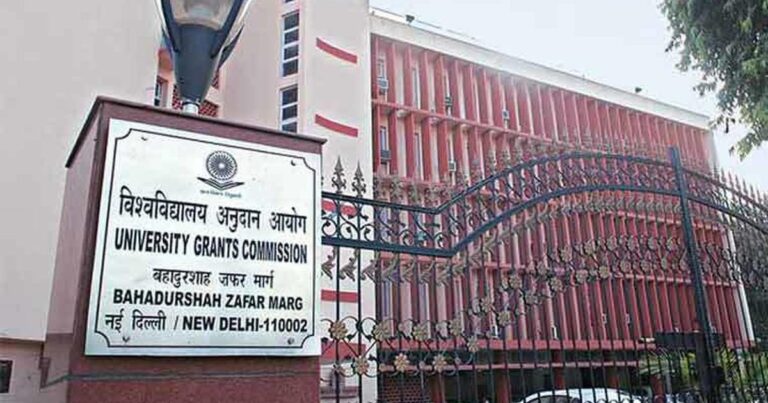
  • The University Grants Commission has cleared the course structure for the four-year undergraduate programme (FYUP) proposed in the National Education Policy.
  • Vice-chancellors of central universities met on 10 March to approve the course, ThePrint has learnt.
  • The document provides a roadmap on which universities can design the FYUP. So far, Delhi University has adopted the new format from the academic year 2022-23.
  • The Ministry of Education has indicated it would want all central universities to adopt the programme, which will be divided into eight semesters lasting 90 days each, the document reads.
  • In semesters 1, 2 and 3, the student will study subjects from humanities, social sciences, mathematics, and vocational education. At the end of semester 3, the student will decide her major and minor subject for the degree, which will be allotted on the basis of interest and academic performance.
  • In semesters 7 and 8, the student will conduct a research-based study on the subject of specialisation.

CONCLUSION

  • With multiple entry-exit options, students who wish to exit after the first year will get a certificate, those exiting after two years will receive a diploma, students who complete three years will be given a bachelor’s degree and those who study four years will get a bachelor’s degree with honours.
  • The document also stated there would be no hard separations between ‘arts’ and ‘sciences’, between ‘curricular’ and ‘extracurricular’ activities, between ‘vocational’ and ‘academic streams’, etc. A multi-disciplinarity and a holistic approach to education across the sciences, social sciences, arts, humanities, and sports will be adopted.

Credit-based courses 

The programmes of study would include taught courses, seminars, practicals, internships, lab work, studio activities, workshops, field projects, community engagement, a hybrid mix of taught course and field work, and an additional four credit courses involving 50 per cent credit allocation to practicals.

The course work during the first three semesters of the FYUP will consist of language education (regional and English), understanding India, environmental science/education, digital and technological solutions, mathematical and computational thinking and analysis, health & wellness, yoga education, and sports and fitness, which will be common for all students.

Course requirements of ‘majors’ offered would be 48 credit-hours. Students will have the option to choose two disciplinary/interdisciplinary ‘minors’ of 16 credit-hours each, making it a total of 32 credits.

Students will have to complete a total of 160 credit-hours in order to finish the four-year programme.

Courses based on level of difficulty 

Courses in the FYUP are structured in the form of codes, which are segregated based on the learning outcomes, level of difficulty and academic rigour.
Courses in the 0-99 code will be pre-requisite courses or those with no credits. Students will have to clear these courses in order to move ahead in their programme. These will include basic courses which prepare the students for the advanced subjects that will be taught to them in the future. This will include courses like English and other languages, mathematics, history and environment education. These will be the courses studied by semester 1 students.
100-199 will include foundational courses that will make students gain basic knowledge of subjects and help them decide the subject or discipline of interest. These courses may also be prerequisites for courses in the ‘major’ subject. These courses will equip the student with the basic theories, concepts and principles in subjects that they wish to major in.
200-299 will include intermediate-level courses including subject-specific courses intended to meet the credit requirements for ‘minor’ or ‘major’ areas of learning. These courses can be prerequisite courses for advanced level major courses.
300-399 will have higher-level courses which are required for majoring in a disciplinary/interdisciplinary area of study for a degree.
400-499 will include advanced courses which will be taught through practicals, field work, research etc.
500-599 will include courses at first-year Master’s degree level for the 2-year Master’s degree programme.
Code 600-699 will be courses for the second year of a 2-year Master’s or 1-year Master’s degree programme, while 700-799 and above will include courses for doctoral students.