Highlights
-
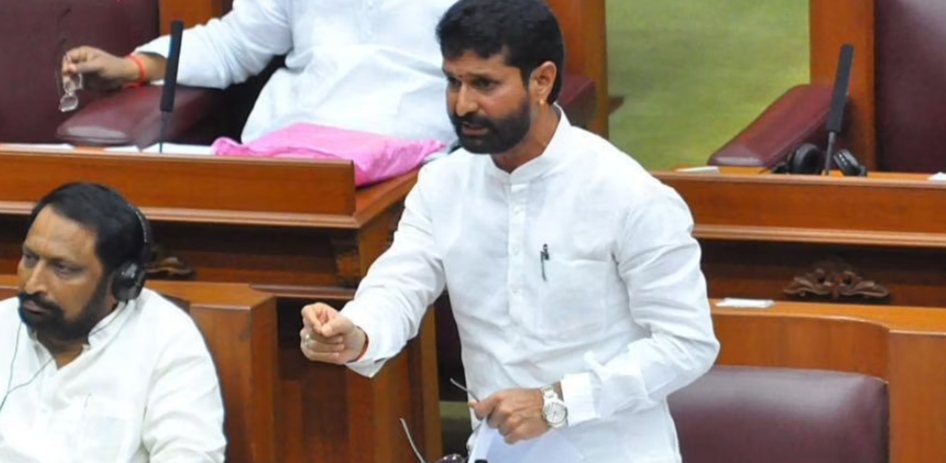
BJP national general secretary CT Ravi’s statement on June 11 that the school textbook revision in Karnataka is just “repair work”, pending a full-fledged revision, raises concerns about what the end result of such an exercise could be. The concerns do not exclude its influence in other BJP-ruled states, which are known to often pick leaves out of each other’s books.
- Ravi was speaking at an interactive programme in Mangaluru on ‘Textbook Politics – Truth and Myth’, during which he said textbook revision aims to set right “anomalies” to instil a “sense of nationalism” among the people. The “anomalies” that Ravi was referring to, however, remains a matter of debate. Opposition parties have been accusing BJP of “saffronising” education to push its ideology.
-
The ruling party is justifying the revision, claiming it to be a process of making history “factual”. The biggest “anomaly” is lost on the ruling and the opposition parties even as they duel over the righteousness of textbook revision – the lack of a holistic approach in the education system itself. Whether the National Education Policy (NEP) 2020 will realise it, remains to be seen.
-
Education is supposed to be a process of reforming the human mind – a progressive reform, not a regressive one. While expanding knowledge, it needs to strengthen the mind and shape the character of the individual.
-
It needs to create an urge to put the individual’s potential to optimum use for the betterment of society in its multiple domains. The focus should be on developing social, cognitive and vocational skills, boosting confidence and making science subjects and their teaching methods more interesting to kindle a scientific temper.
-
However, the revisions made so far in the school textbooks pertain to history and the Kannada language. Now, while the BJP national general secretary speaks about a “pending full-fledged revision” – if and when they do take it up – will the potential power of education’s positive influence on young individuals be taken into consideration?
-
Or will it continue to deal with “correcting” the past instead of ensuring a healthier, more conducive future for the citizens, through better quality education?