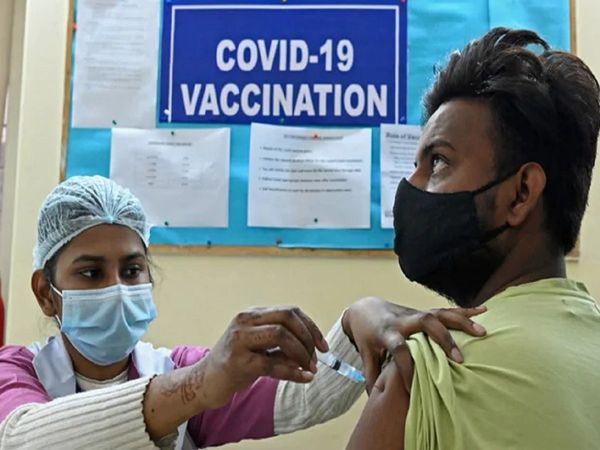
COVID-19: Double vaccinated travellers from Maharashtra can enter Karnataka

KEY STORY

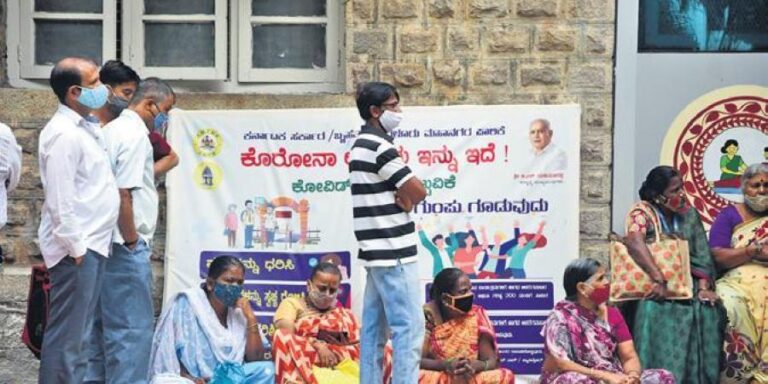
  • People travelling from Maharashtra to Karnataka who do not have a COVID-negative report but have taken both doses of vaccine will be allowed to enter the State.
  • After reports of an increase in Delta-Plus variant cases in Maharashtra, Karnataka had issued guidelines to districts sharing the border with Maharashtra that those entering the State should produce a negative RTPCR report not older than 72 hours.
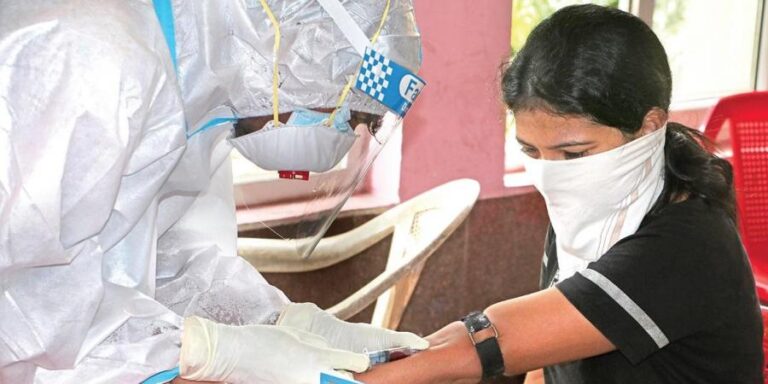
  • Those who have taken the vaccine but have symptoms will be made to undergo a Rapid Antigen Test (RAT).

Mobile testing centres planned at state’s border

If the RAT result is negative, their samples will be collected for RTPCR and their residential addresses will be noted down before allowing them to travel. They will be asked to be under home quarantine till RTPCR results come out. If travellers test positive for RAT, triaging will be done as per protocol.
“The same protocol will be followed for those travelling from Karnataka to Maharashtra. These rules will be in place till further orders. Mobile COVID testing centres will be set up at border entry points,” district officials revealed.
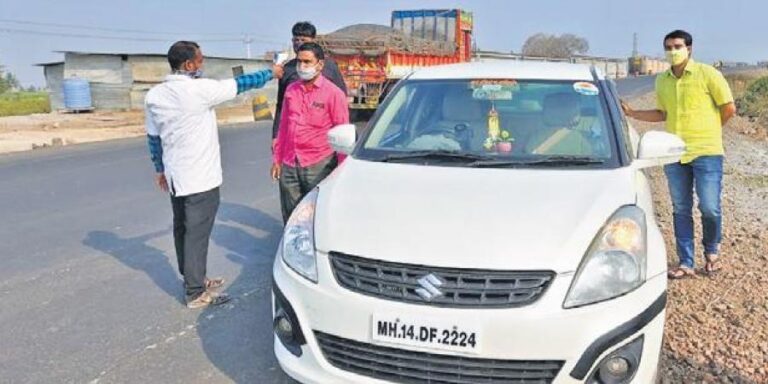
The Vijayapura administration has set up checkposts at Dhulkhed and Shiradona, where health professionals and staff of different departments, including police, have been deployed.

CONCLUSION

Deputy Commissioner P Sunil Kumar said, “The chief secretary held a video-conference with the deputy commissioners of border districts of Vijayapura, Belagavi, Bidar, Kalaburagi and Bagalkot. He directed us to take measures like vaccination along border areas and strengthening checkposts.”
He said, “A letter has also been sent to district officials of Sangli and Solapur in Maharashtra that share the border with Karnataka, asking them to speed up the vaccination drive.”
Karnataka SSLC 2021 exams to be held on July 19, 22

KEY STORY

  • The Karnataka government has announced that the timetable for the SSLC (Class 10) exams, which will be conducted in July. This year, over 8.76 lakh students are writing the exams, as opposed to 8.46 lakh last year.
  • Primary and Secondary Education minister S Suresh Kumar said, “On 19th July examination will be conducted for core subjects-Mathematics, Science and Social Science. Similarly, on 22nd July, the examination will be held for language subjects.”
  • The exams will be held from 10:30 am to 01:30 pm and the pattern of the paper will be multiple-choice questions.
  • “The students will have to mark the right answers on the Optical Mark Reading (OMR) sheet given to them at the examination centres,” the minister added.
  • Only 12 students will be allowed to sit in each classroom and all Covid appropriate behaviour would have to be followed.
  • The minister also said that the government’s focus would be to vaccinate the teachers, staff and officials involved in conducting the examination, well ahead of the date of the exam.
  • If a student has contracted COVID-19 and wishes to appear for the examination, they can do so from the nearest Covid Care Centre. Meanwhile, students will also be given an opportunity to write the examination later and will be treated as freshers.

CONCLUSION

  • Speaking at a press conference, Kumar also added that students who have migrated with their parents due to the COVID-19 pandemic can write their examination from a centre closer to their location. The government has collected data on students who migrated.
  • The Deputy Director of Public Instruction in respective areas have been alerted and will ensure these students appear for the examination,
  • When asked about the reopening of schools, the minister confirmed that a task force has been formed, comprising members of the Technical Advisory Committee, paediatric experts and subject experts. The committee will provide suggestions on reopening.

It was an instant yes from me: Asees Kaur on working with AR Rahman

KEY STORY

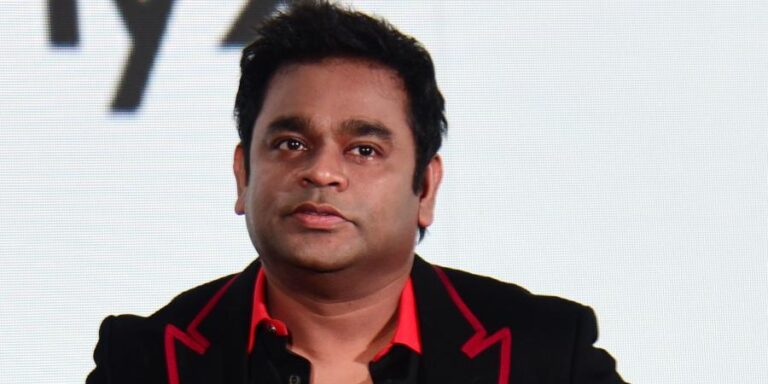
  • Singer Asees Kaur recalls collaborating with AR Rahman for the new track “Meri pukaar suno” saying although it’s always a dream come true working with the Oscar-winning composer, the entire team had to produce the song sitting in their respective homes owing to the pandemic.
    “Meri pukaar suno”, composed by Rahman and with lyrics by Gulzar, features top voices as Armaan Malik, Alka Yagnik, Shreya Ghosal, KS Chitra, Sadhana Sargam, and Shasha Tirupati along with Asees.
    “Generally, he calls everyone to record the song in Chennai but looking at the pandemic situation, we recorded the song and shot for it in our respective homes and studios. I had instructions from him about exactly how he wanted my portion to sound. When you hear ‘Meri pukaar suno’ you won’t be able to say we all recorded the track sitting in different parts of the country! That’s the genius of AR Rahman,” says Asees.
    Recalling, how she came on board for the track, touted as an anthem for hope and peace, the singer says: “AR Rahman had first heard my voice on reality show ‘Indian Pro Music League’ where he appeared as a guest. He praised my voice.
    A couple of weeks later, I got a call from his studio asking if I would like to be a part of the song. It was an instant yes! Who would say no to an opportunity to work with AR Rahman?”
    Asees is known for her songs “Ve maahi” and “Bol na”. Her new track released on Friday.

22 years and counting: Mithali Raj’s undisputed legacy in women’s cricket continues

KEY STORY

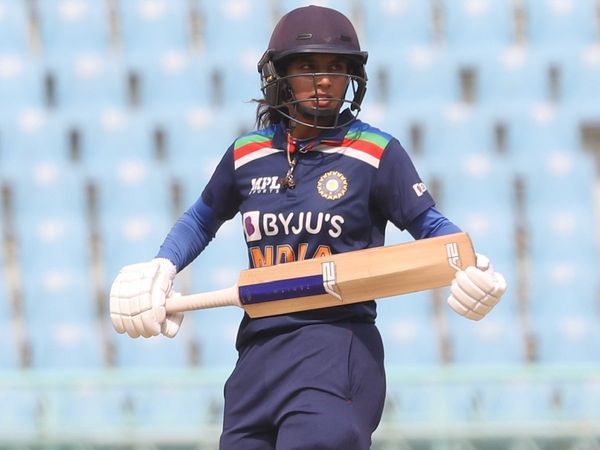
  • Mithali Raj is a name synonymous with Indian women’s cricket for over two decades now. One of the greatest ever to have represented the country at the highest level, Raj has been a flagbearer of women’s cricket and has contributed immensely to the team’s success over the years.
  • The Indian women’s team stalwart will add another feather to her illustrious cap on Sunday (June 27) when she leads the side out against England in the first ODI in Bristol.
  • Raj will become the first-ever female cricketer and second overall after the legendary Sachin Tendulkar to have completed 22 years in ODI cricket. She had made her ODI debut for India at the tender age of 16 against Ireland in June 1999 and has since been an indispensable part of the Indian women’s team across formats.
  • Only Tendulkar, who played ODI cricket for 22 years and 91 days has played more ODI cricket than Raj, who is currently 38 and has shown no signs of stopping anytime soon as she continues to strive towards her dream of lifting the World Cup for India once before calling time on what has been an extraordinary career in women’s cricket.
  • India’s greatest female batter of all time, Raj has achieved numerous accolades in her glorious career spanning over two decades. She had slammed an unbeaten 114 on her ODI debut at 16 and has never looked back since. She is currently the leading run-getter in women’s ODIs with 7098 runs in 214 matches and has also led India in 137 ODIs – most by any captain in women’s cricket.
  • She has been vital in changing the landscape of Indian women’s cricket over the past two decades and her legacy continues as she remains on her quest to make India world champions. World Cup crown is the only major feat that has eluded the ODI and Test captain of the Indian women’s team, who has achieved almost everything there is to be at the highest level.
  • Since her debut in 1999, Raj has played 214 ODIs, 89 T20Is, and 11 Tests. While she is the leading run-getter of all-time in ODIs, she is the highest run-getter for India in T20Is with 2364 runs in 89 matches. At 19 years of age, she was the youngest to score a double century in women’s Tests.

CONCLUSION

  • Raj has undoubtedly been one of the greatest servants of Indian cricket and her relentless pursuit of success is a testament to her passion and dedication for the game. A once-in-a-generation superstar, she continues to inspire millions of girls across the country to follow in her footsteps and bring laurels to the nation.
  • She is just a few months short of surpassing the legendary Tendulkar’s record of 22 years and 91 days in ODI cricket to become the longest-serving player in the format.

How to extract maximum benefits of Haldi: Antioxidants that fight cancer, inflammation, infection, obesity

KEY STORY

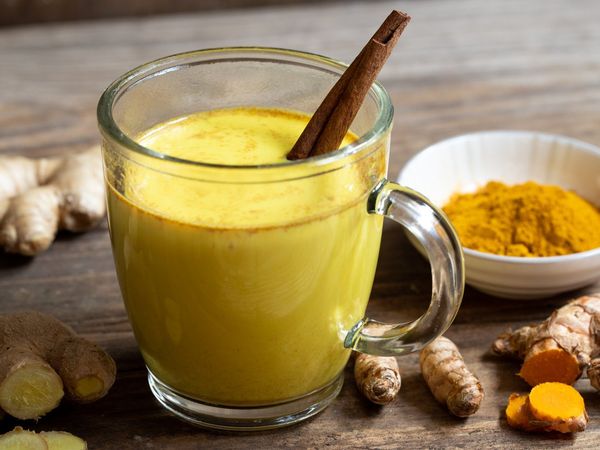
  • Turmeric or Haldi is a herb that is so commonly used in Indian households that it is taken for granted that no home in India lacks it. It is used as a spice in food, as a home remedy for an injury or cough cold etc in milk or for application on wounds.
  • According to the book “Antioxidants in Food, Vitamins and Supplements: Prevention and Treatment of Disease”  by Dr Amitava Dasgupta – Professor at University of Texas Medical School at Houston, and Kimberly Klein – his Asst Professor colleague – “The most active component of turmeric is curcumin.
  • Scientific research has shown that turmeric has antibacterial, antiviral, antifungal, antioxidant, and anticancer activities and also has a potential to reduce the risk of various malignant disease, arthritis, Alzheimer’s disease, and other chronic illness including rheumatoid arthritis.”
  • Research done by doctors at Wayne State University (Detroit, Michigan) USA proves that the deadly colorectal cancer (CRC) – the second leading cause of cancer deaths in the Western world – has low occurrence in India because “…(of) daily consumption (of turmeric) not only speaks for its safety but has been said to be responsible for the low incidence of CRC in these countries.” This, while currently there is no effective treatment for CRC except resection at a very early stage with or without chemotherapy.
  • Turmeric is a herb worthy of being called magical, purely because of the vast scope of application and use, as well as easy availability and affordability of the herb.
  • ScienceDirect.com quotes Dr Joseph Eichenseher (cited in a book named “Integrative Medicine” by Dr David Rakel), citing a clinical trial, in which 600-mg turmeric root was administered five times daily to patients with PUD, reported ulcer resolution at 4 weeks and 12 weeks in 48 per cent and 76 per cent of patients, respectively. The same study also demonstrated that turmeric markedly improves symptoms of dyspepsia in 1 to 2 weeks.

    How to use turmeric for best results:

    1. Turmeric contains bioactive compounds with medicinal properties – key among them being Curcumin. But turmeric contains only around 2 to 8 per cent curcumin by weight – not achievable by just a bit of spice daily. Also, curcumin is poorly absorbed into your bloodstream. That is why one should consume it with black pepper, which contains piperine – a natural substance that enhances the absorption of curcumin by 2,000 per cent and also makes it substantially more effective.
    2. Curcumin is also fat-soluble, which means it breaks down and dissolves in fat or oil. No wonder then, it was added to a meal being cooked with ghee and fats. Also, it is often used as a drink in milk at night.
    3. According to MedicalNewsToday, turmeric tea, brewed using grated turmeric root or pure powder, is considered one of the most effective ways to consume the spice.
    4. To prepare Haldi Chai or Turmeric Tea, you can use 2 teaspoons of ground Haldi powder in about 4 cups of water – boiling for about 10 minutes before straining it. You can flavour it with honey and whole milk, or cream, coconut oil or ghee to dissolve curcumin and make it available for absorption by the body.
    5. MedicalNewsToday also states that most research in adults supports the safe use of 400 to 600 milligrams (mg) of pure turmeric powder three times daily, or 1 to 3 grams (g) daily of grated or dried turmeric root. Grating the turmeric yourself is the best way to ensure a pure product.
    6. Lemon and ginger with honey and turmeric are a good combination of antioxidants and anti-microbial agents.
    7. When having Turmeric milk or Turmeric Latte as it is fashionably called in the West, you can add ground black pepper to turmeric before consumption. Black pepper contains piperine, a chemical known to help promote curcumin absorption. It also gives a zingy flavour to turmeric tea.
    8. Now supplements of Curcumin (the vital ingredient of turmeric) are also available. Ask your doctor about it.
    In Chapter 13 (Turmeric, The Golden Spice) of the book “Herbal Medicine: Biomolecular and Clinical Aspects“, the beneficial effects of turmeric are traditionally achieved through dietary consumption, even at low levels, over long periods of time.
    Disclaimer: Tips and suggestions mentioned in the article are for general information purpose only and should not be construed as professional medical advice. Always consult your doctor or a dietician before starting any fitness programme or making any changes to your diet.

First-of-its-kind health check up for kids to beat Covid-19 starts in Karnataka’s Haveri district

KEY STORY

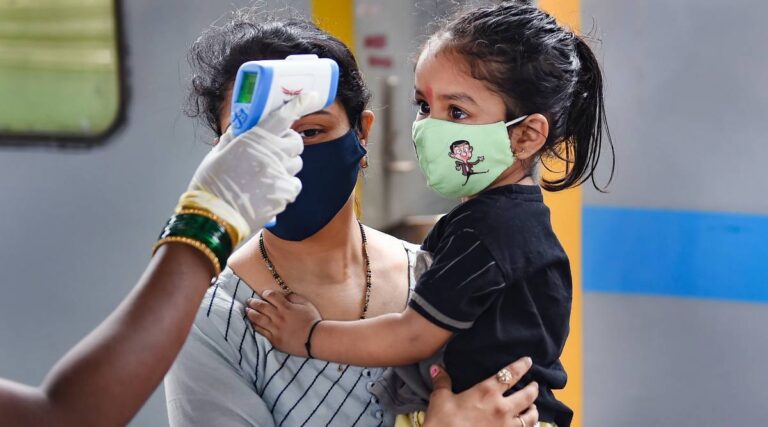
  • In a first-of-its-kind exercise in Karnataka, a month-long extensive health check-up drive for children below 16 years has been launched across Haveri district as part of the preparation to face a possible third wave of COVID-19, state Home Minister Basavaraj S Bommai said.
  • “Haveri has become the first district in the State to start a first-of-its-kind health check-up drive exclusively for children.
  • We are making sure that no child is malnourished,” Bommai, an MLA from Shiggaon in the district, told PTI.
  • During the camp, which started on June 25 and will conclude on July 30, 2.75 lakh children under the age of 16 in the district will be screened, he said, adding, teachers and parents will also be subjected to check-up and vaccinated.
  • The district Incharge Minister said the drive was started keeping in view the report furnished by the Technical Advisory Committee to the State government, saying that the potential third wave may affect children.
  • “Since it has not been decided yet to vaccinate children, it is important to take care of the health of the children and protect them from malnutrition,” the Minister said.
  • Bommai said the screening is taking place in all the Primary Health Centres of the district with an aim to improve the overall health of children.

CONCLUSION

  • “The health camp is being organised at all the PHCs covering every village of the district.
  • Pediatricians are conducting the health check-up. Later, essential medicines and nutritional kits will also be given to underprivileged children”, the Minister said.
  • After screening the children, their biodata will be collected and “health problems”, if any, will be monitored for the next four to five months, he added.

Telegram adds group video calls, animations, more in new update

KEY STORY

  • Telegram, quickly became popular after WhatsApp ran into problems after its new Privacy Policy update earlier this year. While the rival offered a number of features, making it one of the most packed messaging services out there, it still lacked one major feature that WhatsApp had – Group Video Calls.
  • Telegram has however fixed that with a new update, that brings not just group video call support to the platform, but also other new features like screen sharing and noise suppression. Check out all the new features here.

    Group Video Calls


  • Telegram users can now make full-screen video calls on the app or the Telegram Web platform. The feature, rivalling conferencing tools like Zoom and Google Meet, adds features like noise suppression and tablet support.
  • On tablets and desktop, video calls will appear in a large, split-screen view of the video grid along with the list of participants. Group video calls will also open in a separate window, allowing users to do other things without minimizing the video call.

    Animated backgrounds, message animations


  • Telegram is also adding several changes to the UI. There is also now support for animated backgrounds, where colours and patterns can shift in the background as you send and receive messages. There are also new message animations for text messages, stickers and emojis, which can now be seen smoothly gliding upwards from the text box into the chat.
  • Telegram also now adds two more icons on iOS, login info reminders, a bot menu to browse the list if commands, and even more animated emoji. The app is also releasing new tools for developers that let people create their own stickers and import them into the app in one tap.
  • The new features should come in an app update from the Google Play Store or the App Store and you should receive it soon if you haven’t already.

E-filing portal of Income Tax Appellate Tribunal launched by law minister

KEY STORY

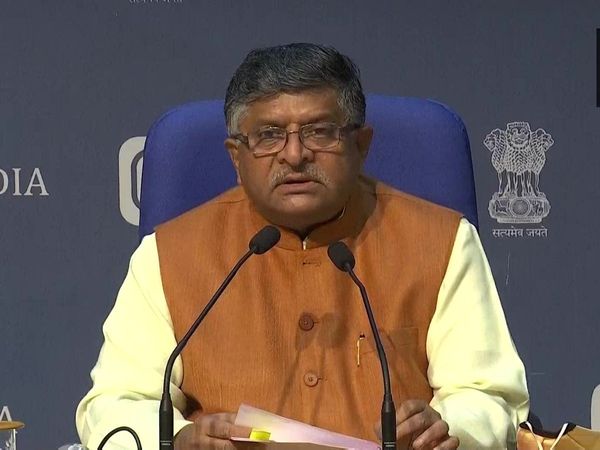
  • Union Minister Ravi Shankar Prasad launched the e-filing portal of Income Tax Appellate Tribunal (ITAT), ‘itat e-dwar’, at 04.00 pm on, June 25, 2021 in New Delhi.
  • The newly developed e-filing portal would enable the parties to file their appeals, miscellaneous applications, documents, paper books, etc., electronically, said the Ministry of Law and Justice in a statement.
  • The launch of e-filing portal ‘itat e-dwar’ will enhance the accessibility, accountability and transparency in the day to day working of the ITAT.  It would not only result in economization of the use of paper, savings in costs but also rationalisation of the fixation of cases leading to quicker disposal of cases.
  • Prasad cautioned that this initiative of ITAT must not be seen as a solitary step.  Instead, it should be seen as a larger narrative of transformation that the country is undergoing through digital medium.  It enables innovation and empowerment and opens new avenues for growth.
  • He expressed hope that ‘itat e-dwar’ will be widely accepted by the lawyers and tax litigants alike. On this occasion, a virtual function was organized at the national level which was attended by the functionaries of ITAT from all the 28 stations.  The members of various Bar Associations also joined the virtual function.

CONCLUSION

  • It was also attended by the Officers of the Income Tax Department, Chartered Accountants, Taxpayers and other legal luminaries in the field of tax, from across the country.
  • G.S Pannu, Vice President (Delhi Zone) and Chairman, Computerization Committee, ITAT said that with the combination of digital court room, virtual hearings and mobile application providing judicial information, paperless courts will soon be a reality in ITAT.

Johnson & Johnson’s COVID vaccine could be available in private hospitals in India next month

KEY STORY

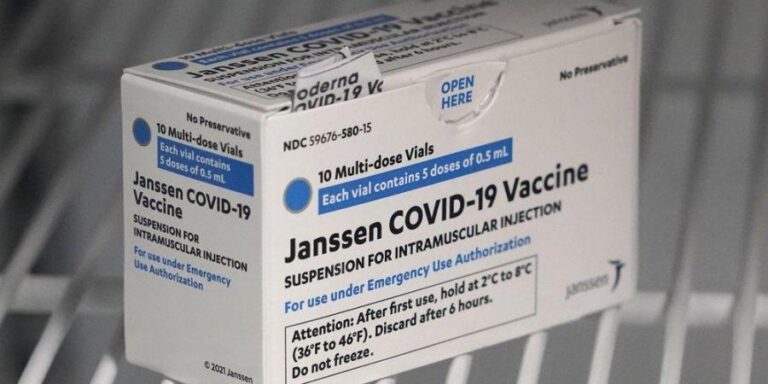
  • The COVID-19 vaccine by the US-based Johnson & Johnson’s subsidiary Janssen could be available in private hospitals in India next month in a limited quantity for about Rs 2,000 per dose, if efforts by the body of a private hospital association work out.
  • The advantage of this viral vector-based vaccine is that it requires only a single shot and can be stored in regular refrigerators for up to three months.
  • The price of this vaccine is $25 per dose or Rs 1855 while private hospitals will also charge administrative cost of Rs 150, apart from GST, for every dose administered.
  • As per the US Centre for Disease Control and Prevention, this vaccine was 66.3% effective in efficacy trials at preventing laboratory-confirmed COVID-19 infection and people had the most protection two weeks after getting vaccinated.
  • “We are trying to procure this vaccine for some private hospitals in India and the idea is to establish and verify a supply channel for this vaccine in India before the vaccine can be imported in a big way,” said Girdhar J Gyani, director general of the Association of Private Healthcare Providers in India.
  • He said that the vaccine may be particularly apt for India, given that it is a single dose vaccine and can be stored easily.
  • “These two features make it useful for a large chunk of population in tier II and III cities and remote parts in the country,” Gyani added.
  • Recently, the Indian government had relaxed regulatory norms to allow foreign made COVID-19 vaccines — approved by developed countries and the WHO — to enter India without the mandatory bridging clinical trials.
  • It had tweaked norms to mandate that the vaccine batches cleared by regulators abroad will not need additional clearing by the Central Drugs Laboratories, Kasauli, as has been the norm for all drugs and vaccines till now.

CONCLUSION

  • The AHPI has also been trying to procure J&J COVID jabs through an authorised private agency in India from the European Union’s quota for lower- and middle-income countries.
  • In the US, the pharma major J&J meanwhile had recently announced that it is testing whether the immune response from its vaccine is capable of neutralizing the delta variant of SARS CoV 2 in a laboratory setting but data from the experiment is yet to be available.
  • The results from the tests will be highly relevant for India where the delta variant is now the most dominant strain of the COVID virus.

Delta plus has more affinity for lung tissues in comparison to other COVID-19 strains: NTAGI chief

KEY STORY

  • The Delta plus variant of COVID-19 has greater affinity to lung tissues as compared to other strains but it does not mean that it will cause severe disease or is more transmissible, head of coronavirus working group NTAGI Dr N K Arora said. A new viral variant of the coronavirus, Delta Plus, was identified on June 11.
    It was recently classified as a variant of concern.
  • Till now, 51 cases of Delta Plus have been detected across 12 states, with Maharashtra reporting the maximum cases of this variant.Talking about Delta plus, chairman of COVID-19 Working Group of the National Technical Advisory Group on Immunisation (NTAGI) said it has been found that the variant has greater affinity to lung tissues as compared to other strains of coronavirus but clarified that it does not mean the Delta Plus variant will cause more severe disease or is more transmissible.
  • “Delta plus is having greater affinity to mucosal lining in the lungs, higher compared to other variants, but if it causes damage or not is not clear yet.
  • It also does not mean that this variant will cause more severe disease or it is more transmissible,” Arora told PTI in an interview.
  • He said the impact of the Delta plus strain will become clear only as more cases are identified but it appears that the disease is generally mild in all those who have got either single or double dose of the vaccine.
  • “We need to keep a very close watch and look at its spread so that it will give us transmission efficiency,” he said.
  • Arora said the number of cases identified of Delta plus variant may be more as there may be many asymptomatic individuals also — those who do not have any COVID-19 symptoms but they are carrying the virus and spreading it.
  • “But the important point is that our genomic surveillance component has picked it up rightly and early enough.
  • Now what will happen is that states have already been told that it is a variant of concern and it requires action which means that several states have already started making micro plans for the districts where the virus is identified so that their spread can be contained.
  • Obviously vaccination will have to be increased in these districts,” he said.
  • Responding to a question if the Delta plus variant can trigger the third wave of coronavirus, Arora said it is difficult to assess that as of now.
  • “Waves are linked to new variants or new mutations so there is a possibility as this is a new variant, but whether it will lead to a third wave it is difficult to answer as it will depend upon two or three things,” he said.
  • “The first thing is we had a ferocious second wave in the last three months and it is still going on, we are seeing for the last 8-10 days the number of cases are stuck at 50,000, while at some places cases continue to come so that wave has not settled down,” he said.
  • He said the second wave will influence the community’s response to another variant and the third wave will depend upon what proportion of the population got infected in the second wave.

CONCLUSION

  • “If a large proportion is infected then in the next wave people can develop a common cold like illness but may not develop a serious or fatal illness,” he said.
  • “Secondly, another thing that is important is vaccination — the rapidity with which we vaccinate even single dose is effective and the way we are planning, if we rapidly immunise then possibility of third wave becomes very less because vaccine plus infection plus Covid appropriate behaviour will save us from next wave, mitigate the next wave and the third wave will not be able to cause the damage as was caused in the first two waves,” he added.

Planning to open colleges in Karnataka by August: DyCM Ashwath Narayan

KEY STORY

  • To resume offline classes at colleges and higher educational institutions by August, the State Government aims to administer at least one shot of Covid vaccination to all college-going students and teachers before July-end, said Deputy Chief Minister and Minister for Higher Education Dr Ashwath Narayan.

  • In an exclusive interview to TNSE, he said a vaccination drive, “Marali Collegige” (back to college), will be launched in July under which all degree students will be vaccinated. “The Dr Devi Shetty committee report has recommended opening of degree colleges first. We will vaccinate students and staff of these colleges on priority,” he said.

CONCLUSION

  • The government has earmarked 20 lakh vaccinations for the drive. The plan was finalized after discussions with academic and health experts, he said. He explained that the government is planning a staggered reopening of classes. Students will have to produce vaccination certificates to college authorities once institutions reopen, he added.

With Delta Plus worry, advisory panel says don’t unlock Karnataka in a hurry

KEY STORY

  • With the threat of Covid Delta-Plus surge looming and Maharashtra deciding to go slow with its unlocking, Karnataka’s Technical Advisory Committee (TAC) has come out with a list of measures to be taken immediately. It has also advised the government not to hurry with relaxing the norms.
  • The Centre too has urged Karnataka, where two cases of Delta-Plus are seen, to take immediate containment measures, prevent crowds, conduct widespread testing and increase vaccine coverage on priority in districts where the variant has been detected.
  • TAC, which held a meeting on Saturday to discuss measures to contain Delta-Plus, advised the government to take follow-up action in districts, sources said. “After confirmation of the variant, a detailed epidemiological investigation shall be done by the district Rapid Response Team (RRT) under District Surveillance Officer (DSO) and the reports should be shared with the deputy commissioner, district expert committee and state Covid war room,” the TAC suggested.
  • Keeping in mind that it takes one to two weeks to genome sequence the samples, the TAC has advised RRTs to investigate “the clinical status of Covid-positive person, whether he/she is admitted, under home isolation, recovered or died, etc.
  • Also, they should find out if a Covid-negative test is warranted for such people after 14 days of recovery”, said the TAC advisory. The teams are also expected to verify whether all contacts of the person tested positive for the variant were identified and tested on day 0 to day 7.

    TAC bats for micro-planning


  • Contact tracing should be done and RT-PCR conducted on all such patients’ contacts. If tested positive, their samples too should be genome sequenced. TAC members stressed the need for micro-planning and making reporting formats stringent at the state level and then sharing it with districts for regular reporting. They said that strict containment protocols should be put in place.
  • An active influenza-like illness (ILI) survey in the community – an entire village in rural areas and around 100-metre radius in urban areas — should be done urgently, TAC said. All ILI cases should be tested with RTPCR. “The State needs to step up epidemiological investigation of cluster cases along with concurrent genomic sequencing.
  • Rapid response teams in each district should implement the recent guidelines on strengthening epidemiological surveillance for variants of concern,” said Dr Giridhara R Babu, epidemiologist and TAC member. Dr Manjunath C N, Director, Jayadeva Institute of Cardiovascular Diseases, asked the government to postpone any decision to allow large gatherings.
  • “In the earlier waves, we have noticed that the surge in Karnataka has always occurred 2-4 weeks after the spurt in Maharashtra, Kerala and Delhi,” he said. He suggested that genome sequencing should be increased from 5% of samples to at least 20% to detect VOCs early. Testing should be made mandatory for those coming in from these states of concern, he said.

    State logs 4k cases in 1 day

    In what appears to be a clear indication of people flouting Covid norms, Karnataka on Saturday reported about 1,000 cases more than what it recorded on Friday. The state logged 4,272 fresh cases on Saturday compared with 3,310 cases the previous day.However, the positivity rate marginally dipped from 8.43% on Friday, to 8.40% on Saturday. Meanwhile, experts attribute the case increase to various factors.

    ‘strict vigil at state borders’ 

    Deputy Chief Minister Laxman Savadi on Saturday said the government contemplates making it mandatory for people entering Karnataka by crossing the border to produce a Covid-negative report. Expressing concern over rising cases of the Delta+ variant in Maharashtra, he added that his department had been working on measures to ensure strict vigil across all checkposts on the Karnataka-Maharashtra border.

From 2017 Champions Trophy to WTC final: Decoding where Virat Kohli-led India kept losing the plot

KEY STORY

  • Virat Kohli-led India were once again favourites for winning the inaugural ICC World Test Championship (WTC) final, versus New Zealand at The Rose Bowl, Southampton. While many former cricketers, experts and pundits of the gentlemen’s game predicted India’s success, it was Kane Williamson & Co. who emerged on top and stamped their authority on the Test mace.
  • With this win, the Kiwis ended their ICC-trophy drought, which spanned for over two decades. On the other hand, India’s title drought has now stretched further, with their last major tournament win being in the 2013 Champions Trophy in England and Wales. Thus, the Men in Blue’s last successful campaign in an ICC event came under former captain MS Dhoni.
  • Since Kohli took over as a full-format captain, he has led India in three ICC tournaments but has failed to take his side to the championship in any of them. From shocking defeat in 2017 Champions Trophy final, missed opportunity in 2019 ODI World Cup and now giving away the Test mace, decoding where India lost the plot at crunch situations in last three major tournaments:
    1) 2017 Champions Trophy final defeat to Pakistan: It is often said that when an unpredictable Pakistan line-up gets some momentum in a major tournament, they become a daunting force and one of the most dangerous units. Team India faced the wrath of their neighbours when they were demolished in the summit clash of the 2017 Champions Trophy.
    Back then, many had termed India as favourites and social media was abuzz with several memes already on the Pakistan team before the finale. However, they punched above their weight to stun the Indian contingent. Being asked to bat first, Pakistan made 338-4 and bundled out India for 158.
    As per many, Kohli & Co. were a bit overconfident as their rusty approach with the ball and and in the field suggested the same. Some still contemplate that Kohli-led Indian team management made a mistake by bowling first on a good batting track (though Sarfaraz Ahmed-led Men in Green wanted to do the same). If they had batted first, Pakistan’s horrible chasing record is well documented to all.
    2) No Plan B, Ambati Rayudu and No. 4 uncertainties, Dhoni’s demotion: India’s next ICC tournament was the last ODI World Cup. Once again, they dismantled oppositions to enter the semi-finals, facing fourth-ranked New Zealand at The Old Trafford, Manchester. In a two-day semi-final affair, the Kiwis beat India by 18 runs.
    While one can defend the team that the rain break and overcast conditions made the equation favourable for the Black Caps, India’s lack of Plan B, no certainty at No. 4 despite Ambati Rayudu being a firm contender in the run-up to the mega event and poor decision to shuffle the batting order led the team to pay heavily.
    Dhoni, whose finishing skills were fading since 2018, was still trusted to do the job and demoted to No. 7 in the crunch semi-final. Coming out at 71-5, the former Indian captain still gave his all with Ravindra Jadeja (77) but the team fell short eventually. Not only Dhoni, Kohli & Co. had also promoted a finisher like Dinesh Karthik at No. 5; depicting their puzzled approach.
    3) Lack of match practice, another batting failure and an ordinary bowling show: The Indian team has been the best Test team in the last five years, finishing at the top spot in annual ICC rankings in the last five years in a row. Hence, this was India’s best chance to return with an ICC title. Nonetheless, the script remained the same this time around as well.
    While many might argue that had the Indian team got time to play practice matches, prior to the WTC final, the story could’ve been different. However, it is to be noted that they got enough extra days at the expense of IPL 14’s sudden and indefinite suspension. Thus, there was always a lack of planning from the BCCI in the run-up to the finale.

CONCLUSION

Coming to the match, Kohli & Co. produced two forgettable batting performances which led to them finishing second.
A muddled approach on the reserve day, especially in the post-lunch session, made them suffer big time whereas none apart from Mohammed Shami and R Ashwin showed any fight with the ball.
The biggest criticism of them all, however, unanimously remains that India chose to field two spinners in overcast conditions during the WTC final; showcasing their lack of faith in their own batting and not being attacking with more pace bowling options.

No need to panic about new Covid variant: Sudhakar

KEY STORY

  • Health Minister Dr K Sudhakar on Friday said that there was no need to panic about the Delta-plus variant of the SARS-CoV-2 virus. “There are two cases of the new variant — one in Bengaluru and the other in Mysuru, both with mild symptoms. The Mysuru patient has completely recovered,” he told reporters.
  • The primary contacts of both the patients have tested negative for Covid-19. “Therefore, there is no need to panic. Genome sequencing is being done each day to detect new strains,” Dr Sudhakar said. Six genome sequencing labs will be set up in Bengaluru, Mysuru, Shivamogga, Hubballi, Mangaluru and Vijayapura, he added.
  • He also disclosed that there will be a difference in the treatment protocol of the Delta and Delta-plus variants and it will be discussed with Chief Minister BS Yediyurappa.
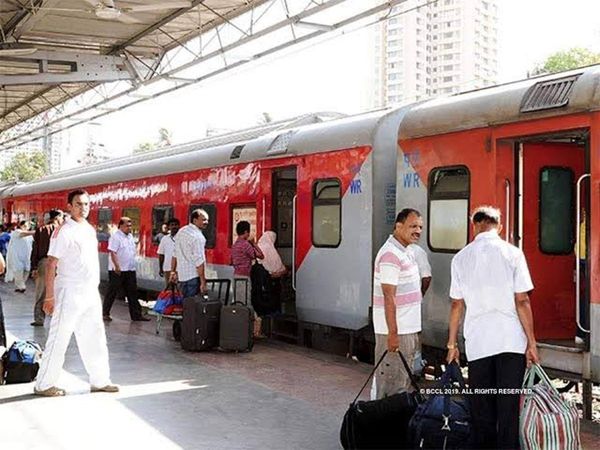
    Further, with a surge in cases in Kerala (where the positivity rate is more than 10 per cent), more tests will be conducted in the border areas. “We have instructed the district administrations to conduct more tests on the border… it is not appropriate to seal the border. We need to be cautious at bus stands and railway stations,” the minister said.

CONCLUSION

  • Meanwhile, regarding the treatment protocol, Dr Ravindra Mehta, senior consultant and HoD, Pulmonology and Interventional Pulmonology, Apollo Speciality Hospitals, said, “So far, there is no change in the treatment protocol.
  • It is known that for the Delta variants, monoclonal antibody cocktail works. However, this was known only during the end of the second wave and not tried on many. Going by this, it can be used to tackle the Delta-plus variant also.”

Fourth round of sero-survey in three Karnataka districts from June 30,Kalaburagi is one of them

KEY STORY

  • The Indian Council of Medical Research (ICMR) will conduct the fourth round of national sero-survey to detect the prevalence of SARS-CoV-2 antibodies in the community. The survey will also be done in three districts of the state — Bengaluru, Chitradurga and Kalaburgi — from June 30. For the first time, children above the age of 6 will also be part of the survey.
  • The survey will be conducted by National Tuberculosis Institute, Bengaluru, in nine clusters under Bruhat Bengaluru Mahanagara Palike (BBMP) limits, 11 clusters of Bengaluru Urban districts, and 10 clusters each in Chitradurga and Kalaburagi districts.In a sero-survey, blood samples are tested for the presence of IgG (Immunoglobulin G) antibodies that determine a past infection due to the virus.
  • Sero-surveys are also important to determine whether the disease has entered the community transmission stage or not. The ICMR’s National Institute of Epidemiology in Chennai was the nodal agency for all the past surveys.

CONCLUSION

  • The ICMR-National Institute for Research in Tuberculosis (Formerly Tuberculosis Research Centre) is supervising the fourth survey.
  • The survey in Chitradurga will be done in Hiriyur town, Koodlahalli and Maradihalli in Hiriyur taluk, Torebailu-Bheemasamudra, Doddabadehalli in Challakere taluk, Talikatte in Holalkere taluk, Yelagodu Gollarahatti in Chitradurga taluk, Kondlahalli in Molakalmuru taluk, Channasamudra in Hosadurga taluk, District Hospital at Chitradurga and also Ward No 11 in the hospital.

Railways planning to link these identity documents for booking tickets on IRCTC website

KEY STORY

  • In an effort to weed out touts who make IRCTC ticket booking experience hell for other uses, Railways may soon ask users booking train tickets online to link identity documents such as Aadhaar, PAN and Passport to their login details on the ticket booking IRCTC website.
  • In a media interaction on Friday, Railway Protection Force (RPF) Director-General Arun Kumar on Friday said that the national transporter is working on a plan to link the identity documents with IRCTC. He emphasised that earlier action against touts was based on human intelligence which had little or no impact on the ground.
  • “We are trying to plug it. The future is that eventually, we have to link login of ticketing with some identity card either PAN or Aadhaar or any other proof, the number of which the passenger can (use to) login so that we can end touting,” Kumar said.

  • “This is our future plan. We have to create a network first. We have almost done our work with Aadhaar authorities and we are doing the same with other identity cards. The moment the system is in place we will start using it,” he said during the briefing on on the work done by the RPF over the last two years.
  • Kumar further highlighted that action against touts was started in October-November 2019, and against illegal software from December in the same year. Till May 2021, 14,257 touts have been arrested, he said and added that so far, tickets worth Rs 28.34 crore have been seized.

CONCLUSION

  • The director general (DG) also said the Rail Suraksha app has been developed for passengers to register safety-related complaints with the Government Railway Police and the RPF while they are travelling.
  • “We are devising a surveillance and response mechanism for CCTV coverage to 6,049 stations and all passenger train coaches,” he added.

Covaxin, Covishield will work against Delta Plus variant: Health expert

KEY STORY

  • An Odisha-based health expert on Saturday confirmed that Covaxin and Covishield will work against the new Delta Plus variant of COVID-19 infection. He, however, added that the country needs good public health measures.
  • While talking to media, Bhubaneswar-based health expert Dr Niroj Mishra said, “A news report from the UK says that a new study tells that the two vaccines that India is presently using are going to work against (Delta Plus) variant.”
  • “There is no need to panic. We need good public health measures” he added.

  • Dr Mishra’s comments have come merely hours after the first case of the Delta Plus variant was detected in Odisha.
  • Yesterday, the Union Health Ministry confirmed that COVID-19 vaccines – Covishield and Covaxin – work against SARS-CoV-2 variants Alpha, Beta, Gamma and Delta, while effectiveness tests against the Delta Plus variant are ongoing.
  • There are four variants of concern of the coronavirus disease – Alpha, Beta, Gamma and Delta – with Delta Plus being a sub-lineage of the Delta variant which is also a variant of concern.
  • Talking about the Delta Plus variant, ICMR DG Dr Balram Bhargava said it is present now in 12 countries. There are 48 cases in India in 10 states but they are very localised, he added.
  • “The Delta Plus variant has also been isolated and cultured at ICMR-NIV, and laboratory tests to check vaccine effect on Delta Plus variant are ongoing. We should have these results in 7-10 days as to whether the vaccine is working against the Delta Plus variant,” he said.

CONCLUSION

  • Bhargava said public health prevention strategies do not change with variants.
  • He stressed, “Covid appropriate behaviour and vaccination has to continue but continuous monitoring of mutations is important to track vaccine escape, increased transmissibility and disease severity.”
  • “The next step is, if need be, vaccine composition can be changed as per the circulating variants of interest and variants of concern that can also be done with RNA vaccines and adenovirus-based vaccine can also be modified,” he added.

Shah Rukh Khan resumes Pathan shoot, Deepika Padukone and John Abraham to join next week

KEY STORY

  • Shah Rukh Khan has resumed shooting of his next film, Pathan, at Yash Raj Films Studios in Mumbai. The film also features Deepika Padukone and John Abraham in pivotal roles, and they are expected to join the shoot next week. Salman Khan is playing a cameo in the film.
  • A well-placed trade source close to the actor shares, “Pathan has resumed its shooting schedule after the lockdown due to the second wave of Covid-19 pandemic. Intense schedule awaits SRK who is first to have resumed the shoot.
  • We hear John Abraham and Deepika Padukone are set to start in the next few days. A sizeable portion of the film will be shot in this schedule before the team heads to international locations to shoot the big action and scale sequences.”
    Shah Rukh and film’s director Sidharth Anand were spotted at YRF Studio.

CONCLUSION

  • As Shah Rukh Khan clocked 29 years in Bollywood, the actor took to his social media platforms to thank his fans for the overwhelming love he has received over the years. He also conducted an impromptu ‘Ask Me Anything’ session on Twitter and interacted with his fans.
  • Pathan is part of Aditya Chopra’s huge line-up of films that are set to be announced soon. Other films in the line-up include Salman Khan’s Tiger 3, Aamir Khan’s son Junaid Khan’s debut Maharaj, Saif Ali Khan-Rani Mukerji and Siddhant Chaturvedi-Sharvari’s Bunty Aur Babli 2, Vicky Kaushal’s next, Ranveer Singh’s Jayeshbhai Jordaar and Ranbir Kapoor’s Shamshera.

Instagram testing a feature that lets you post photos from desktop

KEY STORY

  • Facebook Inc.’s Instagram is testing a feature that lets users post photos and videos from their desktop computers, after more than a decade without the capability.
  • “We know that many people access Instagram from their computer,” said Facebook spokeswoman Christine Pai. “To improve that experience, we’re now testing the ability to create a Feed post on Instagram with their desktop browser.”
  • Instagram, founded in 2010, long resisted building a web version of its product because it was intended to be used as people were out taking pictures of their lives with their phones.
  • Now, more of the people posting on Instagram are professionals or influencers, putting up highly edited or produced images and videos, sometimes hours or days after the moment happens.

CONCLUSION

  • They’ve been using third-party tools to upload content to Instagram via desktop, and will be “very happy” if Instagram expands its test, said Matt Navarra, a social media consultant who was one of the first to spot the change.
“I suspect Instagram’s decision to add publishing via desktop is part of a much bigger plan for the platform going forward,” Navarra said, as Instagram designs more tools to lure content creators from competitors like TikTok and YouTube.

Premature hair greying: Know the causes to prevent it and keep your hair healthier

KEY STORY

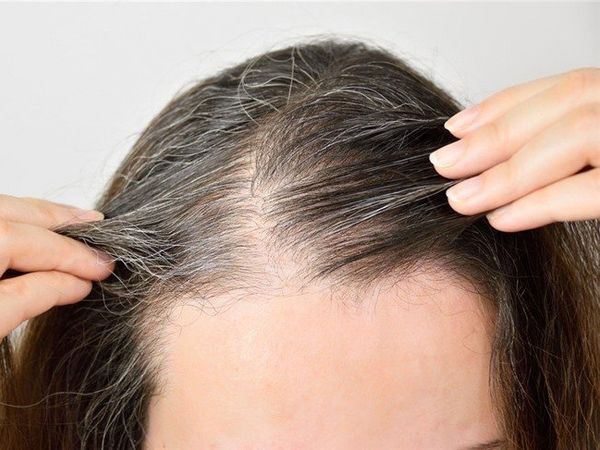
  • Hair adds to the aesthetics of the human body and everyone wishes for healthy and glowing hair. The common problem of grey hair is experienced people of all age groups. Contrary to the common notion, it is not a problem that is restricted to old age.
  • Although age is a factor, several other factors also contribute to the development of grey hair. According to studies, loss of pigmentation (melanin) is a common explanation for grey hair.

    Factors affecting premature greying of hair

    Some commonly affecting factors of premature greying of hair are as follows:
    • Genetics: Genes are a major contributor to how the human body manifests itself in the journey of life. Greying of hair highly depends on the genes so if you look around and see people in your family with grey hair, you’re more likely to get it later or sooner in life.
    • Lifestyle: Several lifestyle factors such as smoking and constant stressful routine may contribute to the problem of premature greying of hair.
    • Unhealthy diet: Consumption of an unhealthy diet may lead to nutrient deficiency in the body. Several studies have backed this claim such as the study published in the International Journal of Trichology titled “Epidemiological and Investigative Study of Premature Graying of Hair in Higher Secondary and Pre-University School Children”.

    Ways to tackle premature greying of hair

    Here are some ways in which you can tackle the problem of premature greying of hair:
    1. Quit smoking: According to a study published in the Indian Dermatology Online Journal titled “Smokers’ hair: Does smoking cause premature hair graying?”, smoking can lead to premature greying of hair. Avoid smoking as it can also cause other health issues such as bone problems, cardiovascular diseases, and fertility issues.
    2. Eat well: Consume a diet rich in vitamins, omega-3, calcium, and other essential nutrients to ensure proper nutrition. Don’t skip meals and avoid excessive consumption of sugar and processed foods.
    3. Treat your hair well: Take care of your hair and treat them well by oiling, combing, and washing them at regular intervals. Massage your scalp for better circulation and hair health and strength. Furthermore, protect your hair from environmental pollution as it can damage the hair severely.
    4. Burst your stress: Studies such as the study published in the Nature journal called “Hyperactivation of sympathetic nerves drives depletion of melanocyte stem cells” states stress as a cause of hair greying. Practice stress-busting methods for healthier hair and happier life.
    5. Ditch the chemicals: Constant use of chemicals present in hair products can damage hair over time. Choose your hair care products carefully and go for safer home remedies for healthier hair.
Disclaimer: Tips and suggestions mentioned in the article are for general information purpose only and should not be construed as professional medical advice. Always consult your doctor or a dietician before starting any fitness programme or making any changes to your diet.