Flights between UK and India set to resume today, strict guidelines in place

KEY STORY

  • New Delhi: The Centre is all set to resume flights between the United Kingdom (UK) and India which were closed since the last week of December amid concerns over the ‘highly infectious’ new mutated strain of coronavirus that was first found in the UK.
  • As per the health ministry guidelines, passengers travelling from the UK to India from January 8 to 31 will now be subjected to mandatory self-paid RT-PCR test at the airport. The cost of RT-PCR test for passengers arriving from the UK will be Rs 3,400 per person.
  • On Wednesday (January 6), the first Air India flight for the UK left Delhi’s Indira Gandhi International (IGI) airport with 252 passengers. Another flight from Mumbai left for London on Wednesday evening.
  • Around 491 passengers have flown out of the country in these two flights. Both the Air India flights are likely to return today to their base in Delhi and in Mumbai, and these will be the first flights coming to India from the UK since midnight of 23rd December 2020. On January 8, one Air India flight will fly from Mumbai to London Heathrow and another return flight has also been announced.
  • The Centre has laid down strict procedures that the incoming passengers are needed to follow upon their arrival. In a set of standard operating procedures (SOP), the health ministry said all the incoming passengers from the UK will require declaring their travel history of the past 14 days.
  • The IGI airport passenger advisory mentioned that passengers are advised to maintain a gap of minimum of 10 hours between their international flight’s estimated time of arrival and the connecting domestic flight’s time of departure.

CONCLUSION

  • It is worth noting that flight services between the two nations were suspended on December 23 in the wake of reports of the virus reported from the UK and the government put in place a preventive strategy to detect and contain the mutant variant.
  • Earlier, Civil Aviation Minister Hardeep Puri had said that only 30 flights per week will operate between India and the UK when services resume from January 8, adding that the arrangement will continue till January 23.
    “Resumption of flights between India and UK: India to UK from 6 Jan 2021. UK to India from 8 Jan 2021. 30 flights will operate every week. 15 each by Indian and UK carriers. This schedule is valid till 23 Jan 2021. Further frequency will be determined after review,” the minister had tweeted earlier.
  • Meanwhile, on Thursday, Delhi Chief Minister Arvind Kejriwal urged the Centre to extend the travel ban to Britain till January 31 in order to curb the spread of Covid-19 strain that has reportedly infected more than 70 UK returnees to India.

India begins second national dry run of Covid vaccination; Harsh Vardhan says inoculation to start in few days

KEY STORY

  • New Delhi: In a bid to assess its preparedness, the second dry run for the rollout of coronavirus vaccination began on Friday in all districts across the country – except Uttar Pradesh and Haryana.

Covid vaccine dry run

  • Union Health Minister Dr Harsh Vardhan today visited Rajiv Gandhi Government General Hospital in Chennai to review the dry run for administering the Covid-19 vaccine.
  • Speaking at a press briefing, Vardhan said the government has ensured that every detail is conveyed to the people from the national level to the grassroots level. “Lakhs of healthcare workers trained and the process continues,” he added. Tamil Nadu Health Minister Dr C Vijayabaskar was also present.
  • Vardhan praised the Tamil Nadu government for its efforts to contain the virus spread in the state. “I chose to be in Tamil Nadu today and I would like to place on record my appreciation for the govt of Tamil Nadu. Initially, we were worried about many states, including Tamil Nadu. But now it has managed to do well,” he said.

  • The Union health minister further stated that the country has done well by developing vaccines in a short time and the inoculation will stay in the next few days.
  • The government will give priority to people who are at high risk – health care workers and front line workers. “In the next stage, we will take up people aged above 50,” he said.
“In a short time, India has done well by developing vaccines. In the next few days, in the near future, we should be able to give these vaccines to our countrymen. It will be given to our healthcare professional followed by frontline workers,” he said.
“On January 2nd, we did a dry run in almost 125 districts in the country and today, we are doing it across the country expect the three states who did it earlier,” he added.

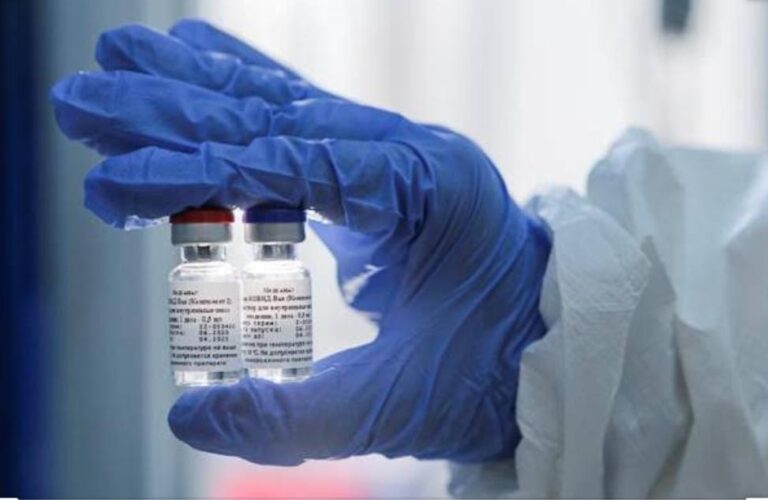
  • India’s drugs regulator had on Sunday approved Oxford-AstraZeneca’s Covishield and the indigenously developed Covaxin of Bharat Biotech for restricted emergency use in the country.
  • However, the opposition including Congress and other regional parties questioned the approval asking why the Centre was in a hurry to give a nod to Bharat Biotech’s COVID-19 vaccine without phase-3 trials.

India’s preparedness

Dr Harsh Vardhan also talked about India’s preparedness to cope up with the Covid-19 pandemic and the pro-active approach by Prime Minister Narendra Modi.

“In a country as a vast as India, everything is done smoothly and meticulously without any glitches. We started the preparation for the impending vaccination drive 4-5 months back. The Prime Minister had constituted an expert group for vaccine administration,” he said.

Bird flu: Kerala poultry vehicles banned in Dakshina Kannada district

KEY STORY

  • After confirmed cases of bird flu were reported in Kottayam and Alappuzha in Kerala, the Dakshina Kannada district administration on Thursday banned the entry of vehicles carrying poultry and related products into the district.

Bird Flu

  • The order also stated that all vehicles carrying poultry products from Karnataka to Kerala and Kerala vehicles coming to the state for poultry products will be sprayed with disinfectants at the inter-state borders. Vehicles that are not clean will be sent back.
  • The departments of Health and Animal Husbandry are keeping a close watch on bird sanctuaries, water storage units and poultry farms in Dakshina Kannada district. Owners of poultry farms have been asked to maintain cleanliness and avoid unnecessary movement of people near the farms.
  • They have been asked to immediately inform the veterinary department in case they see unnatural deaths of poultry and symptoms of bird flu. Measures have also been taken to spray disinfectants on vehicles that visit poultry farms and railway brake vans that transport poultry products.

    Crows found dead, sent for testing

  • Six crows were found dead in Manjanadi near Deralakatte in Mangaluru city on Tuesday and Wednesday. On Thursday morning, viscera samples of the crows were sent for testing to a laboratory in Bengaluru.
  • Deputy Commissioner K V Rajendra said they were not sure as to whether the crows died due to poisoning or due to some other reason. He said the samples were sent for testing as they did not want to take any chances in view the bird flu. He added that the results were expected on Friday.

Dial 1962, report cow slaughter: Minister

KEY STORY

  • BENGALURU: Two days after issuing the Karnataka Prevention of Slaughter and Preservation of Cattle Ordinance — 2020, Animal Husbandry Minister Prabhu Chavan appealed to people to dial 1962 if they come across any cow slaughter cases in their villages.

  • He is also travelling across the state appealing to farmers to leave their cows in their goshalas. In a release, the minister said if people save cows from culling, the government will support them.
  • He also said people can lodge complaints at the nearest police station or inform Animal Husbandry Department officials.
“We have Pashu Sanjeevini helpline (1962). People can call there and complaint. They will in turn inform the police station concerned,’’ he said. On illegal transportation and slaughter of cows, officials has been given more power to rescue and levy huge penalty on them along with imprisonment in the ordinance. It is applicable from Wednesday. Officials are directed to handover rescued cows to goshalas. Chavan said, “We are planning to start one goshala per taluk, both private and government.”

WhatsApp to share your data with Facebook: What you need to know

WhatsApp

KEY HIGHLIGHTS

  • WhatsApp users have started receiving pop-up notification for the update
  • The new terms and policies will be effective starting February 8, 2021
WhatsApp has updated its privacy policy globally and made it mandatory for users to either accept the terms and conditions or delete their account. The update has been released to both Android and iOS users in India, so if you haven’t yet got an in-app notification, you are likely to receive it soon.
The new policy includes information about WhatsApp’s services and how the company process user’s data. It also sheds light on how WhatsApp uses Facebook hosted services to store and manage chats on the platform.
But, the biggest highlight of the update is that WhatsApp will now share its user’s data with Facebook and other third-party services that are integrated with its services for content suggestions and ads.

WhatsApp terms and conditions 2021

WhatsApp receives and collects the user’s information to operate, provide, improve, customise, support, and market its services.
The company says, “When you or others use third-party services or other Facebook Company Products that are integrated with our Services, those third-party services may receive information about what you or others share with them. For example, if you use a data backup service integrated with our Services (like iCloud or Google Drive), they will receive information you share with them, such as your WhatsApp messages.”
WhatsApp further notes, “if you interact with a third-party service or another Facebook Company Product linked through our Services, such as when you use the in-app player to play content from a third-party platform, information about you, like your IP address and the fact that you are a WhatsApp user, may be provided to such third party or Facebook Company Product.”

These new terms and policies will be effective starting February 8, 2021, and to continue using the app, users will have to accept them. If you would like to get more information on this, you can head to its Help Center.

5 ways to prevent seasonal depression

Seasonal depression

The long, dark days of winter can have a depressing effect on some people. And what you may mistake as the “winter blues,” can actually be a more serious condition known as seasonal affective disorder (SAD). SAD is a form of depression that occurs in the winter when there is less natural sunlight.
“Sunlight regulates a lot of things in our body, like our moods, our internal clock, our eating patterns and even our sleeping patterns,” says Dennis Buttimer, a facilitator at Thomas F. Chapman Family Cancer Wellness at Piedmont. “When there is less sunlight, there is a drop in various hormones in the brain, like serotonin. And this actually causes some people to fall into a clinical depression.”
People suffering from SAD may feel anxious, irritable, have difficulty concentrating, and may lose interest in activities they usually enjoy.
To prevent the onset of seasonal depression, Buttimer offers the following tips:
1. Exercise. Exercise helps you feel better because it increases dopamine levels in the brain. Dopamine is a neurotransmitter that promotes feelings of pleasure and excitement. Take a walk outside for 30 minutes or enroll in an aerobics class. Anything you can do to stay active will improve your mood and overall well-being.
2. Go outside. “Being outside in nature is helpful because of the absorption of oxygen,” says Buttimer. “Try to expose yourself to at least five to 10 minutes of natural sunlight a day.”
Expose to sunlight may also help boost serotonin, a “feel good” hormone produced in the brain.
If it’s too cold to go outside, you can purchase a light therapy box for your home. Light therapy boxes mimic natural sunlight and can be placed in your home or workspace.
3. Reach out to friends. Spend time with loved ones or talk to them about how you are feeling. Friends and family can be a powerful source of support.
4. Eat a balanced diet. When people are down, they have a tendency to lean towards carbs, says Buttimer. It’s important to incorporate a variety of foods into your diet that build brain power, allowing you to improve your mood. Try foods rich in omega 3 fats, like salmon or walnuts. You can also eat foods with high levels of tryptophan, like lean chicken, spinach, bananas and eggs.
5. Drink more water. “People really underestimate the value of hydration,” says Buttimer. “If you get enough water it helps you sleep better, it helps your joints feel better, and it aids with digestion. It also helps to hydrate your brain.”

Seeking professional help

If these techniques don’t work, and you’re still feeling down during the winter months, please contact your doctor. SAD can be treated with phototherapy, antidepressants or talk therapy. Your doctor can help you determine the right approach for your needs.

Sonu Sood Turned Residential Building Into Hotel, Alleges Mumbai Civic Body

Sonu Sood Turned Residential Building Into Hotel, Alleges Mumbai Civic Body

STORY HIGHLIGHTS

  • Actor Sonu Sood has been accused of illegally converting a residential building in Mumbai’s upscale Juhu into a hotel by Mumbai’s civic body BMC, which has also filed a police complaint.
  • The actor had offered the same six-storey building for quarantine facilities for medical professionals at the beginning of the coronavirus lockdown last year.
  • Following the complaint by the BMC or Brihanmumbai Municipal Corporation, the police said they would investigate the case and take necessary steps.
  • Sonu Sood is yet to comment on the allegation.
  • A BJP leader reacted to the complaint and alleged that the BMC and the Maharashtra government are targeting Sonu Sood after another actor, Kangana Ranaut.
  • Ram Kadam said Mr Sood’s humanitarian work during the coronavirus pandemic did not go down well with the Shiv Sena-led government and so they were targeting him.
  • “Another vendetta politics by Shiv Sena? This complaint against social worker and actor Sonu Sood seems politically motivated. We saw how this Maharashtra government attacked and targeted Kangana Ranaut. Shiv Sena was always against Sonu Sood’s humanitarian work,” Mr Kadam tweeted.
  • “How many people’s voices are you going to suppress?” he tweeted in Hindi.
  • Sonu Sood was hailed as a hero after he helped a large number of migrants return home during the lockdown by hiring buses from Mumbai and other parts of Maharashtra.
  • The 47-year-old actor, who was widely praised and later received several awards for his efforts during the pandemic, had even launched a toll-free helpline number to help those who needed assistance.
  • On September 9, the BMC demolished parts of Kangana Ranaut’s bungalow in the Pali Hill area for alleged “unauthorised” construction. This came soon after her comments on Twitter where she compared the city to “PoK” while criticizing the Mumbai police’s handling of the Sushant Singh Rajput case. She moved the High Court against the demolition.
  • The high court later termed the BMC’s action as illegal and malicious.

Watch: Mohammed Siraj breaks down in tears as SCG roars with India’s national anthem at start of third Test

KEY STORY

  • Hearing the national anthem of your country play inside a stadium right before the start of a sporting contest does bring immense joy to the heart.

Watch: Siraj gets emotional during India's national anthem

  • Over the years, fans have seen many incidents involving sportspersons showing their passionate sides while singing national anthems.
  • On Day 1 of the third Test between India and Australia, Indian pacer Mohammed Siraj showed how much playing for his country really meant for him as he broke while India’s national anthem was being played.
  • The Indian cricket team arrived at the Sydney Cricket Ground after a resounding 8-wicket victory at the Boxing Day Test in Melbourne.
  • The tour has been a see-saw battle between the two sides right from the first ODI. While Australia won the ODI series, India came on top in the T20Is. After the first two Tests, the scores are tied 1-1.
  • Siraj, who made a memorable debut in the longest format of the game for India in Melbourne, arrived in Sydney hoping to continue the same level of performance, stood in the middle of the stadium shoulder-to-shoulder with his teammates.
  • As the national anthem started to play in the mesmerizing MCG, Siraj seems to have gotten emotional.
  • Soon, tears rolled down his cheeks which Siraj casually wiped away. The video of the incident was captured on cameras and even Cricket Australia shared it on social media. That was just the start, as soon after, fans also started sharing clips of Siraj breaking down into tears on social media platforms, highlighting how passionate the speedster is for the game and his country.

  • It has been an emotional series for Siraj who lost his father during the course of the series. The pace bowler decided to stay for the entire length of the series and not head home for the last rites of his father. He soon went on to earn his maiden Test cap and turn his father’s dream into a reality.

    Siraj draws first blood

  • After taking 5 wickets in the second Test against Australia, Siraj continued his form in the third Test. The pacer bagged the big wicket of David Warner in only the 4th over of the innings, getting the Aussie caught in slips. Warner’s dismissal was India’s only triumph before rain interrupted the proceedings at the venue.

Ahead of nationwide dry run, first batch of COVID-19 vaccine to reach Delhi tonight

KEY STORY

  • New Delhi: The first batch of coronavirus vaccine is slated to reach New Delhi from Pune by Thursday night. The vaccine is slated to be delivered ahead of the second dry run on January 8 and the proposed kickstart of the vaccination program by January 13.
  • Earlier today, Union Health Minister Harsh Vardhan sought personal attention of state health ministers and additional chief secretaries to oversee the second dry run on January 8.
  • The drill will take place across 736 districts in 33 states and union territories. The Health Minister interacted with state health ministers and principal secretaries of states via video conferencing.
    “The objective of the mock drill on COVID-19 vaccination is to simulate the actual vaccine administration event… This activity will help administrators in strengthening the linkages between planning, implementation and reporting mechanisms, identification of any residual challenges prior to the actual implementation and to provide confidence to the programme managers at all levels to carry out a smooth implementation of the vaccination drive,” the ministry said.

    Ensure the flow of ‘right information’: Health Minister tells states

  • The Health Minister also rubbished rumours regarding side-effects of the vaccine and urged the state departments to ensure delivery of the right information.
  • Earlier this week, the Drug Controller General of India (DCGI) accorded approval to two COVID-19 vaccines COVAXIN by Bharat Biotech and Covisheild by Serum Institute of India. Certain political parties, as well as a section of researchers, criticised the move to give a green signal to COVAXIN without phase-3 trials.
  • The government, as well as Bharat Biotech, have rubbished the claims and said that the vaccine is 100 per cent safe.
  • Meanwhile, Harsh Vardhan will visit Tamil Nadu to oversee the dry run on January 8. He will visit Apollo Hospital, Chennai after a brief visit to the General Medical Store Depot (GMSD) in Periamedu.

Hearing in Delhi HC over plea challenging Rs 500 fine for not wearing mask when driving alone

KEY STORY

  • New Delhi: The Delhi High Court will today resume hearing on a plea challenging a Rs 500 challan issued to a petitioner by Delhi Police for not wearing a mask while driving alone.
  • The petition argued that the police officer issuing the challan failed to provide any executive order that makes it mandatory for a person travelling alone in a private vehicle to wear a mask.

Delhi high court hearing over mask fine

  • During the earlier hearing, the Delhi govt clarified that wearing masks while driving was mandatory and the April 4, 2020 order remains in force.
  • However, the petitioner argued that after the April 4 order of the Delhi Disaster Management Authority, a press conference was organized by the union health minister in which it was said that people driving alone in the car are not required to wear a mask.
  • The court had asked the govt to put on record its final stance.
  • The petition has sought quashing of the challan, refund of the Rs 500 paid as fine and compensation of Rs 10 lakh for mental harassment suffered by the petitioner.

Tracking bird flu spread in India: All you need to know

KEY STORY

How does the bird flu spread?


  • Many birds are infected without a visible sickness and shed it in their droppings. Various birds excrete while flying, thus providing a gateway of air transmission of flu.

Representational Image

  • Ducks and Geese are central players in the ecology of this virus, who also migrate long distances, further accelerating the spread to terrestrial birds.
  • Movement of infected poultry and migratory birds, and an illegal bird trade are believed to be the causes of the spread. The virus is sensitive to heat and dies in cooking temperatures.
    What are the two strains of the avian flu?
  • First is the H5N1 strain – one that causes severe respiratory disease in birds. Human transmission is occasional, but it was in 1997 where humans contracted the flu following an outbreak in Hong Kong. 6 out of 18 died of the disease.
  • According to WHO, the mortality rate is around 60% when people get infected. WHO also believes to have found no evidence of this strain to spread through prepared and cooked poultry food.
  • The second strain is named as H5N8 – it is a subtype of H5N1. This is highly lethal to wild birds and poultry. One of the less pathogenic types for humans and poses only a low risk to people.
  • Meanwhile, several states in India have sounded an alert to contain the H5N8 strain of bird flu and sent samples for testing. 12 epicentres have been identified in Rajasthan, Madhya Pradesh, Himachal Pradesh and Kerala.
  • 15 districts are affected with H5N8 strain in Rajasthan, most cases in districts of Jhalawar followed by Kota, Baran and Jaipur. In Kerala, districts of Alapuzha and Kottayam are the most affected. Mass culling of birds has begun.
  • In Madhya Pradesh, 10 districts have been identified including those of Indore and Malwa. In Himachal Pradesh, Kangra district is the epicentre with grounds laden with bird carcasses.
  • Meanwhile, Centre has taken note of the spread and asked the states to constitute state-level monitoring committees to monitor the flu.
  • State veterinary departments have been told that the collection of samples of dead birds should be handled with utmost caution and scientific supervision, surveillance should not be restricted to the protected areas alone, but to all wetlands and habitats that host migratory birds.
    Are eggs, chicken safe to eat amid bird flu?
  • According to the World Health Organization, Chicken and other poultry are safe to eat if cooked properly. However, no birds from flocks with the disease should enter the food chain.
  • WHO recommends cooking of poultry at or above 70°Celsius throughout the product, so that absolutely no meat remains raw and red
  • WHO also believes to have found no evidence of consumers being exposed to the virus via the handling or consumption of

Bird flu scare in Karnataka as 6 crows found dead in district bordering Kerala; samples sent for testing

KEY STORY

  • Amid the bird flu (H5N8) outbreak in Kerala, six crows have died in the border district of Dakshina Kannada in Karnataka and their samples had been sent for tests to ascertain the cause of death, health minister K Sudhakar said on Thursday.
  • Necessary precautionary measures have been taken in all districts sharing borders with Kerala to prevent bird flu, he said, adding there was no need for any worry.
  • “Six crows have died in Dakshina Kannada district and their samples have been sent for testing. Officials of the Health and Animal Husbandry department will get the test reports,” Sudhakar told reporters here.
  • He said health and veterinary sciences officials have been maintaining a strict vigil in the border districts including Dakshina Kannada, Kodagu, Mysuru and Chamarajanagar.
    “Once we get the report based on it, we will discuss it with the union health ministry and come out with guidelines and necessary action… people need not worry but maintain caution,” he said. The central health ministry has asked non-vegetarians to eat properly cooked meat, the minister added.

CONCLUSION

  • Karnataka Animal Husbandry minister Prabhu Chauhan on Wednesday had asked all districts to be on ‘high alert’ and take preventive measures but said there were no cases of bird flu reported in the state so far.
  • Bird flu has been reported in parts of Alappuzha and Kottayam districts in Kerala, prompting officials to cull over 69,000 birds, including ducks and chicken.

Yellow alert in Karnataka for next 2 days with forecast of heavy rains

KEY STORY

  • Karnataka government on Thursday issued a yellow alert in various districts including Dakshina Kannada, Uttara Kannada, Udupi, Chikkamagaluru, Hassan, Kodagu and Shivamogga for the next two days.

Rain in Karnataka: Yellow alert in Karnataka for next 2 days with forecast  of heavy rains | Bengaluru News - Times of India

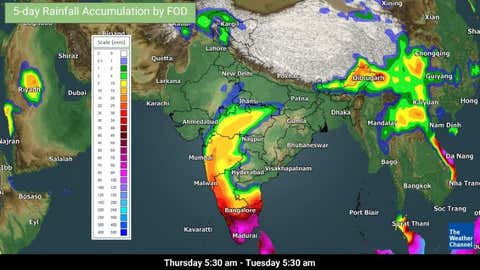
  • Most districts of Karnataka are likely to receive fairly heavy to moderate rains at isolated places during next 48 hours.
  • The rains are due to cyclonic circulation over central part of Arabian sea and southern part of Bay of Bengal.
  • As for the northeast, a cyclonic circulation in Northeastern India will trigger light snow mixed in with rain over Arunachal Pradesh. This system is not very active, but is expected to persist during the remainder of this week and into next week.
  • Easterly winds from the Bay of Bengal will produce widespread rainfall and thunderstorms across Tamil Nadu, Kerala, and the adjoining regions.
  • It is likely to persist during the remainder of this week and into next week, with a few heavy spells and thunderstorms expected, too. A rain total of 50-100 mm is likely across Tamil Nadu and Kerala for the next five days.
  • A trough will be formed from central parts of south Arabian Sea to northern Maharashtra. It is likely to produce rainfall and thunderstorms across the Konkan coast, also involving inland Maharashtra, from Thursday to Friday, leaving some remnants on Saturday.
  • Maximum temperatures will tend to be cooler than normal across Punjab plains to Rajasthan during this forecast period.
  • A warmer trend in the overnight minimums across Delhi and the NCR is expected to gradually drop to normal as we head into next week

2-Day Regional Forecast

Thursday

  • Scattered rain and thunderstorms are likely over Tamil Nadu, Kerala, Karnataka, Goa, Maharashtra, and Lakshadweep.
  • Isolated heavy falls are possible in northern Karnataka and Goa, whereas isolated rain and thunderstorms are possible over Andhra Pradesh, Telangana, Madhya Pradesh, and Andaman & Nicobar Islands.
  • Isolated rain/snow and thunderstorms is expected over Ladakh, Jammu & Kashmir, and Arunachal Pradesh.
  • Dense fog is very likely at isolated places over Northern and Central India.

Friday

  • Scattered rain and thunderstorms are likely over Tamil Nadu, Kerala, Karnataka, Goa, Maharashtra, Madhya Pradesh, Andaman & Nicobar Islands, and Lakshadweep.
  • Isolated rain and thunderstorms are possible over Andhra Pradesh, Telangana, Rajasthan, and Uttar Pradesh.
  • Isolated rain/snow and thunderstorms are expected over Ladakh, Jammu & Kashmir, and Arunachal Pradesh.
  • Dense fog is very likely at isolated places over Northern and Central India.

Second vaccine dry run in all 30 districts of Karnataka

KEY STORY

  • BENGALURU: The second countrywide dry run of the immunisation against Covid will held on January 8, and in Karnataka it will be held in 180 sites across all districts of the state.The first mock vaccine drive was held on January 2 in five districts – Bengaluru, Kalaburagi, Shivamogga, Mysuru and Belagavi.
  • But this time, it will be carried out in 6 centres in each of the state’s 30 districts, and will cover district hospitals, medical college hospital  (government and private), Urban Primary Health Centres, taluk hospitals, Primary Health Centres, Community Health Centres, and private hospitals.
    “The dry run will be held in 5-6 centres per district, with 25 health care workers, that is, beneficiaries, receiving the vaccine. Private facilities with more than 100 beneficiaries will also be roped in this time.
  • Last time during the dry run, we had issues of space, software and network issues in the Co-WIN portal. This time we want to sort that out,” said Dr Arundhathi Chandrashekar, Mission Director, National Health Mission (NHM).
  • The dry run will involve everything except the vaccine itself. The exercise will familiarise health workers with the process which will use existing infrastructure but along with the Co-WIN portal through onto which information about beneficiaries, site details, verification of documents etc will be uploaded. Also, Covid protocol will be in place, and beneficiaries are to be monitored for half an hour for adverse reactions before they leave.
  • Commissioner for Health and Family Welfare, Pankaj Kumar Pandey, said that the government was informed of the challenges faced during the previous dry run, and the Centre is now looking into it.
CONCLUSION
  • “Following the Centre’s instructions, the dry run will be carried out on a larger scale this time. It will help us understand the challenges faced at a larger scale. It will also test the use of the Co-WIN platform (to roll out and scale up vaccination),” he said.
  • The Union Minister for Health has called a meeting of his counterparts in the states on January 7 to discuss the dry run.Rajani Nageshrao, Deputy Director for Immunisation, said the mock drill is expected last two hours.
  • A health officer said, “It will build confidence in programme managers. During the first dry run they were some problems. Many beneficiaries turned up late, and some did not turn up. This time they will be informed well in advance.”

‘DO NOT download’: Health Ministry issues fake CoWIN app alert; says official platform to launch soon

KEY STORY

  • New Delhi: As India prepares to roll out one of the biggest COVID-19 vaccination programmes across the world, the Union Ministry of Health and Family Welfare has issued a warning regarding unscrupulous elements misusing the CoWIN platform to cheat people.

CoWIN fake apps

  • India has developed a digital platform named CoWIN to roll out and track COVID-19 vaccine distribution across the country. While the platform is yet to be officially launched, some applications on mobile platforms have already cropped up with similar names.
  • The health ministry has warned against using such fake mobile apps or platforms which can steal personal information and may cause financial losses.
    “Some apps named ‘#CoWIN’ apparently created by unscrupulous elements to sound similar to upcoming official platform of Government, are on Appstores. DO NOT download or share personal information on these. #MoHFW Official platform will be adequately publicised on its launch,” the ministry said on its official Twitter handle.

  • The advisory has come weeks after the government announced a contest to strengthen the CoWIN digital platform.
  • An official statement had said that the contest is being jointly run by the Ministry of Health and Family Welfare and the Ministry of Electronics and IT.

CONCLUSION

  • IT companies and start-ups were invited as part of the contest to provide technical solutions to address issues of portability, transportation, queue management, reporting and monitoring mechanism for any adverse event following immunization.
    “India’s innovators have played a crucial role in our fight against Covid-19. I invite innovators and start-ups for a grand challenge to strengthen CoWIN platform for rollout of Covid-19 vaccination program across India,” IT Minister Ravi Shankar Prasad had said.
  • PM Narendra Modi had last month announced that his government will tap into mobile technology to carry out mass inoculation against the coronavirus pandemic, which has claimed more than 1.5 lakh lives across India and infected more than a crore people.

Ahead of COVID-19 vaccine roll out, second dry run on January 8 in all districts of country

KEY STORY

  • New Delhi: Ahead of COVID-19 vaccine roll-out, the second dry run of the program will take place on January 8 in all districts of the country, the government said on Wednesday. Previously, a dry run for COVID-19 vaccination was conducted by all state and union territories on January 2.


Breaking News

  • According to the Ministry of Health and Family Welfare (MoHFW), the objective of the dry run for COVID-19 vaccine program is to “assess operational feasibility in the use of COVID Vaccine Intelligence Network (Co-WIN) application in a field environment, to test the linkages between planning and implementation and to identify the challenges and guide the way forward prior to actual implementation”.


  • The Centre had conducted a dry-run on December 28-29 in Assam, Andhra Pradesh, Punjab and Gujarat.
  • The first countrywide dry run witnessed a trial of the immunisation process which involved testing the transportation of vaccines from storage to site, administering them to candidates and uploading the data on CoWIN app.
  • The dry-run involves carrying out the process without the actual use of the medicine.

    Government ready to roll out vaccine in 10 days


  • On Sunday, the Drug Controller General of India (DCGI) gave a go-ahead for two vaccines for COVID-19, namely Covaxin by Bharat Biotech and Covishield by Pune-based Serum Institute of India.
  • While the opposition parties and researchers criticised the move for emergency approval to Covaxin without phase-3 trials, Bharat Biotech clarified that the medicine was 100 per cent safe.
  • Earlier this week, the government said that it would be in a position to roll out the medicine within 10 days of approval. “We conducted the dry run in 286 session sites and examined the operationalization of SOPs and protocols. On the basis of this exercise, we are prepared for a rollout of the Covid-19 vaccine within 10 days from the date of Emergency Use Authorization granted by the regulator,” Health secretary Rajesh Bhushan said.

Rohit Sharma returns, Navdeep Saini to debut as India announce playing XI for 3rd Test against Australia

KEY STORY

  • India have announced their playing XI for the third Test against Australia which will get underway from Thursday (January 07) at the Sydney Cricket Ground (SCG) in Sydney, Newly-appointed Test vice-captain Rohit Sharma makes his comeback from injury and is all set to open the innings with young Shubman Gill.

India announce playing XI for 3rd Test

  • Rohit has been included in the side at the expense of Mayank Agarwal, who struggled to score runs in the first two Tests.
  • Stand-in skipper Ajinkya Rahane will continue to lead the side in Virat Kohli’s absence and look to inspire India to another dominant win after handing Australia an 8-wicket thrashing in the second Test to level the series 1-1. While Rohit’s addition to the top-order comes as a boost for the visitors, Navdeep Saini has been named a replacement for injured Umesh Yadav.
  • Saini was locked in a battle with Shardul Thakur and T Natarajan for the third pacer’s slot and eventually got the nod. He will be partnering with Jasprit Bumrah and Mohammed Siraj in the pace attack.
  • Siraj had impressed on his debut in the second Test and returned with five wickets. He will be looking to continue his impressive run in the third Test with India missing as many as three senior pacers.

  • Rahane will continue to bat at the number 4 slot in Kohli’s absence and will be looking to continue his fine form after notching up a match-winning century in the Melbourne clash. Hanuma Vihari has been persisted with IN the middle-order while Rishabh Pant will continue to keep the wickets for the visitors.
  • In the pace attack, the onus will be on Bumrah to shoulder the wicket-taking responsibilities and guide the likes of Saini and Siraj. In the spin department, R Ashwin will pair up with Ravindra Jadeja and the duo will be looking to make the most of the spin-friendly conditions in Sydney.
  • The series is currently locked at 1-1 with both the teams managing a win each. The third Test will be a crucial one for both teams as the fate of the series will be one the line.

India’s playing XI for 3rd Test:

Ajinkya Rahane, Rohit Sharma, Shubman Gill, Cheteshwar Pujara, Hanuma Vihari, Rishabh Pant Ravindra Jadeja, R Ashwin, Jasprit Bumrah, Mohammed Siraj, Navdeep Saini

Govt issues guidelines to states to prevent bird flu spread in 4 states, sets up control room in Delhi

KEY STORY

  • New Delhi: The Ministry of Fisheries, Animal Husbandry and Dairying on Wednesday gave the status of avian influenza (AI) in the country, informing that the viruses have been circulating worldwide for centuries with four known major outbreaks recorded in the last century.


Govt issues guidelines to states to prevent bird flu spread

  • As per the ministry’s press release: “India notified the first outbreak of avian influenza in 2006. Infection in humans is not yet reported in India though the disease is zoonotic. There is no direct evidence that AI viruses can be transmitted to humans via the consumption of contaminated poultry products.Implementing management practices that incorporate biosecurity principles, personal hygiene, and cleaning and disinfection protocols, as well as cooking and processing standards, are effective means of controlling the spread of the AI viruses.”
  • In India, the disease spreads mainly by migratory birds coming into India during winter months i.e. from September – October to February – March. The ministry also said that the secondary spread by human handling (through fomites) cannot be ruled out.
    “In view of a threat of global outbreak of AI, the Department of Animal Husbandry and Dairying (DAHD), Government of India had prepared an action plan in 2005 which was revised in 2006, 2012, 2015 and 2021 for the guidance of state government for prevention, control and containment of avian influenza in the country.
    Following post-operation surveillance plan (POSP) after completion of avian influenza outbreak control in 2020 and containment operation at different epicenters, the country freedom from AI was declared w.e.f. 30th September 2020.”

    Periodic advisories issued to states/UTs


  • Following experience from the reports of the disease in winter season, the government has been issuing periodic advisories to all states/UTs before the commencement of winter for keeping necessary vigil, enhancing surveillance, keeping strategic reserves of supplies (PPE kits, etc.), preparedness to handle eventualities and IEC for public awareness.
    Other support provided by the Department to the States/UTs include:
    • Technical support from referral lab i.e. ICAR-NIHSAD, Bhopal
    • Funding support to states/UTs to undertake culling and compensation
    • Funding to states under ASCAD scheme
    • Training of veterinary work force
    • Support for strengthening RDDLs/ CDDL
    • The last preparatory advisory/ communication was issued to all States/UTs on 22.10.2020.

    Present outbreak in 4 states

    After confirmation of positive samples from ICAR-NIHSAD, AI has been reported from the following States (at 12 epicentres) –
    Rajasthan(crow) – Baran, Kota, Jhalawar
    Madhya Pradesh(crow) – Mandsaur, Indore, Malwa
    Himachal Pradesh (migratory birds) – Kangra
    Kerala (poultry-duck) –  Kottayam, Allapuzha (4 epicentres)

    Govt measures to control Bird Flu


  • The Department of Animal Husbandry and Dairying has set up a control room in New Delhi to keep watch on the situation and to take stock on a daily basis of preventive and control measures undertaken by state authorities.


  • The government has issued an advisory each to Rajasthan and MP on January 1, 2021, so as to avoid further spread of the infection. “As per the information received from Madhya Pradesh and Rajasthan control measures is being taken as per the guidelines of National Action Plan of Avian Influenza. Another advisory has been issued on 5th January, 2021 to HP where the state has been advised to take measures so as to avoid further spread of disease to poultry. As per the report received, Kerala has already initiated control and containment operations from 05.01.2021 at epicentres and culling process is in operation.”


  • “The measures suggested to the affected states to contain the disease and prevent further spread as per the Action Plan on Avian Influenza include strengthening the biosecurity of poultry farms, disinfection of affected areas, proper disposal of dead birds/carcasses, timely collection and submission of samples for confirmation and further surveillance, intensification of surveillance plan as well as the general guidelines for prevention of disease spread from affected birds to poultry and human.
  • Coordination with forest department for reporting any unusual mortality of birds was also suggested to the States. The other states were also requested to keep a vigil on any unusual mortality amongst birds and to report immediately to take necessary measures.”

Karnataka Clears Ordinance To Stop Killing Of Cattle

KEY STORY

  • Bengaluru: Karnataka’s ordinance to stop killing of cattle came into effect from today after the governor cleared it. The ordinance clears the way to punish people for killing cattle and protects those “acting in good faith” to save them. A bill on this is yet to be cleared by the legislative council.

Karnataka clears ordinance to stop killing of cattle – News Live Odisha

  • Those found guilty of cattle slaughter can be jailed from three to seven years, with a fine between ₹ 50,000 and ₹ 5 lakh. A person found guilty of cattle slaughter for a second time will be jailed for seven years and fined ₹ 1 lakh and ₹ 10 lakh.
  • However, slaughter is allowed for those dealing in meat of buffaloes above 13 years old, only if certified by a competent authority. There is also exemption for slaughtering terminally ill cattle, cattle suffering from contagious diseases or those that went through medical procedures for research purposes.
  • Offering protection for “persons acting in good faith”, the ordinance says no lawsuit, prosecution or other legal proceedings can be launched against the competent authority or any person using powers under this ordinance.

CONCLUSION

  • The BJP government led by Chief Minister BS Yediyurappa took the ordinance route after the Karnataka Prevention of Slaughter and Preservation of Cattle Bill, which was passed by the assembly last month during the winter session amid strong opposition by the Congress, was not approved by the legislative council. The council was adjourned indefinitely before the bill was tabled there.
  • The BJP is outnumbered in the council by the opposition Congress and Janata Dal (Secular), both of which have made their opposition to the bill very clear. They have described it as anti-farmer.
  • For the bill to become law, it has to be passed by this council, followed by assent of the governor.
  • Former Karnataka chief minister Siddaramaiah had on December 9 said the anti-cow slaughter bill had been “introduced and passed without any discussion”. The Congress alleged that the law will be misused to polarise people on communal lines and target Muslims.
  • The BJP has hailed the ordinance as a big leap in protecting cattle in the state.

Karnataka: 50 teachers test Covid-positive; many schools shut

KEY STORY

  • BENGALURU: More teachers and students have contracted Covid-19 after schools reopened in the state on January 1. On Tuesday, 50 teachers tested positive in different parts of the state, leading to closure of several schools.

Coronavirus in Karnataka: 50 teachers test Covid-positive; many schools shut  | Bengaluru News - Times of India

  • In Belagavi, 22 teachers who tested positive are in home quarantine and are not in contact with colleagues or students.
  • A school at Kadoli village in Belagavi taluk was shut for a day after a teacher showed Covid-19 symptoms
  • AB Pundalik, deputy director of public instruction, Belagavi educational district, said teachers had undergone Covid-19 tests last week.
  • “Those with symptoms were asked not to come to school and those who tested negative conducted classes for the tenth standard students,” he added.
  • Seven schools in Chitradurga district were shut down for two days from Tuesday after six teachers, including four women and a second division assistant, tested positive. “All have been sent to home quarantine and schools have been sanitised, said Chitradurga DDPI Ravishankar Reddy.
  • A government school in Bolegaon village, Indi taluk of Vijayapura district was shut after a teacher tested positive. The authorities instructed all students who attended classes to be under home quarantine for the next few days.
  • According to Vijayapura deputy commissioner P Sunil Kumar, a teacher had tested positive without any symptoms. “The school is being sanitised. Students who attended classes of the teacher are from 6th and 7th standards (Vidyagama). I have directed the District Surveillance Officer to test all students and other teachers in that school,” he said.
  • In Chikkamagaluru, four students and five teachers in different schools tested positive. Deputy Commissioner of Chikkamagaluru Bagadi Goutham said teachers and students who tested positive belong to schools in Mudigere, Kadur and Chikkamagaluru.
  • Health minister K Sudhakar said there was no need to panic and stressed the government was keeping a vigil. “We have made adequate arrangements to ensure students get good treatment. People have to cooperate for the academic progress of students,” he added.
  • Following complaints by parents, Kodagu district administration said Covid test for students is optional. “Only if there are any symptoms will the test be compulsory,’’ it said.

    Attendance good

  • Attendance in PU colleges rose marginally to 57%, with 2.4 lakh of total 4.2 lakh attending classes in 5,492 PU colleges. On Monday, it was 55%. In Class 10, 51% students attended classes — 4.8 lakh of 9.3 lakh students.
  • Attendance for Vidyagama was only 20% across the state. Bengaluru North had only 10% and South 8%. The highest was in Dakshin Kannada (47%), Sirsi (42%), Kodagu (42%).
  • In Bengaluru, attendance for II PU is 49% in Bangalore South and 42% in Bangalore North. The latter is the lowest in Karnataka. However, only half the colleges have entered data in the SATS website.
  • The trend remains the same for Class 10 as well. While Uttara Kannada has 83% attendance and Udupi 81%, Bidar has only 34% and Bengaluru North 36%.
  • Classes for classes 10 and 12 had started on Friday.